
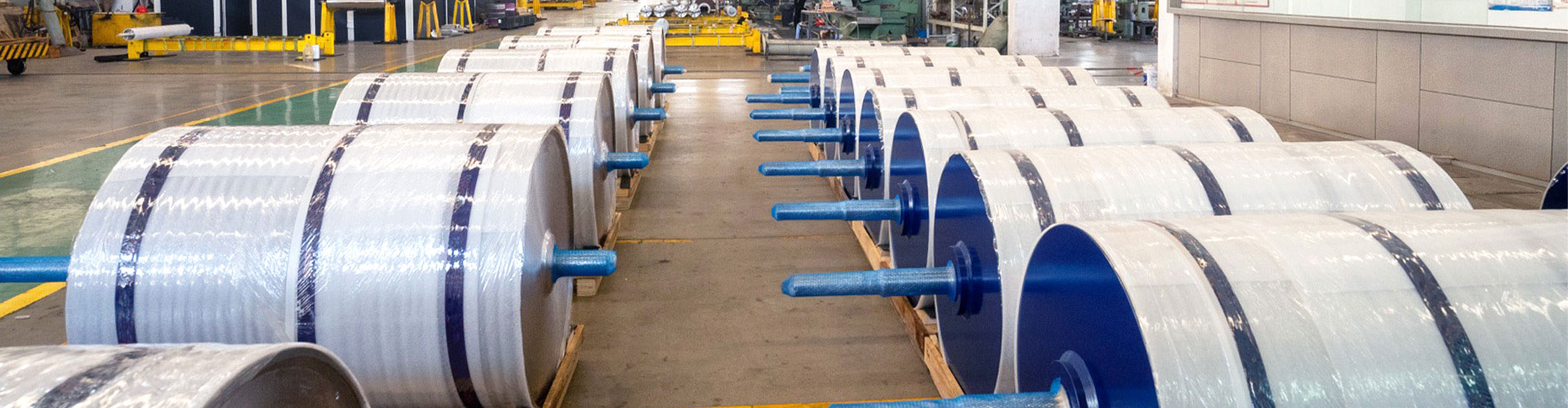
Industrial rollers are critical transmission and processing components in many continuous production systems, yet they are often overlooked. Whether in printing and packaging, film processing, textiles, steel processing, or wood processing—or in sectors like new energy materials, coating and lamination, and surface treatment—industrial rollers perform core functions such as conveying, pressing, traction, coating, cooling, heating, and tension control. However, in actual production, some enterprises opt for lower-priced, average-quality rollers to cut initial procurement costs. Ultimately, they incur higher overall production costs due to issues like rapid roller wear, loss of precision, frequent equipment downtime, and inconsistent product quality.
For instance, on a high-speed production line operating 16 to 24 hours a day, even slight roller runout, insufficient surface precision, or excessive radial runout might not cause an immediate stoppage. Yet, these issues can gradually lead to material misalignment, uneven coating thickness, increased product defects, and higher energy consumption. Data indicates that on continuous manufacturing lines, approximately 20% to 35% of unplanned equipment downtime is linked to anomalies in drive systems, support components, and rotating parts; as core high-speed rotating components, the quality of industrial rollers directly impacts the stability of the entire production line.
Therefore, high-quality industrial rollers are not merely mechanical parts but a vital investment that helps enterprises lower overall manufacturing costs, boost production efficiency, and reduce maintenance burdens. Through optimized material selection, superior machining precision, improved surface treatment processes, and custom designs tailored to specific production needs, high-performance industrial rollers enable factories to achieve more stable, efficient, and cost-effective production.
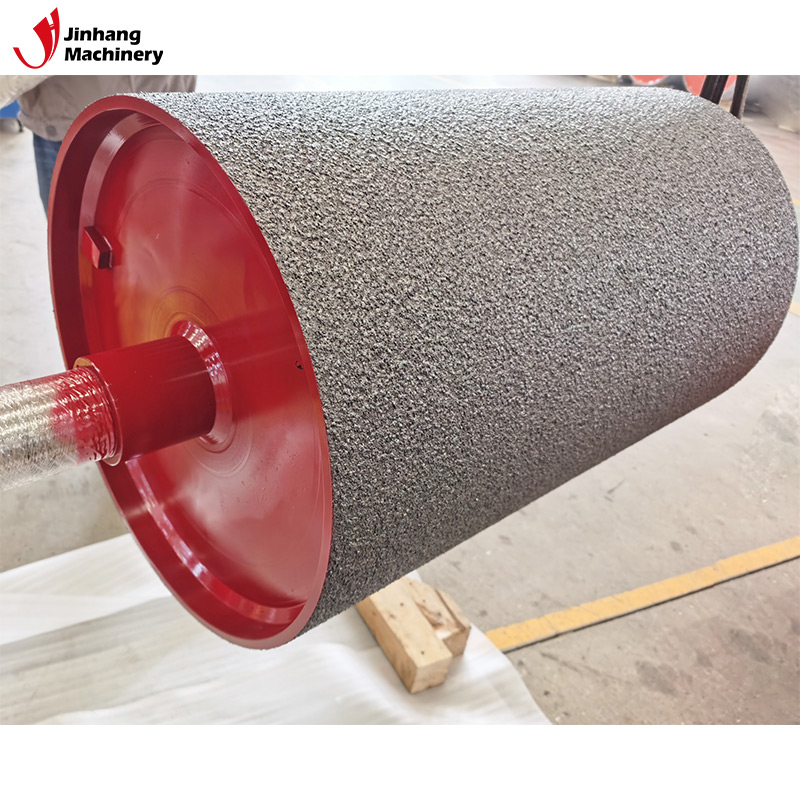
Why does industrial roller quality directly affect factory production costs?
In industrial production systems, costs are not limited to the initial purchase price of equipment; they comprise the total costs incurred over the equipment's lifecycle, including procurement, operation, maintenance, downtime losses, and quality-related losses. Consequently, evaluating the cost-effectiveness of industrial rollers requires looking beyond the purchase price and focusing on the comprehensive value generated throughout their entire service life.
Low-quality industrial rollers typically exhibit several distinct problems.
The first is insufficient machining precision. Industrial rollers often operate at high rotational speeds; factors such as outer diameter precision, coaxiality, radial runout, and surface roughness directly impact production stability. For instance, if the coaxiality of a roller exceeding 2,000 mm in length is not properly controlled during manufacturing, it may generate periodic vibrations during high-speed operation. This subjects bearings to additional impact loads and accelerates equipment wear.
Furthermore, inadequate material properties can drive up costs for enterprises.
Requirements for roller materials vary significantly depending on the industrial application. While standard carbon steel rollers are suitable for general conveying tasks, environments involving high temperatures, corrosion, pressure, or high-speed friction may necessitate the use of stainless steel, alloy steel, aluminum alloys, or materials with specialized surface treatments. Incorrect material selection can lead to deformation, rusting, wear, or surface damage, resulting in more frequent replacements.
Surface quality is another critical factor influencing production costs.
In sectors such as coating, printing, and lamination, roller surface roughness can directly affect product quality. For example, the coating industry demands strict uniformity in roller surfaces; even minute indentations or machining marks on the roller can cause inconsistent coating thickness, leading to product rework or even scrapping.
Therefore, from a long-term operational perspective, while high-quality industrial rollers may carry a higher initial purchase price than standard alternatives, they reduce overall production costs by minimizing downtime, extending service life, and improving product yield rates.
How do high-precision industrial rollers reduce losses associated with equipment downtime?
For manufacturing enterprises, equipment downtime often translates into direct economic loss. This is particularly true in continuous production industries; a halted production line not only impacts daily output but can also cause order delays, idle labor costs, and strain across the upstream and downstream supply chain.
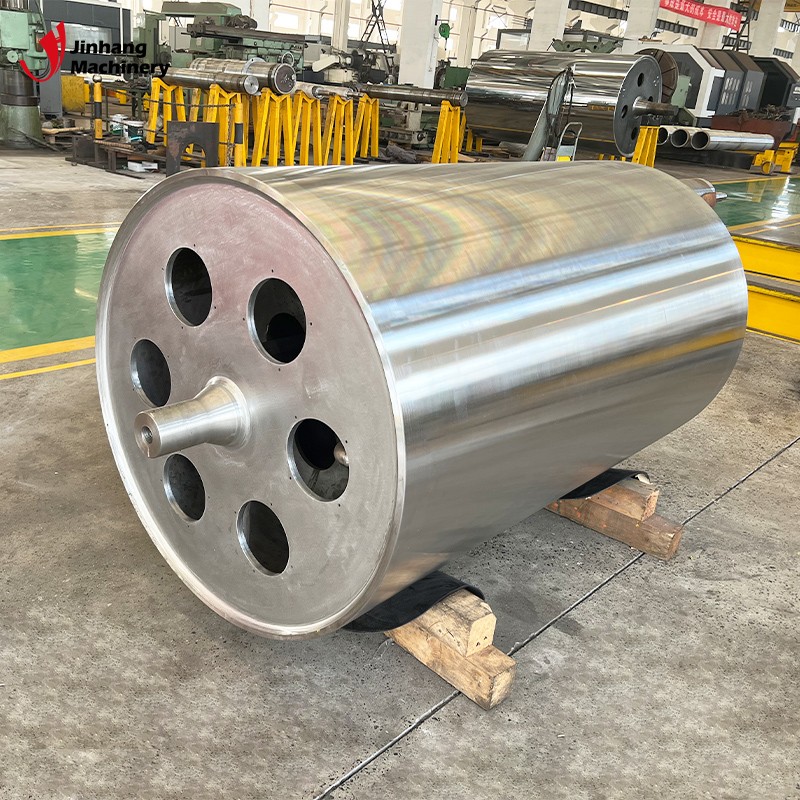
As rotating components within production machinery, industrial rollers play a decisive role in equipment stability. High-quality rollers are typically manufactured using precision equipment—such as large-scale CNC lathes, grinders, and dynamic balancing systems—to ensure dimensional accuracy and operational stability. Take high-speed composite production lines as an example: a standard industrial roller might exhibit surface wear or axial misalignment after just a few months of operation, whereas a roller subjected to precision machining and surface strengthening treatments can see its service life extended by over 50%. In certain demanding applications, optimal design and surface strengthening allow industrial rollers to operate continuously for years without requiring the replacement of core components.
Furthermore, high-quality industrial rollers help mitigate the cascading damage caused by equipment vibration. During high-speed rotation, inadequate dynamic balance in a roller can lead to:
Increased equipment vibration;
Rising bearing temperatures;
Increased motor load;
Accelerated wear on the drive system.
While these issues may not cause immediate equipment failure, their cumulative effect over time significantly drives up maintenance costs.
For instance, if an automated production line shuts down for 30 minutes daily for adjustments, the total lost production time over a year could exceed 180 hours. At an estimated production value of 5,000 yuan per hour, the losses from downtime alone could reach hundreds of thousands of yuan. Therefore, enhancing the stability of industrial rollers is crucial for reducing a company's hidden costs.
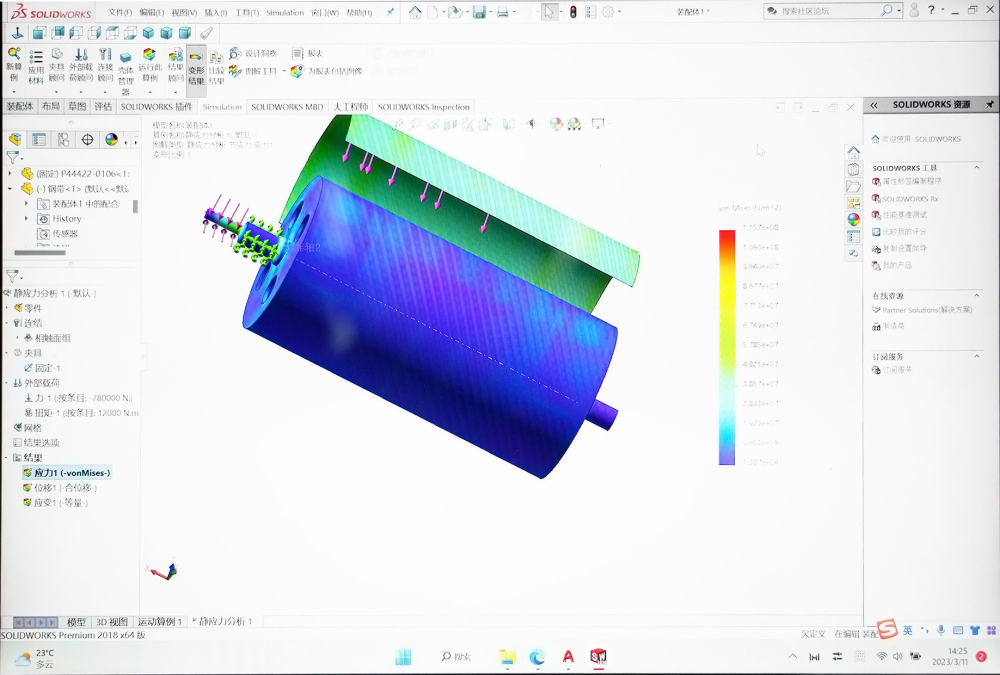
How do high-quality industrial rollers reduce maintenance and replacement costs?
Equipment maintenance costs have always been a key metric for manufacturing enterprises. When purchasing industrial rollers, many companies focus solely on the unit price while overlooking maintenance cycles and replacement frequency.
Standard industrial rollers—often lacking sufficient material strength or featuring only basic surface treatments—may require frequent repairs. For example, in high-friction environments, unstrengthened roller surfaces can wear down rapidly, leading to changes in diameter and uneven pressure distribution, ultimately necessitating refinishing or complete replacement.
In contrast, high-quality industrial rollers are typically manufactured using more advanced techniques, such as:
Using high-strength steel to enhance structural stability;
Employing heat treatment to improve hardness and wear resistance;
Enhancing surface properties through methods like chrome plating, ceramic coating, or rubber covering;
Ensuring surface consistency through precision grinding.
Although these processes increase manufacturing costs, they significantly extend the service life of the industrial rollers.
Take rubber-covered industrial rollers, for example; there are marked differences in wear resistance among various rubber materials. Standard rubber rollers may require replacement after six months to a year, whereas industrial rollers made from high-quality polyurethane, EPDM, or specially formulated rubber compounds can achieve a service life of two to three years—or even longer—under appropriate operating conditions.
For large manufacturing enterprises, reducing the frequency of roller replacement not only cuts component procurement costs but also lowers expenses related to maintenance labor, equipment disassembly and reassembly, and production line adjustments.
How do custom industrial rollers help enterprises reduce production costs?
As manufacturing moves toward greater precision and specialization, more enterprises are opting for custom industrial rollers rather than purchasing off-the-shelf standard models. This shift is driven by the fact that different production environments impose vastly different requirements on industrial rollers.
For instance, regarding conveyor rollers, the food packaging industry prioritizes hygiene and corrosion resistance; the steel industry focuses on high-temperature resistance and load-bearing capacity; and the printing industry emphasizes surface precision and pressure uniformity.
If an enterprise uses rollers unsuited to its specific operating conditions, optimal performance may not be achieved, even if the rollers themselves are of high quality.
Custom industrial rollers can be optimized based on the following factors:
Production speed;
Material weight;
Operating temperature;
Pressure requirements;
Surface friction coefficient;
Installation space;
Automation equipment interfaces.
For example, on a film production line, a well-designed roller—considering diameter, weight, and surface treatment—can enhance material stability, minimize tension fluctuations, and allow for more precise control of product thickness.
On coating lines, custom rollers can improve coating uniformity by optimizing surface precision and texture, thereby reducing rework and waste caused by quality issues.
Therefore, custom industrial rollers should not be viewed merely as an added procurement cost, but rather as an investment in optimizing the production process.
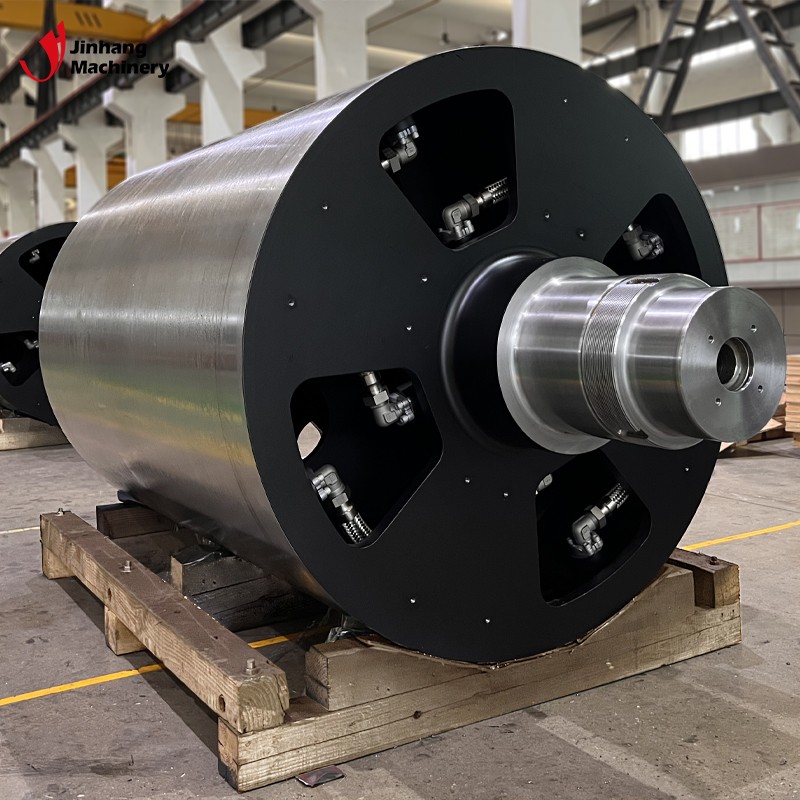
How do surface treatment technologies for industrial rollers enhance economic efficiency?
The service life and operational performance of industrial rollers depend largely on surface treatment technologies.
Common surface treatment methods in the industry include hard chrome plating, ceramic spraying, laser processing, rubber covering, and polyurethane coating.
Hard chrome-plated rollers offer high hardness and excellent wear resistance, making them ideal for industries such as printing, packaging, and plastics processing. With optimized treatment, the roller surface hardness can exceed HV800, effectively minimizing wear caused by friction. Ceramic industrial rollers are particularly well-suited for high-speed, high-precision applications. Ceramic materials offer wear resistance, corrosion resistance, and stable frictional properties, meeting the demands of sectors such as new energy, battery materials, and precision coating.
Rubber-covered industrial rollers, meanwhile, offer enhanced grip and cushioning through adjustable rubber hardness and formulations, making them widely used in conveying, pressing, and printing operations.
Selecting the right surface treatment for industrial rollers can reduce maintenance frequency, improve product consistency, and lower long-term operating costs.
How do high-quality industrial rollers help enterprises improve product quality?
Production costs stem not only from equipment maintenance but also from losses due to product quality issues. For modern manufacturing enterprises, increasing the "first-pass yield" is often more critical than simply cutting manufacturing expenses.
Industrial rollers play a direct role in material transport and processing; their stability directly impacts the final quality of the product.
For instance, in film processing, insufficient surface precision on rollers can lead to variations in material thickness; in printing, uneven roller pressure can cause color deviations; and in lamination processes, poor roller parallelism can result in defects such as air bubbles or wrinkles.
High-quality industrial rollers, characterized by precise dimensional control and stable operation, help enterprises achieve greater product consistency.
Data indicates that in high-precision manufacturing, upgrading the precision of key roller components can reduce product defect rates on certain production lines by 10% to 30%. While actual results depend on the specific industry and equipment conditions, optimizing industrial rollers offers clear value for quality improvement.
What factors should be considered when selecting an industrial roller supplier?
When sourcing industrial rollers, procurement professionals should look beyond price quotes and comprehensively evaluate a supplier's manufacturing capabilities.
Professional industrial roller manufacturers typically possess comprehensive production capabilities, including material testing, machining, heat treatment, surface treatment, dynamic balancing, and quality inspection.
First, consider the supplier's customization capabilities. Industrial production environments are complex, and standardized products often cannot meet every requirement.
Second, evaluate machining precision. For example, can the supplier effectively control parameters such as radial runout, coaxiality, and surface roughness for large industrial rollers? These metrics directly affect equipment performance.
Third, consider after-sales service capabilities. An excellent supplier does more than just provide products; they offer recommendations for structural optimization based on the customer's specific production conditions. For long-term partnerships, a reliable industrial roller manufacturer can help enterprises mitigate equipment risks and boost production efficiency.
FAQ: Common Questions About Industrial Rollers and Production Cost Reduction
1. Are high-quality industrial rollers necessarily more expensive than standard ones?
In terms of initial purchase price, high-quality rollers usually cost more due to superior materials, precision manufacturing processes, and rigorous quality testing. However, when considering lifecycle costs, high-quality rollers often prove more economical; their longer service life, reduced failure rates, and lower maintenance costs result in a lower total cost of ownership compared to standard products that require frequent replacement.
2. What is the typical service life of an industrial roller?
The service life of an industrial roller depends on factors such as materials, operating environment, load, speed, and maintenance practices. While standard rollers may last around one year, rollers made from premium materials with surface-strengthening treatments can last anywhere from two to over five years under appropriate operating conditions.
3. Why do enterprises need custom industrial rollers?
Different production lines have varying requirements regarding roller dimensions, hardness, surface properties, and load-bearing capacity. Custom rollers align better with specific equipment needs, enhancing production stability and minimizing efficiency losses caused by component mismatches.
4. Does the precision of industrial rollers affect product quality?
Yes, it does. Parameters such as radial runout, coaxiality, and surface roughness affect the stability of material movement. In high-speed production and precision manufacturing sectors, roller precision is directly linked to product consistency.
5. How can one determine if an industrial roller supplier is professional?
Enterprises can evaluate suppliers based on factors such as manufacturing experience, processing equipment, testing capabilities, customization expertise, and industry track record. A professional supplier does more than just provide products; they offer comprehensive technical solutions tailored to the customer's specific production requirements.