
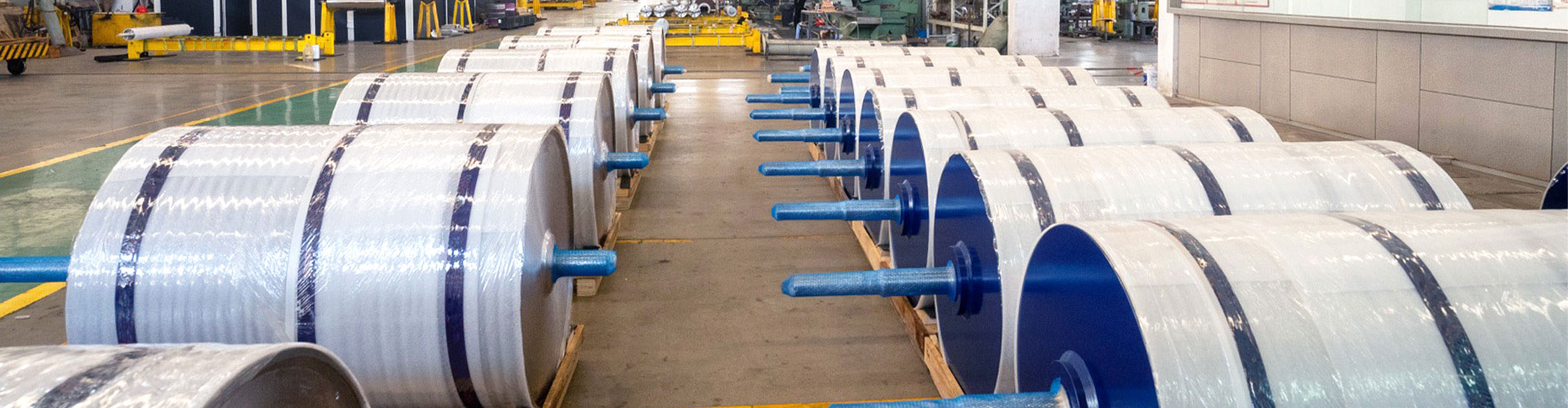
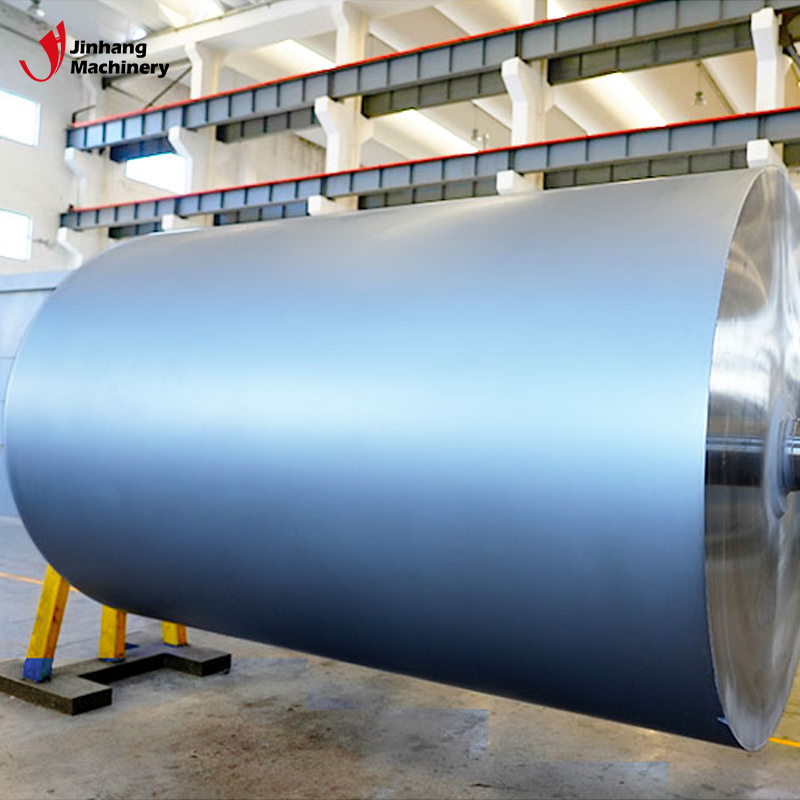
Industrial rollers play a vital role in industries such as steel, papermaking, printing, plastic film, metal processing, textiles, lithium-ion batteries, and composite materials, performing tasks like conveying, traction, calendering, coating, guiding, pressing, and tension control. Although an industrial roller is often just one component of a production line, its surface condition directly impacts product quality, production efficiency, and equipment maintenance costs.
As production speeds increase and requirements for product precision become more stringent, traditional surface treatments for industrial rollers often struggle to meet the demands of harsh operating conditions. Issues such as wear, corrosion, scratching, material adhesion, changes in surface roughness, and coating delamination are common during operation. Consequently, determining the right coating for an industrial roller is a frequent challenge for equipment engineers and procurement professionals.
It is important to note that there is no single "best" coating applicable to every scenario. Coatings such as hard chrome, tungsten carbide, chromium carbide, and chromium oxide ceramics each offer distinct characteristics regarding hardness, wear resistance, corrosion resistance, high-temperature performance, and surface finish capabilities. Selecting the right roller involves more than simply choosing the hardest coating; it requires selecting a coating system that matches the specific operating conditions.
Why Do Industrial Rollers Need Coatings?
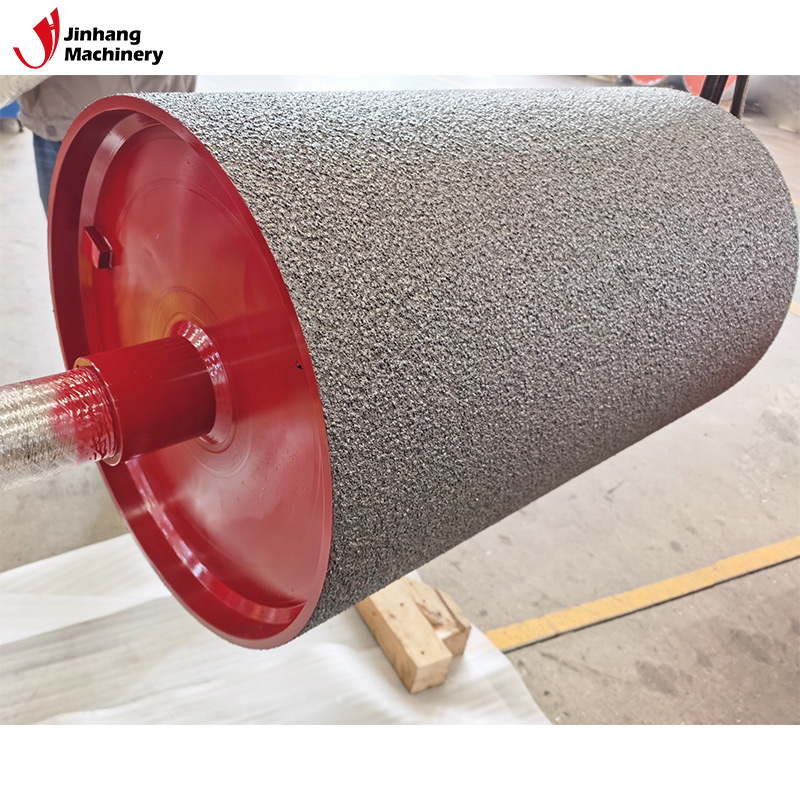
Industrial rollers are typically made of steel, stainless steel, or other metals, but the base material alone often cannot simultaneously meet requirements for wear resistance, corrosion resistance, low friction, and high surface precision. Applying a functional coating to the roller surface allows for the targeted enhancement of specific properties.
For instance, on high-speed production lines, rollers are in constant contact with the product, subjecting their surfaces to friction and wear. In industries like steel and papermaking, dust, mill scale, and hard particles can cause severe abrasive wear. In wet environments—such as those found in chemical processing and papermaking—rollers may be exposed to corrosion from water, acids, alkalis, and chemical agents. Meanwhile, on high-temperature production lines, rollers must withstand thermal cycling and oxidative environments.
All these factors can shorten the service life of industrial rollers. Therefore, the core value of industrial roller coatings can be summarized in three aspects: extending surface wear life, protecting the roller substrate, and maintaining stable surface properties and dimensional accuracy.
Common Coatings for Industrial Rollers
Currently, the most widely used surface coatings for industrial rollers include hard chrome, tungsten carbide, chromium carbide, and ceramics. The specific choice depends on the roller's operating environment and failure modes.
1. Hard Chrome Coating: Mature, Cost-Effective, and Suitable for General Operating Conditions
Hard chrome is a widely used surface treatment for traditional industrial rollers. Its key characteristics include high hardness, excellent surface finish, and a mature application process; furthermore, precision grinding and polishing can yield superior surface quality.
Typical hard chrome coatings have a hardness of approximately 800–1000 HV, with specific values influenced by the plating process and coating system.
Hard chrome remains a cost-effective choice for applications involving moderate wear and low operating temperatures, provided there is a high requirement for surface finish.
However, if the roller is subjected to severe abrasive wear, high loads, or high-speed operation over the long term, traditional hard chrome may not meet durability requirements. In such cases, high-performance coatings—such as thermally sprayed tungsten carbide—should be considered.
2. Tungsten Carbide Coating: A Common Solution for High-Wear Industrial Rollers
When industrial rollers face severe wear, tungsten carbide is often a primary coating option.
Tungsten carbide coatings (such as WC-Co and WC-CoCr) are typically produced using the HVOF (High-Velocity Oxy-Fuel) thermal spray process. Their advantages include high hardness, high coating density, and excellent wear resistance. Common WC-CoCr coatings have a hardness of approximately 1000–1400 HV, with some systems achieving even higher levels.
The HVOF process deposits powder particles onto the roller surface at high velocities, creating a relatively dense coating. Tungsten carbide generally offers superior wear resistance compared to traditional hard chrome when dealing with abrasive wear caused by sand, mill scale, fillers, and similar materials.
However, "tungsten carbide coating" does not refer to a single, fixed material composition. Different powder systems—such as WC-10Co-4Cr, WC-12Co, and WC-17Co—exhibit variations in hardness, toughness, and corrosion resistance. Therefore, when selecting tungsten carbide for industrial rollers, it is necessary to further specify the powder grade and the spraying process.
3. Chromium Carbide Coatings: A Key Consideration for High-Temperature Industrial Rollers
If industrial rollers operate in high-temperature environments for extended periods, prioritizing maximum hardness alone is not the most rational approach.
While tungsten carbide offers exceptional hardness and wear resistance, it can undergo changes—such as decarburization—in sustained high-temperature environments, leading to performance degradation. Consequently, for operating conditions involving a combination of high temperatures, wear, and oxidation, the Cr3C2-NiCr (chromium carbide) system is a viable option.
Cr3C2-NiCr coatings typically have a hardness of approximately 750–1000 HV; although this is generally lower than that of some tungsten carbide coatings, their high-temperature stability and oxidation resistance make them better suited for certain high-temperature industrial rollers.
Therefore, when selecting coatings for high-temperature industrial rollers, the focus should be on how well the coating retains its properties at actual operating temperatures, rather than simply comparing room-temperature hardness.
4. Chromium Oxide Ceramic Coatings: Ideal for Industrial Rollers Requiring High Surface Quality
For calendering rollers, papermaking rollers, printing rollers, and certain precision industrial rollers, surface quality may be more critical than wear resistance alone.
Chromium oxide ceramic coatings possess high hardness—typically around 1000–1300 HV—and can achieve superior surface finishes through precision grinding and polishing.
These coatings are particularly well-suited for applications requiring a balance of specific properties regarding surface roughness, frictional characteristics, wear resistance, and release performance (non-stick capabilities).
Thus, if the primary issue is surface wear, tungsten carbide is a strong candidate; however, if the main requirement is maintaining a stable, fine surface finish over the long term, ceramic coatings like chromium oxide are also worth evaluating.
How Should Industrial Roller Coatings Be Selected?
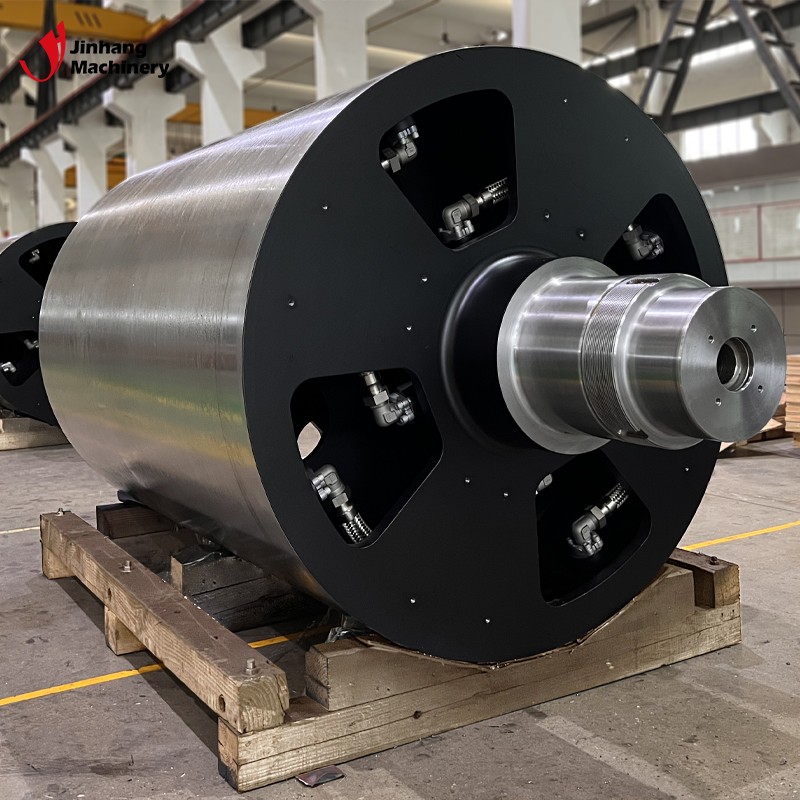
The most important principle in selecting coatings for industrial rollers is to first define the operating conditions, then identify the failure mechanisms, and finally select the appropriate coating.
The selection can be based on the following factors:
First, consider the operating temperature.
Temperature is a crucial parameter when selecting coatings for industrial rollers. If the industrial roller operates in a normal or low-to-medium temperature environment for extended periods, systems such as hard chrome, tungsten carbide, and chromium oxide are worth comparing.
If the roller operates at high temperatures for long periods, the coating's thermal stability and oxidation resistance become critical; chromium carbide coatings (such as Cr3C2-NiCr) often warrant greater consideration than standard tungsten carbide (WC) systems.
Second, consider the primary type of wear the roller faces.
If the roller is primarily subjected to abrasive wear caused by sand, dust, scale, or mineral particles, high-hardness, wear-resistant coatings should be prioritized; HVOF-sprayed tungsten carbide is a common solution.
If the roller faces high-temperature wear, high-temperature wear-resistant systems should be considered.
If the roller is prone to adhesion or material buildup when contacting the product, factors such as the coefficient of friction and final surface roughness must be considered alongside coating hardness.
Third, consider the presence of corrosion.
If the roller is in prolonged contact with water, acids, alkalis, salts, or other chemical media, coating hardness alone is not the deciding factor.
Coating density, porosity, and the corrosion resistance of the binder phase are crucial. For environments involving both corrosion and wear, carbide systems with superior corrosion resistance are viable options.
Fourth, consider the required final surface roughness.
For precision industrial rollers, the completion of the coating process does not mark the end of manufacturing.
Rollers typically undergo grinding, lapping, and polishing to meet final dimensional and surface roughness specifications.
Therefore, when selecting a coating, one must pre-determine the required Ra value, cylindricity, radial runout, and surface defect limits. This is particularly important in industries such as film production, printing, coating, and calendering, where roller surface quality directly impacts the final product.
Fifth, consider linear speed and load.
High-speed rollers demand higher standards for coating uniformity, surface quality, dimensional accuracy, and dynamic balance.
For rollers subjected to heavy loads, both hardness and toughness must be considered. Prioritizing hardness while neglecting coating bond strength and residual stress control can lead to cracking or even spalling under impact or heavy-load conditions.
Is a thicker coating always better for industrial rollers?
This is a very common misconception when selecting coatings for industrial rollers.
If the coating is too thin, it may quickly lose its protective function due to wear; if it is too thick, it can increase residual stress, machining difficulty, and manufacturing costs.
The actual coating thickness for industrial rollers must be determined by comprehensively considering substrate dimensions, wear allowance, final dimensions, and the amount of material to be removed during subsequent grinding. While typical coating thicknesses for thermally sprayed industrial rollers range from approximately 150 to 400 μm, thicker coatings may be used depending on the specific application and repair requirements.
For instance, when dealing with a tungsten carbide industrial roller that requires precision grinding, one cannot simply consider the "required final coating thickness"; sufficient machining allowance must also be factored in. Therefore, the coating thickness should be calculated by working backward from the final dimensions rather than simply specifying a fixed value.
Why can the service life of tungsten carbide industrial rollers vary so drastically?
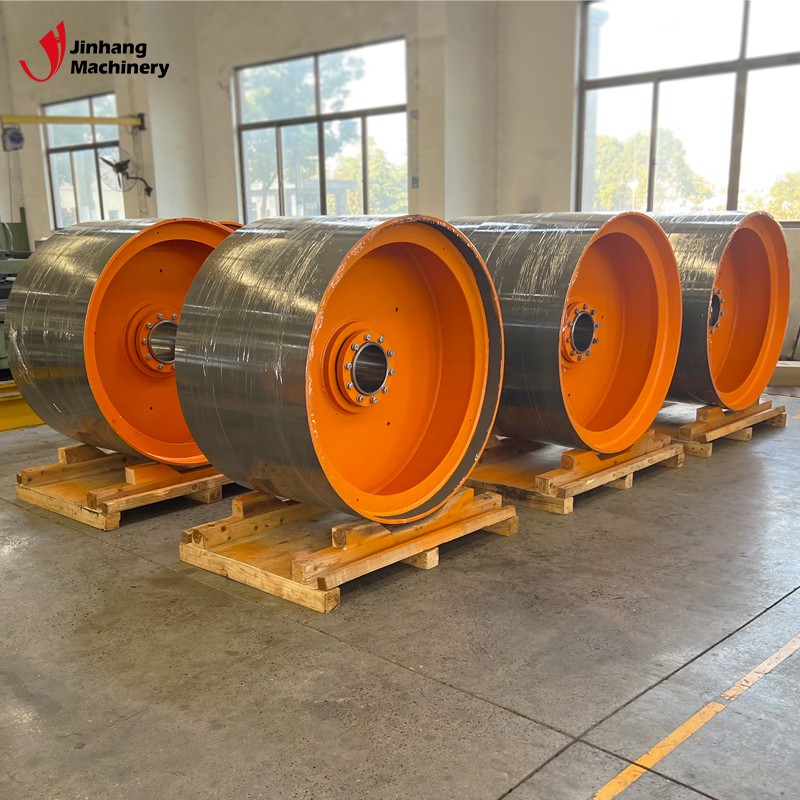
A common issue arises when companies procure industrial rollers: two suppliers may both claim to offer "tungsten carbide industrial rollers," yet the actual service lives differ significantly.
The reason is that the coating material is only one of several factors involved.
First, different tungsten carbide (WC) powder systems offer varying performance characteristics. Second, factors such as powder particle size, spray distance, powder feed rate, flame parameters, spray gun speed, and roller rotation speed all influence coating quality. Furthermore, substrate surface pretreatment, grit blasting for roughening, and post-spray grinding and polishing also impact final performance.
Therefore, evaluating the quality of an industrial roller coating requires looking beyond just the material type; attention must also be paid to:
Coating material + Spraying process + Substrate treatment + Coating thickness + Post-processing + Quality inspection.
For critical industrial rollers, it is recommended that suppliers provide key metrics such as coating hardness, thickness, bond strength, surface roughness, and dimensional tolerances.
FAQ: Common Questions About Industrial Roller Coatings
Q1: Is tungsten carbide always a better choice than hard chrome for industrial rollers?
Not necessarily. Tungsten carbide is better suited for operating conditions involving severe wear, high loads, and high speeds. Hard chrome, however, remains cost-effective for environments with moderate wear and applications requiring superior surface finish.
Q2: Is higher hardness always better for industrial roller coatings?
No. In addition to hardness, factors such as toughness, bond strength, corrosion resistance, operating temperature, surface roughness, and actual wear mechanisms must be considered. Industrial roller coatings should aim for balanced overall performance rather than focusing solely on hardness.
Q3: What coating should be selected for high-temperature industrial rollers?
If industrial rollers operate in environments characterized by high temperatures, oxidation, and wear, priority should be given to evaluating chromium carbide-based systems, such as Cr3C2-NiCr. The specific choice depends on the actual operating temperature and atmosphere.
Q4: Why is grinding required after thermal spraying industrial rollers?
Industrial rollers typically require grinding, lapping, or polishing after thermal spraying to meet final dimensional and surface roughness specifications. For precision industrial rolls, the quality of this post-processing directly impacts the quality of the final product.
Q5: How should an industrial roller coating supplier be selected?
It is advisable not to base the decision solely on price quotes. Instead, focus on whether the supplier can recommend coatings based on actual operating conditions and provide relevant technical specifications and test data—such as coating material, hardness, thickness, bond strength, surface roughness, and dimensional tolerances.