
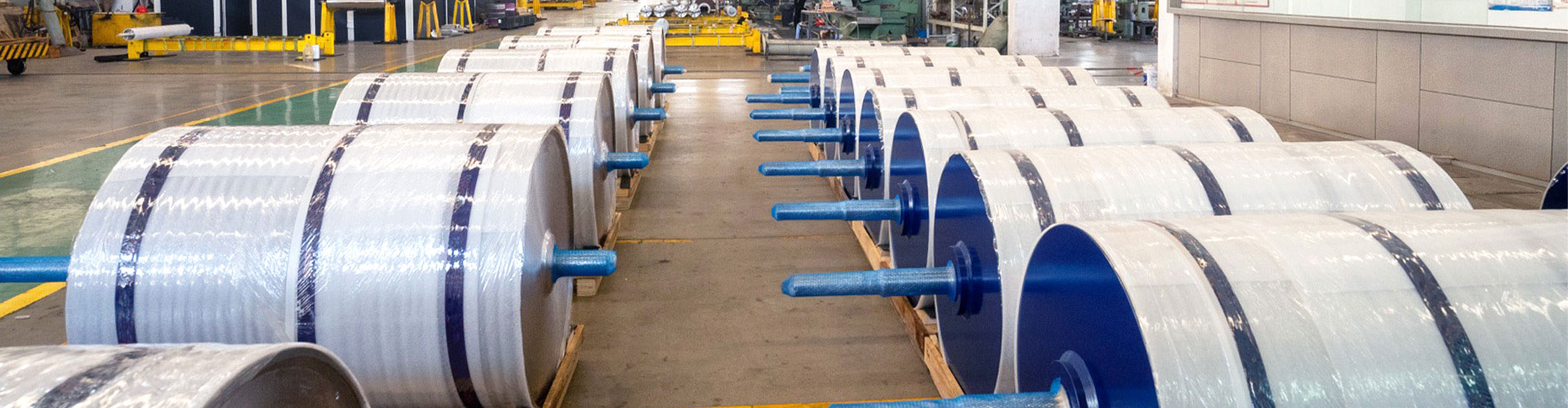
In the plastic film manufacturing industry, companies often encounter a puzzling issue: despite using identical raw materials, production equipment, and process parameters, film products from different production lines still exhibit significant differences in thickness uniformity, transparency, surface gloss, tensile strength, and dimensional stability. After troubleshooting raw material formulations, extrusion equipment, and operational processes, companies often discover that a frequently overlooked yet critical factor is the performance of the industrial heating rollers used during production.
Plastic film processing is not merely a matter of melting plastic pellets into a film; it is a complex process involving material melting, extrusion molding, stretching and orientation, heat treatment, lamination, and cooling/setting. Throughout these steps, temperature control remains a decisive factor in product performance. Plastic materials are highly sensitive to temperature fluctuations; a variation of even a few degrees Celsius during processing can alter material flow characteristics, increase internal stress, and cause surface defects, ultimately compromising product quality. For instance, in the production of BOPP, CPP, PET, and PE films, uneven temperature distribution during the heat treatment stage can lead to thickness deviations, unstable shrinkage rates, reduced surface gloss, and even widespread quality issues.
Industrial heating rollers are core components that play a pivotal role in this process. They are responsible not only for transferring heat to the material but, more importantly, for ensuring that heat is applied to the film surface uniformly, stably, and precisely, allowing processing to occur within the optimal temperature range. In high-speed, continuous plastic film production lines, these rollers typically operate 16 to 24 hours a day, enduring constant high-speed rotation, thermal cycling, and mechanical loads. Poorly designed rollers can result in uneven surface temperatures, slow thermal response times, increased energy consumption, and fluctuations in film quality.
Therefore, industrial heating rollers are far from being ordinary heating components; they are vital pieces of industrial equipment that directly influence production efficiency, product consistency, and manufacturing costs. High-performance industrial heating rollers help enterprises increase production speeds, reduce material waste, and lower the frequency of equipment maintenance, all while enhancing the consistency of the final film product.
This article provides an in-depth analysis of the working principles, structural design, manufacturing processes, and practical value of industrial heating rollers, offering professional guidance for their selection and use.
Working Principles and Key Structural Features of Industrial Heating Rollers
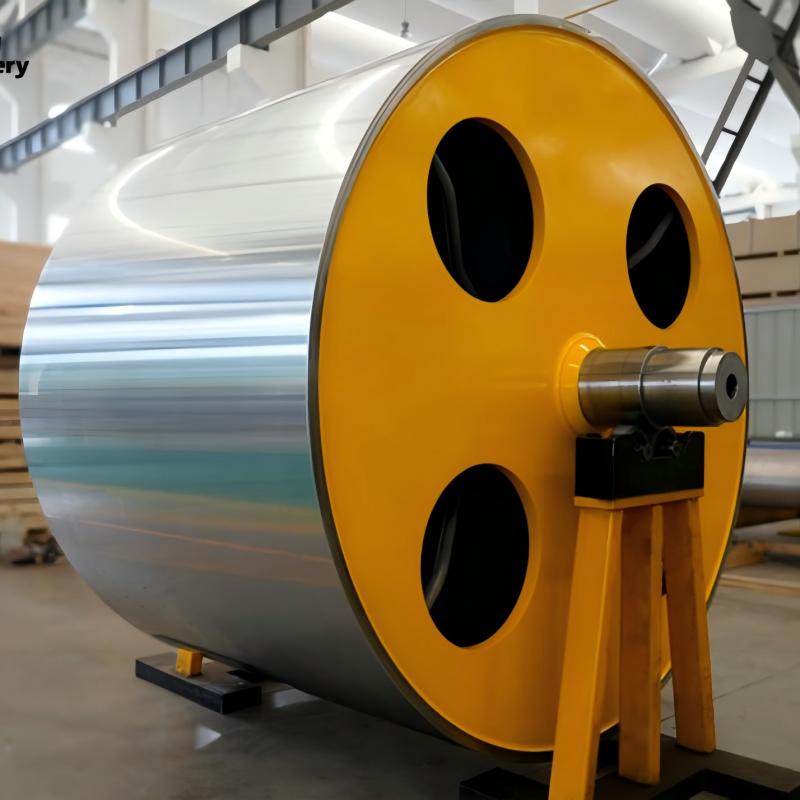
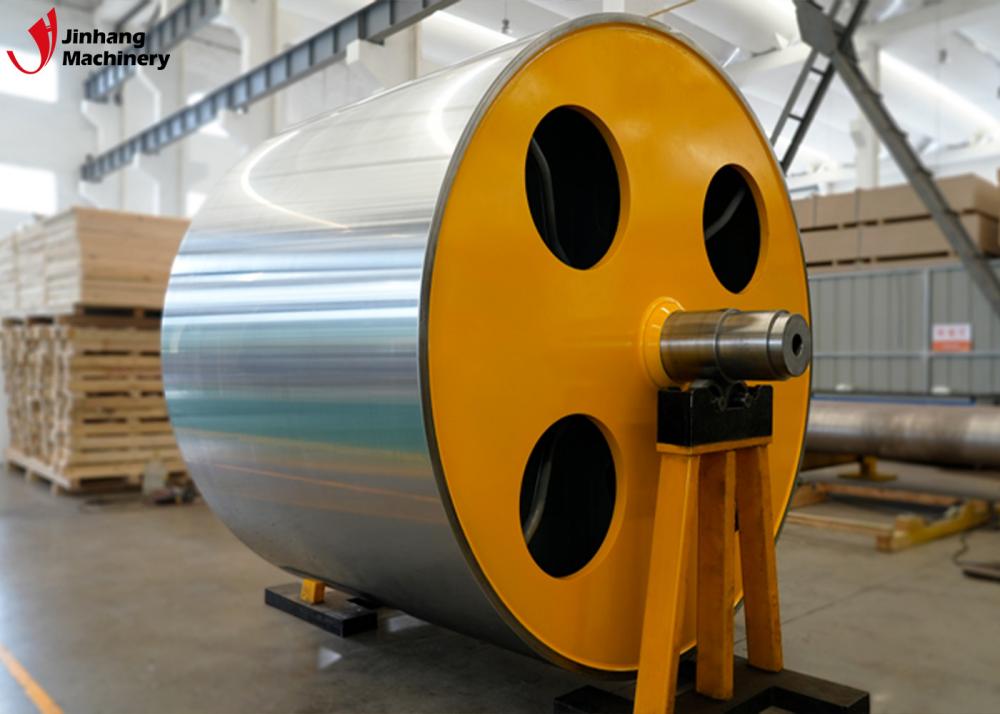
An industrial heating roller is a type of industrial roller that continuously heats its surface using an internal heat source. Typically installed in equipment for plastic film production, lamination, coating, and calendering, it transfers heat through continuous contact with the material as it rotates.
A complete industrial heating roller system generally comprises the roller body, an internal heating structure, a rotary joint, a temperature control system, and support bearing assemblies. The roller body handles heat conduction and mechanical loads; the internal heating system provides a stable heat source; and the temperature control system regulates and maintains the operating temperature.
Common heating methods used in industrial production include circulating thermal oil heating, electric heating, and steam heating.
Circulating thermal oil heating is currently a widely used method. It employs a circulation pump to transport heated thermal oil into the roller, ensuring uniform heat distribution across the entire roller surface. Due to the excellent thermal stability of thermal oil, this method is well-suited for large-scale film production equipment that operates continuously for extended periods.
Electrically heated rollers offer rapid heating and high control precision, making them ideal for equipment requiring quick temperature responses. For instance, precision film processing equipment often requires rapid temperature adjustments, and electric heating provides the necessary control flexibility.
Steam-heated rollers utilize high-temperature steam for heat exchange; they offer high heat transfer efficiency and remain highly valuable in certain continuous production applications.
Different plastic film processing techniques impose varying requirements on industrial heating rollers; consequently, professional manufacturers typically customize designs based on the client's equipment structure, material types, and production parameters.
How Do Industrial Heating Rollers Affect Plastic Film Product Quality?
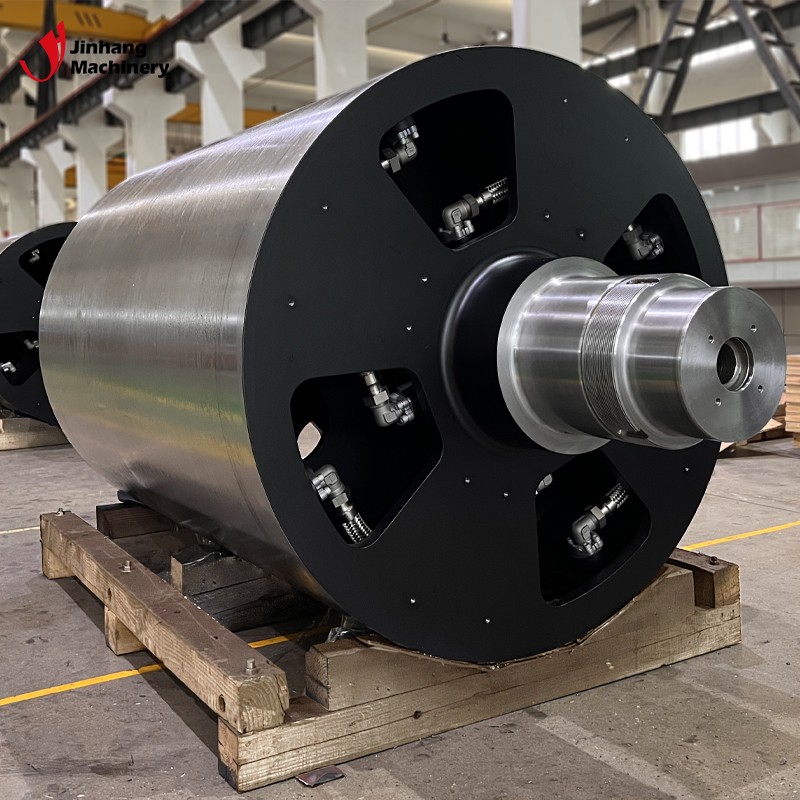
The critical value of industrial heating rollers in plastic film processing is most directly reflected in product quality control. A stable thermal environment improves material processing conditions and enhances the consistency of the film's properties.
1.Improving Film Thickness Uniformity
Film thickness uniformity is a key indicator of product quality. Requirements for controlling thickness deviation are becoming increasingly stringent, particularly in the sectors of electronic films, packaging films, and high-end industrial films.
If temperature variations exist across the surface of an industrial heating roller, different areas of the film receive varying amounts of heat, causing changes in material flow and forming characteristics. For instance, if the center of the roller is hotter than the ends, it can lead to performance disparities between the edges and the center of the film.
High-quality industrial heating rollers typically require optimized internal flow channel designs, materials with high thermal conductivity, and precision manufacturing to ensure consistent temperatures across the entire roller surface. Some high-precision film production equipment requires the surface temperature variation of the heating roller to be controlled within ±1°C to ±2°C to ensure product stability.
2.Improving Film Surface Quality
In addition to thickness requirements, plastic films must possess excellent visual quality, such as high transparency, good gloss, and a smooth surface.
By providing stable heating, industrial heating rollers maintain the film material in an optimal plastic state, helping to minimize issues such as wrinkles, bubbles, silver streaks, and surface irregularities during production.
This is particularly critical in the production of transparent PET films, decorative films, and high-end packaging films, where the machining precision and temperature uniformity of the heating roller directly impact the final product's visual appearance.
3.Reducing Internal Residual Stress in Films
Plastic materials are prone to developing internal stress during processing; if the heat treatment process is uneven, subsequent shrinkage, warping, or even cracking may occur.
Industrial heating rollers enable a more uniform heat treatment process through precise control of heat input, thereby reducing internal stress and enhancing the long-term dimensional stability of the film.
What manufacturing technologies are required for high-performance industrial heating rollers?
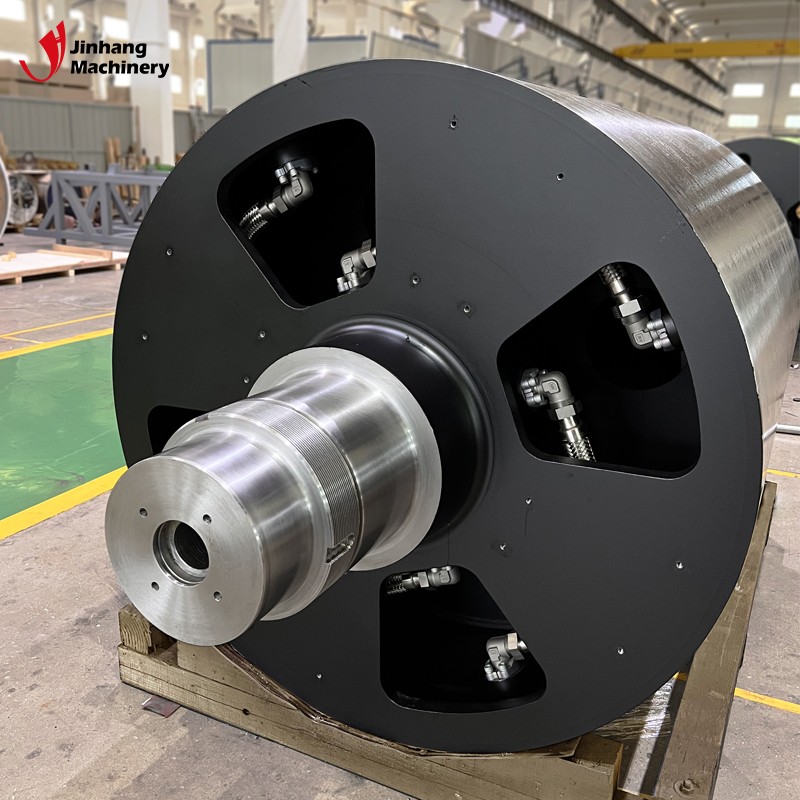
The performance of an industrial heating roller depends not only on the heating method but, more importantly, on the overall quality of manufacturing. A high-quality industrial heating roller must simultaneously meet requirements for mechanical strength, heat transfer efficiency, dimensional precision, and long-term operational stability.
The first consideration is material selection. Since industrial heating rollers operate in high-temperature environments for extended periods, the materials used must possess excellent strength and thermal stability. Common materials include carbon steel, alloy steel, and stainless steel. Among the materials used, 42CrMo alloy steel is widely utilized in the manufacture of industrial rollers due to its high strength and excellent fatigue resistance.
Next is the internal structural design. The design of the internal flow channels within an industrial heating roller directly affects heat distribution. If the heating medium fails to cover the entire roller surface uniformly, localized temperature differences are likely to occur. Consequently, high-end industrial heating rollers typically require flow channel structures optimized through thermodynamic calculations to enhance temperature uniformity.
For instance, with large industrial heating rollers exceeding 2000mm in length, inadequate internal circulation design can lead to significant temperature disparities between the central section and the ends. Therefore, specialized manufacturers usually create custom designs tailored to specific lengths and diameters.
Third is the control of machining precision. Industrial heating rollers require not only stable heating but also high-speed rotation; thus, mechanical precision is crucial. Typically, high-precision industrial heating rollers require radial runout to be controlled within the 0.01–0.03mm range, with operational stability ensured through dynamic balancing tests.
If the machining precision is insufficient, vibration may compromise film quality, even if temperature control meets the required standards.
FAQ: Common Questions About Industrial Heating Rollers
1. In which plastic film production processes are industrial heating rollers primarily used?
Industrial heating rollers are mainly used in processes such as heat treatment, lamination, calendering, coating, and setting of plastic films, including the production of BOPP, CPP, PET, and PE films.
2. Why must industrial heating rollers maintain temperature uniformity?
Plastic materials are highly sensitive to temperature fluctuations. Uneven roller temperatures cause different areas of the film to be heated inconsistently, resulting in thickness variations, degraded performance, and surface defects.
3. What is the typical temperature control precision for industrial heating rollers?
Requirements vary by application; standard equipment may require precision within approximately ±3°C, whereas high-precision film production lines typically require the temperature difference across the roller surface to be controlled within a range of ±1°C to ±2°C.
4. Can industrial heating rollers operate continuously for long periods?
Yes. High-quality industrial heating rollers—featuring appropriate material selection, structural design, and precision manufacturing—can meet the demands of continuous production environments, though they still require regular maintenance and inspection.
5. How can one determine if the quality of an industrial heating roller is reliable?
Assessment can be based on factors such as materials, machining precision, temperature control capabilities, internal structural design, and manufacturer experience. Specialized industrial roller manufacturers typically offer comprehensive design and testing services.