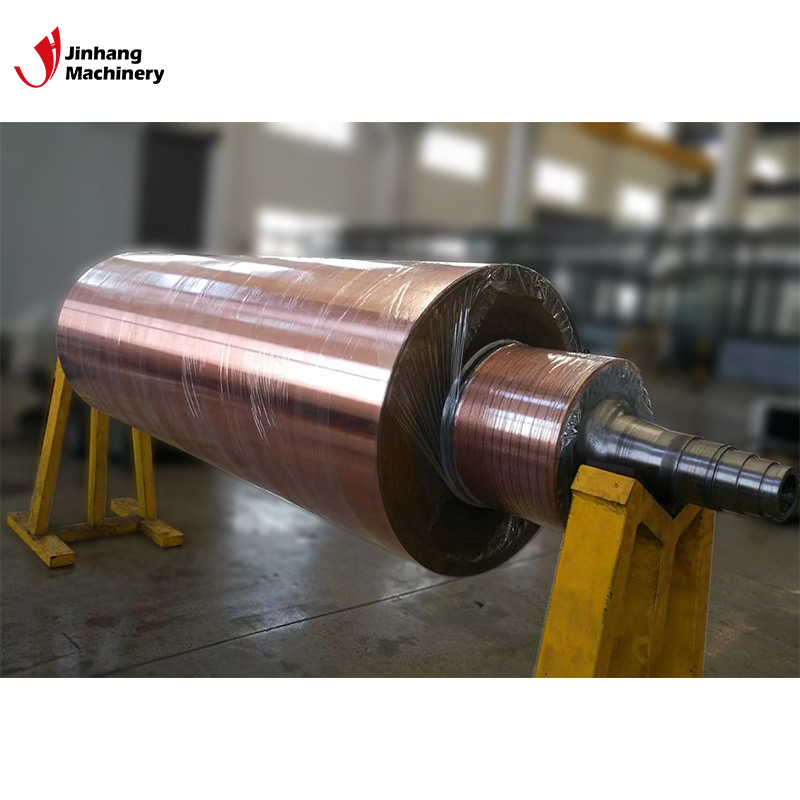
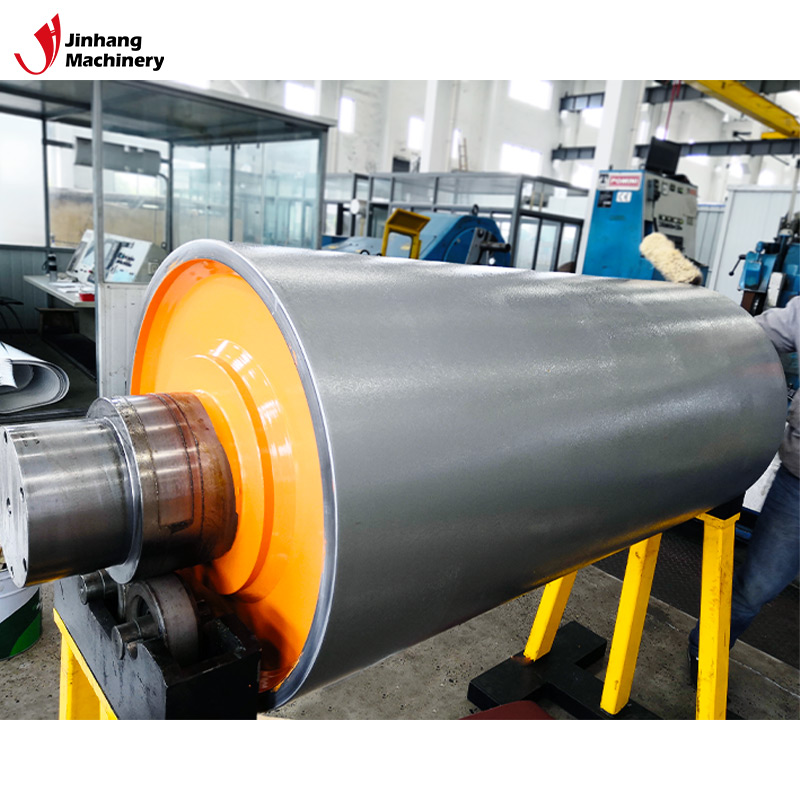
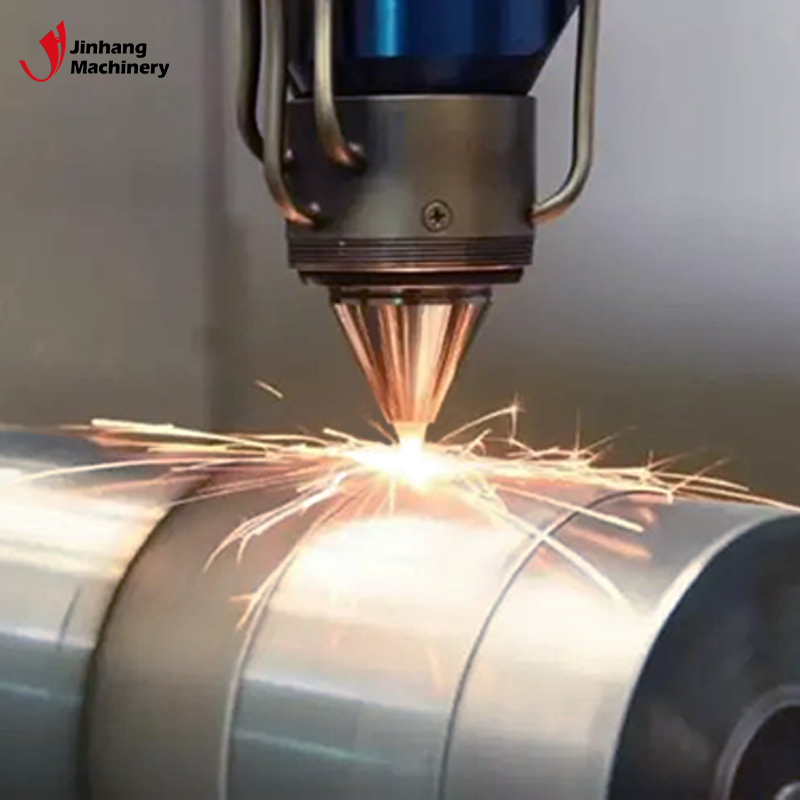
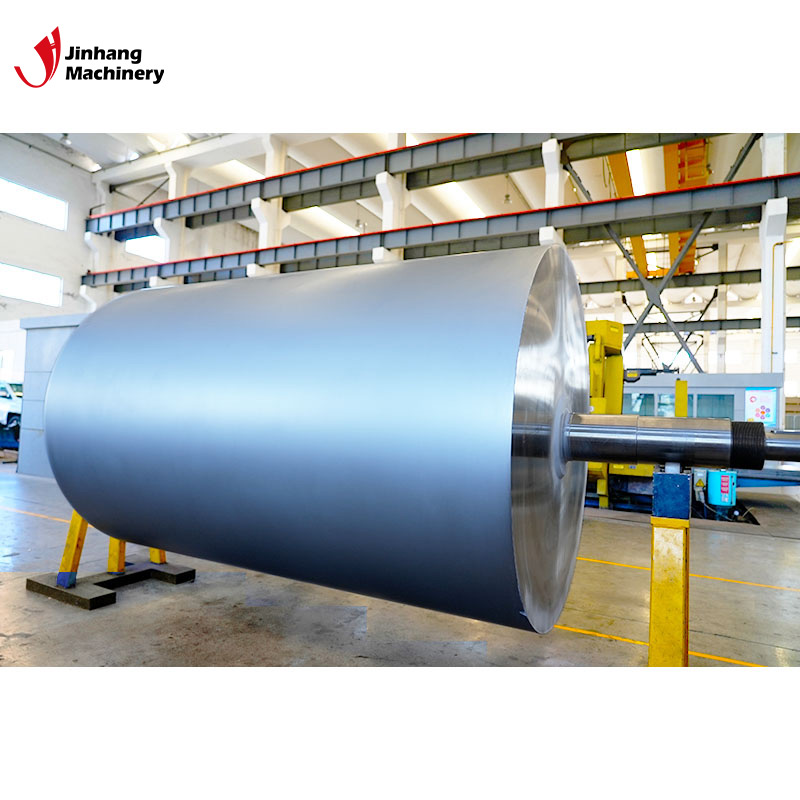
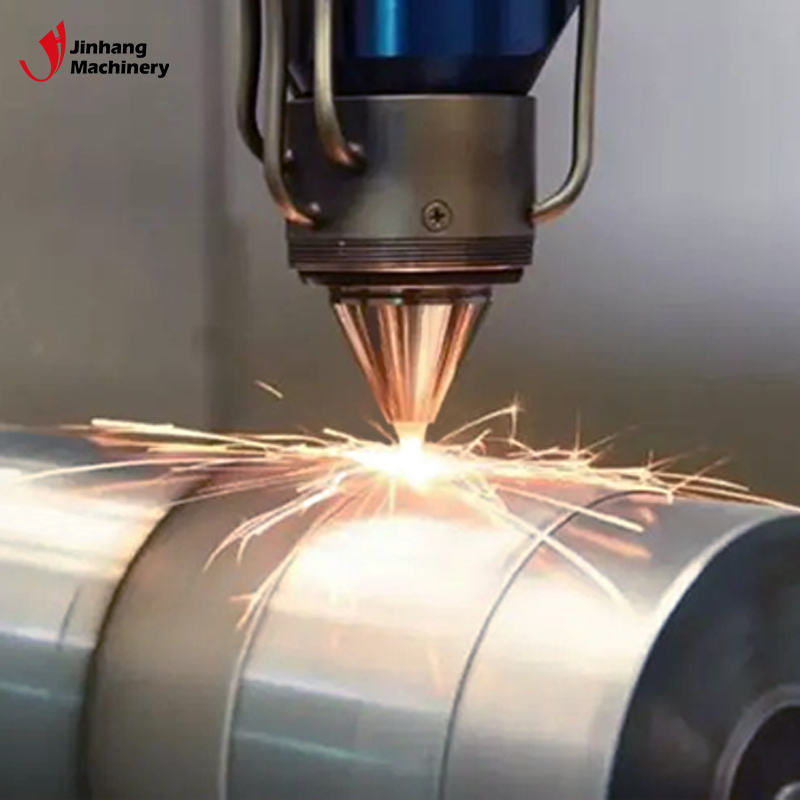
One of the most direct ways to identify tungsten carbide coatings is to conduct a hardness test. Tungsten carbide has extremely high hardness, usually reaching 70HRC (Rockwell hardness) or more. Therefore, the hardness of the coating can be tested by using tools such as Rockwell hardness tester.
In demanding applications that require high performance and durability, neoprene rollers are undoubtedly the better choice; while in cost-sensitive and milder environmental conditions, natural rubber rollers have a higher cost-effectiveness.
Hydrochloric acid is a strong acid and is highly corrosive. Although the chromium oxide layer can resist the erosion of hydrochloric acid to a certain extent, under conditions of high concentration and high temperature, hydrochloric acid can effectively dissolve the chromium metal and its oxide layer, causing damage to the chrome plating layer.
Carbon steel is one of the most basic and common types of steel. It is mainly composed of iron and carbon, and the carbon content is usually between 0.2% and 2.1%. According to the carbon content, carbon steel can be divided into low carbon steel (<0.25%), medium carbon steel (0.25%-0.6%) and high carbon steel (>0.6%).
Polyurethane is a polymer material synthesized by chemical reaction between isocyanates and polyols. The composition of polyurethane has great flexibility due to different production processes, uses and performance requirements.
One of the core processes of ceramic anilox rollers is the production of ceramic coatings. The complexity of this process is reflected in the selection of appropriate ceramic materials and the precise control of the coating.
The cooling efficiency of water-quenching rollers is very high. Through high-speed spraying water, the temperature of the steel surface can be quickly reduced, while the temperature inside the steel is relatively slow. In this way, the temperature difference between the inside and outside of the steel is effectively controlled, thereby avoiding drastic thermal stress changes and reducing the occurrence of deformation.
Steps to repair the chrome-plated surface of industrial rollers:
1. Surface inspection and evaluation
2. Surface cleaning and removal of damaged layer
3. Surface repair and re-chrome plating
4. Surface polishing and passivation
5. Final inspection and quality control
The hardness of carbide rollers is usually closely related to the alloy composition used. Carbide rollers are mainly composed of elements such as tungsten, carbon and cobalt, and different alloy formulas will affect their hardness. Specifically, the hardness of carbide rollers is usually between 55-80 HRC (Rockwell hardness C scale).