Hardness refers to the ability of a material to resist being pressed, scored, or cut by the outside world. In the rubber industry, the most common hardness scales are Shore A for softer rubber materials and Shore D for harder rubber or plastic materials.
Laminating Rollers are mechanical devices used to adhere film materials to the surface of substrates. Through heating, pressure, gluing and other methods, Laminating Rollers can tightly combine materials such as plastic films, paper, metal foils and substrates.
Damage to the roller body or rubber surface is one of the most common defects of rubber rollers, mainly manifested as cracks, cracks, blistering, and depressions on the rubber surface. These damages are usually caused by long-term excessive pressure on the rubber roller, frequent mechanical shocks, or chemical corrosion.
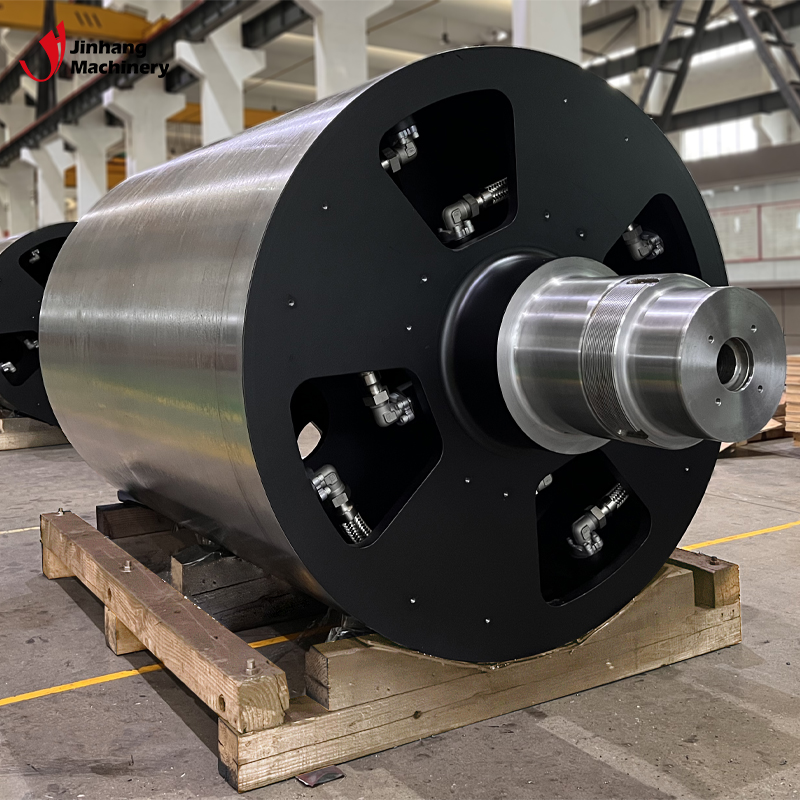
In the food industry, Chill Roller plays an important role in several key links. For example: production line cooling (cooling of food after heating treatment), coating and coating, packaging and storage (cooling before packaging and storage).
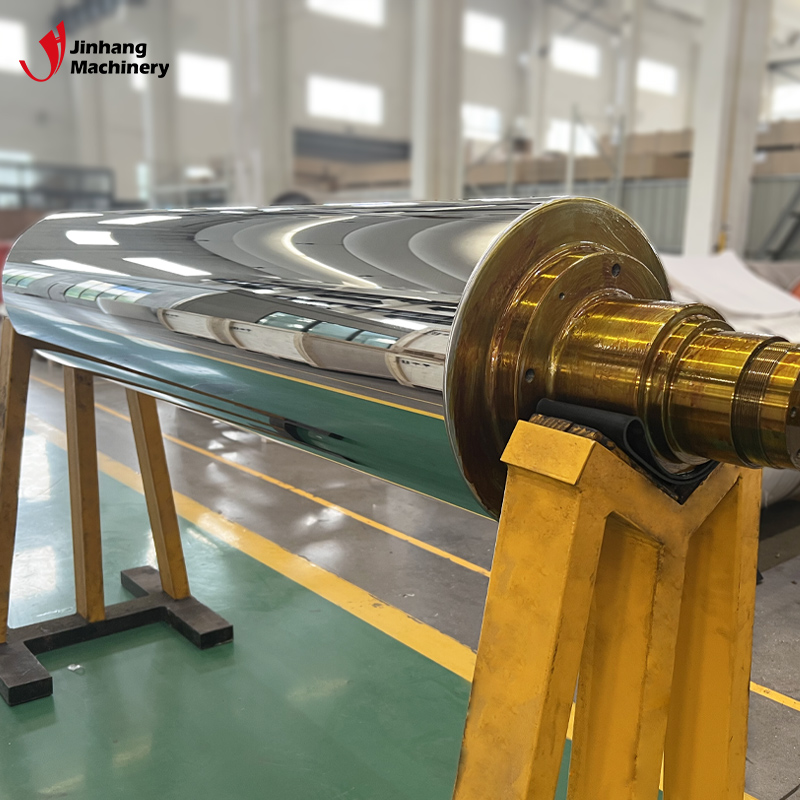
Hard chrome plated roller plays a vital role in flexographic printing and water-based ink printing, mainly in the following aspects: ink transfer roller and anilox roller (uniform ink transfer), impression roller (uniform pressure), cooling roller (fast cooling)
Heating rollers play a key role in multiple links of rubber processing. For example: mixing and calendering process (to make the rubber material evenly mixed), extrusion molding process (to maintain proper fluidity and plasticity), vulcanization process.
In the film production line industry, chrome-plated rollers play an important role in multiple key links. For example: film extrusion and molding, film coating and lamination, film stretching and shaping.
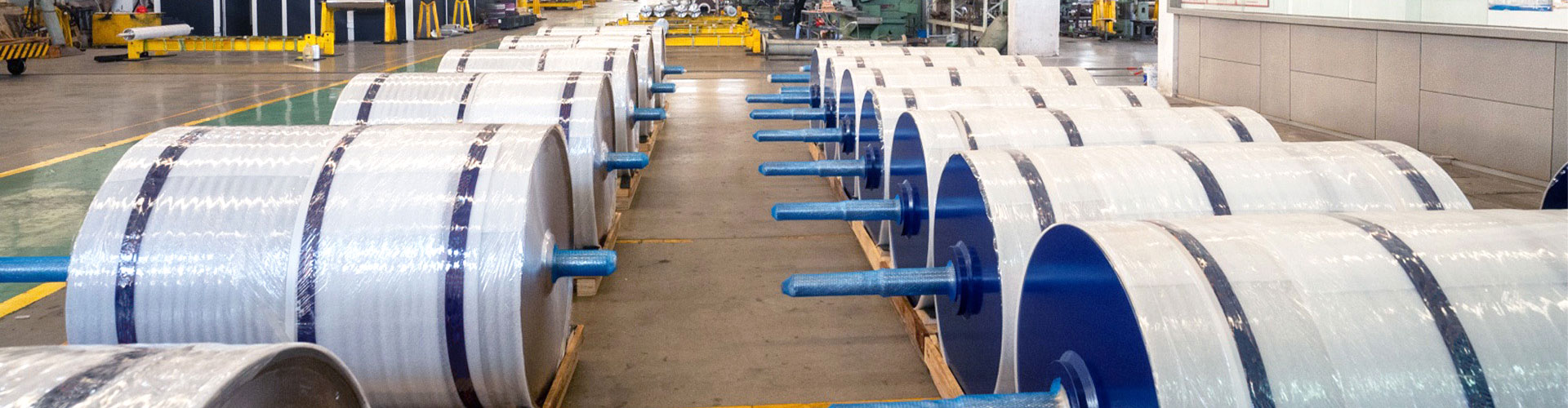
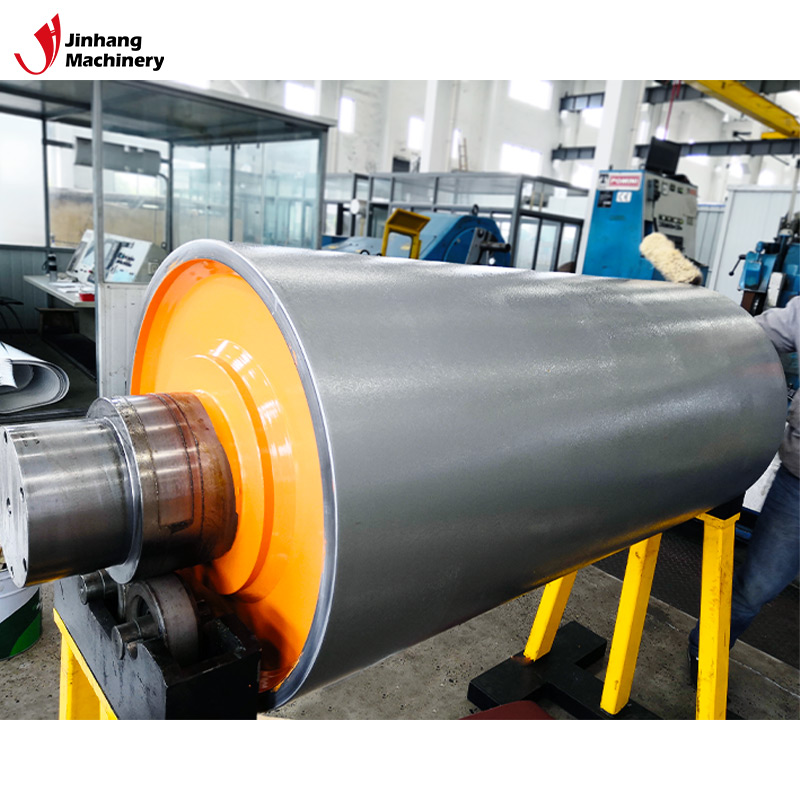
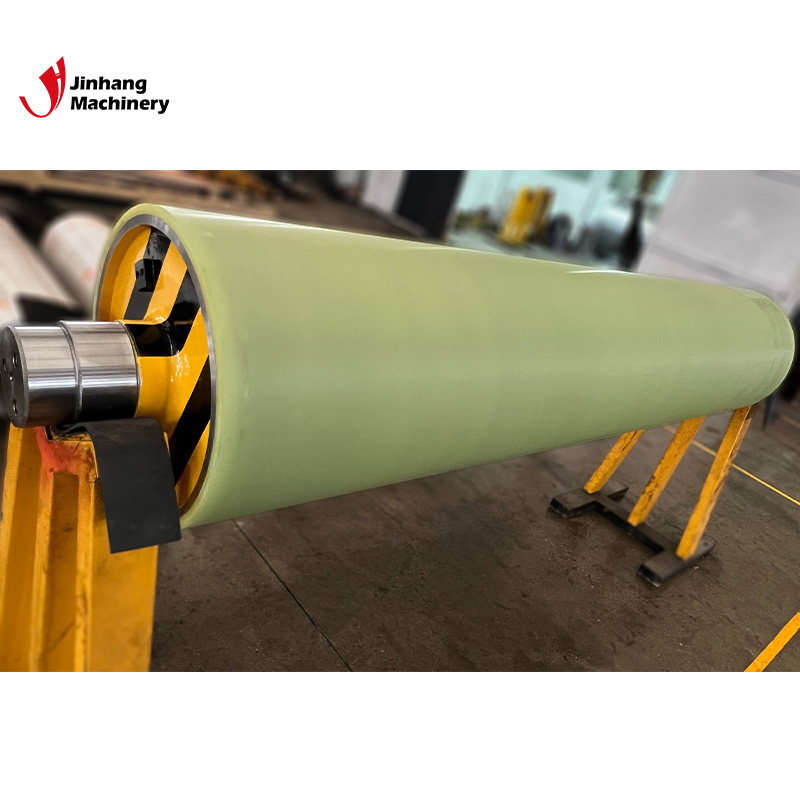
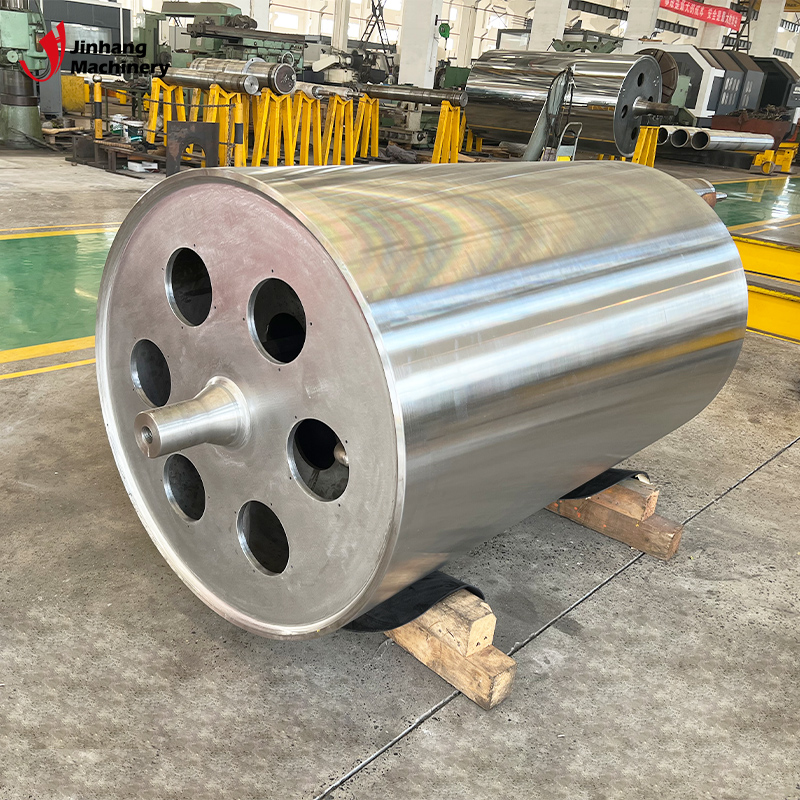
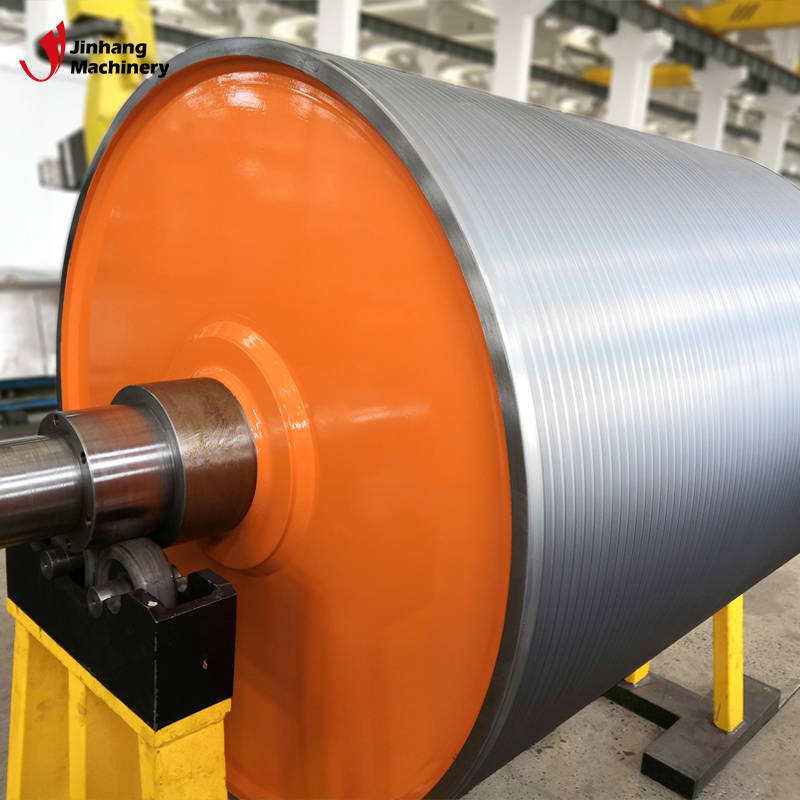
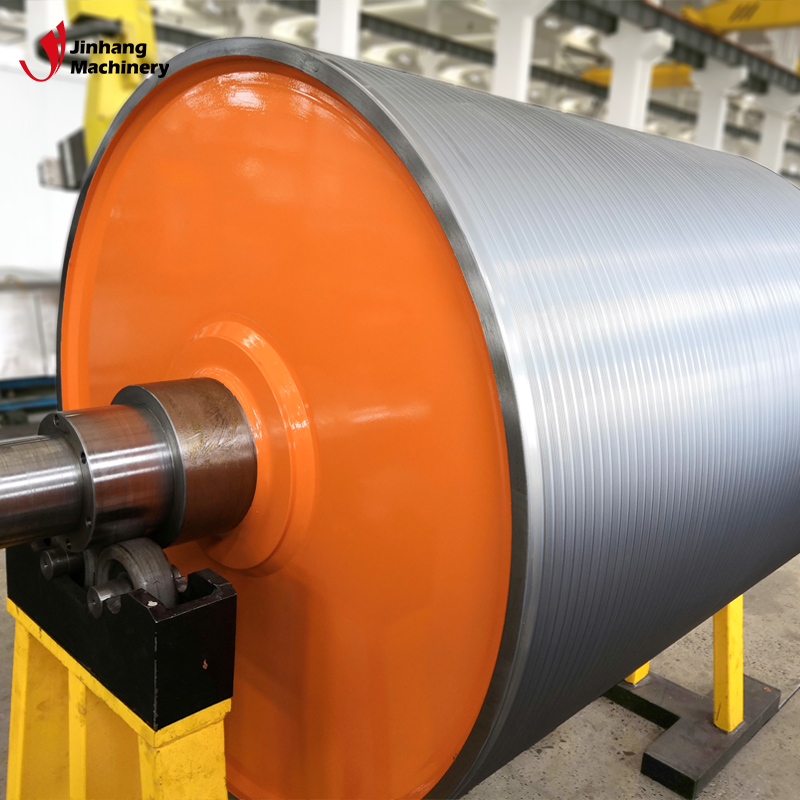
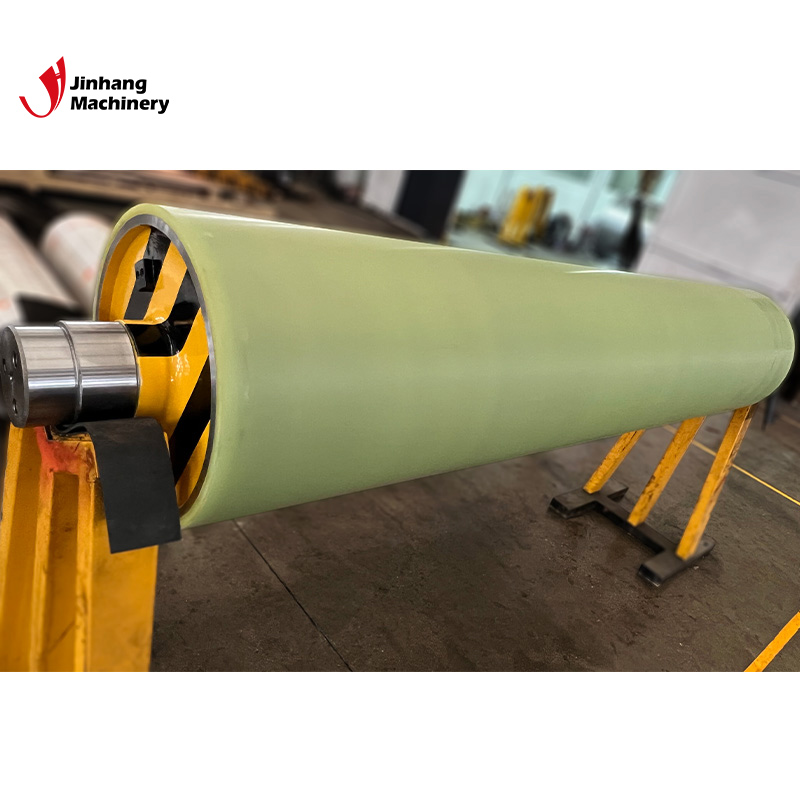
A rubber roller is a roller consisting of a metal core and a rubber outer layer. The metal core is usually made of steel or aluminum, providing the necessary structural support and strength. The functions: transmission and conveying, pressure and extrusion, printing and coating, guidance and support
● North American market: The price of corona rollers in the North American market is relatively high, generally between US$2,000 and US$5,000, mainly because the region has a large demand for high-quality products.
The production process in the metallurgical industry includes multiple links, each of which has different performance requirements for rollers. Tungsten carbide coating roller has been widely used in many key links such as hot rolling, cold rolling and annealing in the metallurgical industry.