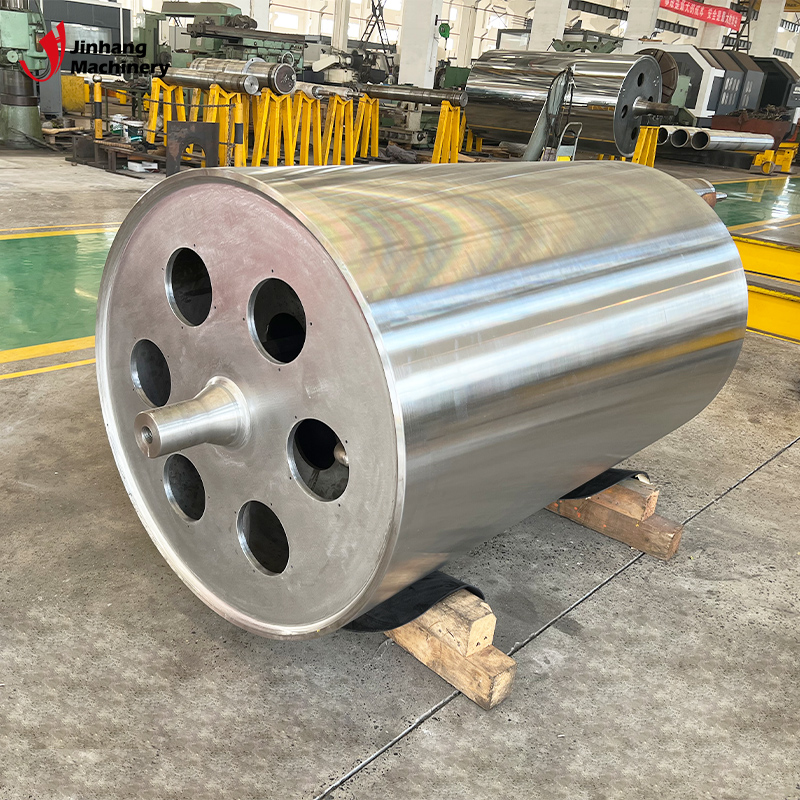
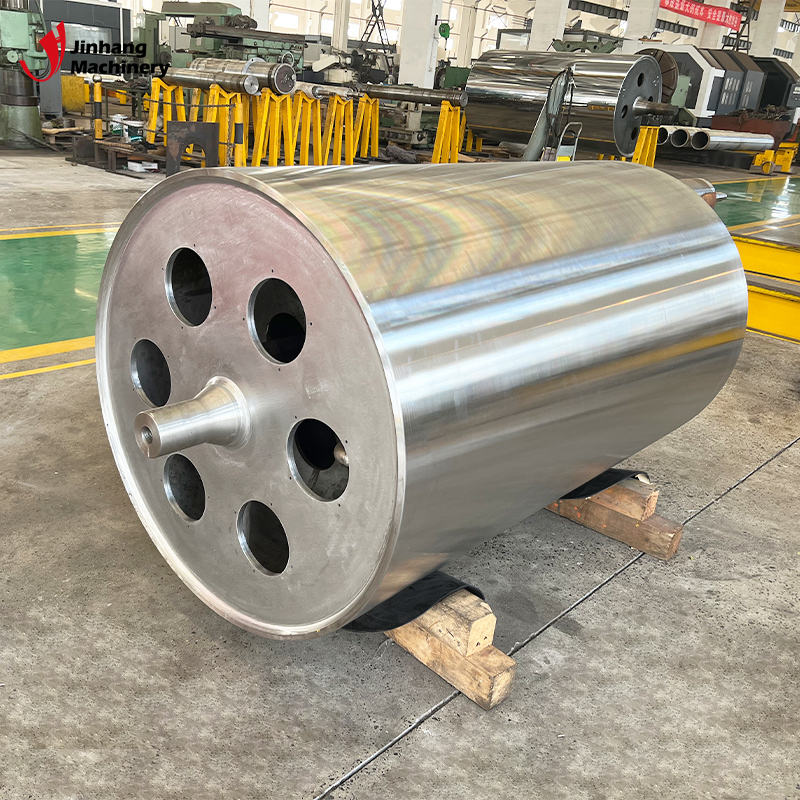
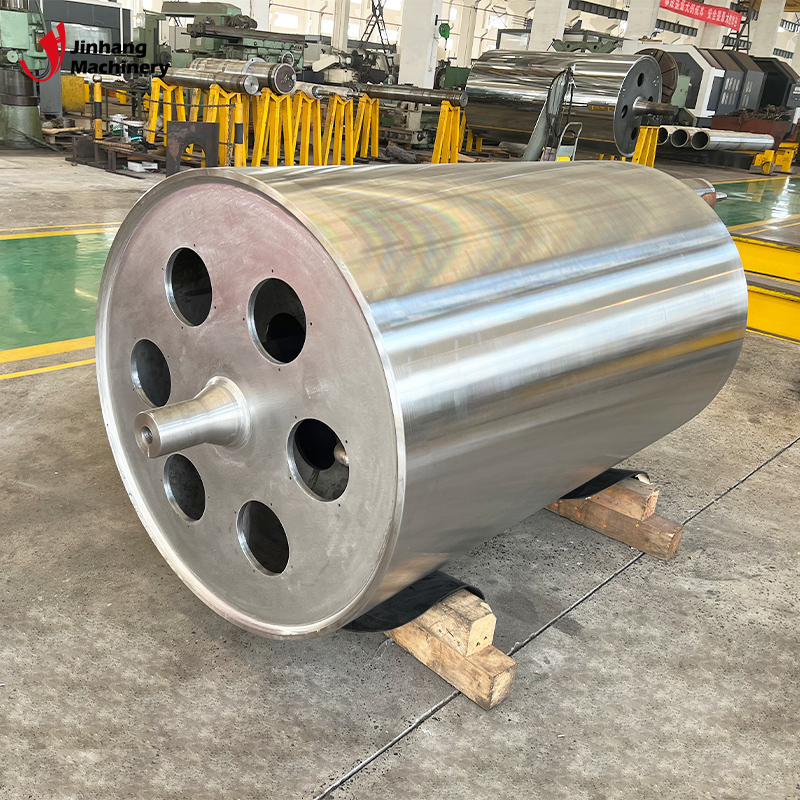
Thin-walled cooling rollers typically have internal channels for cooling water or other cooling media. An unreasonable channel design is one of the most common causes of uneven cooling.
The biggest Pro of nitrile rubber is its excellent oil resistance, especially to the following oily media:
• Mineral oil
• Lubricating oil
• Hydraulic oil
• Fuel oil (diesel, gasoline)
• Animal and vegetable oils
• Most hydrocarbon solvents
The Con is that they are not suitable for cold environments.
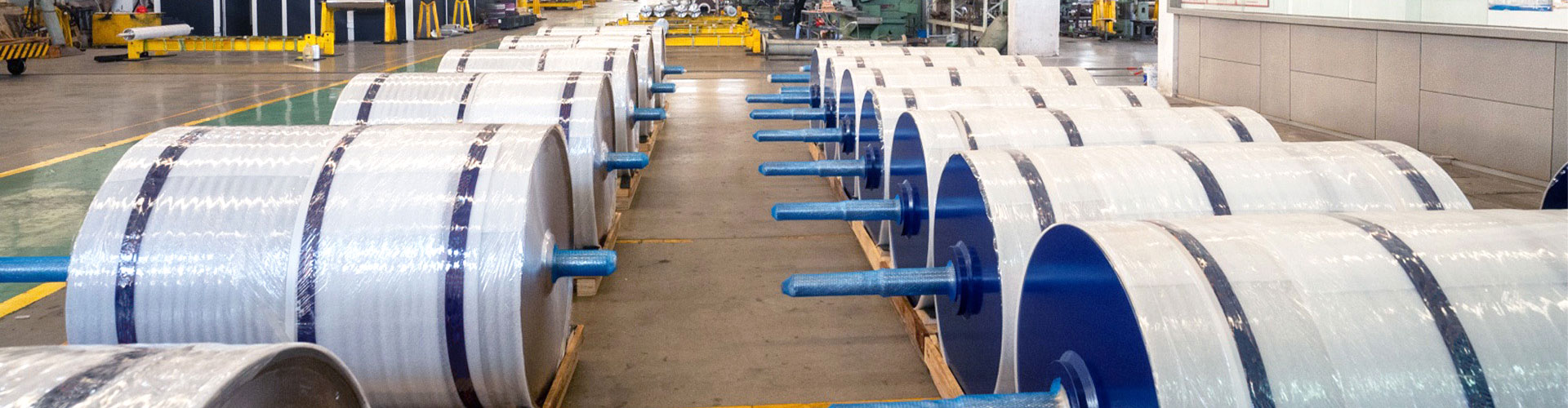
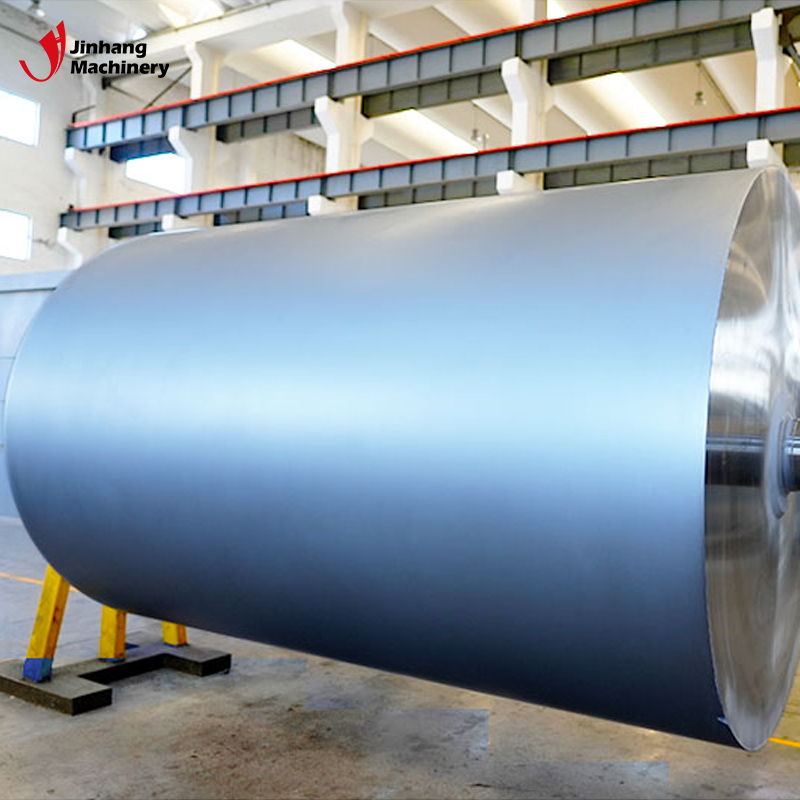
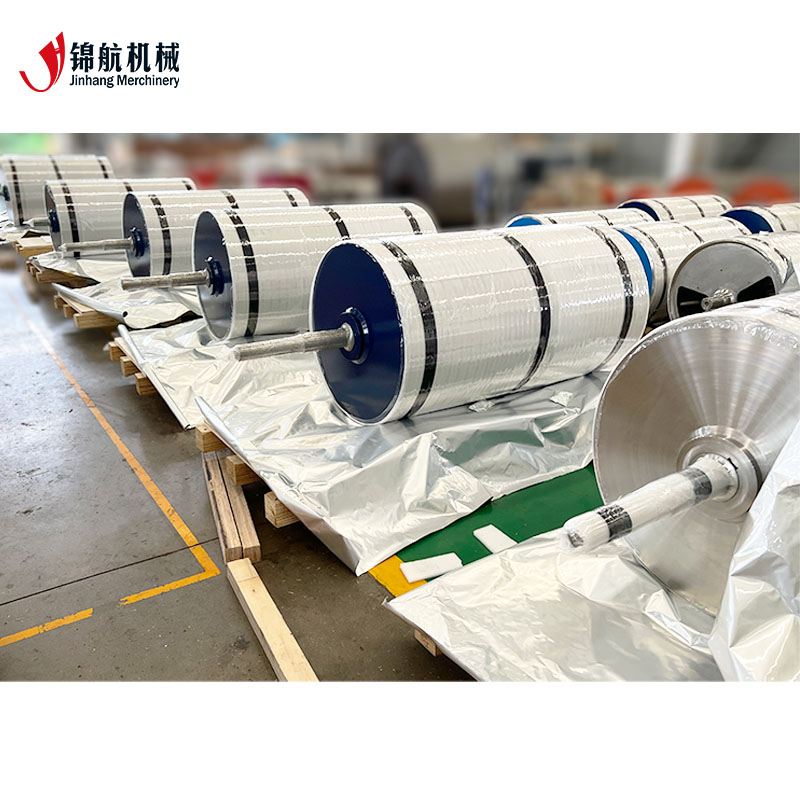
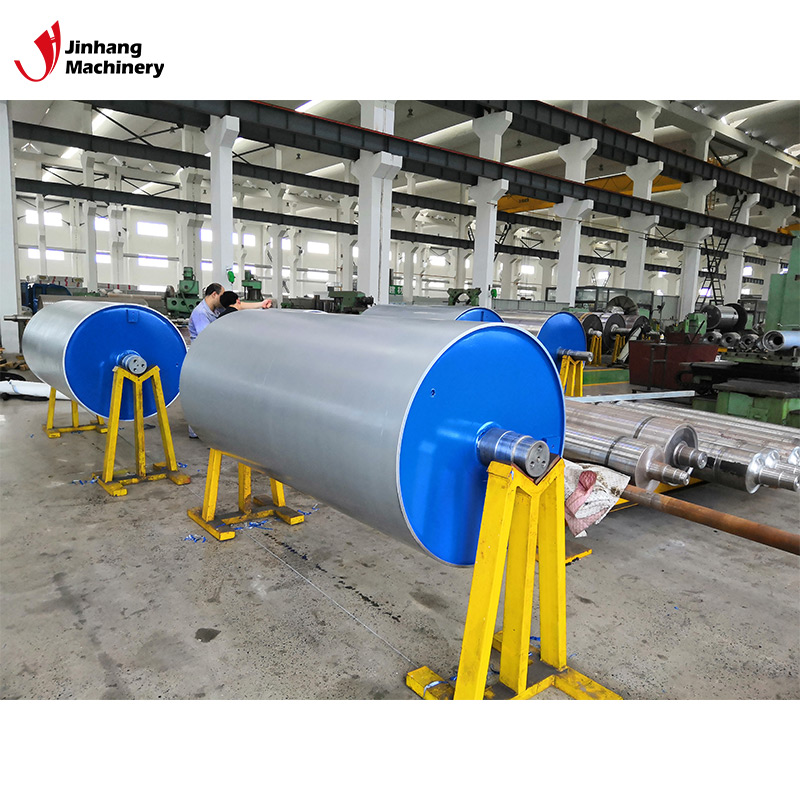
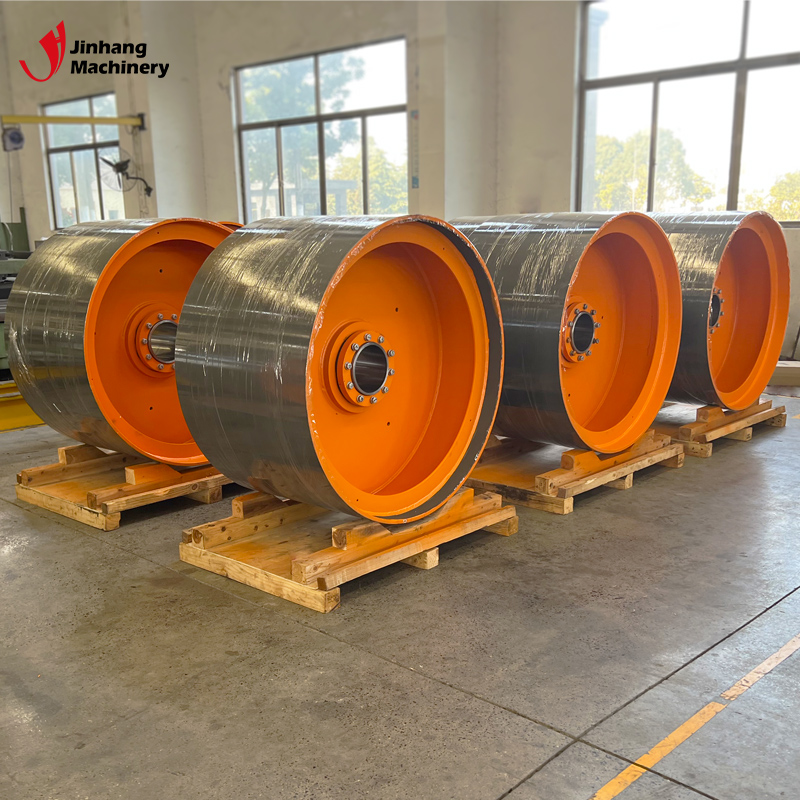
Industrial rollers in manufacturing undertake multiple core functions, including material conveying, guiding, tension control, surface treatment, heating or cooling, calendering, and correction and stabilization.
Different factories will combine different grit sizes based on the hardness of the mirror roller, the characteristics of the electroplating layer, and the required roughness. Typically, polishing starts at P600 and progresses upwards, ensuring each stage completely covers scratches from the previous grit.
• Relatively simple industrial rollers: Generally require 3–5 weeks
• Customized industrial rollers of moderate complexity: Typically require 5–8 weeks
• Industrial rollers with complex structures and high surface treatment requirements: Often require 8–12 weeks or longer
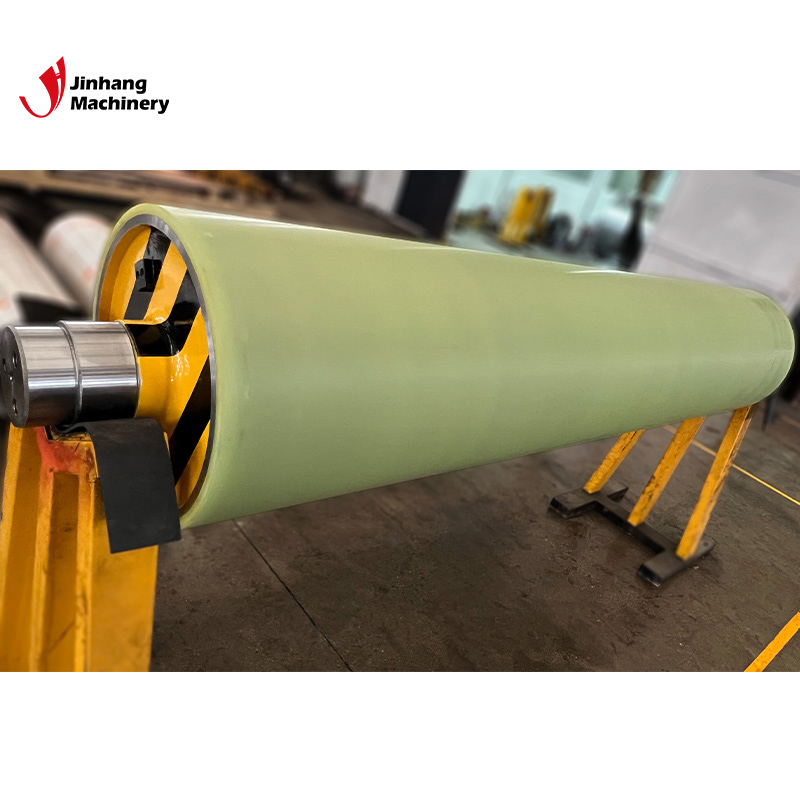
The rubber roller manufacturing process can be divided into the following stages:
1. Metal mandrel preparation (turning and cleaning)
2. Rubber formulation preparation and mixing
3. Rubber coating process (extrusion coating or calendering coating)
4. Vulcanization and curing (curing)
5. Precision grinding
6. Dynamic balancing
7. Surface treatment and final inspection
Insufficient dynamic balance accuracy of industrial mirror rollers will trigger a series of chain reactions; these problems are not just "possible," but "inevitable."
1. Generates periodic vibration
2. Destroys the surface finish of the mirror roller
3. Accelerates damage to bearings and transmission systems
4. Affects material surface quality
In the industrial field, the hardness of tungsten carbide coated rollers typically ranges from HV1100 to HV1600.
These hardness parameters are far higher than those of ordinary steel rollers (HRC 30–55 ≈ HV 300–550) and significantly higher than chrome-plated surfaces (HV 800–1000).
Nitrile butadiene rubber is non-toxic, and NBR rubber rollers are also non-toxic products.
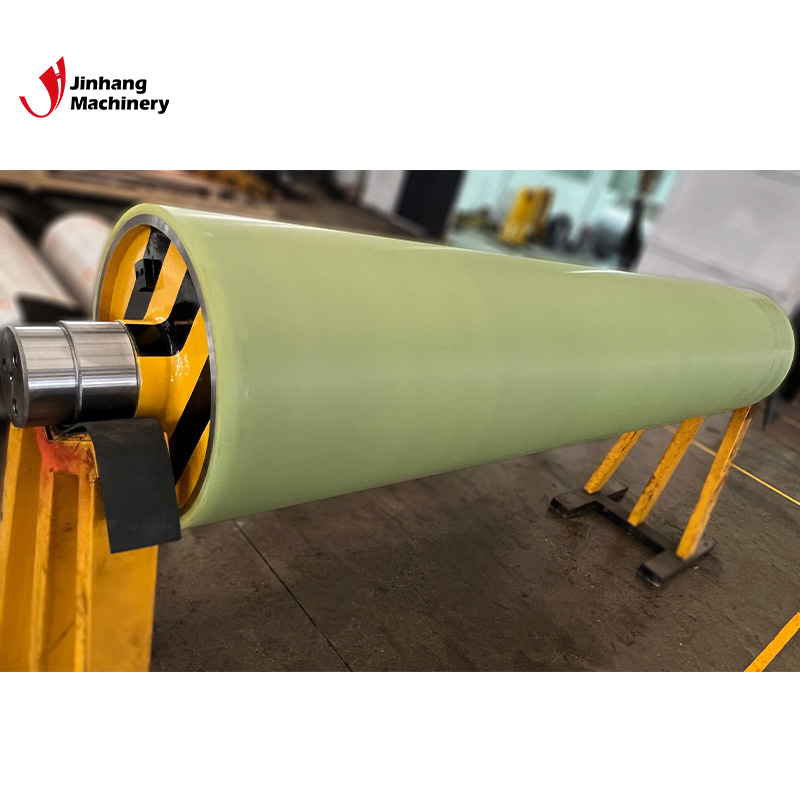
Nitrile butadiene rubber (NBR) is an industrial synthetic rubber material copolymerized from acrylonitrile and butadiene, possessing excellent oil resistance, abrasion resistance, and mechanical stability.
To maintain a stable and controllable surface temperature during the processing of different materials, mirror rollers are typically designed into two types:
• Heated Mirror Roller
• Water-Cooled Mirror Roller
Plastic films (such as PE, PP, PET, PA, PVC) are most sensitive to cooling roller temperature.
• PE/PP film cooling roller temperature: 20–40℃
• PET film cooling roller temperature: 10–25℃
• PA (Nylon) film cooling roller temperature: 15–30℃
• PVC film cooling roller temperature: 30–45℃
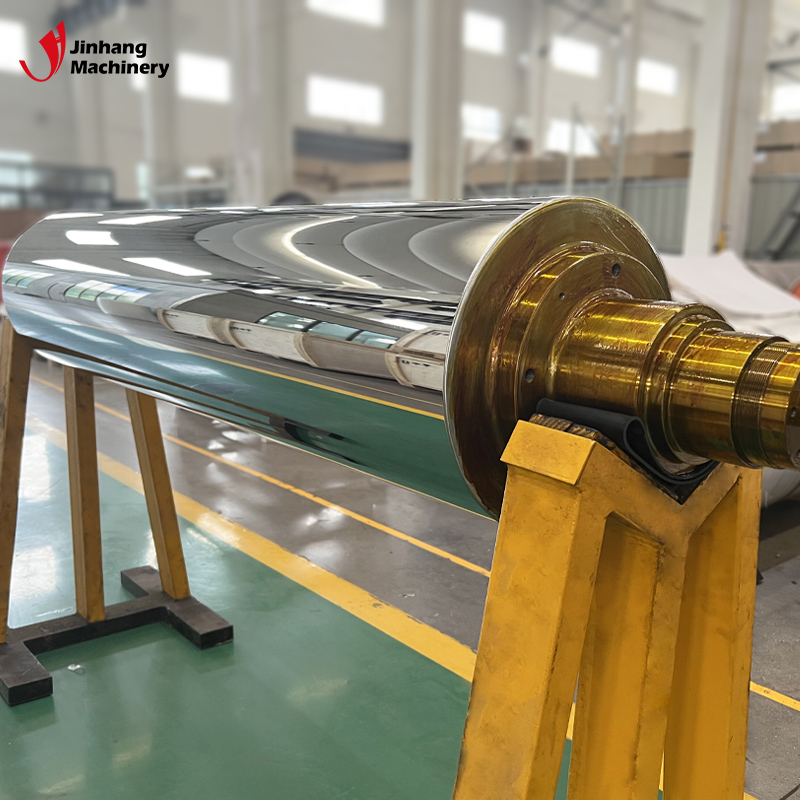
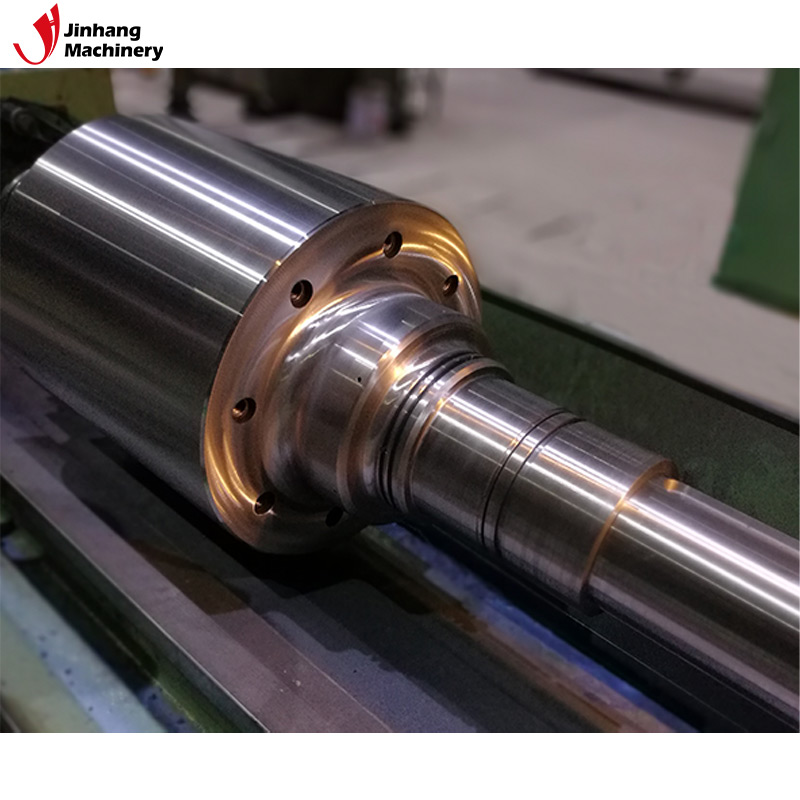
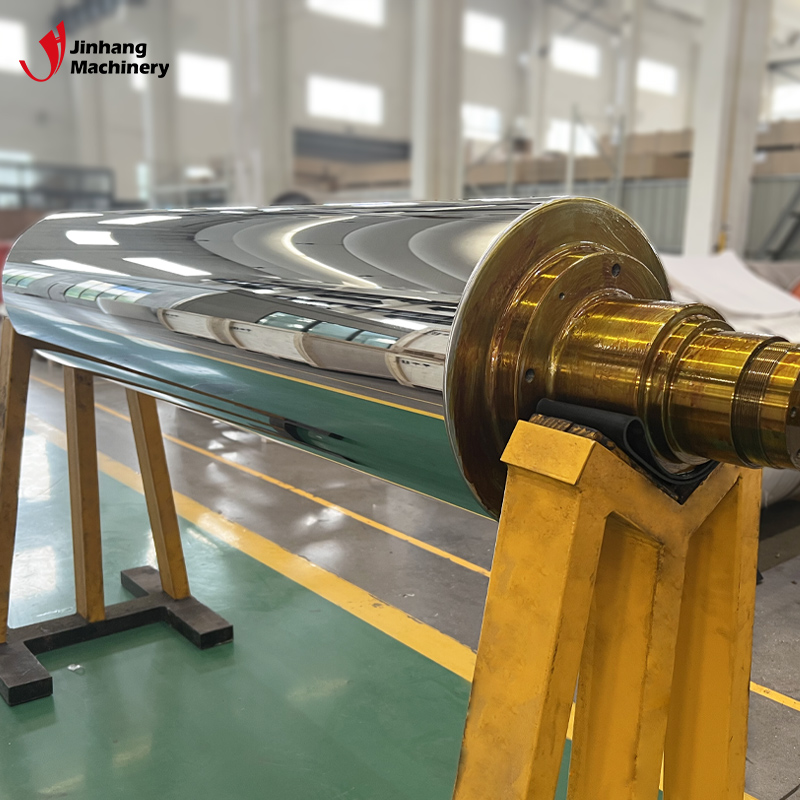
A mirror roller is an industrial roller that has undergone high-precision machining and polishing. Its surface has an extremely high degree of smoothness, typically reaching Ra0.01–0.02 μm or higher. Mirror rollers are used for pressing, traction, shaping, polishing, or optical-grade surface replication of materials.