
What is the lifespan of an industrial corona roller?
In industries such as plastic film, coating, lamination, extrusion, coating, and paper surface treatment, corona treatment systems have become a key technology for improving material surface tension and adhesion. As the core component of the corona discharge system, the corona roller directly determines the stability of the surface treatment, the uniformity of energy release, and the reliability of the production line.
Common questions surrounding production: What is the actual lifespan of an industrial corona roller? Why is there such a large difference in lifespan between corona rollers made of different materials? What factors can shorten the lifespan? And how can the service life of a corona roller be extended?
This article will provide an in-depth analysis from a professional perspective, covering multiple dimensions such as materials, operating environment, wear mechanisms, and maintenance points, offering you a truly practical reference for engineering applications.
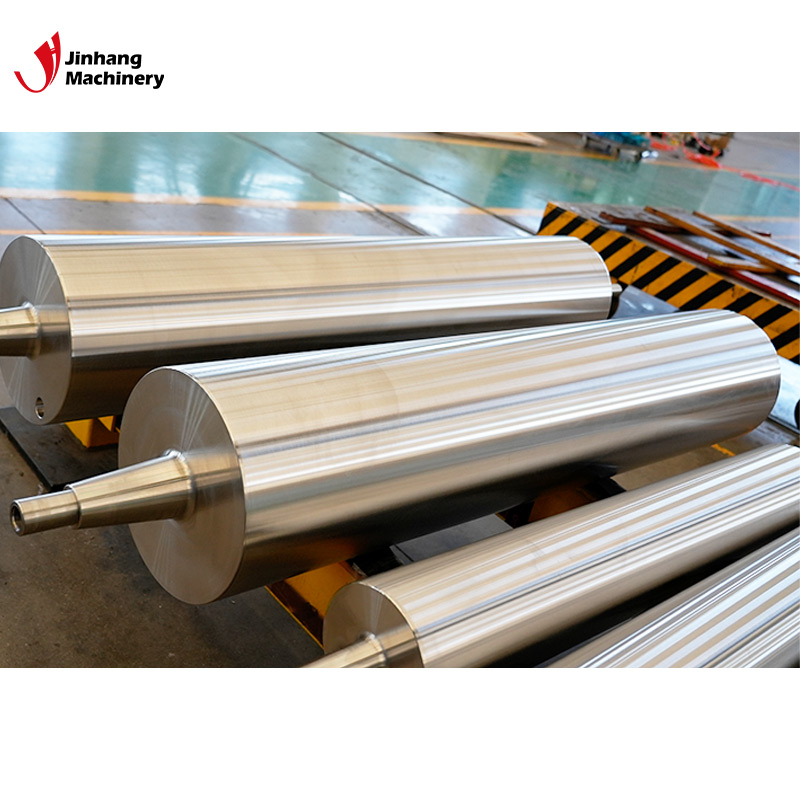
Why is the lifespan of a corona roller a matter of special concern?
The basic principle of corona treatment is as follows:
When material passes through the discharge area, the corona roller, acting as a conductive or semi-conductive support roller, is subjected to:
• Electrical energy impact from high-frequency, high-voltage discharge
• Prolonged arcing
• Heat accumulation
• Mechanical friction with the film or substrate
• Chemical corrosion from environmental humidity, temperature, solvent vapors, etc.
These factors directly affect the structural integrity of the corona roller and the quality of the surface coating.
Why is lifespan a key concern?
Reasons include:
1. Corona roller surface degradation directly reduces the corona treatment effect
Wear or aging of the roller surface leads to:
• Uneven corona discharge
• Inability to achieve the required surface tension
• Delamination or insufficient adhesion during coating, printing, and lamination.
The impact is direct and significant.
2. Corona rollers are consumables, but replacement frequency can significantly impact production costs
For example: Ceramic corona rollers are expensive, and the replacement cost is much higher than that of silicone rollers.
3. Poor roller surface quality can cause equipment malfunctions and even electrical discharge breakdown
This not only affects product quality but can also pose equipment risks.
Therefore, the lifespan of a corona roller is not only a cost issue but also relates to the stability of the entire process.
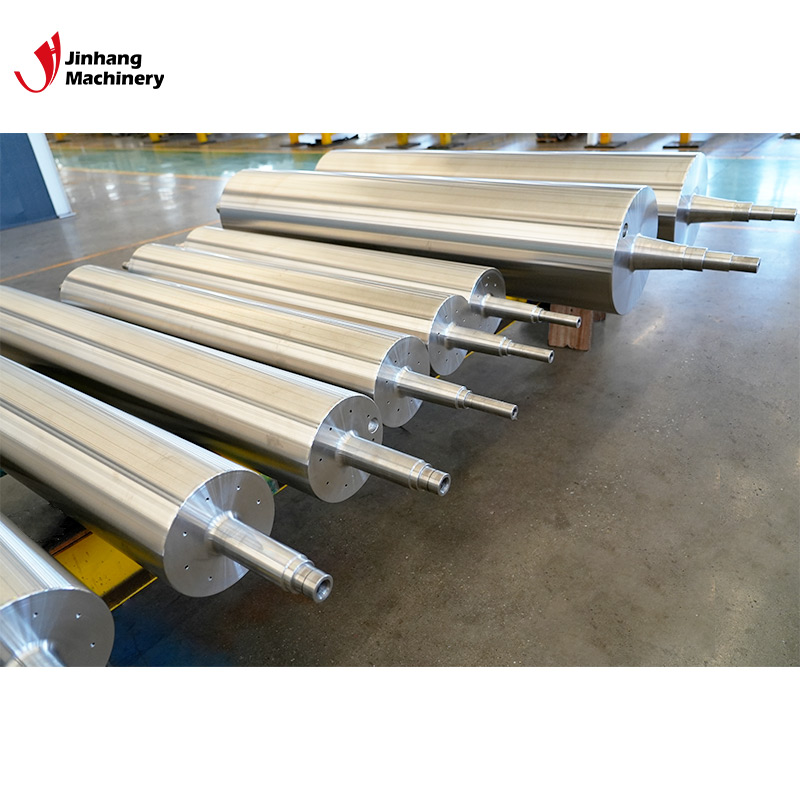
Why do corona rollers made of different materials have such different lifespans?
The lifespan of a corona roller depends on the heat resistance, arc resistance, corrosion resistance, and mechanical toughness of its surface coating/covering. Common corona roller materials used in the industry currently include:
• Silicone corona roller
• Epoxy-coated corona roller
• Ceramic corona roller
Different materials have vastly different performance characteristics, resulting in significantly different lifespans.
The following will provide a detailed explanation based on the structural characteristics and durability of each material.
Why does a silicone corona roller only last about six months?
Silicone corona rollers are the most common, lowest-cost, and quick-replacement type of corona roller in the industry.
Typical lifespan of a silicone corona roller: approximately six months
This aligns with the actual operating experience of most factories and is consistent with the material's properties.
Why do silicone rollers have a short lifespan?
Reasons include:
1. Silicone has relatively weak arc resistance
High-frequency, high-voltage discharge gradually causes the silicone surface to develop:
• Hardening
• Microcracks
• Micropits
• Surface powdering.
Once cracks increase, it leads to unstable corona discharge.
2. Silicone has limited temperature resistance
During corona treatment, local temperatures may rise to around 100°C. Prolonged heat accumulation accelerates silicone aging.
3. Susceptible to solvents and oil contaminants
Solvent-based coatings and ink vapors can corrode the silicone surface, further shortening its lifespan.
4. Significant mechanical friction wear
Long-term high-speed operation of the film will cause wear on the silicone surface, especially for harder films or those containing fillers.
The advantages of silicone corona rollers are:
• Low cost
• Quick replacement
• Short manufacturing cycle
• Suitable for most general corona treatment needs
Therefore, although its lifespan is shorter, it remains the preferred consumable corona roller for many production lines.
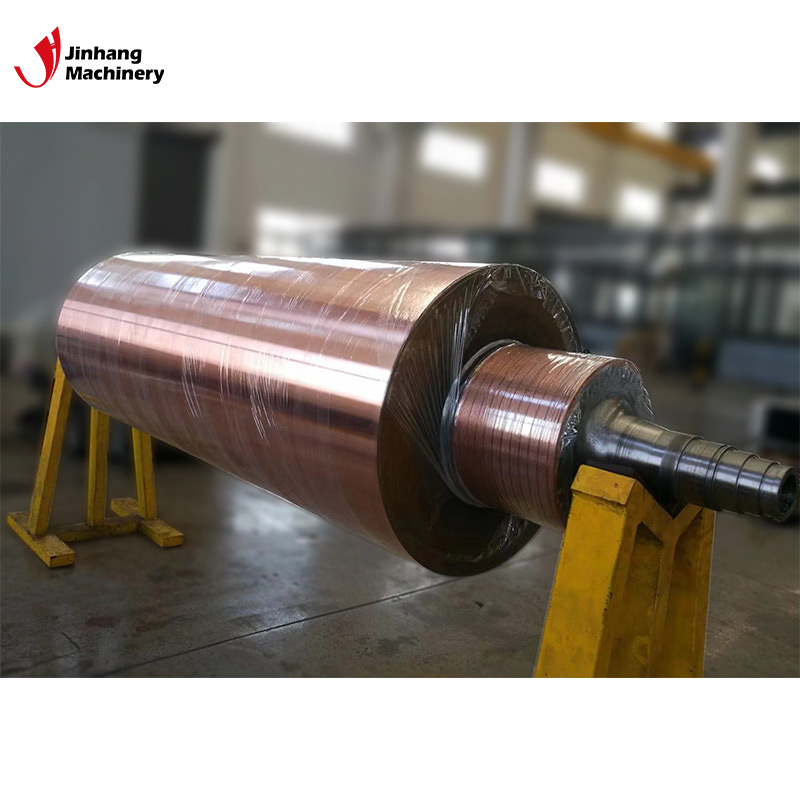
Why can epoxy-coated corona rollers last for a year?
Epoxy-coated corona rollers generally have a longer lifespan than silicone rollers, typically reaching:
Epoxy corona roller lifespan: Approximately one year
Lifespan is highly dependent on the usage environment, but the industry recognizes its durability as significantly higher than silicone-based rollers.
Reasons for the longer lifespan include:
1. Epoxy coating has higher hardness than silicone
Epoxy resin coatings have higher:
• Surface hardness
• Abrasion resistance
• Breakdown resistance
Reducing damage to the roller surface from arc etching.
2. Better temperature resistance of epoxy
During corona treatment, epoxy coatings are less prone to softening or powdering even when exposed to high temperatures for extended periods.
3. Stronger chemical stability
Epoxy coatings are less susceptible to corrosion from acidic substances, solvent vapors, and oil contaminants.
4. Better mechanical strength
Less frictional damage to the roller surface caused by high-speed film passage.
However, the lifespan of epoxy-coated corona rollers is affected by two key factors:
• Higher ambient temperature results in a shorter lifespan.
• Higher hardness coatings are more brittle and prone to cracking upon impact.
Therefore, although epoxy corona rollers can last about a year, they cannot completely replace higher-end materials.
Why can ceramic corona rollers last two years?
Ceramic corona rollers are considered the longest-lasting and most stable type of roller in high-end corona treatment systems.
Their average lifespan is:
Ceramic corona roller lifespan: Approximately two years
Even longer under good maintenance conditions.
Why do ceramic corona rollers have a longer lifespan?
1. Extremely high surface hardness of ceramics
Far exceeding that of silicone and epoxy, almost unaffected by film friction.
This hardness makes them less prone to:
• Scratches
• Etching
• Wear
• Localized dents
2. Extremely strong arc resistance of ceramics
Ceramics themselves are extremely stable in high-voltage discharge environments and will not be broken down or carbonized.
3. Strong High-Temperature Stability
Ceramics can withstand higher temperatures than silicone and epoxy, therefore, heat deposition does not lead to aging.
4. Extremely Strong Chemical Inertness
Even when exposed to environments containing solvents, acid and alkali vapors, or oil, they are not corroded.
However, ceramic corona rollers also have limitations:
• Highest cost
• Long manufacturing cycle
• Larger weight
• Cannot be repaired after breakage, must be replaced
Therefore, they are mostly used in high-end, long-cycle, large-area, continuous production lines.
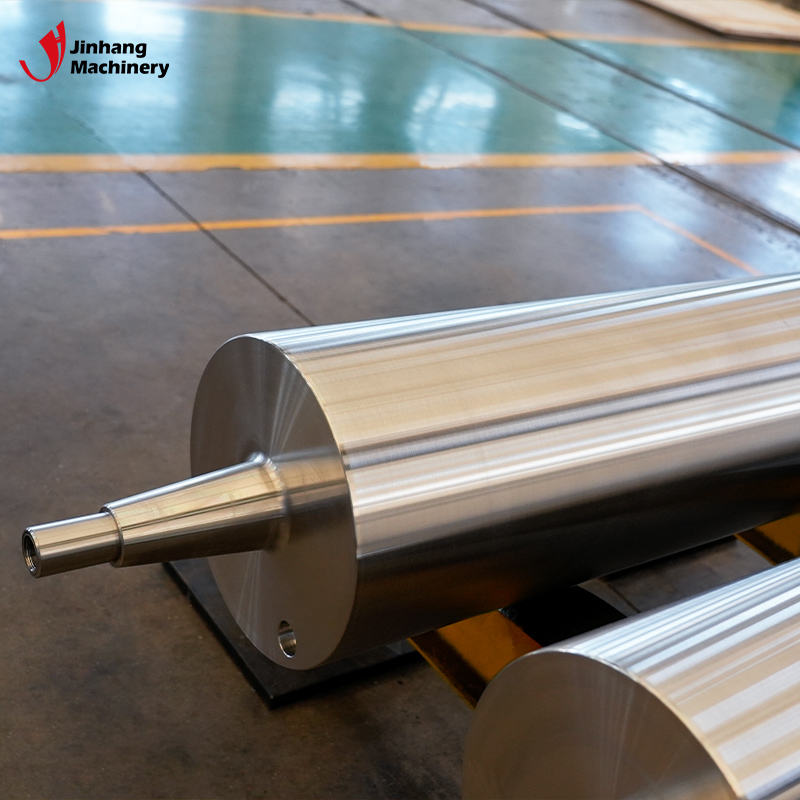
Does the lifespan of a corona roller depend entirely on the material?
The answer is: the material determines the upper limit, but the actual lifespan is also affected by many factors.
The following environmental factors significantly affect the lifespan of a corona roller:
1. Operating Voltage and Frequency
The higher the voltage, the greater the risk of breakdown.
2. Production Speed and Thin Film Type
High-speed friction + hard thin film accelerates wear.
3. Ambient Temperature and Humidity
High humidity interferes with discharge; high temperature accelerates aging.
4. Discharge Uniformity and Equipment Calibration
Uneven discharge will create localized hot spots.
5. Regular Cleaning and Maintenance
Dust, oil, and particles will shorten the roller's lifespan.
Therefore, "material lifespan" is only a theoretical value; the actual lifespan depends on operating conditions.
How to Determine if a Corona Roller Has Reached Its Replacement Cycle?
Whether it's a silicone, epoxy, or ceramic corona roller, its lifespan can be determined by certain characteristics, including:
• Surface cracks
• Wear grooves
• Uneven discharge
• Decreased material surface tension
• Significant change in roller surface hardness
• Carbonized areas on the surface
• Abnormally high temperatures in the discharge area
If any of the above conditions occur, even if the theoretical lifespan has not yet expired, the corona roller should be replaced promptly.