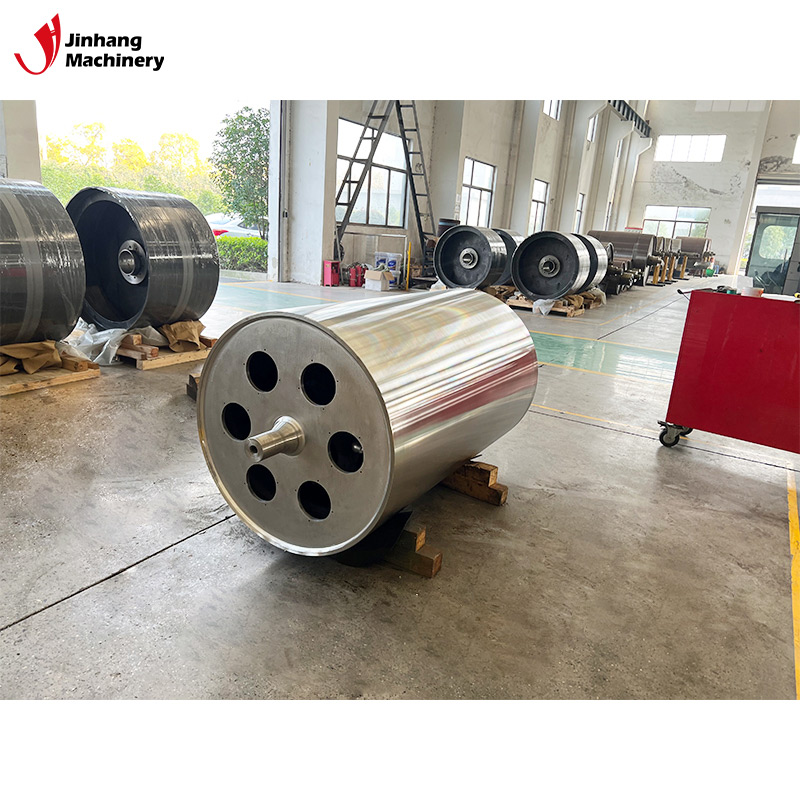
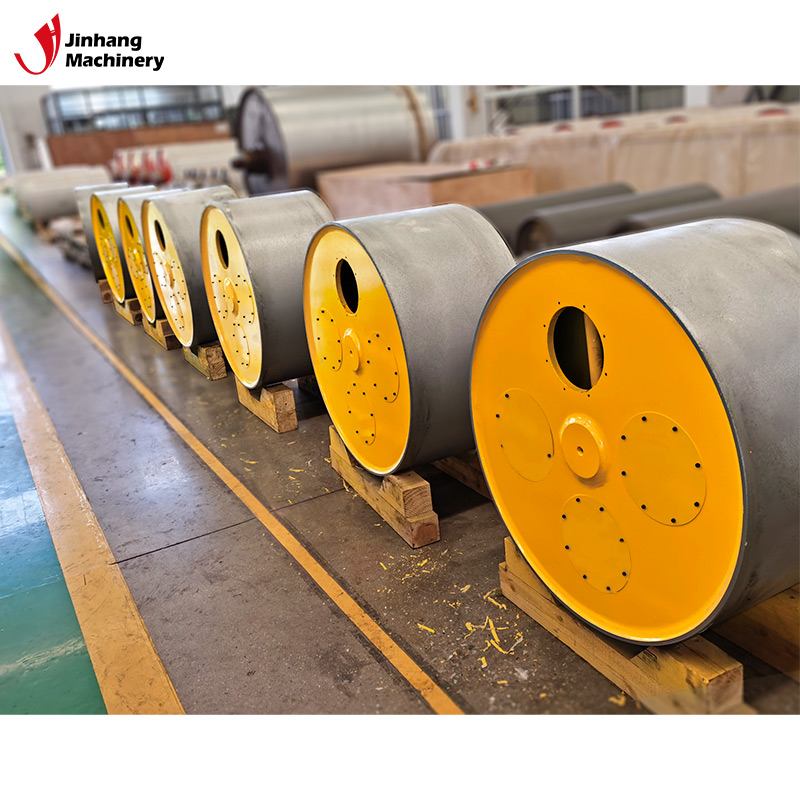
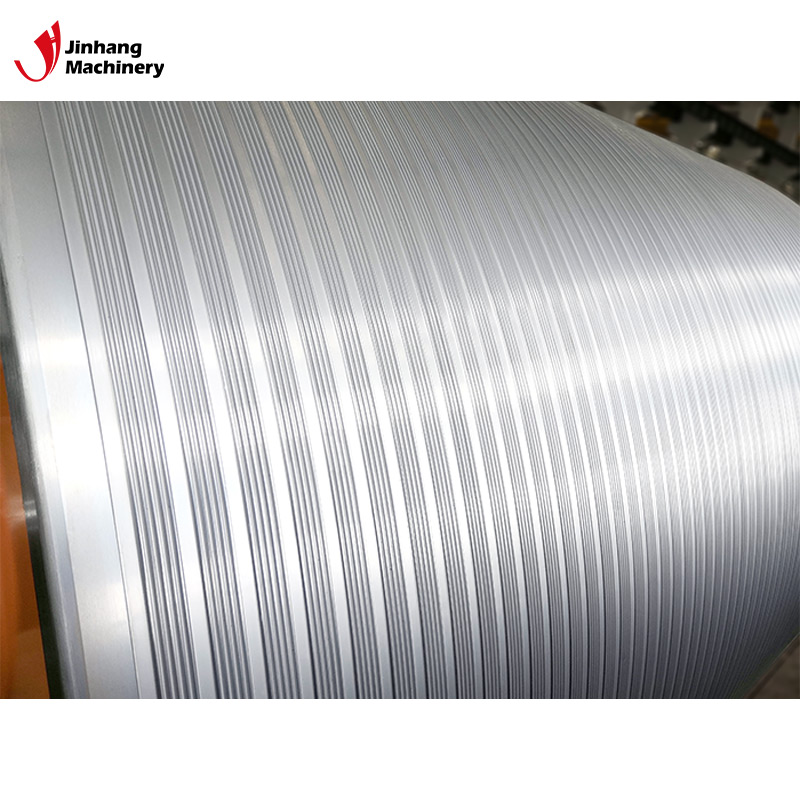
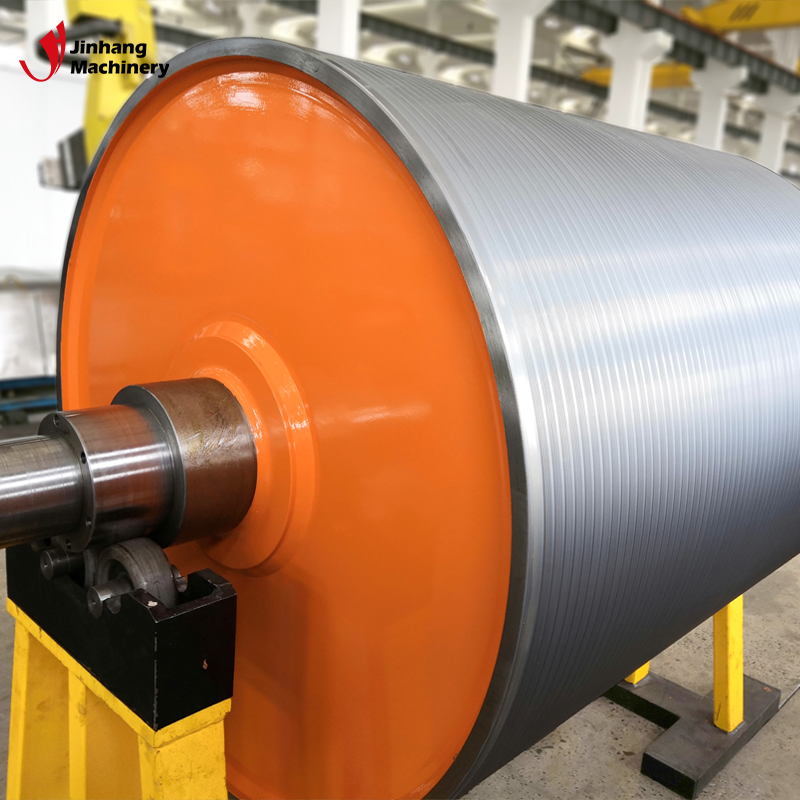
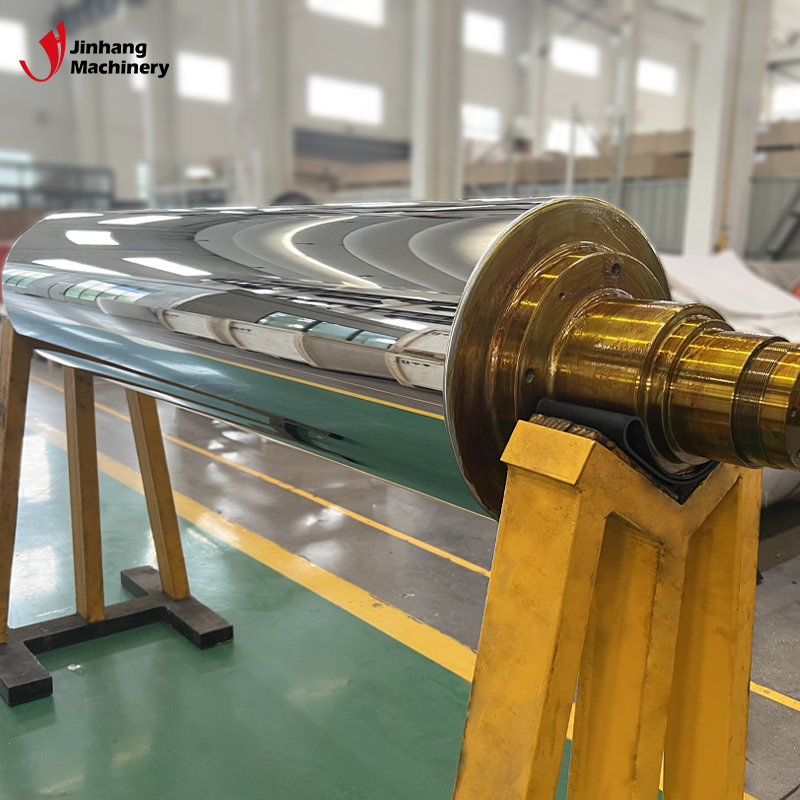
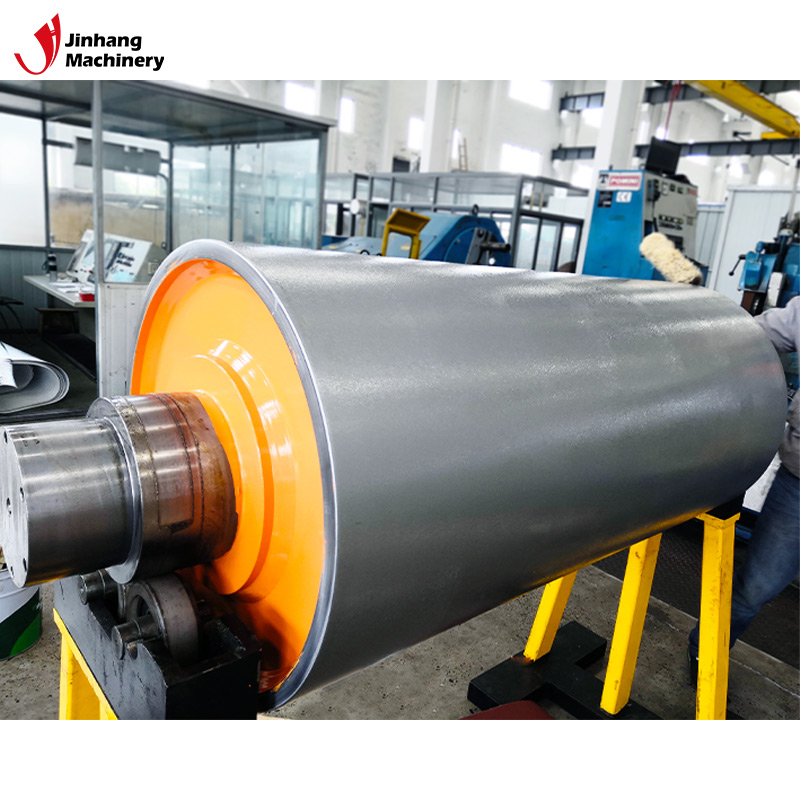
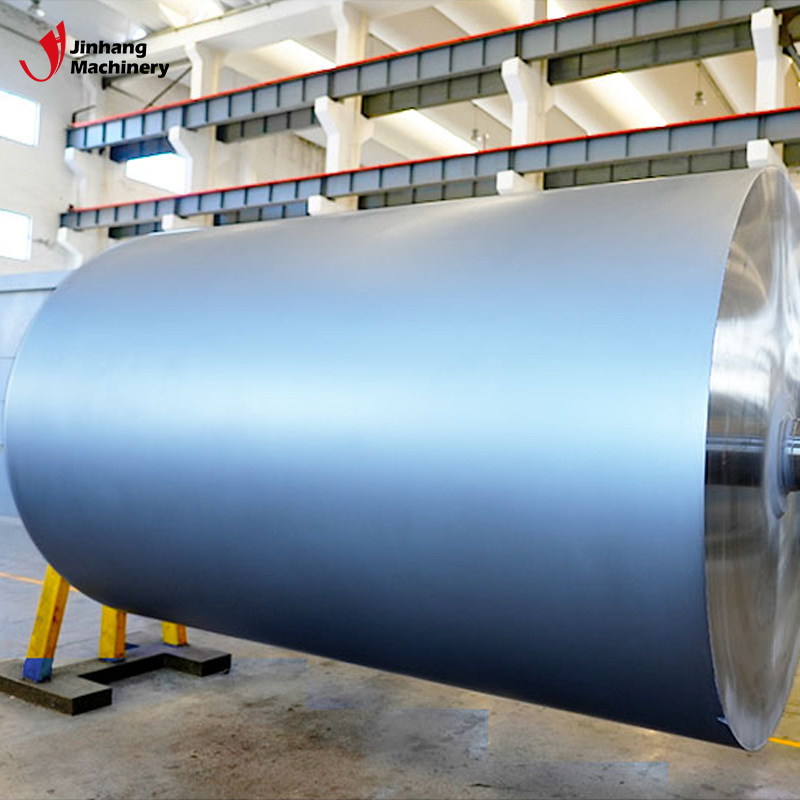
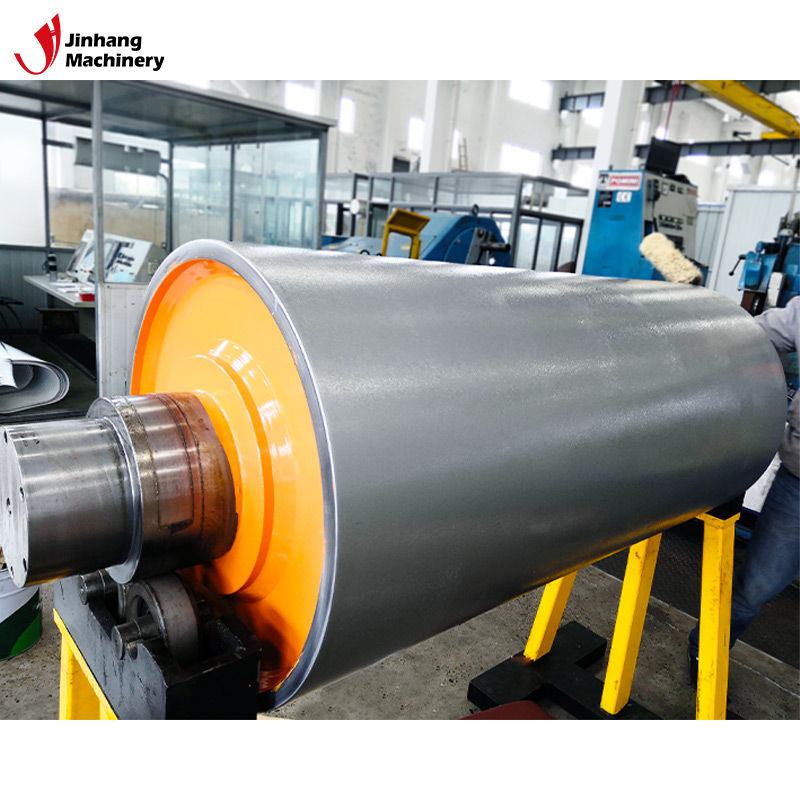
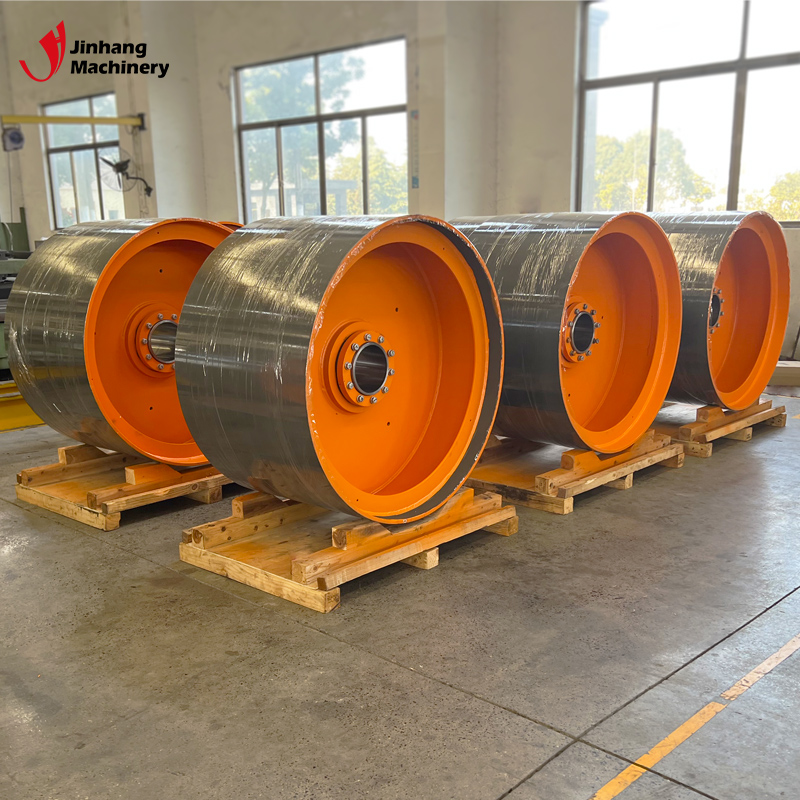
The working principle of industrial cooling rollers is mainly to transfer heat from the processed material to the surface of the industrial cooling roller, and further to the internal cooling medium, such as water or coolant. The whole process follows the principles of heat transfer by conduction and convection to maintain the appropriate temperature of the processed material.
Gas adsorption method is a commonly used method for detecting the porosity of ceramic anilox rollers, especially for porosity analysis of porous materials. By measuring the amount of gas (such as nitrogen) adsorbed on the surface of ceramic anilox roller, its porosity can be calculated.
The "efficient cavity structure" of the ceramic anilox roller refers to the design of the roller surface mesh and the special design of the pore structure. By optimizing the shape, arrangement and distribution of the mesh, the ink transfer efficiency can be greatly improved, and unnecessary ink waste can be reduced.
For chrome plated rollers for general industrial use, the thickness of the chrome plating layer is usually required to be between 20-50 microns. This thickness is sufficient to provide good wear resistance and corrosion resistance and is suitable for most conventional processes.
Stainless steel has become the preferred substrate for many high-end industrial rollers due to its excellent corrosion resistance and good mechanical properties. The main alloying element in stainless steel is chromium, which generally ranges from 10.5% to 30%, which makes stainless steel have excellent oxidation resistance and corrosion resistance.
Combining the characteristics of tungsten carbide and the working principle of metal detectors, we can draw some preliminary conclusions. Although tungsten carbide is a metal compound, due to its poor conductivity and non-magnetic properties, metal detectors have limited ability to detect tungsten carbide coatings.
Polishing is the most common method for repairing scratches on the surface of industrial mirror rollers. By using high-precision polishing machines and polishing materials (such as aluminum oxide, corundum, etc.), scratches on the surface of the roller can be removed to restore the smooth mirror effect.
In terms of performance, industrial polyurethane rollers surpass traditional rubber rollers in many aspects, especially in terms of wear resistance, high temperature resistance, pressure resistance and chemical corrosion resistance.
There are various types of coating materials for ceramic anilox rollers. Common coating materials include bauxite ceramics, aluminum oxide (Al2O3), silicon nitride (Si3N4) and composite ceramic coatings. Each coating material has different properties and characteristics and is suitable for different industrial needs.
The surface treatment process of industrial water-quenched rollers is an important aspect to improve their corrosion resistance. Even highly corrosion-resistant alloys or stainless steel materials are still prone to corrosion in some harsh environments, so surface treatment is needed to enhance their corrosion resistance.
The hardness of rubber rollers is usually measured by Shore A durometer, and the hardness ranges from 30 to 85 Shore A. However, depending on the needs of the specific application, the hardness of rubber rollers can be as low as 15 Shore A or as high as 90 Shore A or above.
One of the main functions of tungsten carbide coated rollers is to provide wear protection for the substrate. The coating itself will not rust, but once the coating is damaged by external forces or chemical reactions, the metal substrate underneath will be exposed to the air, and the risk of rust will increase.