News

  • What Does Jinhang Machinery Do? - Rollers Manufacturer
    08
    2025-12
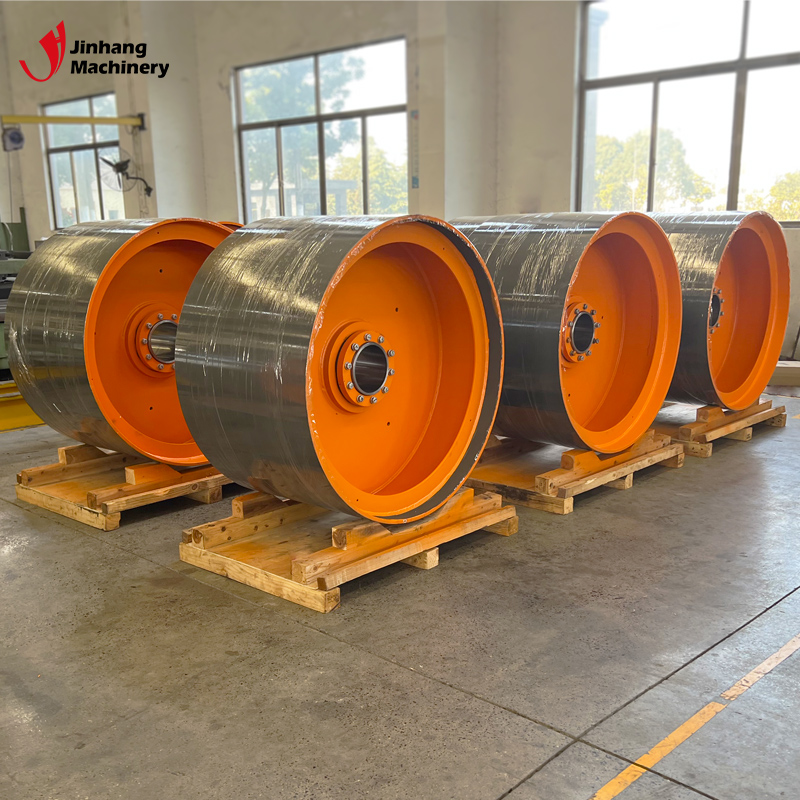
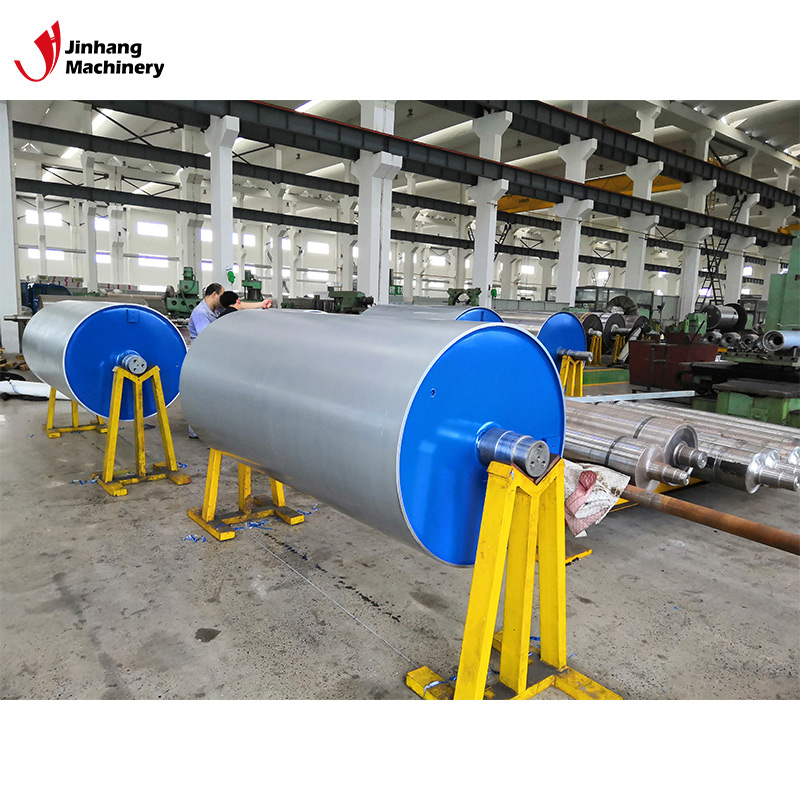
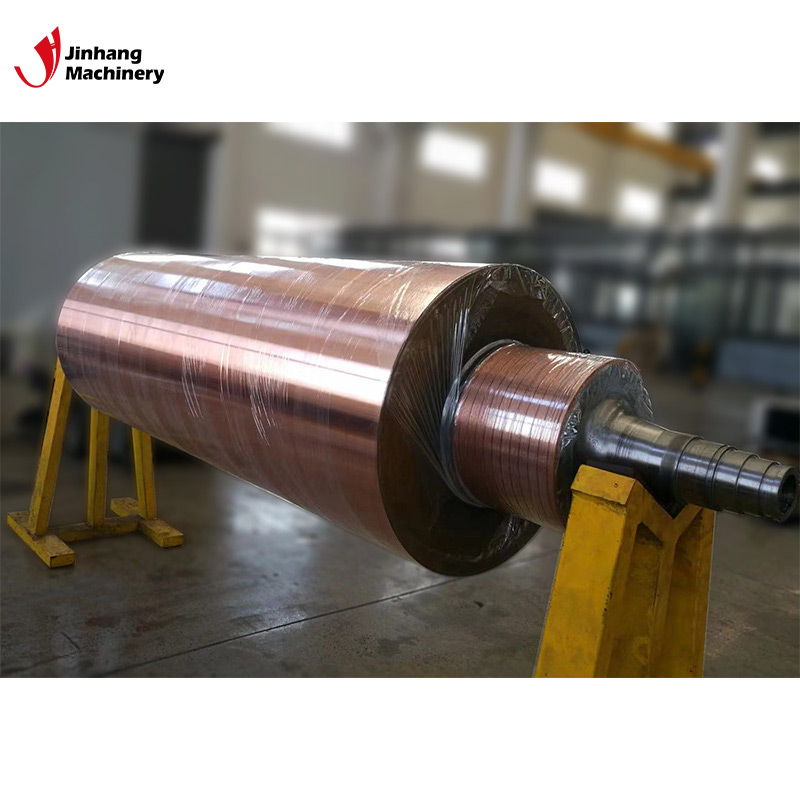
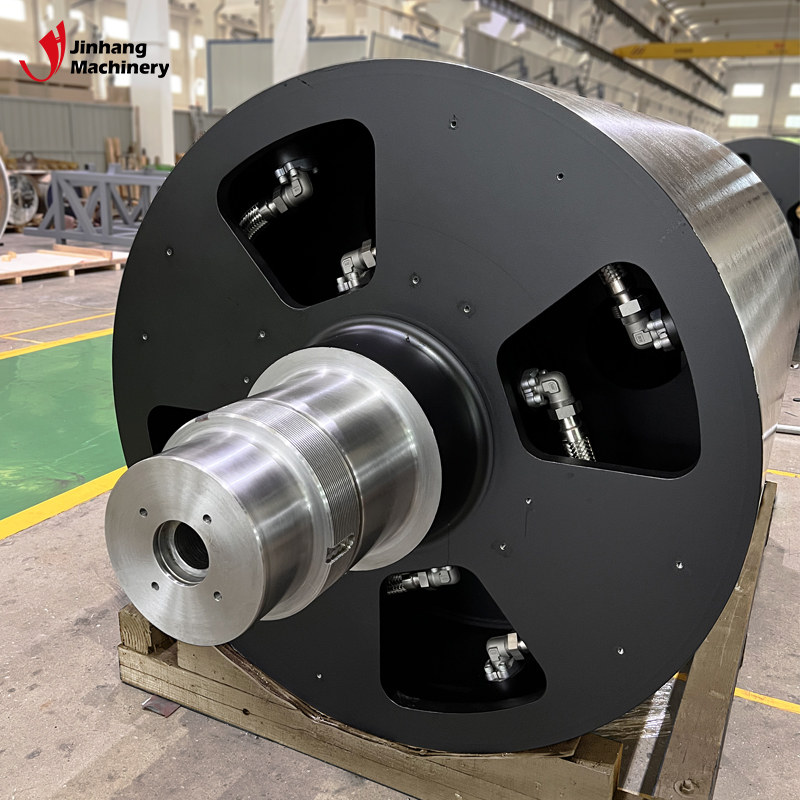
    Jinhang Machinery is a high-quality industrial roller manufacturer from China, specializing in the research, development, processing, and customization of various industrial rollers. It can perform in-depth design and precision manufacturing based on customer drawings, operating conditions, and equipment parameters.
  • What‍‌‍‍‌ are the pros and cons of industrial chrome-plated rollers?
    22
    2026-07
    It is a fact that Industrial Chrome-plated Roller’s main advantage is high surface hardness, very good wear resistance, high gloss, high precision, and excellent economic viability. In many standard industrial production lines, such performance is sufficient to cover the main concerns of most manufacturers.
  • What Are the Advantages of Industrial EPDM Rubber Rollers?
    21
    2026-07
    Compared to ordinary rubber materials, the biggest advantage of industrial EPDM rubber rollers lies in their ability to withstand the effects of complex environments over long periods, such as high temperatures, ozone, ultraviolet radiation, water vapor, and various acidic and alkaline media.
  • How Long Does the Tungsten Carbide Coating on Industrial Rollers Last?
    20
    2026-07
    Under normal operating conditions and proper maintenance, industrial tungsten carbide coated rollers can typically be used continuously for 5 to 10 years or more. On some production lines with less wear and better maintenance, their actual service life can even reach 12 to 15 years.
  • Can the coating of an EPDM rubber roller be repaired? How is it done?
    17
    2026-07
    Not all damaged EPDM rubber rollers are worth repairing. Generally speaking, repairable damage is primarily limited to the surface layer, whereas irreparable cases often involve structural failure.
  • How do industrial water-cooled mirror rollers help with material shaping?
    16
    2026-07
    Many people believe that industrial water-cooled mirror rollers only reduce temperature, but this is only one of their functions. From a materials science perspective, industrial water-cooled mirror rollers truly achieve shaping through the combined effects of four processes: heat exchange, structural stabilization, dimensional control, and surface replication.
  • What type of oil is used in industrial oil-guided heating rollers?
    15
    2026-07
    Industrial oil-conducting heating rollers use specialized heat transfer oil, also known as heat conduction oil or heat transfer medium oil. These types of oils are not designed for lubrication, but rather for efficient, safe, and stable heat transfer.
  • Are Industrial Thin-Wall Rollers Suitable for High-Speed Operations?
    14
    2026-07
    Many people, upon seeing the term "thin-walled," immediately associate it with insufficient strength. However, in reality, factors affecting the stable operation of equipment at high speeds go far beyond static strength; dynamic performance is often more crucial, and industrial thin-walled rollers offer significant advantages in this regard.
  • At which stage are industrial cooling rollers installed?
    13
    2026-07
    For most film production equipment, industrial cooling rollers are not installed at the end of the line; instead, they occupy a vital position at the very beginning of the process flow. A typical cast film production process includes: raw material conveying → extrusion and plasticization → melt filtration → T-die → industrial cooling roller → haul-off system → corona treatment → slitting and winding.
  • Industrial Tungsten Carbide Coated vs. Chrome-Plated Rollers: How to Choose?
    10
    2026-07
    Ask yourself four questions: 1.Is the wear severe? 2.Do you frequently experience downtime due to roller wear? 3.Is the operating temperature high? 4.Are the losses from downtime significant? If the answer to three or more of these questions is "Yes," tungsten carbide coated rollers are usually the better choice.
  • Why Do Industrial Mirror-Finish Rollers Develop Scratches?
    09
    2026-07
    In actual industrial settings, the leading cause of scratches on mirror-finish rollers is rarely a defect in the roller's manufacturing quality; rather, it is the intrusion of foreign particles into the contact zone between the roller surface and the material.
  • Nitrile Rubber Rollers vs. Fluoroelastomer Rollers: What Are the Differences?
    08
    2026-07
    When comparing nitrile rubber rollers and fluoroelastomer rollers, the most critical distinction is their temperature resistance. Nitrile rubber rollers typically operate within a temperature range of -20°C to 100°C, whereas fluoroelastomer rollers can withstand long-term operating temperatures of 200°C to 250°C.

40px

80px

80px

80px

Get the latest price? We will reply as soon as possible (within 12 hours)

40px

40px

40px

40px