News

  • How do you verify if a tungsten carbide coated roller meets quality standards?
    17
    2026-06
    Target hardness range for tungsten carbide coated rollers: •HV1100–HV1500 is considered the acceptable range •If hardness is too low (e.g., below HV900), it indicates insufficient coating density or abnormal spraying parameters •Excessive hardness accompanied by increased brittleness is also considered a failure
  • Why must industrial mirror rollers be heated to a uniform temperature?
    16
    2026-06
    Once the thermal balance of an industrial mirror-finish roller is disrupted, the roller body undergoes: •Differential thermal expansion •Deformation of surface micro-topography •Uneven heat transfer •Variations in local cooling rates This directly compromises the product's flatness and transparency.
  • What Is the Optimal Coating Thickness for EPDM Rubber Rollers?
    15
    2026-06
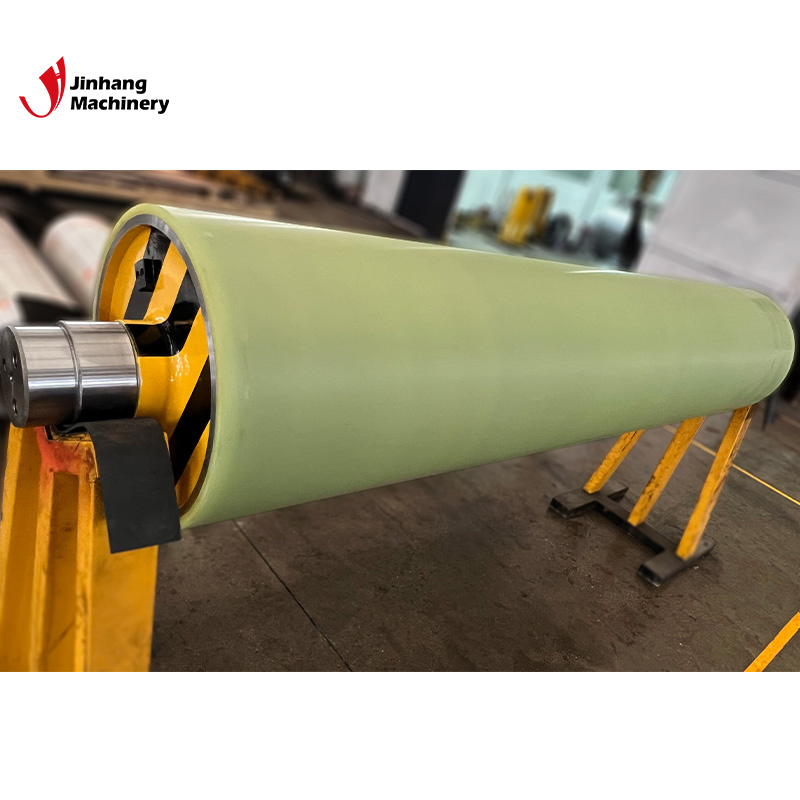
    The typical coating thickness range for EPDM rubber rolls is 3mm to 25mm. While most industrial applications can find a suitable thickness within this range, this does not mean a single, uniform value applies to all rolls.
  • Do Stainless Steel Industrial Heating Rollers Turn Black After Heating?
    12
    2026-06
    Different temperatures result in varying oxide film thicknesses: If a stainless steel heating roller operates continuously within a temperature range exceeding 450°C, the appearance of blackening is considered a normal oxidation phenomenon.
  • What Are Tungsten Carbide Industrial Rollers?
    11
    2026-06
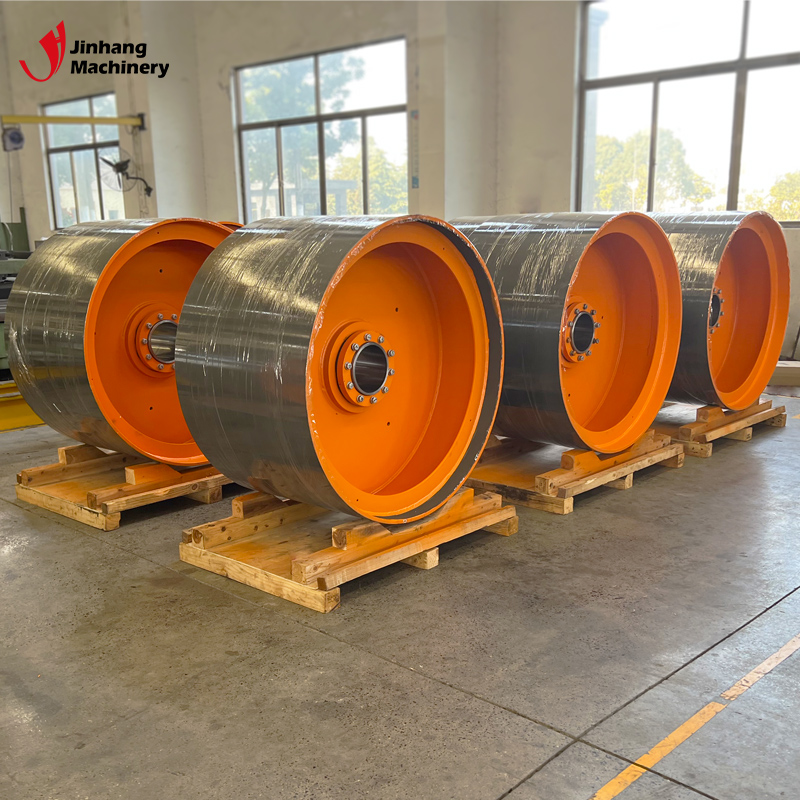
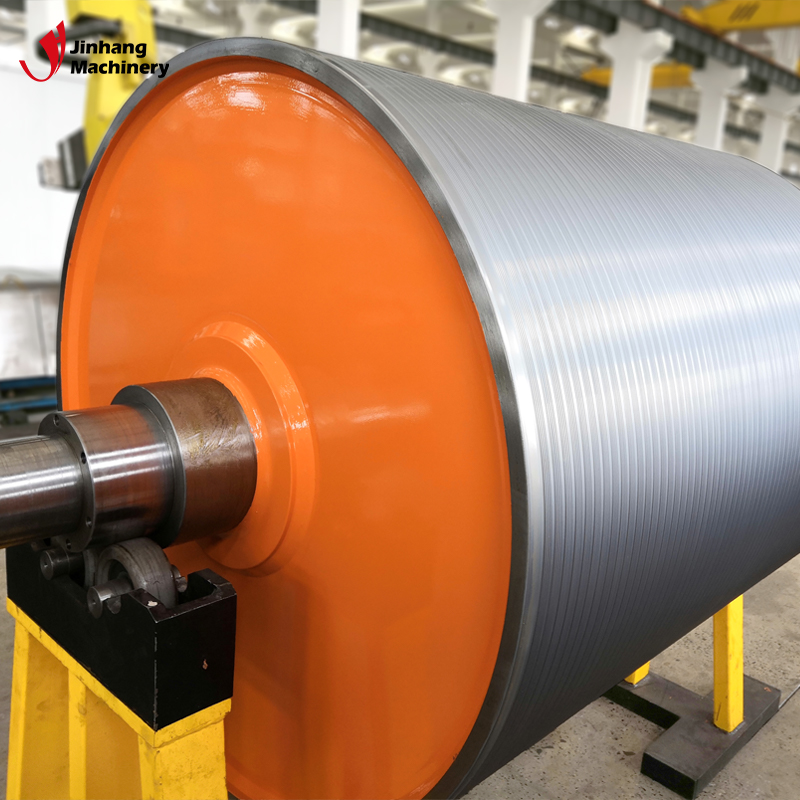
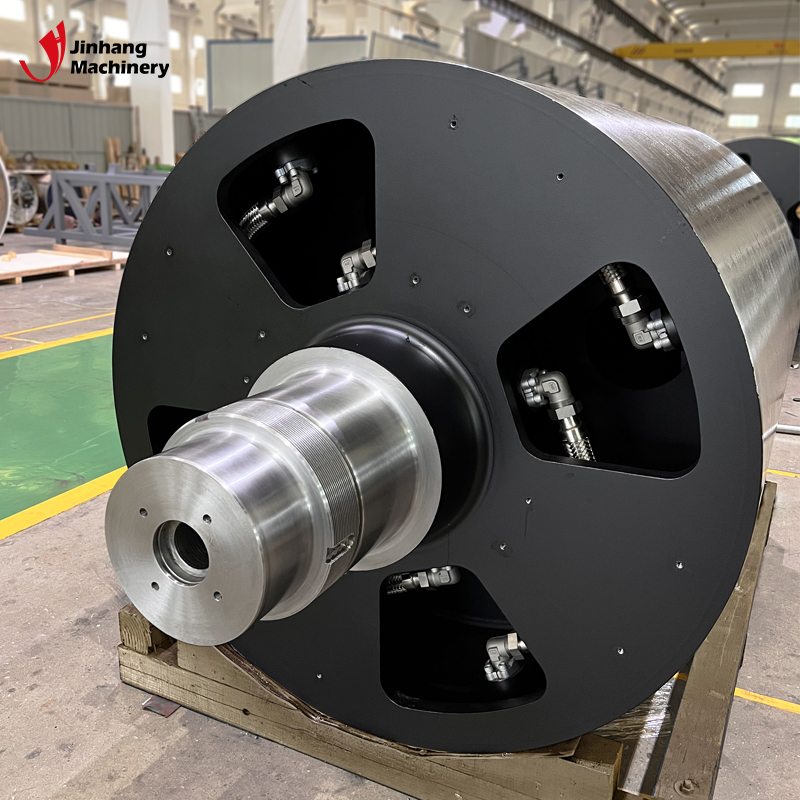
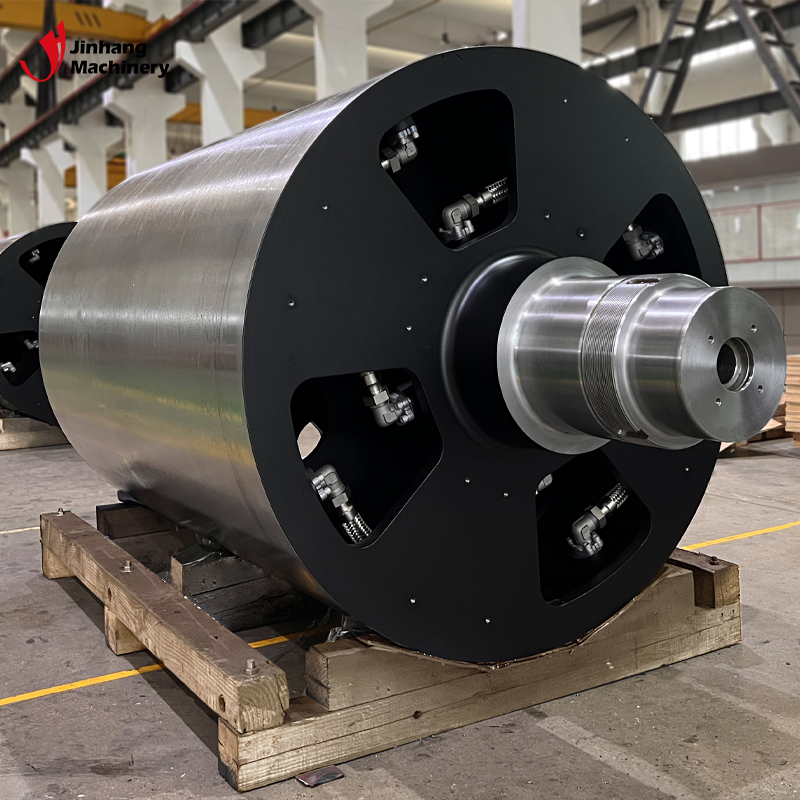
    Fundamentally, a tungsten carbide industrial roller is a high-performance industrial roller that utilizes carbide materials (such as tungsten carbide) to form its functional working surface. Carbide industrial rollers typically consist of two components: 1. The roller body substrate 2. The carbide working layer
  • Does the Surface of Industrial Chrome-Plated Rollers Require Polishing?
    10
    2026-06
    Mirror-grade finish: Ra 0.01–0.05 μm. Semi-mirror-grade finish: Ra 0.1–0.2 μm. When surface roughness exceeds these specified limits, the finished product may exhibit surface defects such as bright spots, ripples, or a hazy/matte appearance; polishing is then required to restore the surface to its original specifications.
  • Why Do Industrial Corona Rollers Offer Multiple Customizable Coating Options?
    09
    2026-06
    In industrial environments, no single coating can "suit all operating conditions"; therefore, corona rollers must be available with a variety of coating options to ensure proper compatibility.
  • Which Chemical Substances Corrode Rubber-Coated Industrial Rollers?
    08
    2026-06
    Strong acids are a major source of corrosion for rubber rollers, a problem frequently encountered in industries such as electroplating, papermaking, pharmaceuticals, and chemical manufacturing. Different types of rubber exhibit significant variations in their resistance to strong acids.
  • Why Do Heating Rollers Require Spiral Channels?
    05
    2026-06
    Engineering professionals within the industry generally agree that the true challenge in controlling a heating roller lies not in the question of "can it heat up?" but rather in "can the entire roller surface maintain uniform heating over an extended period?" The spiral channel design represents a critical structural solution specifically engineered to achieve this objective.
  • Why Is Stainless Steel Used to Manufacture Industrial Heating Rollers?
    04
    2026-06
    The superior high-temperature creep resistance and oxidation resistance of stainless steel ensure that the roller walls do not suffer from fatigue, thereby maintaining structural stability. Furthermore, stainless steel does not experience a rapid loss of strength at elevated temperatures—a critical attribute, particularly for rollers operating at high speeds.
  • Who Can Customize Industrial Rollers? — "Jinhang Machinery"
    03
    2026-06
    Jinhang Machinery is a specialized manufacturing enterprise based in China, dedicated to providing custom industrial roller solutions—featuring high precision, complex designs, and specialized structures—to a diverse range of industries.
  • What Is the Alternative Name for Nitrile Rubber Rollers?
    02
    2026-06
    The English name for nitrile rubber is "Nitrile Butadiene Rubber," and its corresponding acronym is: NBR. Consequently, when industry professionals refer to "nitrile rubber rollers," "NBR rollers," or "NBR rubber rollers," all three terms effectively designate the exact same type of rubber roller material.

40px

80px

80px

80px

Get the latest price? We will reply as soon as possible (within 12 hours)

40px

40px

40px

40px