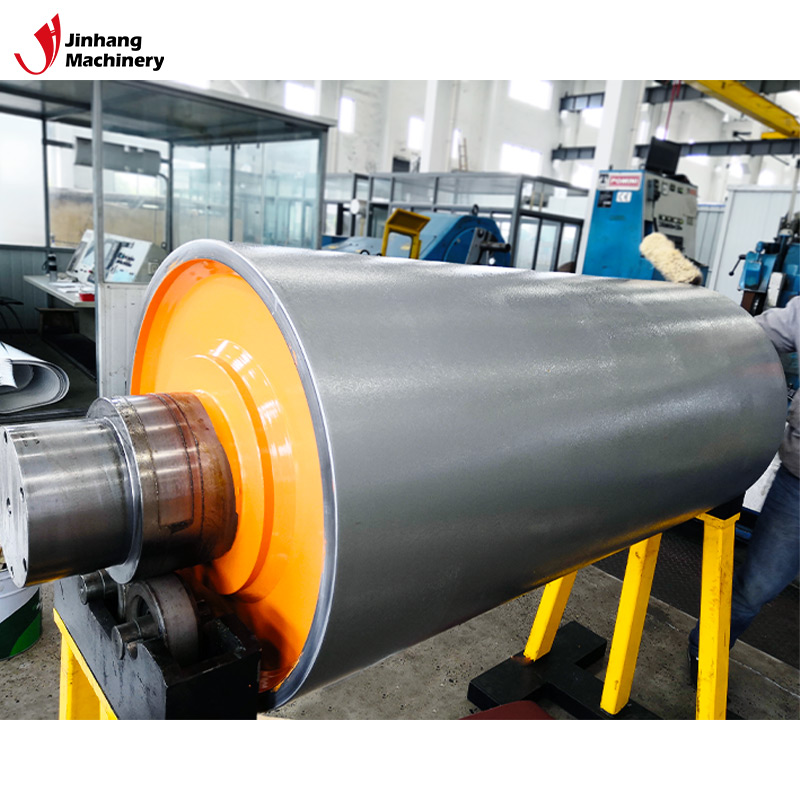
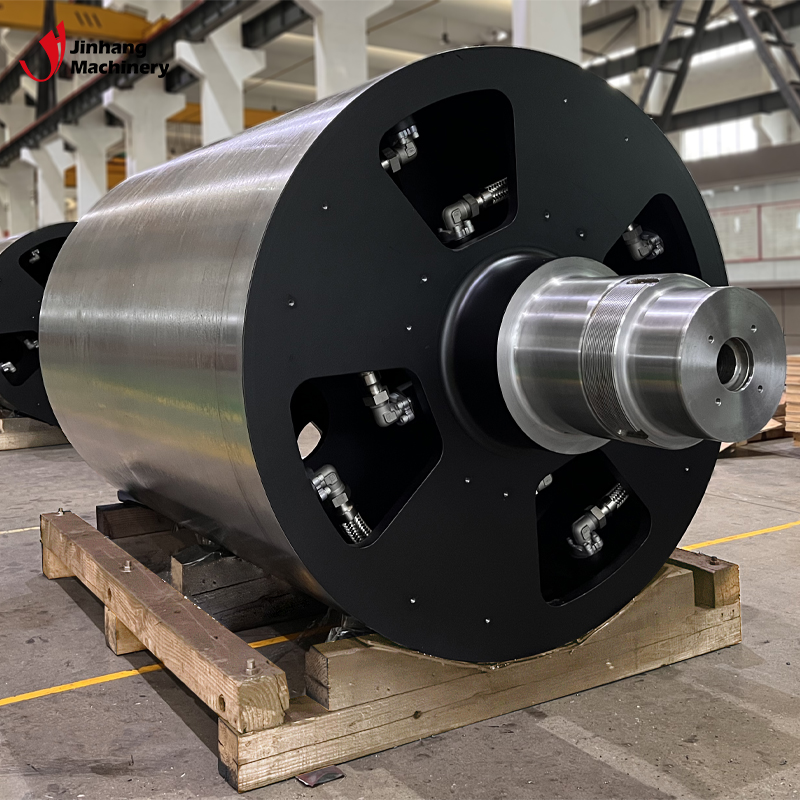
Corona rollers play a vital role in the automotive industry. Through corona treatment technology, the surface energy of the material can be significantly improved, and its adhesion performance and surface properties can be enhanced.
In some cases, moderate heat treatment can help restore the flexibility of the rubber roller. By heating the rubber roller to a certain temperature, the material structure of the rubber roller is softened, thereby restoring some elasticity and softness.
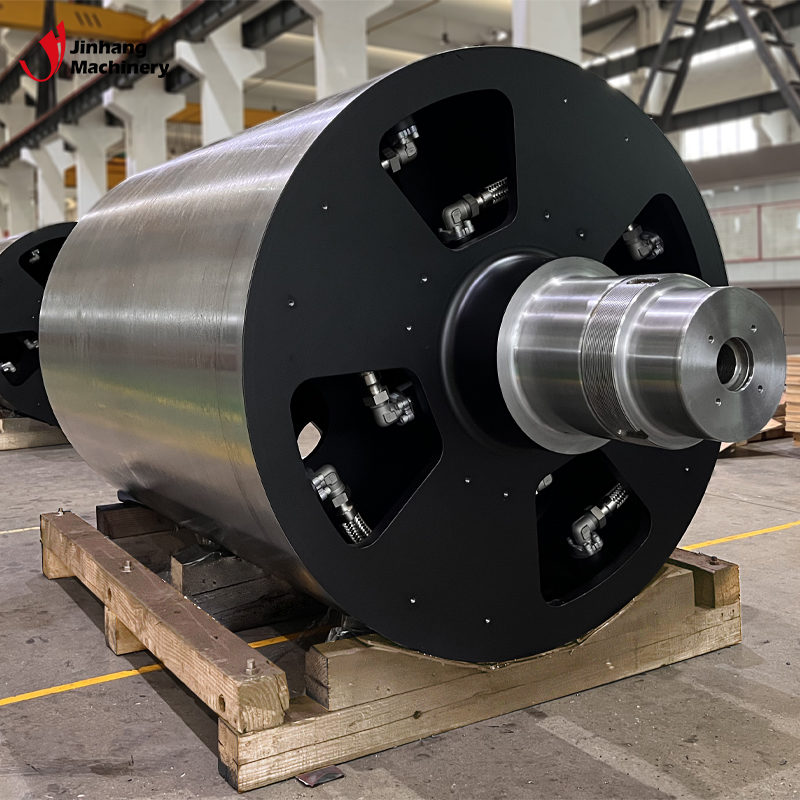
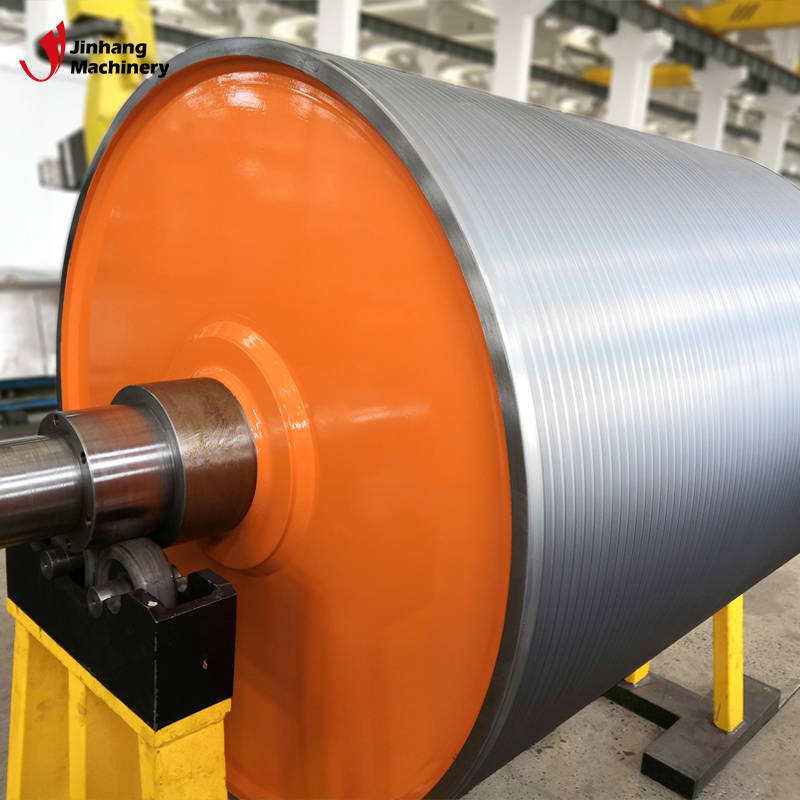
The core working principle of Oil Guide Heating Roller is to use heat transfer oil as a heat transfer medium to transfer heat evenly to the surface of the roller body through an internal circulation system. The basic structure of the heating roller includes: roller body, heat transfer oil...
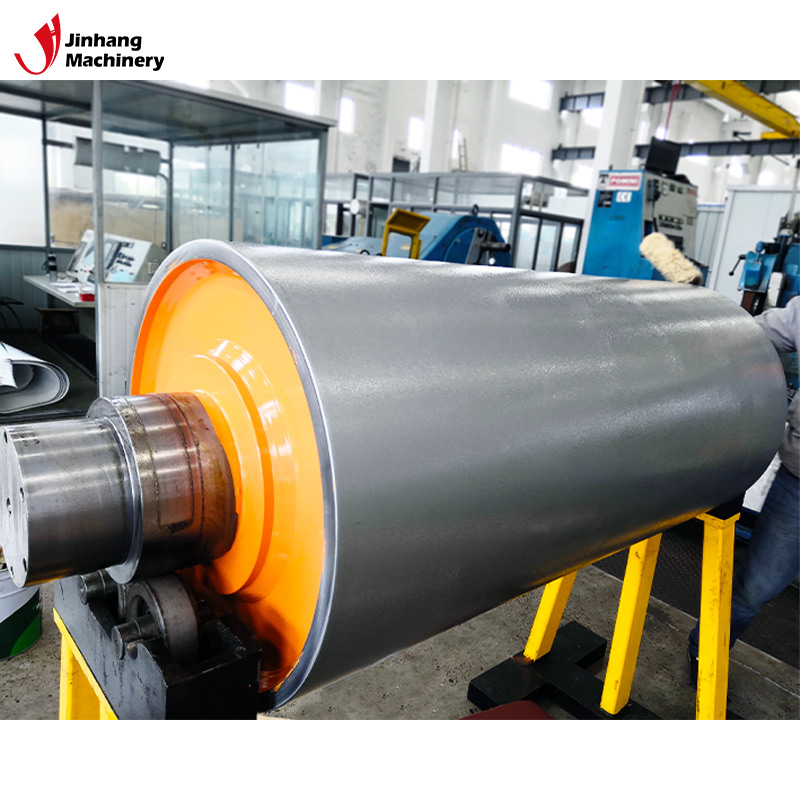
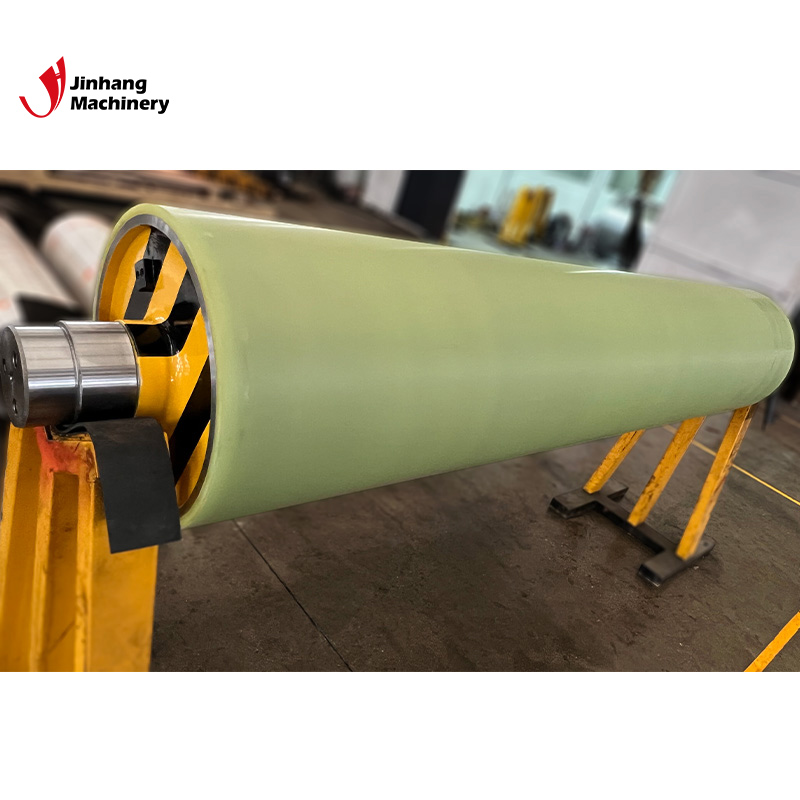
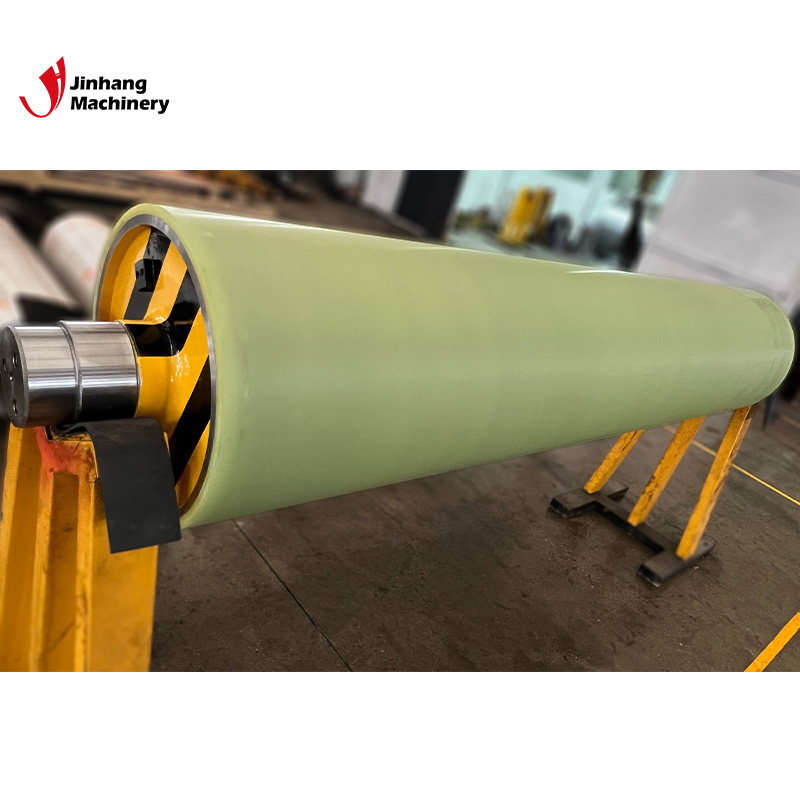
Lamination Rubber Roller is a rubber roller used in lamination process, usually composed of a high-strength metal core and a rubber layer coated on it. Its main function is to firmly combine two or more materials by applying uniform pressure and temperature in the lamination process.
The steel roller is made of all-steel material and has a solid structure, suitable for high-load and high-precision processing operations; while the rubber roller wraps a rubber layer outside the metal core and mainly relies on the elasticity and flexibility of rubber for material processing.
Hardness refers to the ability of a material to resist being pressed, scored, or cut by the outside world. In the rubber industry, the most common hardness scales are Shore A for softer rubber materials and Shore D for harder rubber or plastic materials.
Laminating Rollers are mechanical devices used to adhere film materials to the surface of substrates. Through heating, pressure, gluing and other methods, Laminating Rollers can tightly combine materials such as plastic films, paper, metal foils and substrates.
Damage to the roller body or rubber surface is one of the most common defects of rubber rollers, mainly manifested as cracks, cracks, blistering, and depressions on the rubber surface. These damages are usually caused by long-term excessive pressure on the rubber roller, frequent mechanical shocks, or chemical corrosion.
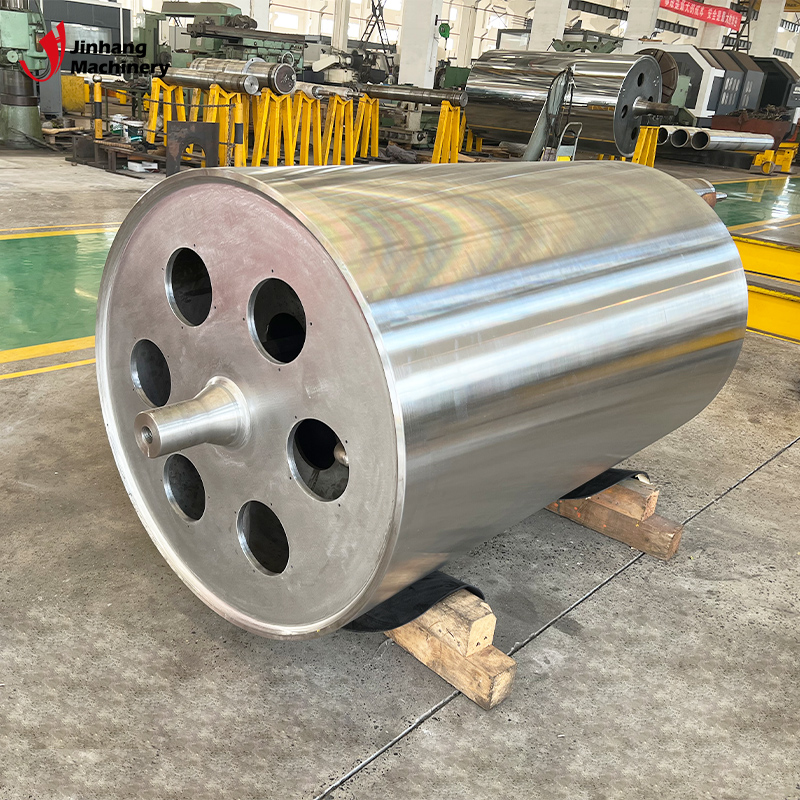
In the food industry, Chill Roller plays an important role in several key links. For example: production line cooling (cooling of food after heating treatment), coating and coating, packaging and storage (cooling before packaging and storage).
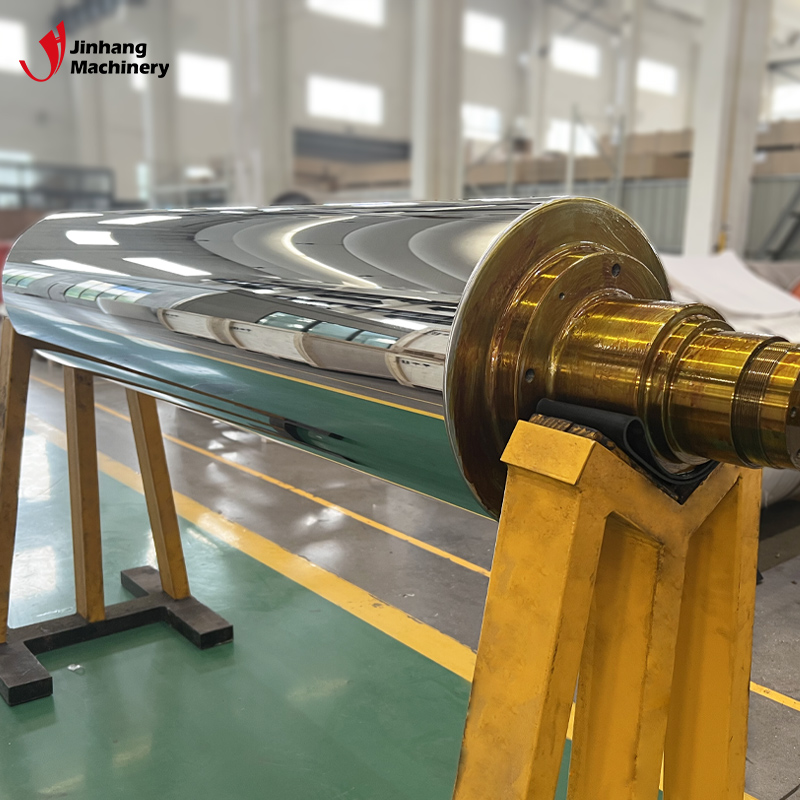
Hard chrome plated roller plays a vital role in flexographic printing and water-based ink printing, mainly in the following aspects: ink transfer roller and anilox roller (uniform ink transfer), impression roller (uniform pressure), cooling roller (fast cooling)
Heating rollers play a key role in multiple links of rubber processing. For example: mixing and calendering process (to make the rubber material evenly mixed), extrusion molding process (to maintain proper fluidity and plasticity), vulcanization process.