News

  • Which printing methods use anilox rollers to transfer ink to the printing plate?
    19
    2025-06
    Flexographic printing is a widely used printing method, especially for printing materials such as packaging, labels and plastic films. In this printing method, the anilox roller plays a vital role.
  • What is the surface of a ceramic anilox roller?
    10
    2025-06
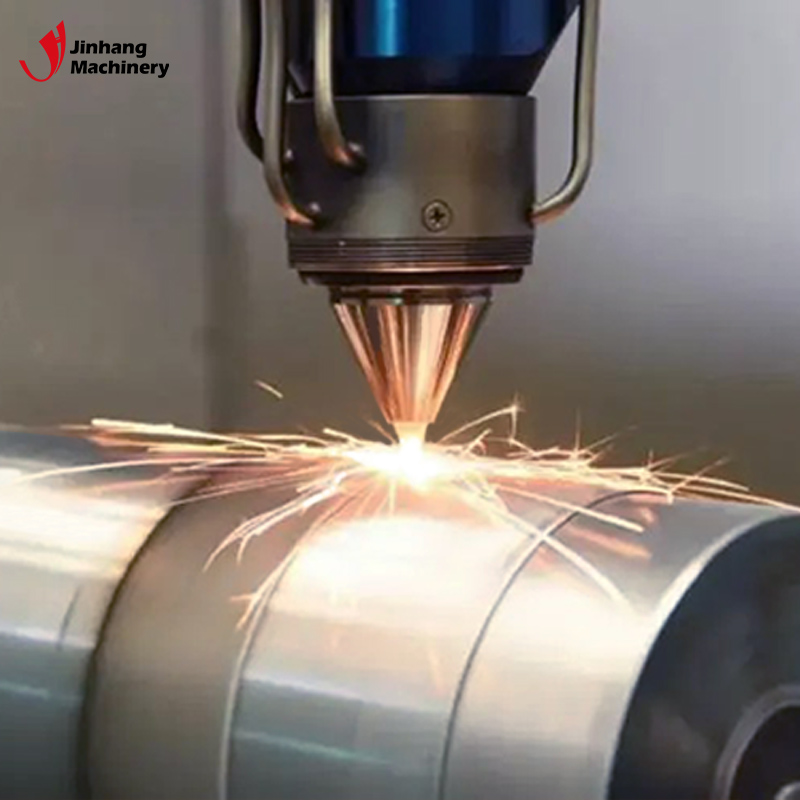
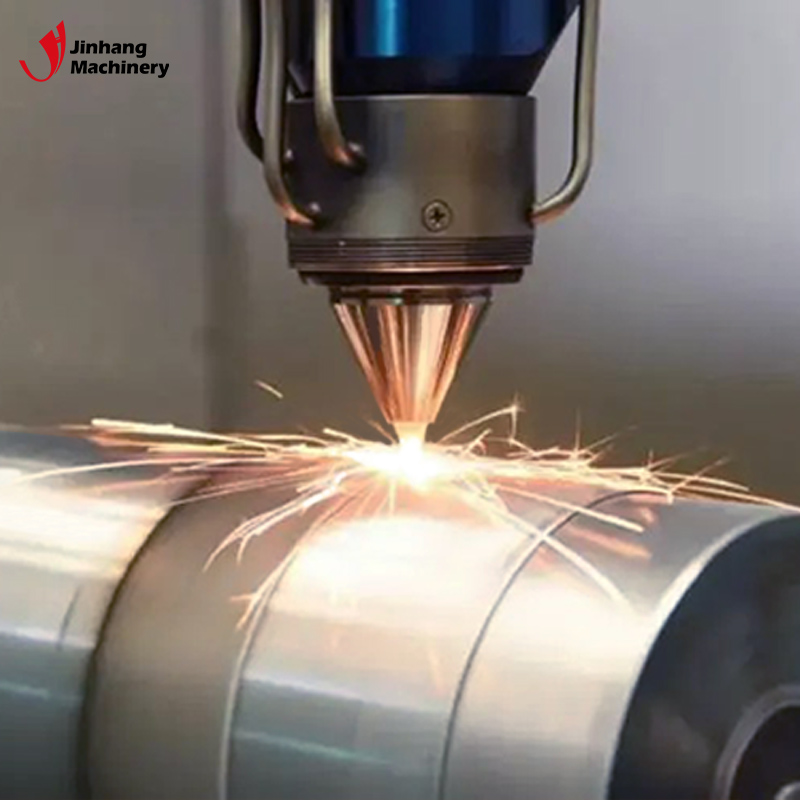
    The surface of ceramic anilox roller is usually made of highly wear-resistant ceramic materials, the most common of which include aluminum oxide (Al₂O₃), chromium oxide (Cr₂O₃) and silicon carbide (SiC). These ceramic materials have extremely high hardness and corrosion resistance, and can withstand various harsh working environments.
  • How does the porosity of industrial ceramic anilox roller affect ink transfer?
    04
    2025-06
    Porosity directly determines how much ink a ceramic anilox roller can store. Higher porosity usually means that the roller surface has more ink storage space and can therefore store more ink. This is crucial for the uniformity and stability of ink transfer, especially when printing on large areas or at high speeds.
  • What is the ratio of anilox roller to plate screen count?
    03
    2025-06
    In the printing process, the ratio between the screen count of the anilox roller and the screen count of the printing plate directly affects the transfer efficiency of the ink and the quality of the printed product. The common rule of thumb is: the screen count of the anilox roller should be 4 to 6 times the screen count of the printing plate.
  • How to clean industrial ceramic anilox rollers?
    28
    2025-05
    Manual cleaning is the most basic cleaning method for ceramic anilox rollers and is suitable for cleaning light surface residues. Commonly used tools include soft cloth, brushes, and cleaning solvents. The advantage of manual cleaning is that it is simple to operate and is suitable for daily maintenance and situations where surface contamination is light.
  • What is BCM in ceramic anilox roller?
    16
    2025-05
    BCM (Billion Cubic Microns) is a unit of mesh volume per square inch on a ceramic anilox roller. Specifically, it represents the volume of mesh per square inch, and the unit is "billions of cubic microns per square inch". This value is usually used to describe how much liquid the mesh on the surface of the anilox roller can hold, that is, the mesh volume per unit area.

  • What is anilox roller in flexographic printing?
    15
    2025-05
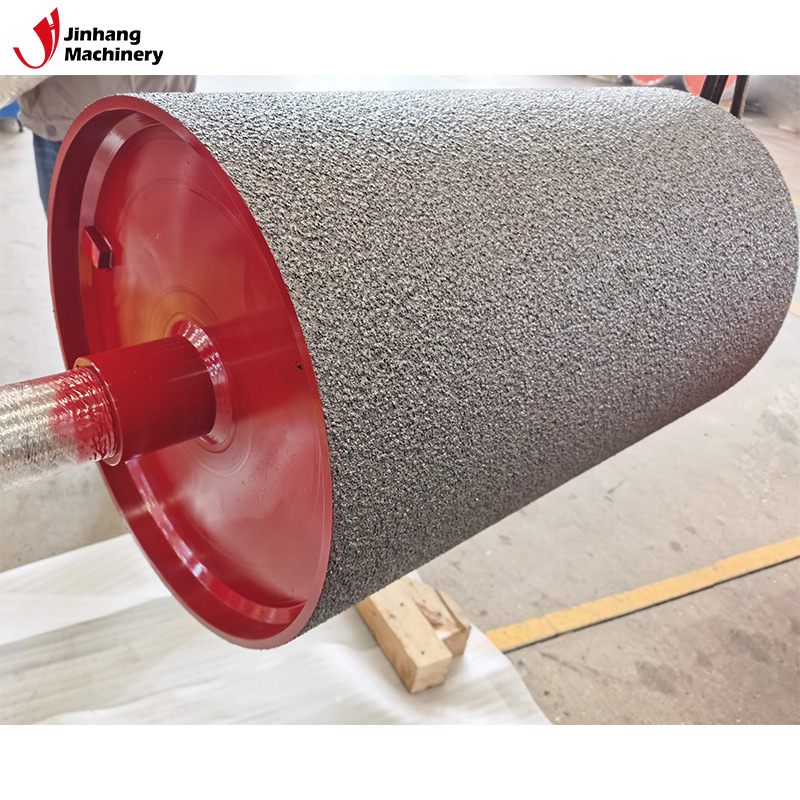
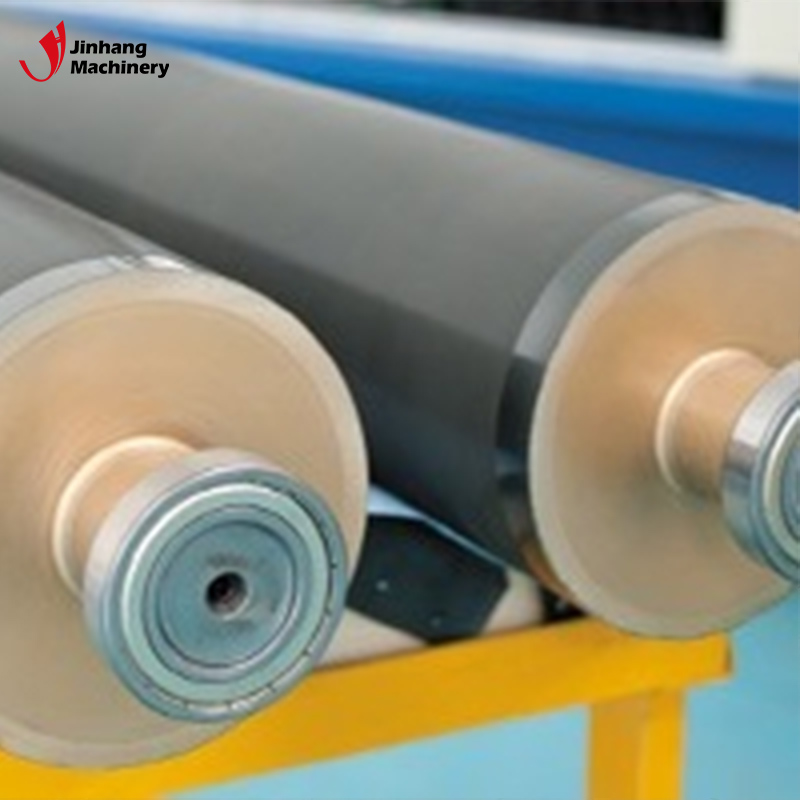
    The anilox roller, also called the metering roller, is a key component on a flexographic printing press. Its main function is to transfer ink from the ink tank to the surface of the printing plate during the printing process. It stores ink through tiny pits or meshes engraved on the surface, and then accurately delivers this ink to the printing plate during the printing process.
  • How to choose the right cell type for anilox roller?
    08
    2025-05
    ● Cell shape: anilox roller cells can have different shapes, such as round, diamond, hexagonal, etc. Different shapes are suitable for different liquid transfer requirements. ● Cell depth: The depth of the cell determines how much liquid it can store. Deep cells have a large storage capacity and are suitable for transferring high-viscosity liquids; shallow cells are suitable for transferring low-viscosity liquids.
  • What are anilox rollers usually made of?
    22
    2025-04
    Main material types of anilox roller: 1. Metal material ● Aluminum alloy ● Stainless steel 2. Ceramic material ● Aluminum oxide ceramic ● Chromium oxide ceramic 3. Polymer material ● Polyurethane ● Teflon coating
  • What is the volume range of ceramic anilox roller?
    21
    2025-04
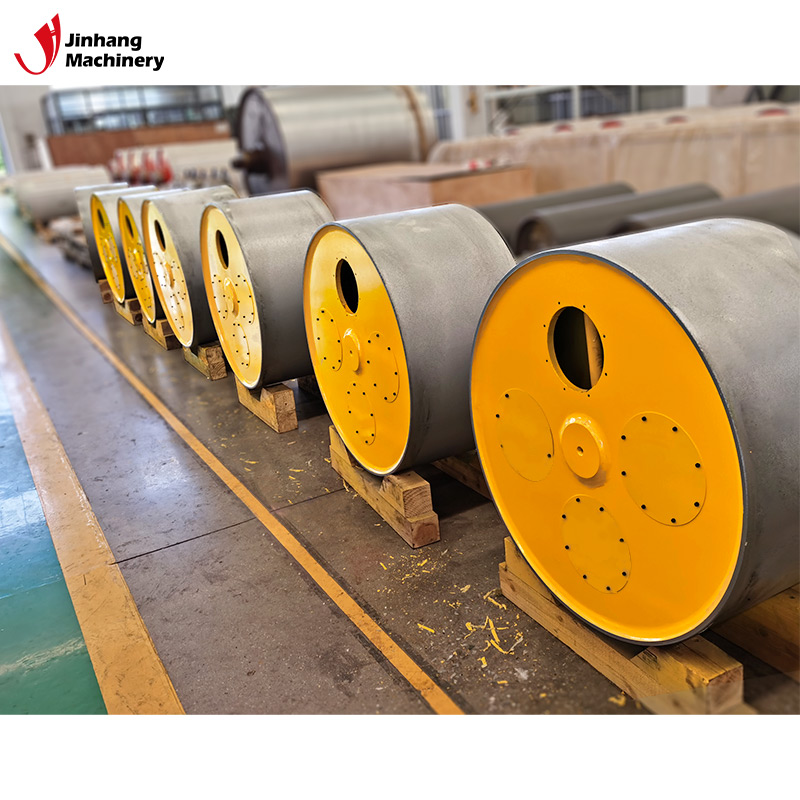
    Large ceramic anilox roller: with a diameter greater than 200 mm and a length greater than 1500 mm, it is suitable for industries that require large-area coating, such as large-scale packaging printing, wide-format coating or steel plate coating.

40px

80px

80px

80px

Get the latest price? We will reply as soon as possible (within 12 hours)

40px

40px

40px

40px