News

  • What types of carbide-coated rollers can we customize?
    26
    2026-06
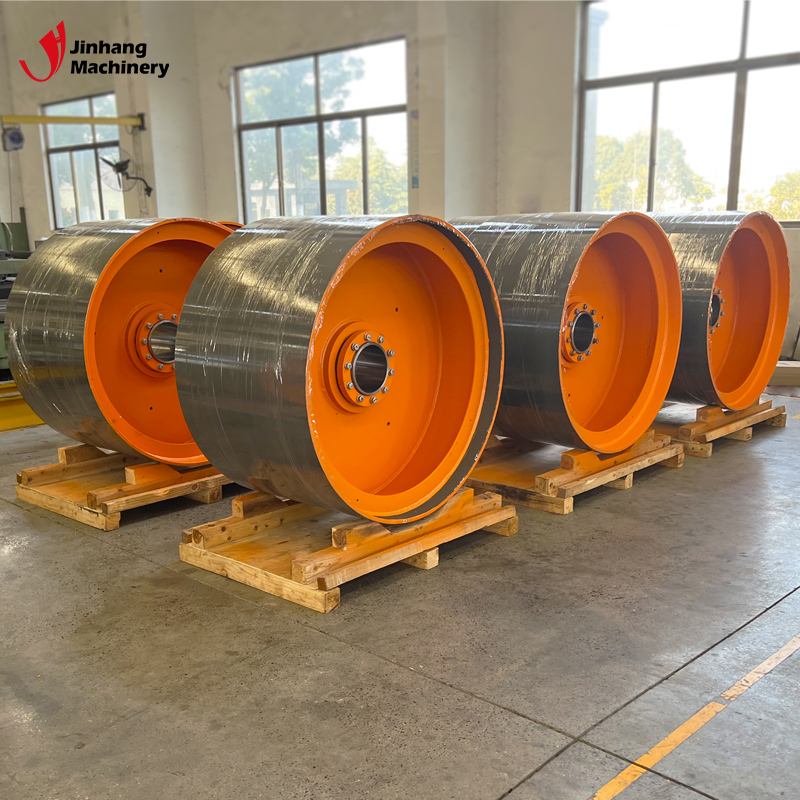
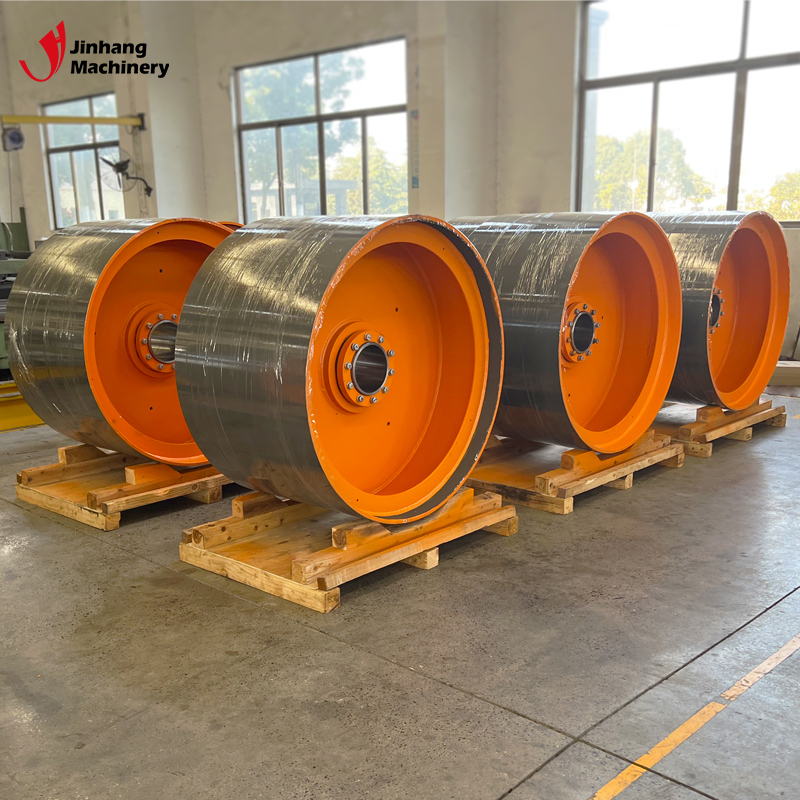
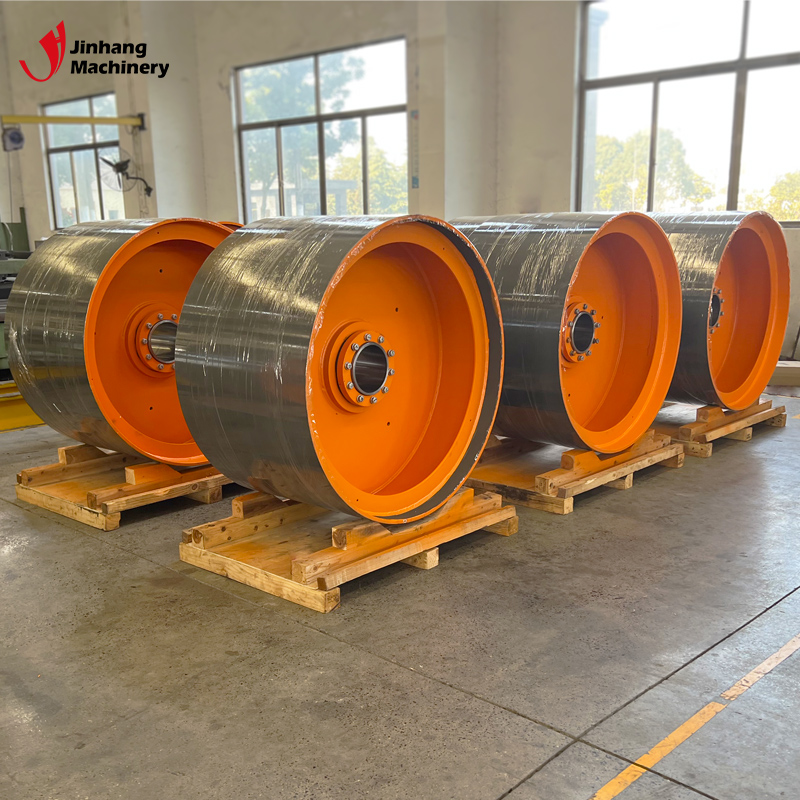
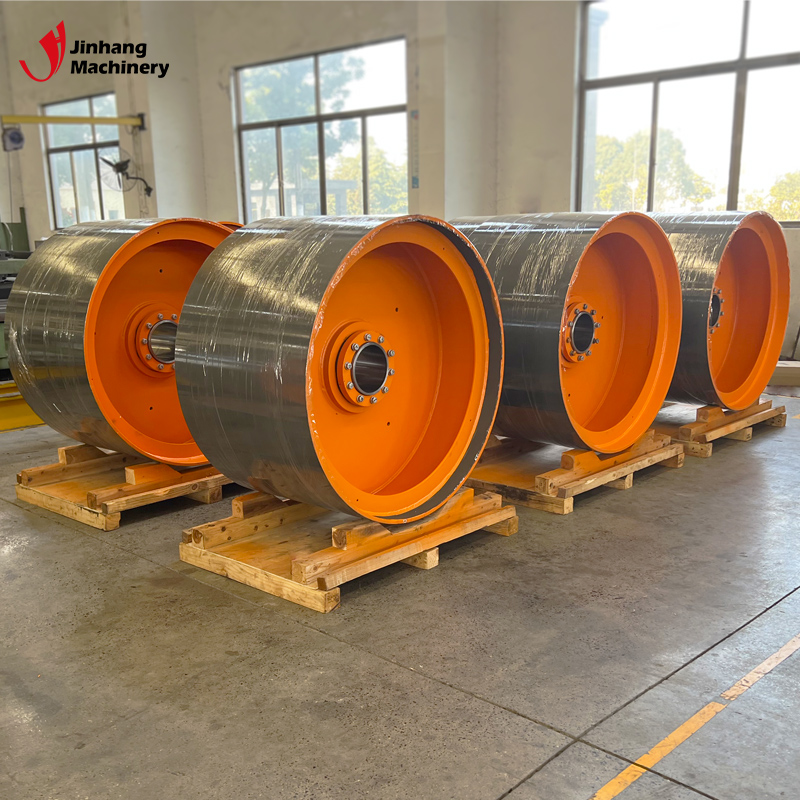
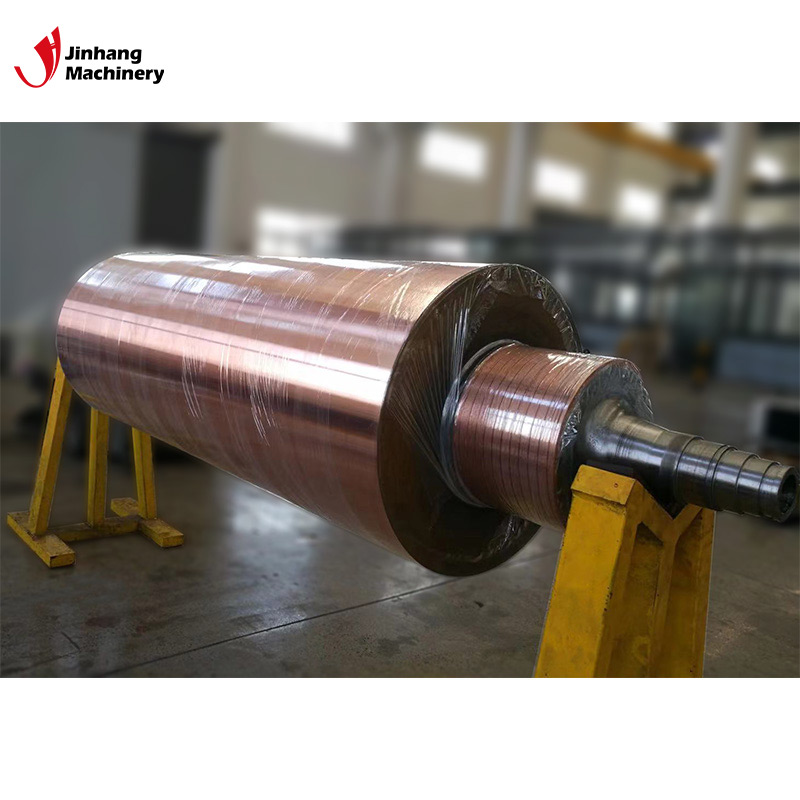
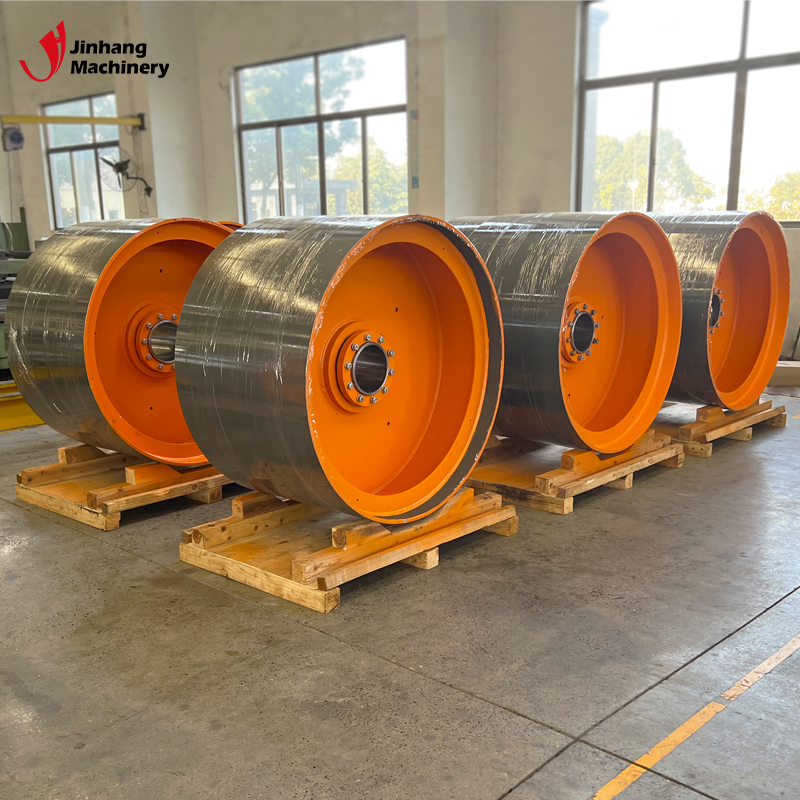
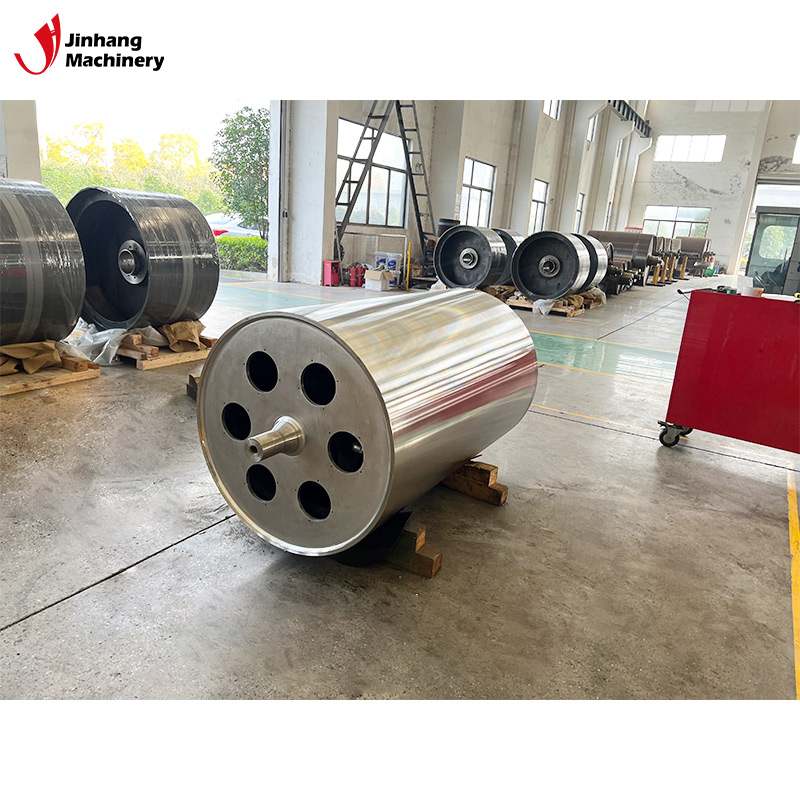
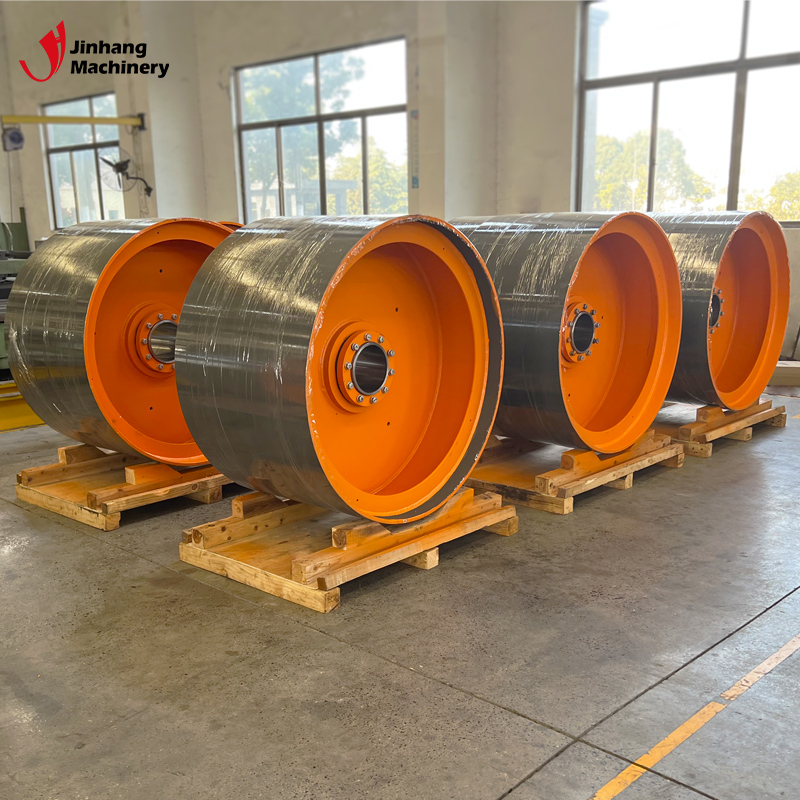
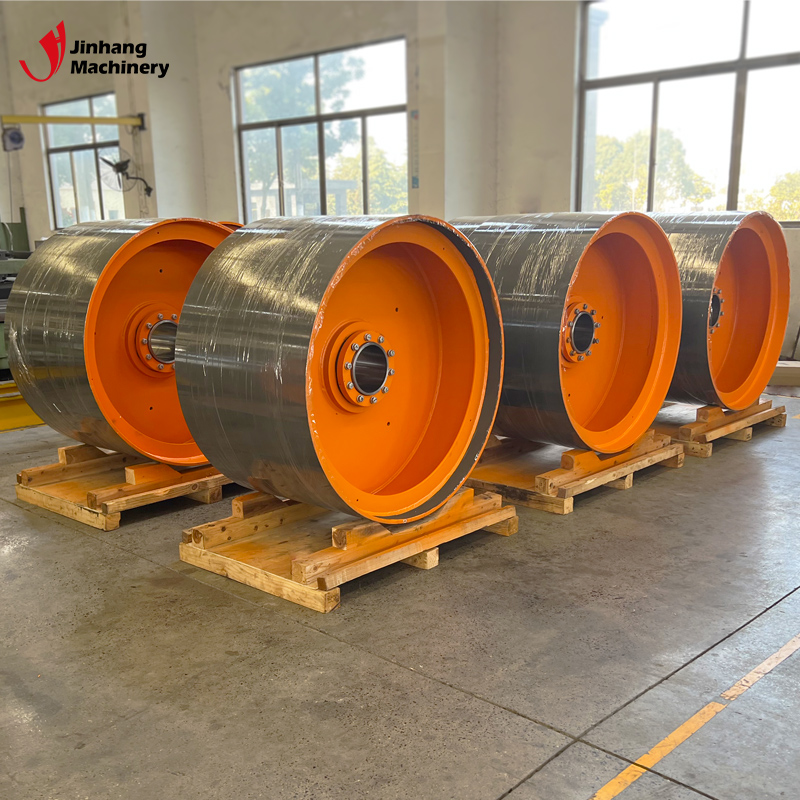
    As a supplier deeply rooted in the roll manufacturing industry, Jinhang Machinery offers customized carbide-coated rollers with outer diameters up to 2000mm, lengths up to 8000mm, and machining precision as fine as 0.002mm.
  • Which coating offers the greatest hardness for industrial rollers?
    25
    2026-06
    The Hardest Industrial Roller Coating: Tungsten Carbide Excluding laboratory-grade diamond materials, tungsten carbide is generally considered one of the hardest and most practical coating materials for industrial rollers.
  • How do you verify if a tungsten carbide coated roller meets quality standards?
    17
    2026-06
    Target hardness range for tungsten carbide coated rollers: •HV1100–HV1500 is considered the acceptable range •If hardness is too low (e.g., below HV900), it indicates insufficient coating density or abnormal spraying parameters •Excessive hardness accompanied by increased brittleness is also considered a failure
  • What Are Tungsten Carbide Industrial Rollers?
    11
    2026-06
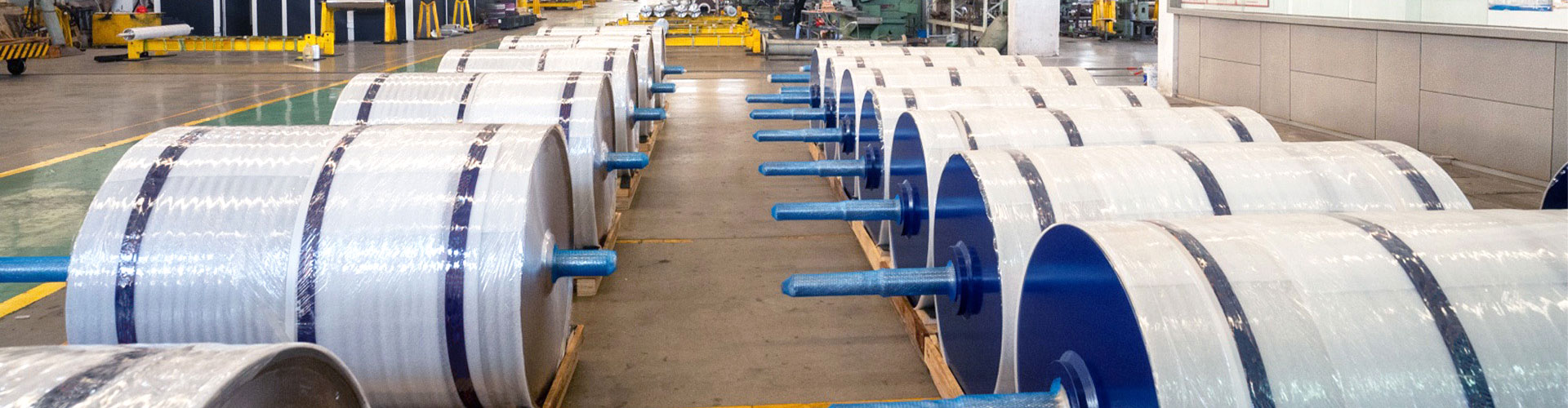
    Fundamentally, a tungsten carbide industrial roller is a high-performance industrial roller that utilizes carbide materials (such as tungsten carbide) to form its functional working surface. Carbide industrial rollers typically consist of two components: 1. The roller body substrate 2. The carbide working layer
  • How Long Do Industrial Mirror Finish Rollers Last?
    27
    2026-05
    The typical service life for most standard chrome-plated mirror rollers is: •2–5 years (under normal operating conditions) •In some cases, with excellent usage and care, this can extend to over 8 years. The actual duration depends specifically on the degree of wear and the maintenance practices employed.
  • Why are tungsten carbide rollers more wear-resistant than chrome-plated rollers?
    11
    2026-05
    Unlike chromium-plated rollers, the working surface of a tungsten carbide coated roller is not metallic chromium, but a composite structure composed of high-hardness ceramic phase particles and a bonding phase. This is the fundamental premise for why tungsten carbide coated rollers are considered "more wear-resistant."
  • How Many Coating Layers Does a Tungsten Carbide Coated Roller Have?
    23
    2026-04
    Standard industrial tungsten carbide coated rollers typically consist of 2-3 coating layers: 1. Bond Coat → Improves adhesion to the base metal 2. Interlayer (optional) → Enhances coating stability or buffers stress 3. Top Coat → Provides final hardness, abrasion resistance, and corrosion resistance
  • Is a Thicker Coating Always Better for Industrial Rollers?
    20
    2026-04
    • Thicker coatings can indeed improve lifespan and abrasion resistance. • However, excessively thick coatings may lead to decreased coating hardness or internal stress cracking. Therefore, thicker coatings are not always better; the optimal coating thickness is closely related to the application conditions.
  • What Industrial Rollers Are Better Than Chrome-Plated?
    14
    2026-04
    Carbide-coated rollers are among the most common and significantly outperform chrome-plated rollers in high-end industrial applications. Carbide is typically composed of materials such as tungsten carbide (WC), titanium carbide (TiC), and chromium carbide (CrC), and the coating is formed through thermal spraying, HVOF, or plasma spraying processes.

  • Tungsten Carbide Coated Rollers: Why Can't Pure Tungsten Carbide Powder Be Used?
    01
    2026-04
    In industrial production, a metallic binder phase must be added to form a fusible, bondable, and depositable composite powder, which is a crucial foundation for the successful manufacture of tungsten carbide coated rollers.

40px

80px

80px

80px

Get the latest price? We will reply as soon as possible (within 12 hours)

40px

40px

40px

40px