News

  • What is the surface of a ceramic anilox roller?
    10
    2025-06
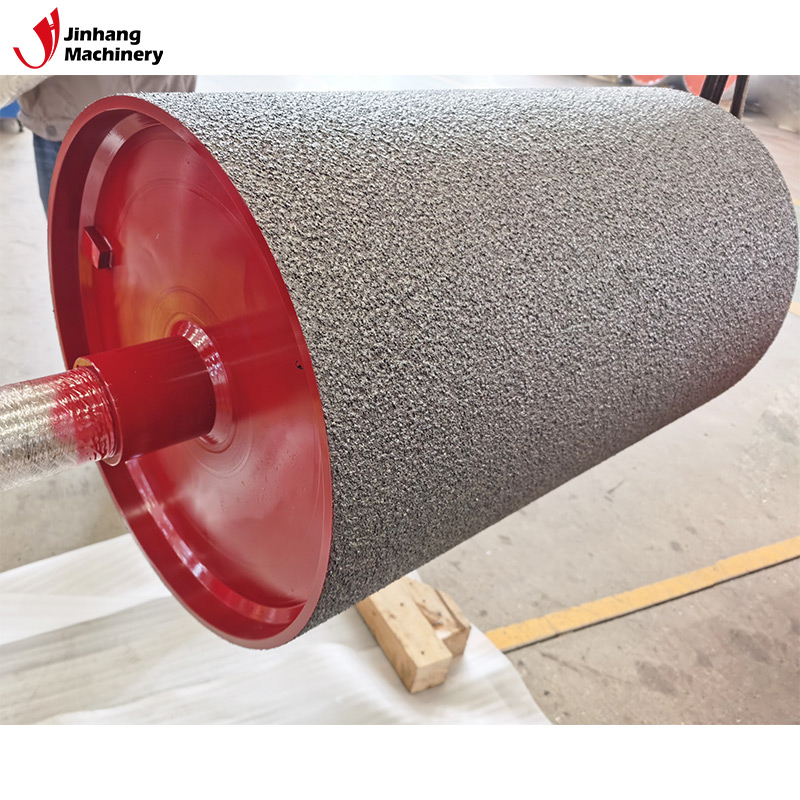
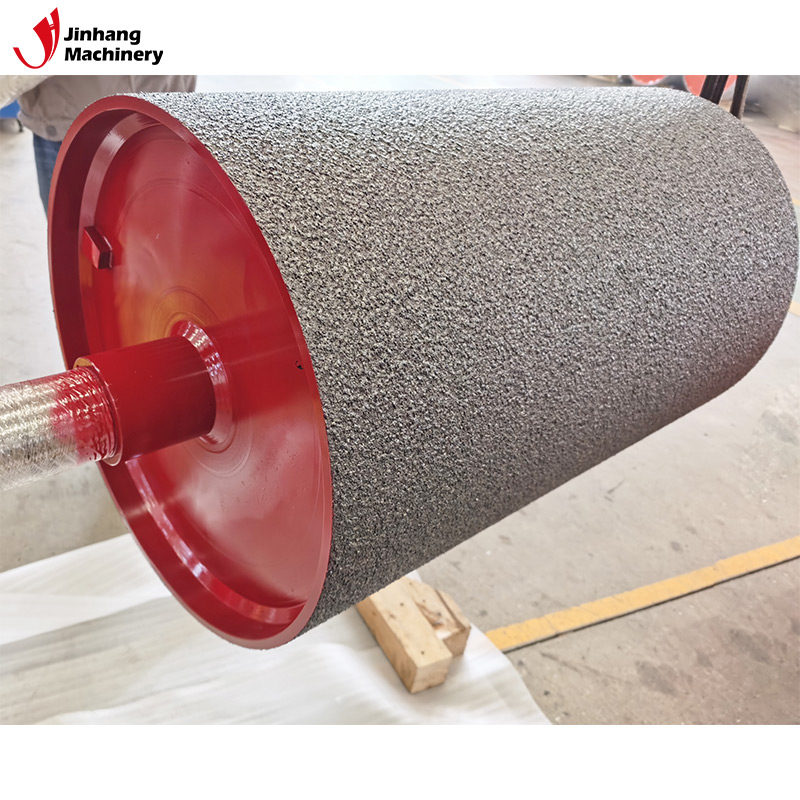
    The surface of ceramic anilox roller is usually made of highly wear-resistant ceramic materials, the most common of which include aluminum oxide (Al₂O₃), chromium oxide (Cr₂O₃) and silicon carbide (SiC). These ceramic materials have extremely high hardness and corrosion resistance, and can withstand various harsh working environments.
  • How does the porosity of industrial ceramic anilox roller affect ink transfer?
    04
    2025-06
    Porosity directly determines how much ink a ceramic anilox roller can store. Higher porosity usually means that the roller surface has more ink storage space and can therefore store more ink. This is crucial for the uniformity and stability of ink transfer, especially when printing on large areas or at high speeds.
  • How to clean industrial ceramic anilox rollers?
    28
    2025-05
    Manual cleaning is the most basic cleaning method for ceramic anilox rollers and is suitable for cleaning light surface residues. Commonly used tools include soft cloth, brushes, and cleaning solvents. The advantage of manual cleaning is that it is simple to operate and is suitable for daily maintenance and situations where surface contamination is light.
  • What is BCM in ceramic anilox roller?
    16
    2025-05
    BCM (Billion Cubic Microns) is a unit of mesh volume per square inch on a ceramic anilox roller. Specifically, it represents the volume of mesh per square inch, and the unit is "billions of cubic microns per square inch". This value is usually used to describe how much liquid the mesh on the surface of the anilox roller can hold, that is, the mesh volume per unit area.

  • What is the volume range of ceramic anilox roller?
    21
    2025-04
    Large ceramic anilox roller: with a diameter greater than 200 mm and a length greater than 1500 mm, it is suitable for industries that require large-area coating, such as large-scale packaging printing, wide-format coating or steel plate coating.
  • What is the service life of ceramic anilox roller?
    16
    2025-04
    If used frequently and the load is too large, the life of ceramic anilox rollers may be shortened to 1-2 years. However, under low load and less use conditions, their service life can reach 5 years or even longer.
  • What is the working principle of ceramic anilox roller?
    15
    2025-04
    The working principle of ceramic anilox roller is mainly reflected in how it transfers liquid evenly to the surface of the substrate through the surface pattern structure. This process involves multiple links to ensure the uniformity, accuracy and stability of the coating.
  • Why does the printing industry need to use ceramic anilox rollers?
    10
    2025-04
    The surface texture of the ceramic anilox roller is its core function. These tiny grooves control the amount and distribution of ink through their shape, depth and arrangement. Common anilox shapes include honeycomb, straight line, cross line, etc. Different shapes of anilox are suitable for different printing needs.
  • Which industries need to use ceramic anilox roller?
    27
    2025-03
    Textile printing and dyeing industry Ceramic anilox rollers are also needed in the coating and printing processes in the textile printing and dyeing industry. They are used to apply dyes, coatings or adhesives on the surface of fabrics to ensure uniform color and clear patterns.
  • What are the cell types of ceramic anilox roller?
    13
    2025-03
    The main types of cells of ceramic anilox rollers: 1. Diamond Pattern 2. Hexagonal Pattern 3. Square Pattern 4. Cellular Pattern 5. Pyramidal Pattern 6. Grooved Pattern

    40px

    80px

    80px

    80px

    Get the latest price? We will reply as soon as possible (within 12 hours)

    40px

    40px

    40px

    40px