News

  • What is the standard roughness of a casting film roller?
    07
    2026-05
    In most industrial applications, the surface roughness (Ra) of cast film rollers generally falls within the following ranges: • Mirror finish: Ra ≤ 0.05 μm • High gloss finish: Ra ≈ 0.05 – 0.1 μm • Functional finish: Ra ≈ 0.1 – 0.4 μm
  • Casting Film Rollers: What are the Differences in PE and PP Casting?
    27
    2026-04
    In PE casting, the casting film roller emphasizes stable cooling and adaptability; while in PP casting, it emphasizes temperature accuracy, cooling efficiency, and uniformity control. The differences stem from the inherent thermal properties and crystallization behavior of the materials.

  • How to Determine if a Cast Film Roller Needs Repolishing?
    16
    2026-04
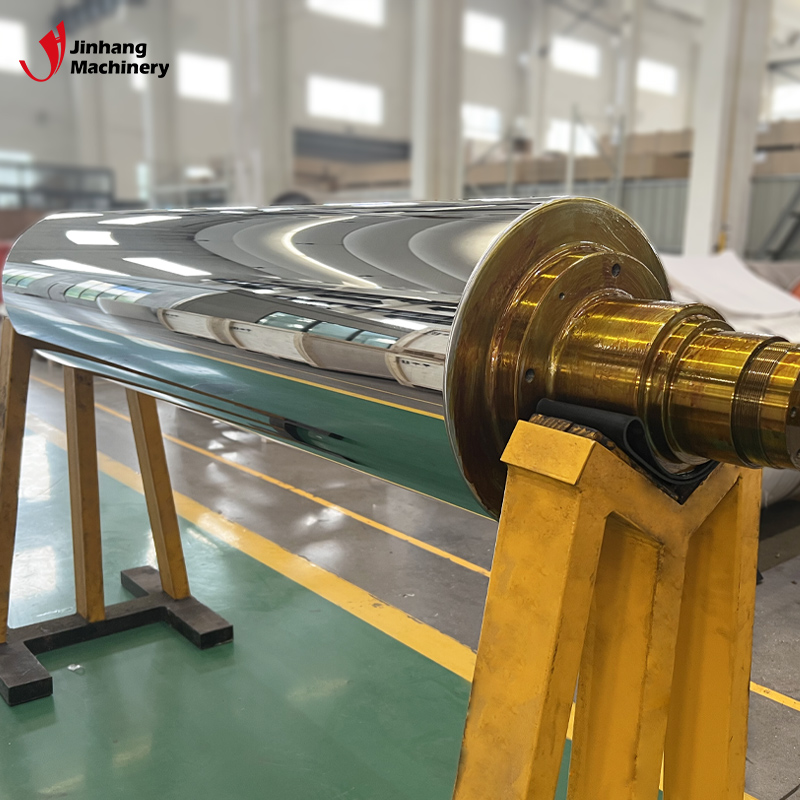
    A well-maintained cast film roller surface should have uniform reflection. If you observe: • Discontinuous light reflection • Localized dark areas or increased scattering This may indicate a change in surface roughness.
  • Will scratches on a casting film roller affect product quality?
    10
    2026-04
    If scratches exist on the surface of the casting film roller: • The material fills these tiny grooves. • After cooling, corresponding surface defects are formed. This is why scratches on the casting film roller directly affect the appearance quality of the product.
  • Why does film sticking occur on casting film rollers?
    09
    2026-04
    Temperature is one of the most critical factors. When the surface temperature of the cast film roller is too high, the following will occur: • The film separates from the roller before it has cooled sufficiently. • The surface remains viscous. • Adhesion to the roller surface.
  • Which plastic film materials are suitable for industrial casting film rollers?
    26
    2026-03
    • Cast film rollers are widely applicable to a variety of thermoplastic film materials. • PE and PP are the most typical and suitable material types. • Materials such as PET and PVC place higher demands on cast film rollers, but are still suitable. • Multilayer composite films place even stricter performance requirements on cast film rollers.
  • What is an Industrial Casting Film Roller?
    25
    2026-03
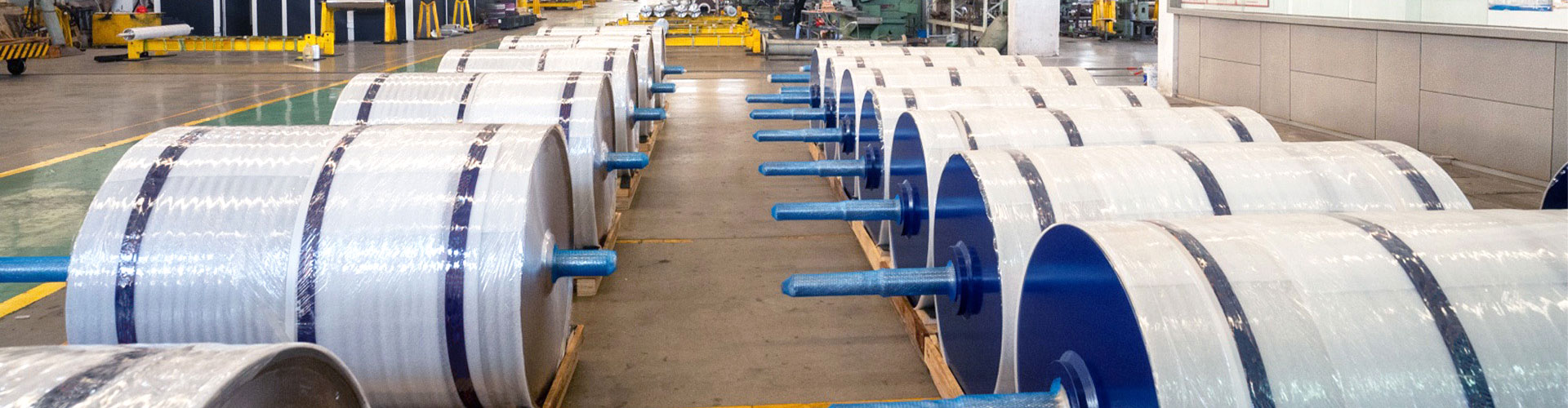
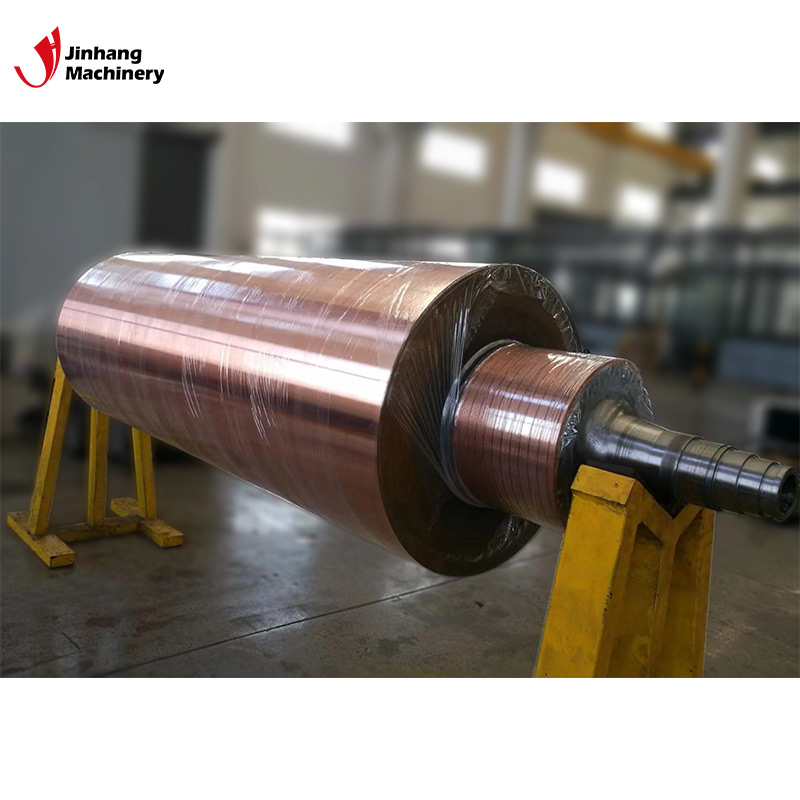
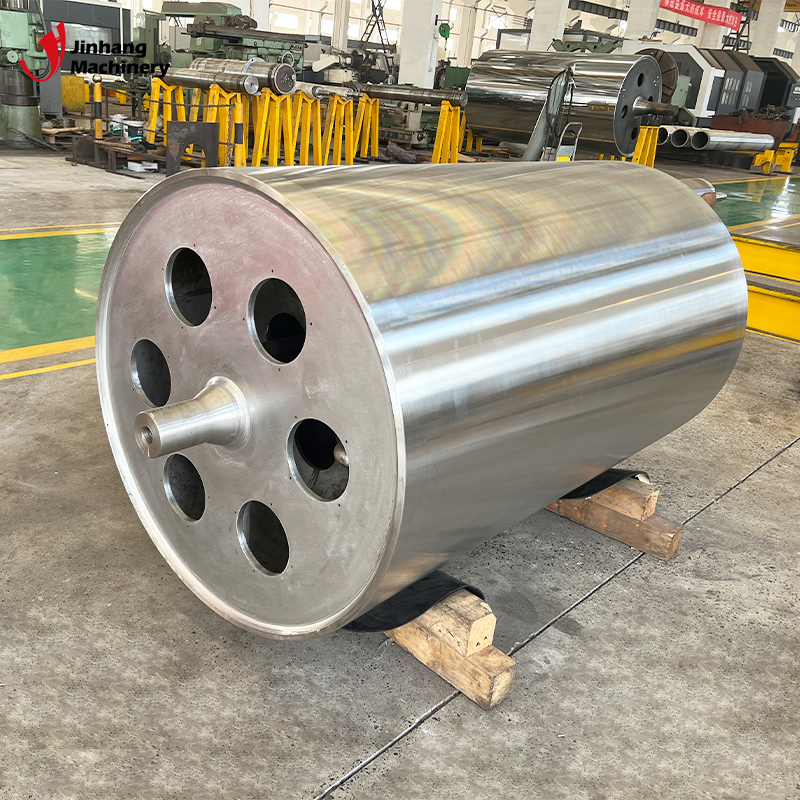
    An industrial casting film roller is a high-precision industrial roller used in the casting process to achieve cooling, shaping, and surface replication by contacting molten or semi-molten material.
  • Casting Film Roller vs. Cooling Roller: What's the Difference?
    23
    2026-03
    Cast film rollers are the core rollers that directly participate in material forming and determine product quality, while cooling rollers are mainly used to reduce material temperature and assist in stabilizing the process.
  • Why Must Industrial Casting Film Rollers Ensure High Surface Finish?
    19
    2026-03
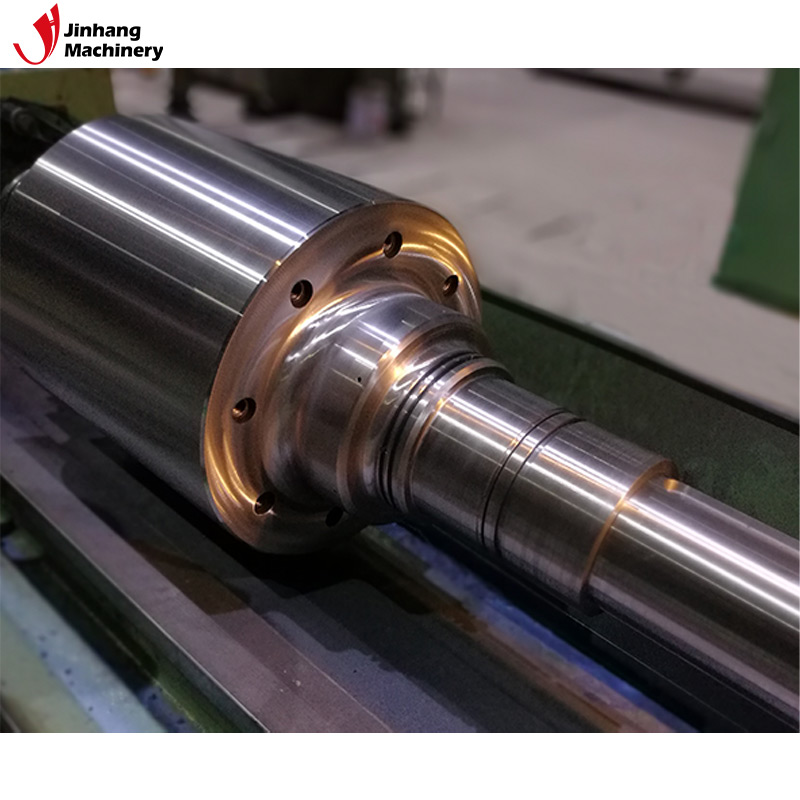
    • The smoother the roller surface, the smoother the film surface • Microscopic defects on the roller surface will also result in corresponding defects on the film surface Therefore, the surface condition of the cast film roller is not an "indirect influence," but one of the core factors directly determining the surface quality of the film.

    40px

    80px

    80px

    80px

    Get the latest price? We will reply as soon as possible (within 12 hours)

    40px

    40px

    40px

    40px