News

  • Industrial Hot Oil Rollers vs. Water-Heated Rollers: What Are the Disadvantages?
    01
    2026-07
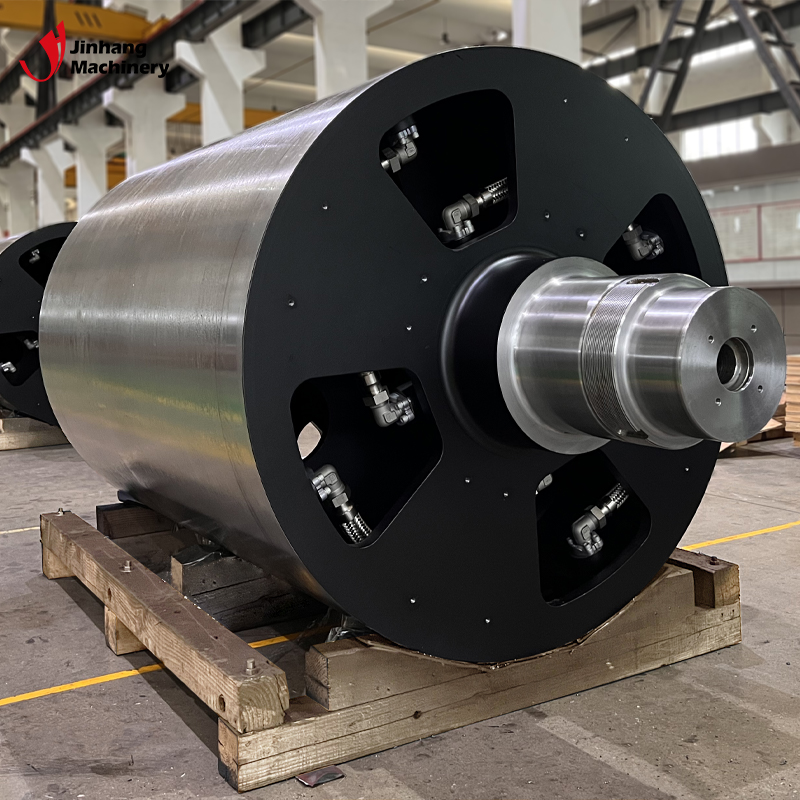
    One of the most immediate disadvantages of oil-heated industrial rollers is the high cost of procurement and installation. During the project planning phase, enterprises often face the challenge of the oil-heated system's initial investment being far higher than that of a water-based system.
  • Industrial Heating Rollers: Oil-Heated vs. Water-Heated—Which is Better?
    19
    2026-06
    If you need very high temperature control precision (within ±1°C) Choose: Oil-heated roller. If you want to reduce long-term maintenance costs Choose: Oil-heated roller. If your equipment is for low-temperature, high-volume drying Choose: Water-heated roller.
  • What is the heating medium of industrial heated rollers?
    05
    2026-05
    Common heating media for industrial heated rollers include: 1. Thermal oil (most common) 2. Electric heating (no medium required, self-contained system) 3. Steam 4. Hot water 5. Molten salt heating medium 6. Other special media (such as air, gas, heat pipe technology, etc.)
  • Industrial Heated Rollers: Who Needs Oil or Water Guiding?
    05
    2026-03
    If the process requires high temperature, high precision, and high stability, then an oil-guided heating roller must be selected. If the process requires low temperature, is cost-sensitive, and has lower requirements for thermal stability, then a water-guided heating roller is more suitable.
  • What are industrial heated rollers used for?
    10
    2025-12
    Almost all industries that require material softening, plasticizing, coating, pressing, stretching, or shaping require heated rollers. In short, wherever a production line uses heat to influence material properties, heated rollers play a crucial role.
    40px

    80px

    80px

    80px

    Get the latest price? We will reply as soon as possible (within 12 hours)

    40px

    40px

    40px

    40px