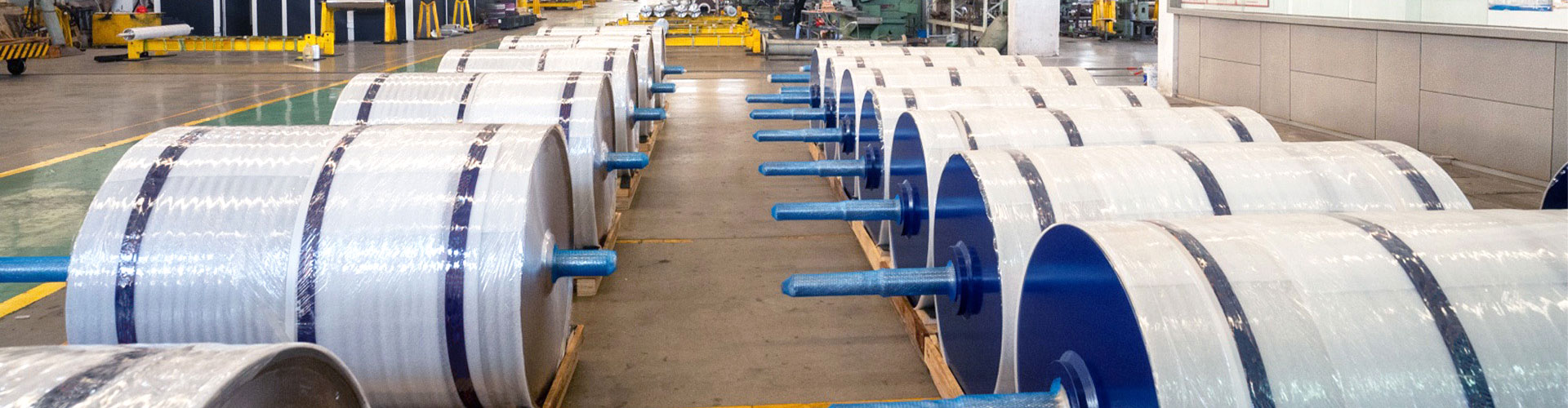
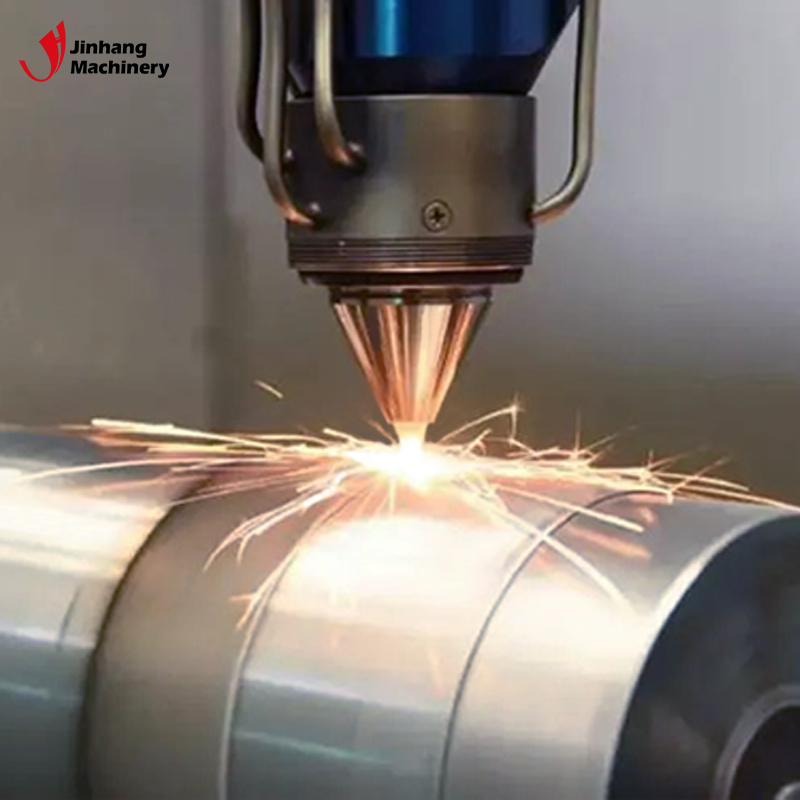
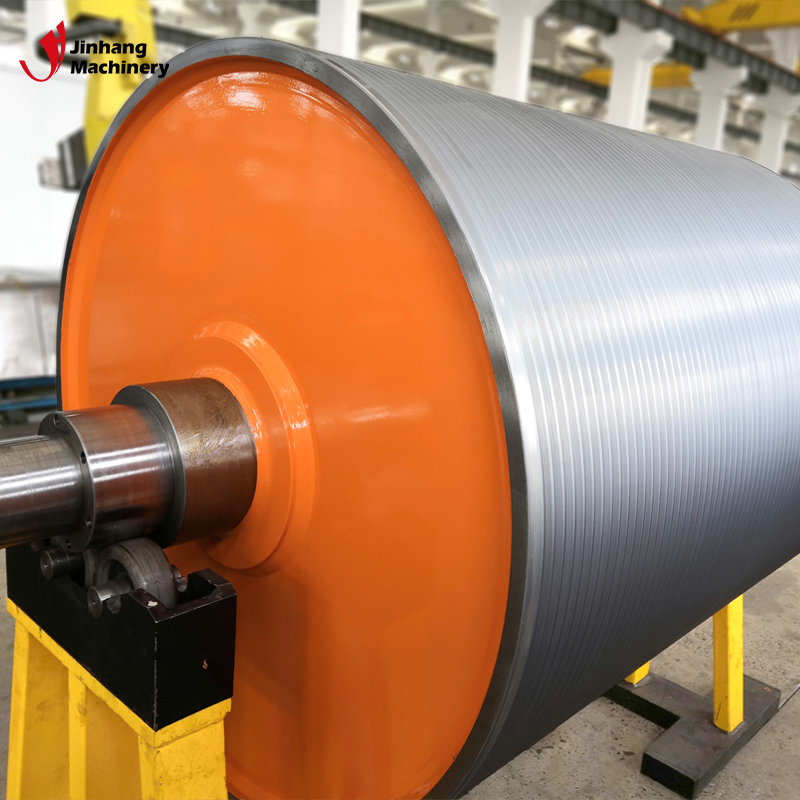
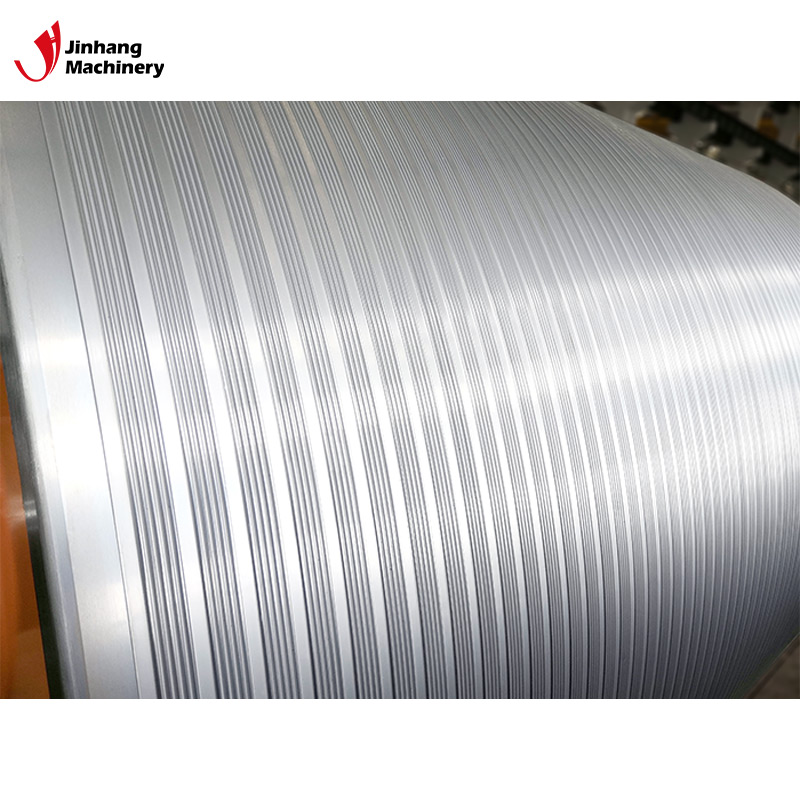
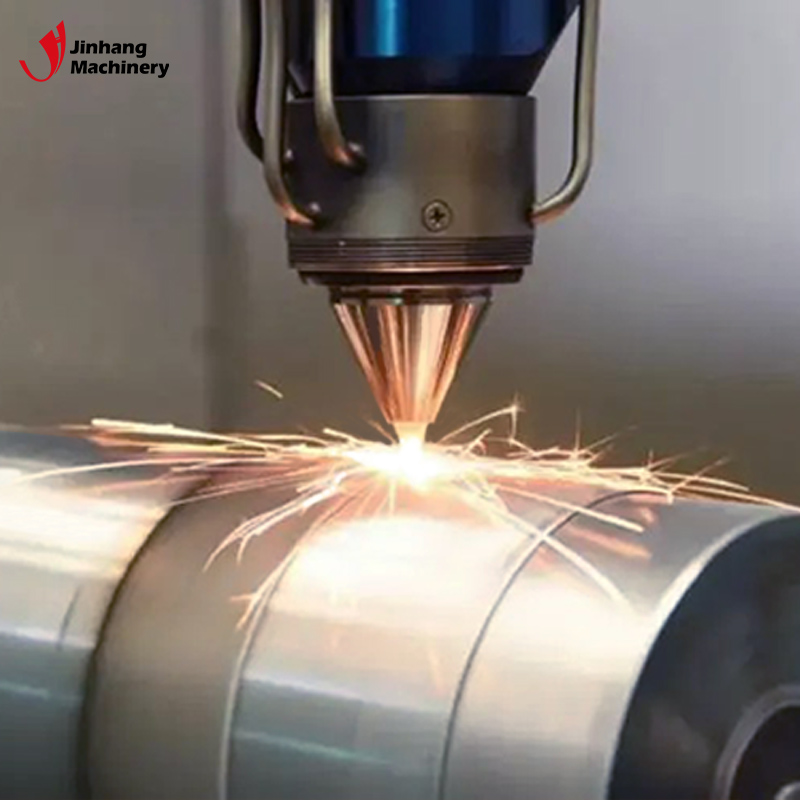
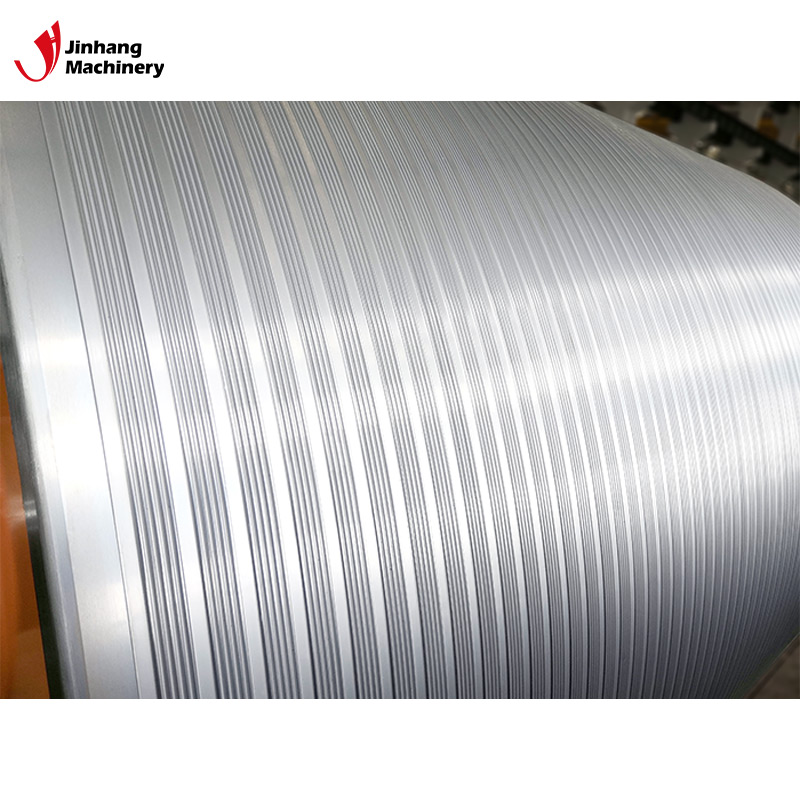
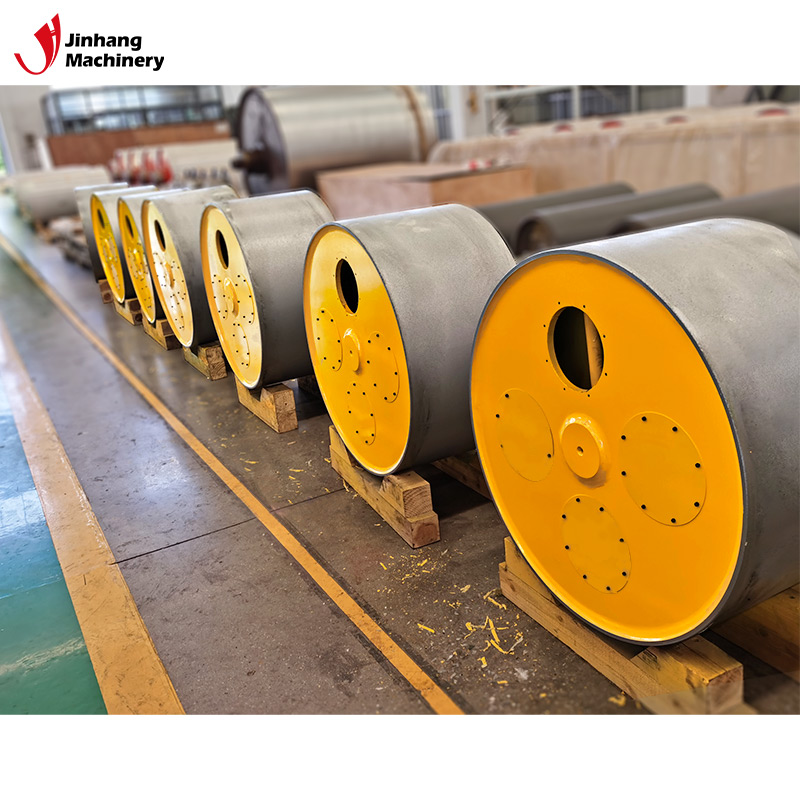
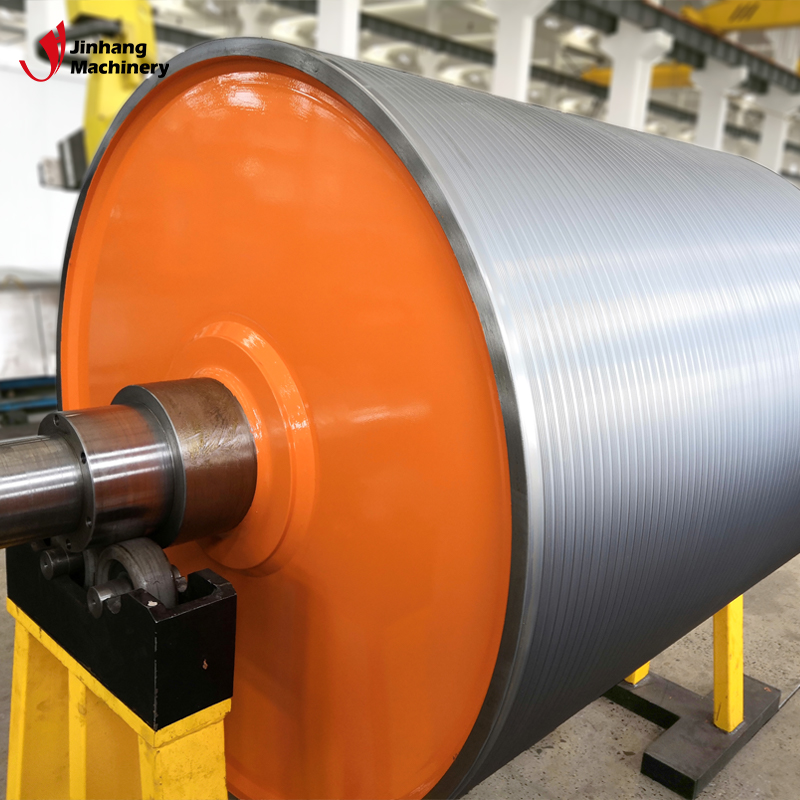
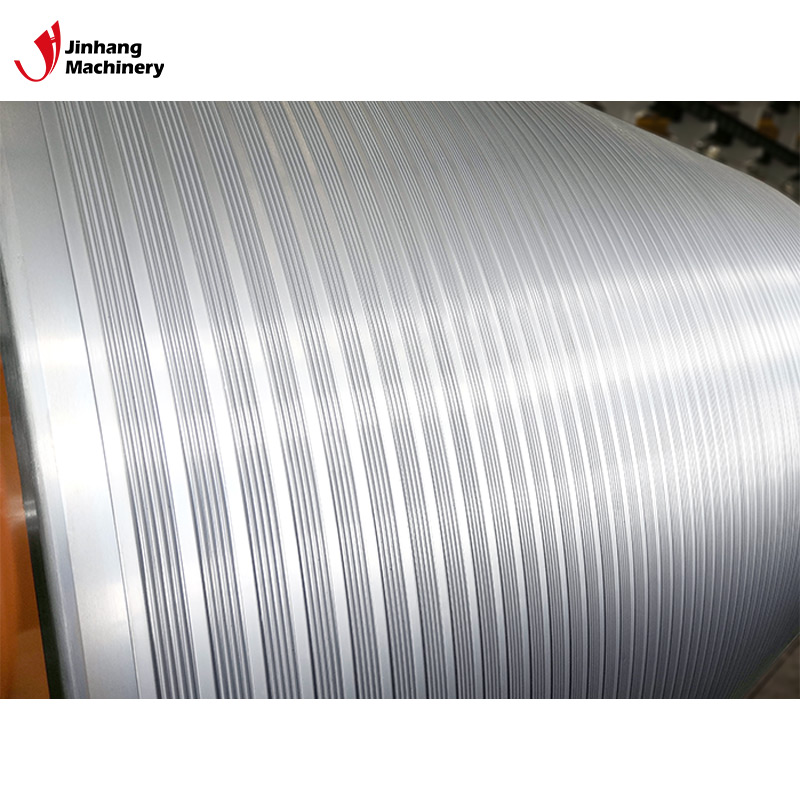
The purpose of the rough grinding stage is to remove large scratches, oxide layers and other obvious stains on the surface of the industrial chrome plated roller. Use coarser sandpaper (such as 200 mesh or lower) and a polishing machine for preliminary grinding.
The melting point of chromium is 1907°C, which means that the chrome plating can remain solid below this temperature and will not melt. However, in industrial applications, the operating temperature of the roller is usually much lower than this melting point, so the chrome plating rarely faces the risk of melting in actual use.
For chrome plated rollers for general industrial use, the thickness of the chrome plating layer is usually required to be between 20-50 microns. This thickness is sufficient to provide good wear resistance and corrosion resistance and is suitable for most conventional processes.
Based on the above factors, we have conducted research and analysis on the prices of industrial chrome-plated rollers on the market. The price of small chrome-plated rollers (US$300 to US$600), the price of medium-sized chrome-plated rollers (US$1500 to US$4000), and the price of large chrome-plated rollers (US$5000 to US$15000).
During the papermaking process, the surface of the roller requires extremely high wear resistance and corrosion resistance. Usually, the thickness of the chrome plating layer of the papermaking roller is between 10 and 50 microns to ensure that it can maintain efficient performance under long-term work.
For companies that pursue high quality, long life and environmental performance, buying new rollers may be a better choice. Although the initial cost is higher, it can provide a higher return on investment and more stable production performance in the long run.
If the chrome plating cracks, scratches, or peels off due to friction, impact, or chemical attack, the underlying metal (usually steel) will be exposed to air and moisture. At this time, the underlying steel is easily corroded and rusts.
As a superhard material, tungsten carbide usually has a hardness between HV1200 and HV2000, which far exceeds the hardness of the chrome plating layer. This high hardness gives tungsten carbide coated rollers extremely high wear resistance and impact resistance.