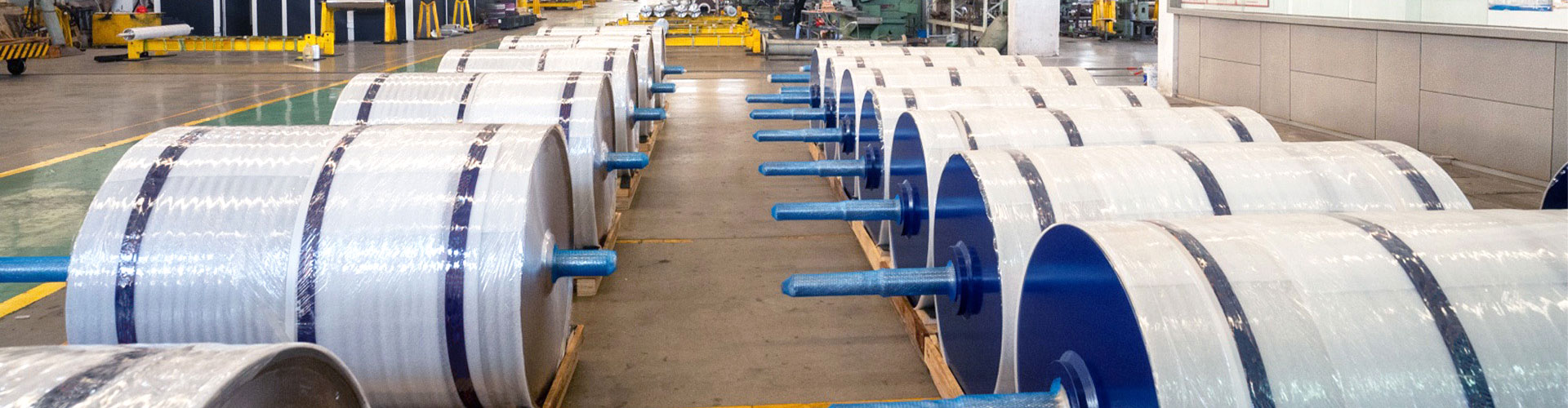
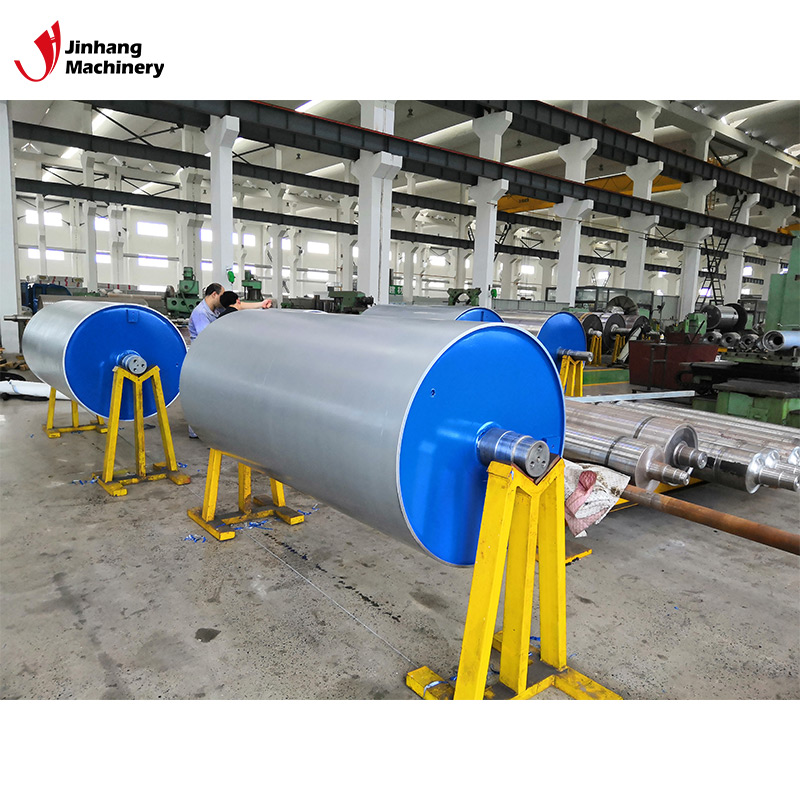
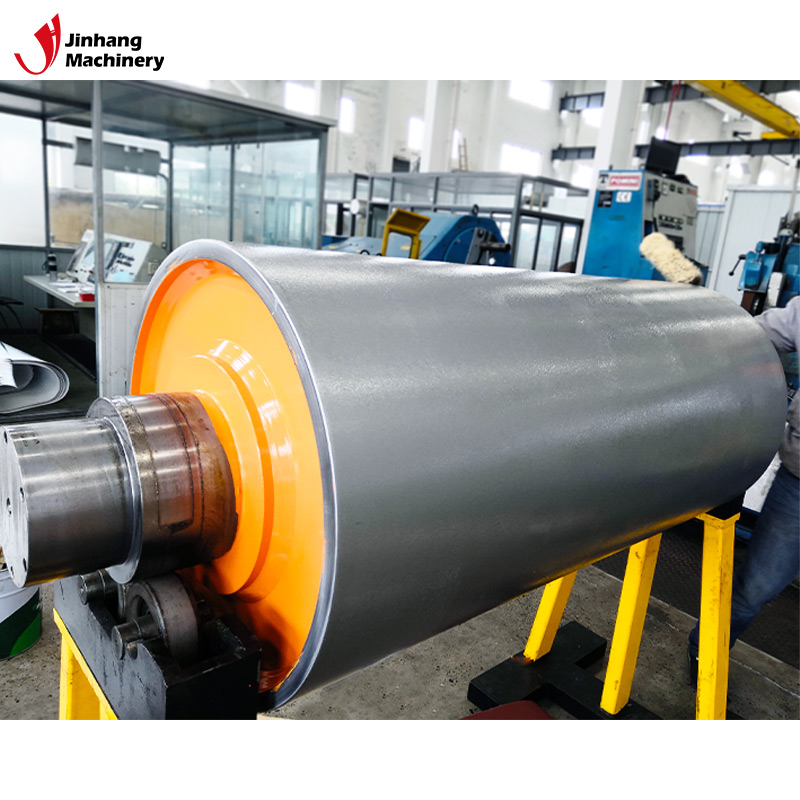
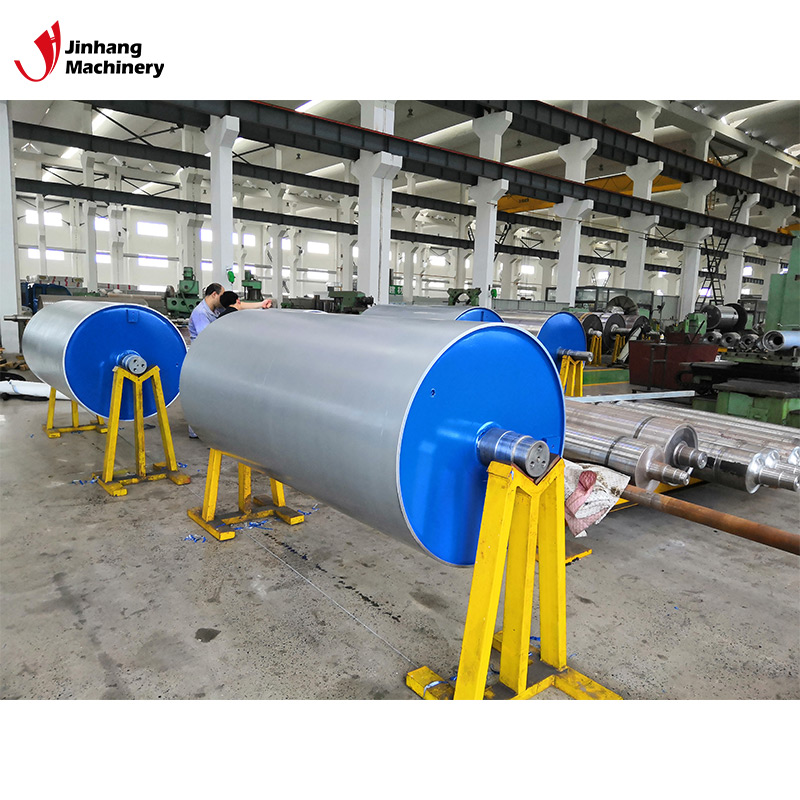
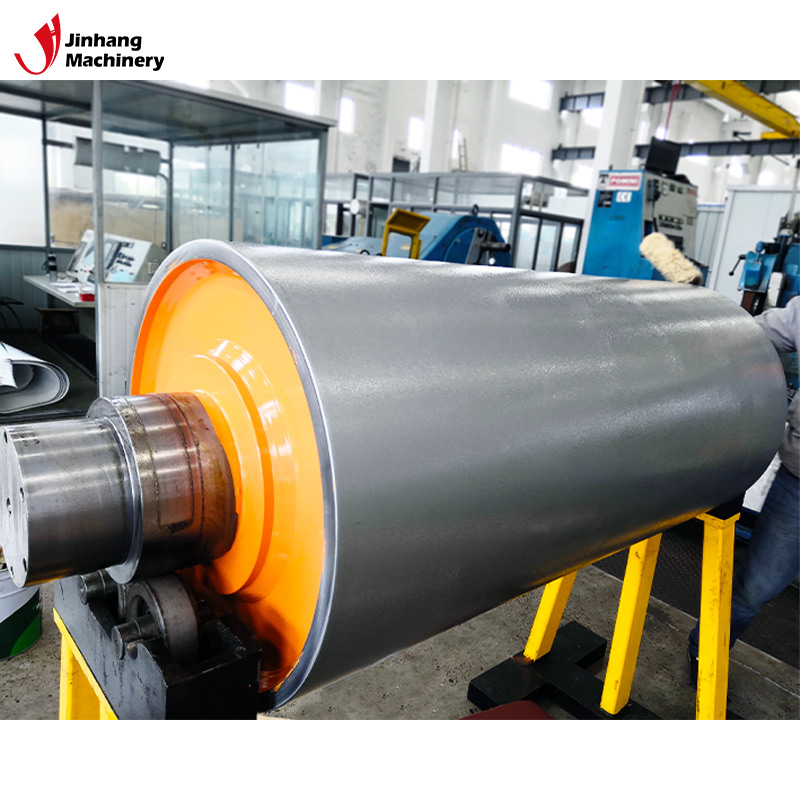
The rubber roller manufacturing process can be divided into the following stages:
1. Metal mandrel preparation (turning and cleaning)
2. Rubber formulation preparation and mixing
3. Rubber coating process (extrusion coating or calendering coating)
4. Vulcanization and curing (curing)
5. Precision grinding
6. Dynamic balancing
7. Surface treatment and final inspection
Vulcanization is the most common way of surface treatment for industrial rubber rollers. It forms a cross-linked structure by heating the rubber to a certain temperature and adding sulfur, thereby enhancing the hardness, heat resistance and wear resistance of the rubber.
Neoprene has good low temperature resistance and oil resistance, and its operating temperature range is roughly between -30°C and 120°C, so it is suitable for low temperature and medium high temperature application environments.
For severely damaged industrial rubber rollers, surface repair may not be able to fully restore their original performance. At this time, remanufacturing (i.e., complete reprocessing) may be a more appropriate choice.
The links in the steel industry that need to use rubber rollers are: raw material processing, hot rolling process, cold rolling process, surface treatment, and finished product transportation.
Industrial rubber rollers are essential in various manufacturing processes, including printing, pressing, extrusion, conveying, grinding, grinding, embossing, feeding, cooling, etc., and each application has specific roller requirements.
In some cases, moderate heat treatment can help restore the flexibility of the rubber roller. By heating the rubber roller to a certain temperature, the material structure of the rubber roller is softened, thereby restoring some elasticity and softness.