News

  • Is It Safe to Use Water as a Medium in Industrial Thin-Walled Rollers?
    01
    2026-06
    If a thin-walled roller is designed appropriately, it can operate stably even when utilizing water as the circulating medium. This is particularly true under low-temperature operating conditions, where water-based systems typically present no significant safety concerns.
  • Why are more and more customers choosing thin-walled rollers?
    08
    2026-05
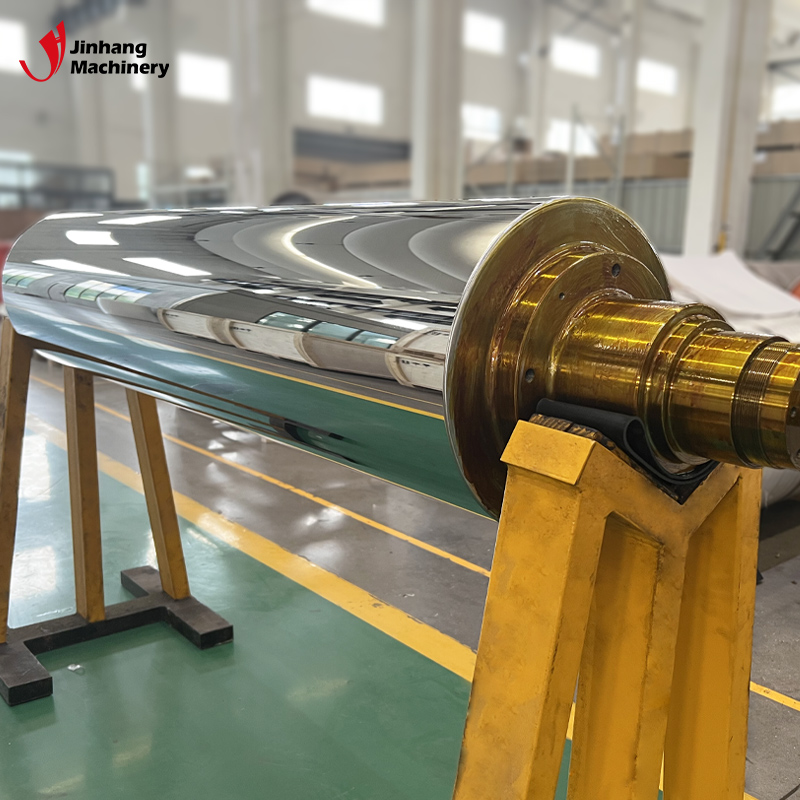
    Compared to traditional thick-walled rollers, thin-walled rollers typically possess the following characteristics: • Relatively thinner roller wall thickness • Lighter overall weight • Lower heat capacity • Faster thermal response • Higher requirements for design and manufacturing precision
  • Does the flow channel design of thin-walled rollers affect heat conduction?
    28
    2026-04
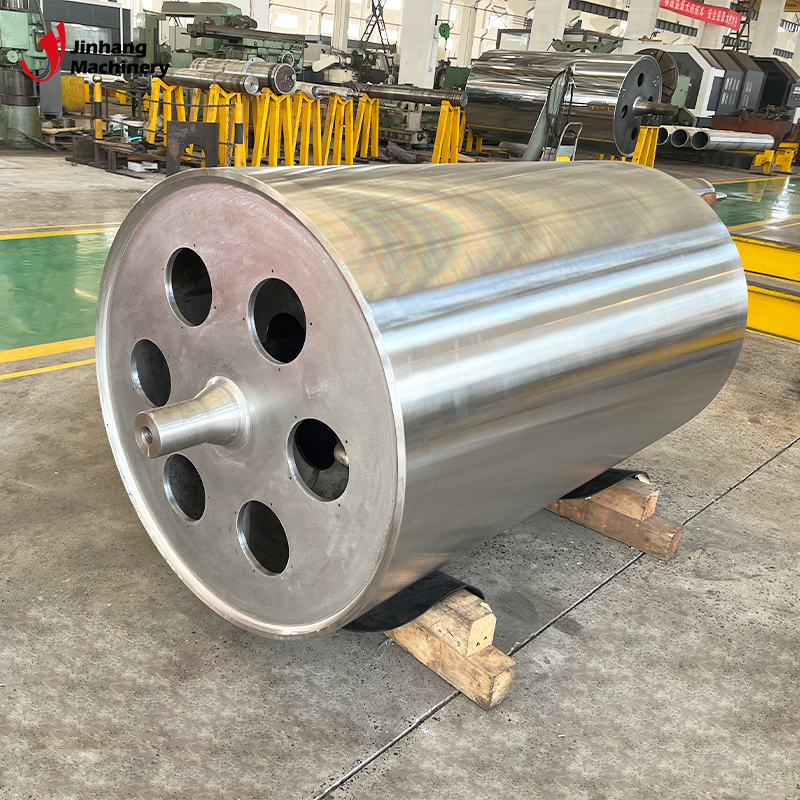
    —Yes. And it's not just that it "affects," but rather: In thin-walled rollers, the internal flow channel design is one of the key factors determining the quality of heat transfer performance, and in some cases, it is even more important than the wall thickness itself.
  • Do Industrial Thin-Wall Rollers Require Regular Wall Thickness Inspection?
    21
    2026-04
    Yes, regular wall thickness checks are necessary for industrial thin-walled rollers. However, it's important to emphasize that this "necessity" does not stem from the certainty that thin-walled rollers will malfunction, but rather from the following engineering considerations.
  • Is Thinner Always Better for Industrial Thin-Wall Rollers?
    16
    2026-03
    The idea that "the thinner the wall thickness of a thin-walled roller, the better" is not without basis, but stems from some real engineering advantages: • Reduced wall thickness → Reduced roller weight • Reduced weight → Reduced moment of inertia • Reduced moment of inertia → Faster start-stop response etc.
  • Which industries are suitable for industrial thin-walled rollers?
    09
    2026-03
    Because of their thinner walls, thin-walled rollers are designed with thermal performance and dynamic response in mind rather than extreme mechanical load-bearing capacity. This is why thin-walled rollers are more commonly found in industries like papermaking, film production, and textiles, and less frequently in heavy-duty rolling processes.

  • Why are industrial thin-walled rollers made so thin?
    10
    2026-02
    From an engineering logic perspective, a clear conclusion can be drawn: Making the roller body thinner is to reduce rotational inertia, improve thermal response, enhance temperature control, and optimize the overall system performance while meeting safety and stability requirements.
  • Is Water Cooling or Oil Cooling Better for Thin-Walled Rollers?
    14
    2026-01
    There is no absolutely "better" cooling method for thin-walled rollers. Water cooling and oil cooling each have their strengths, and the key is whether they match the specific working conditions, structural design, and operational requirements.

    40px

    80px

    80px

    80px

    Get the latest price? We will reply as soon as possible (within 12 hours)

    40px

    40px

    40px

    40px