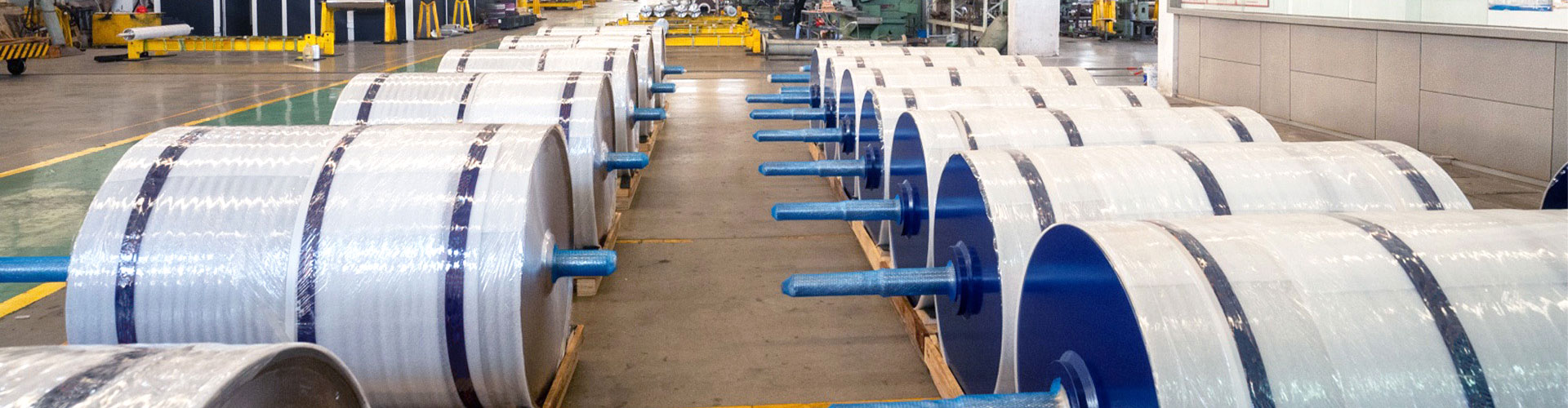
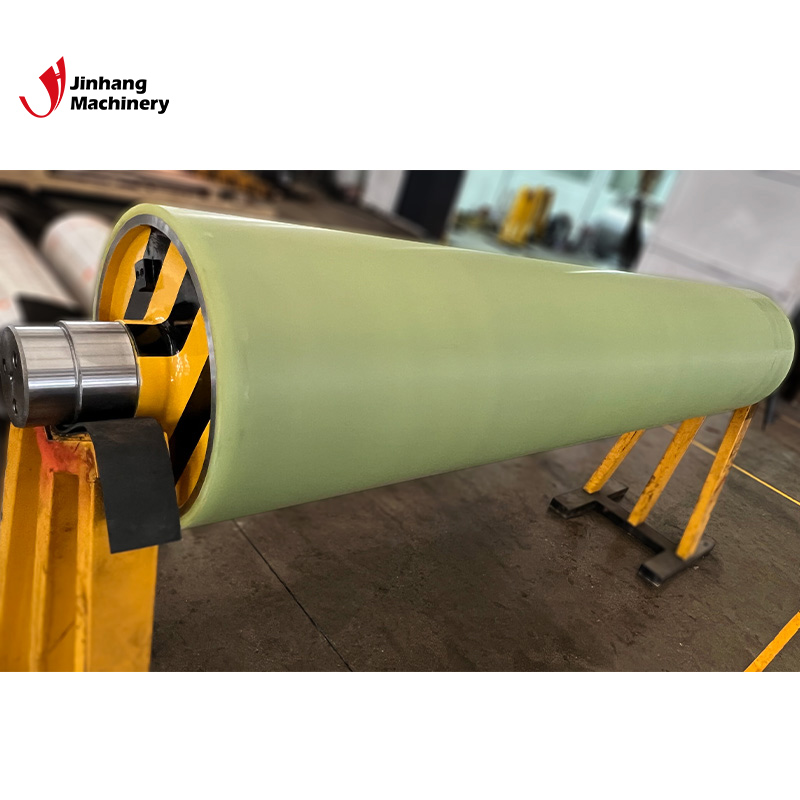
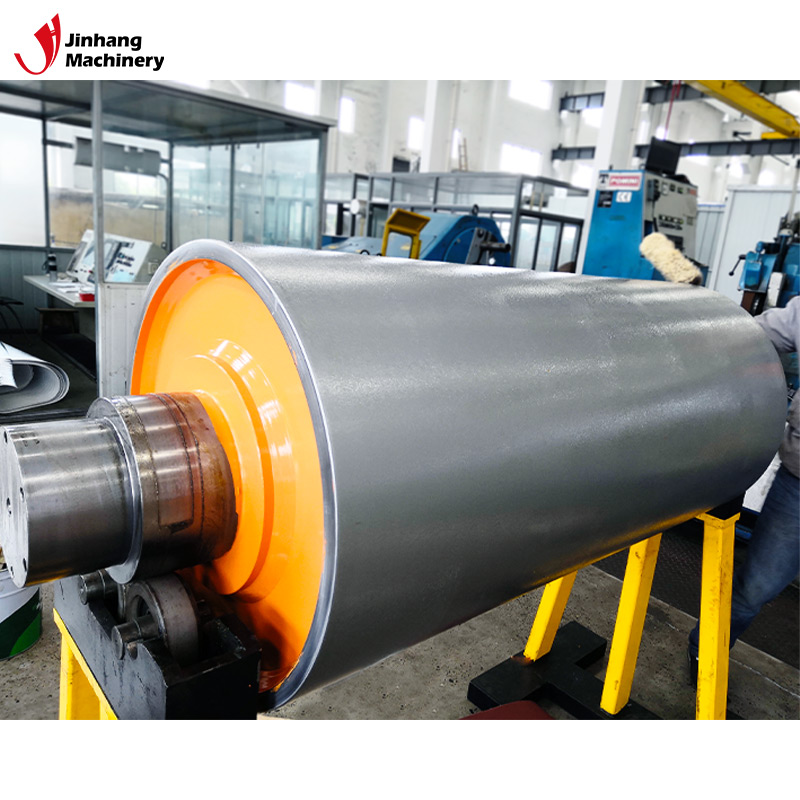
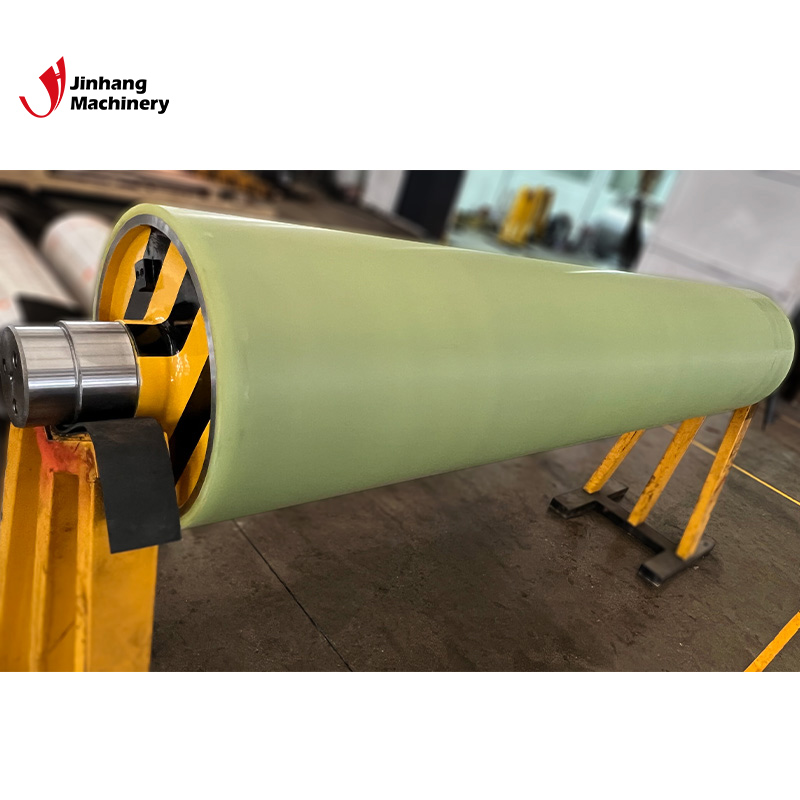
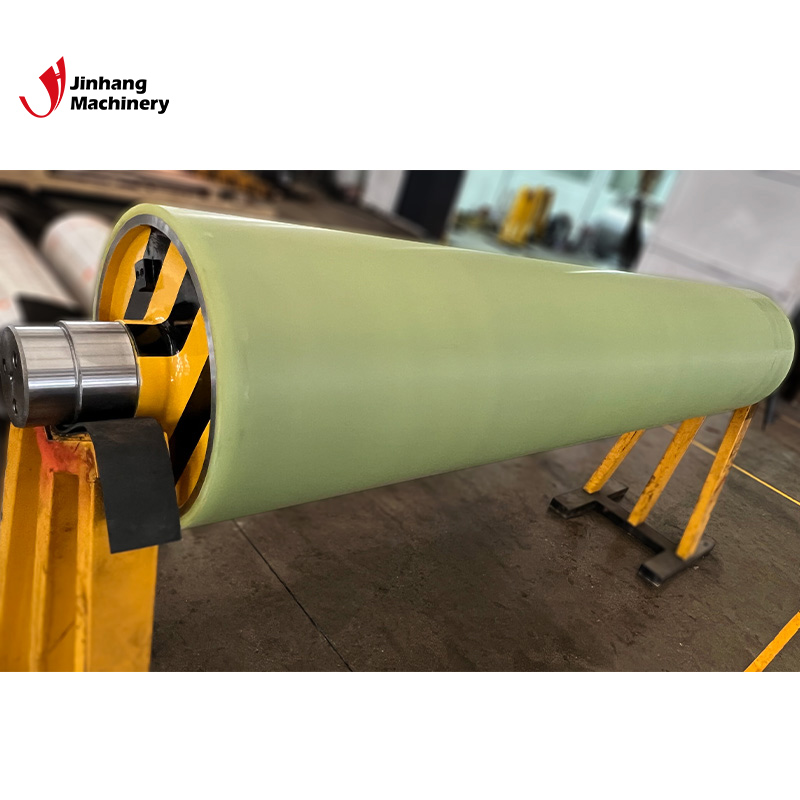
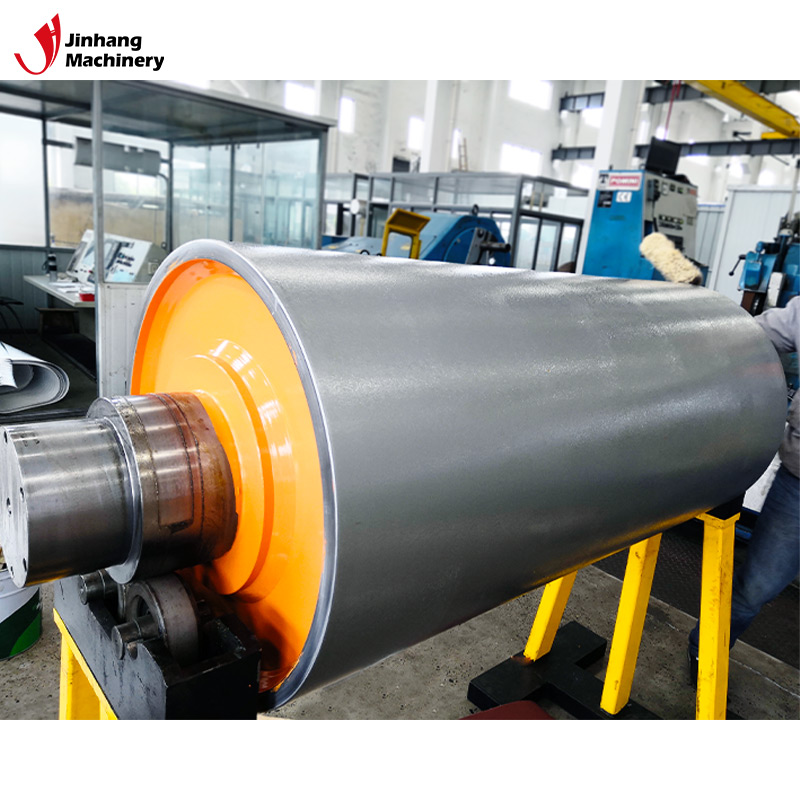
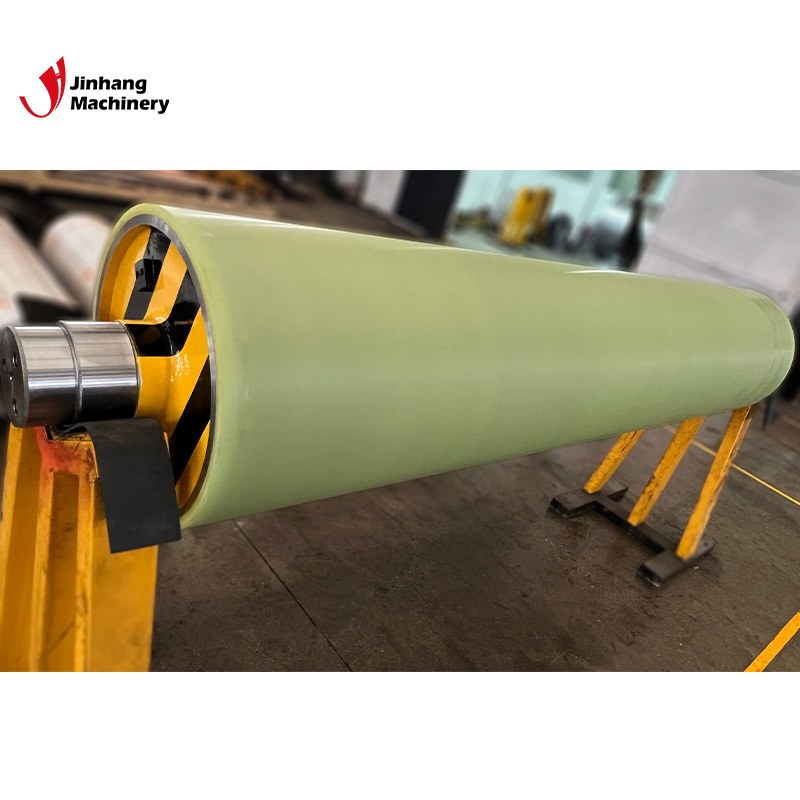
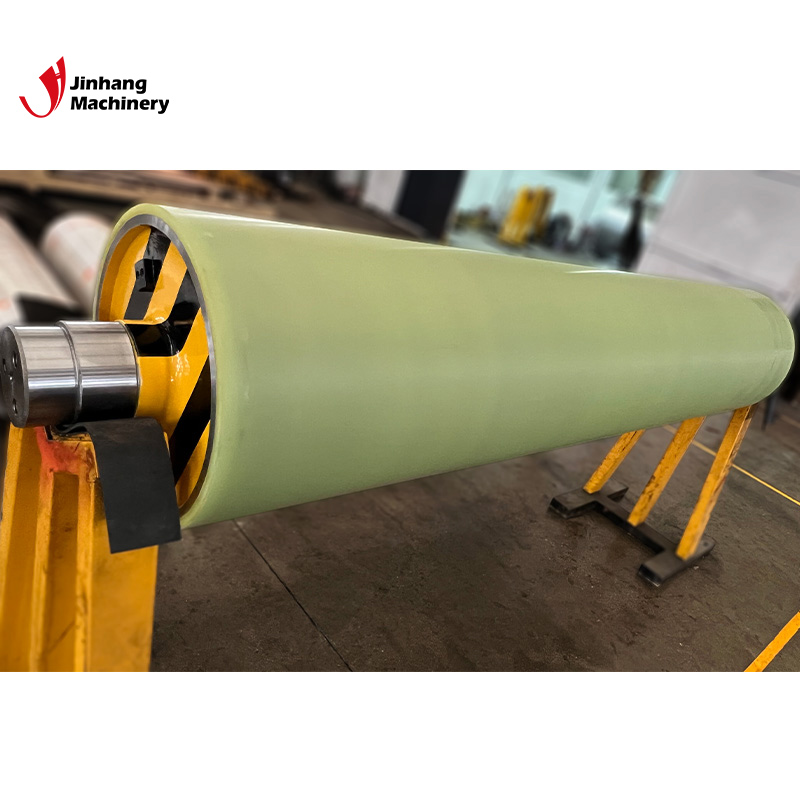
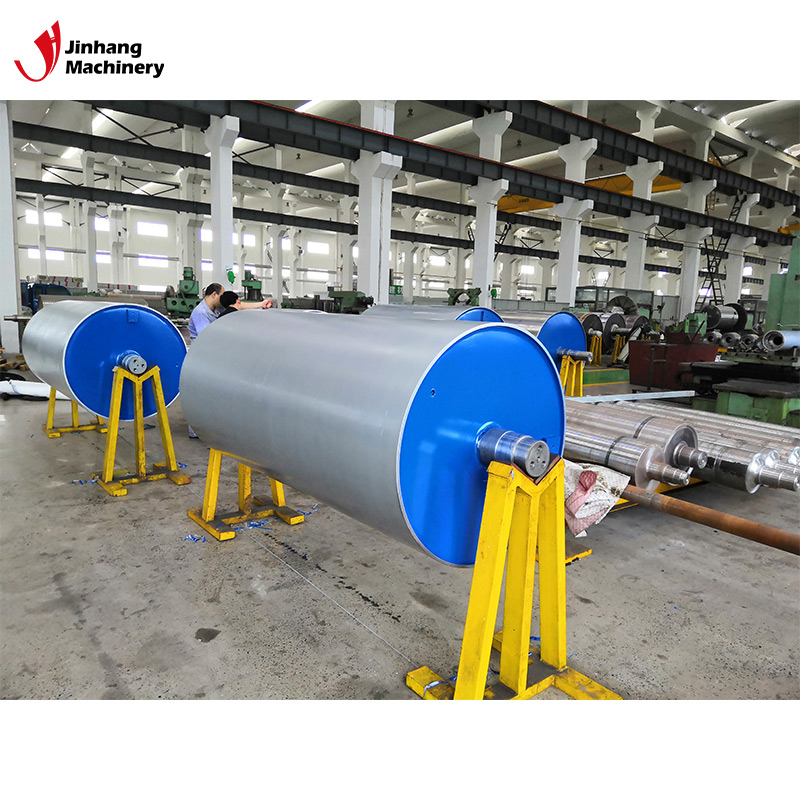
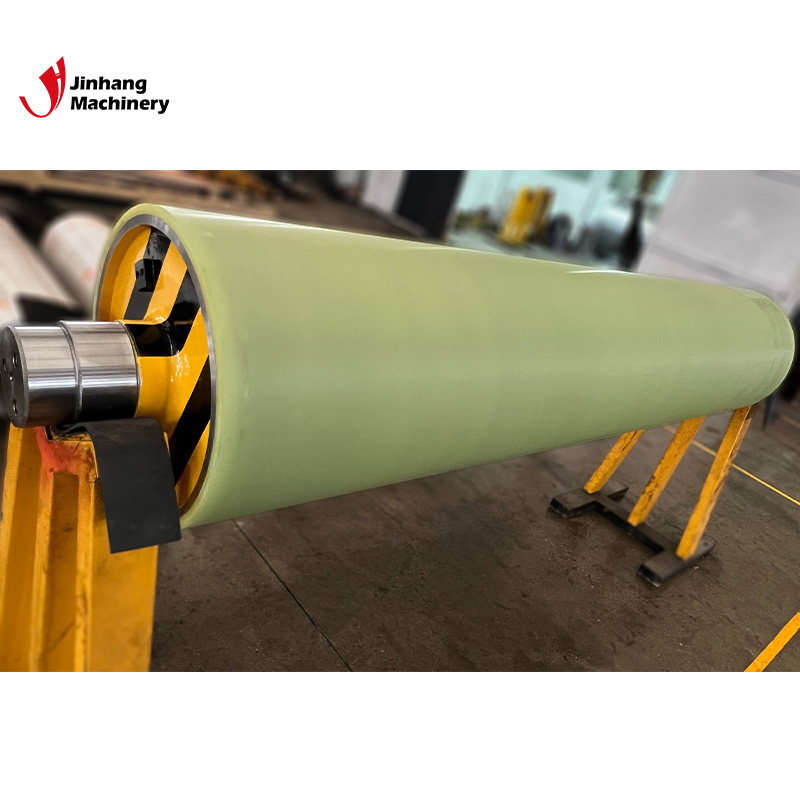
EPDM rubber rollers can be both hard and soft, with a very wide hardness range, generally between Shore A 40°–95°.
In other words:
• Soft EPDM rubber rollers: 40°–60° A
• Medium-hardness EPDM rubber rollers: 60°–75° A
• High-hardness EPDM rubber rollers: 75°–95° A
Rubber rollers can firmly grasp and transmit various materials, including paper, plastic film and metal foil, through their elasticity and friction. The elasticity of the rubber roller adapts to the thickness and surface characteristics of different materials, ensuring that there is no slipping, displacement or damage during the transmission process.
The links in the papermaking industry that need to use rubber rollers: pulp preparation, paper forming, paper drying, paper coating, paper finishing, etc.
The links in the steel industry that need to use rubber rollers are: raw material processing, hot rolling process, cold rolling process, surface treatment, and finished product transportation.
The links in the electronics industry that need to use rubber rollers include: circuit board manufacturing, electronic component mounting, display manufacturing, battery manufacturing, and semiconductor manufacturing.
Rubber rollers play multiple roles in the printing process, and their main functions can be summarized as: ink transfer, pressure application, paper transmission and cleaning functions.
Industrial rubber rollers are essential in various manufacturing processes, including printing, pressing, extrusion, conveying, grinding, grinding, embossing, feeding, cooling, etc., and each application has specific roller requirements.
Damage to the roller body or rubber surface is one of the most common defects of rubber rollers, mainly manifested as cracks, cracks, blistering, and depressions on the rubber surface. These damages are usually caused by long-term excessive pressure on the rubber roller, frequent mechanical shocks, or chemical corrosion.