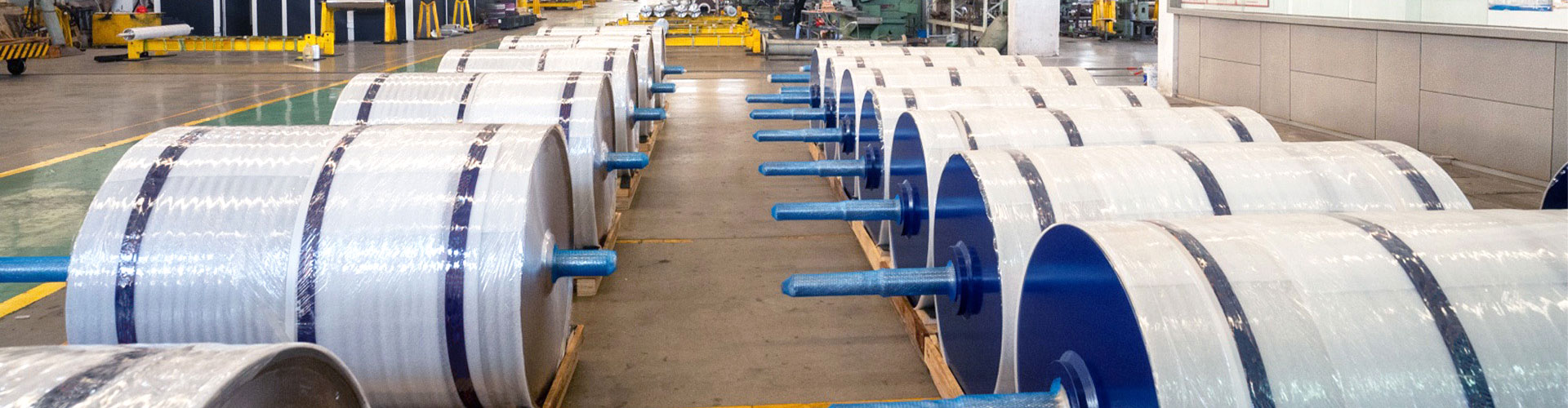
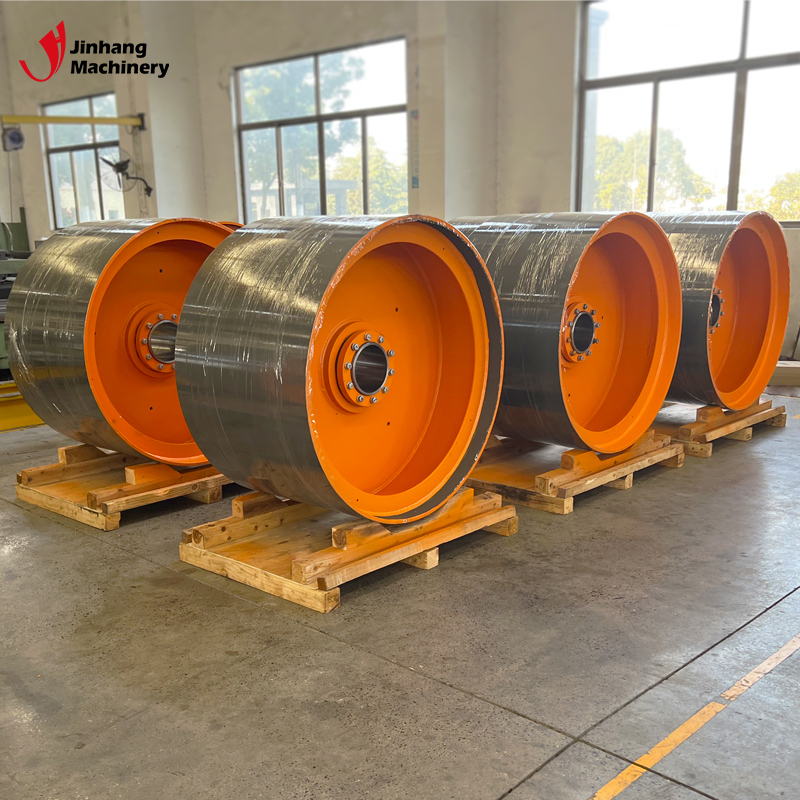
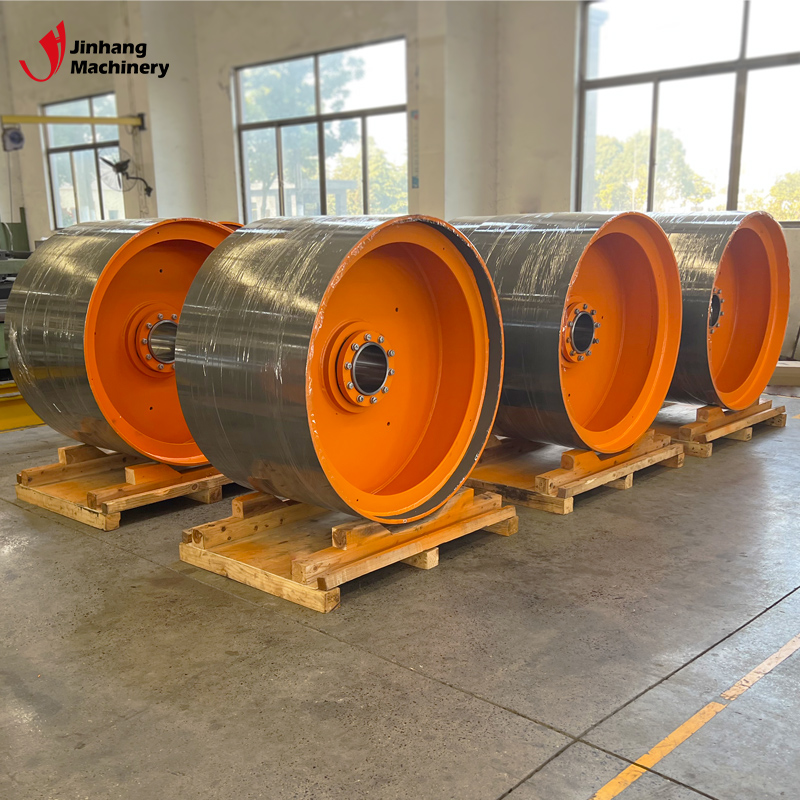
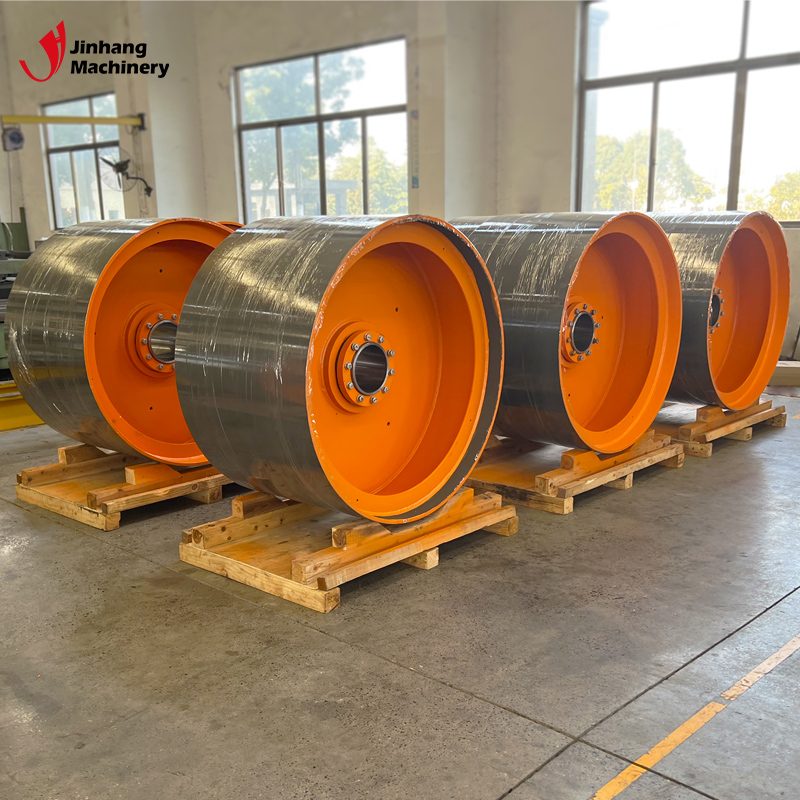
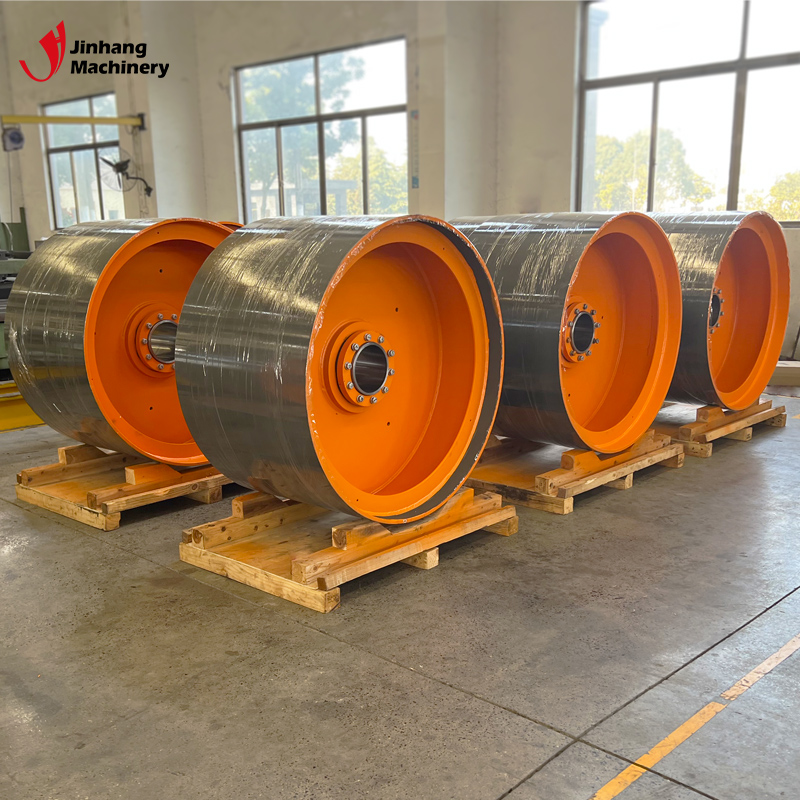
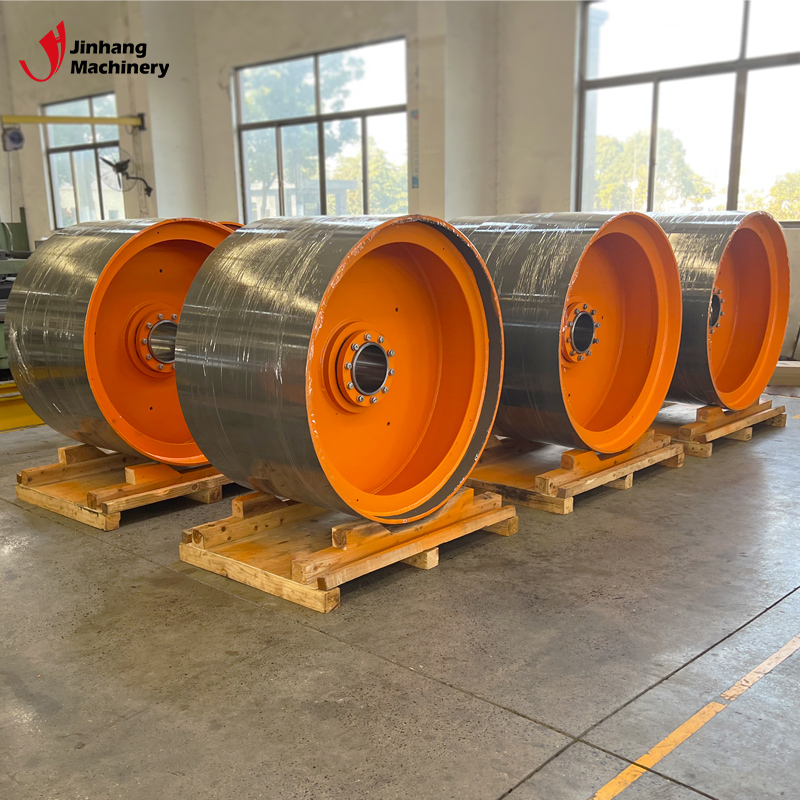
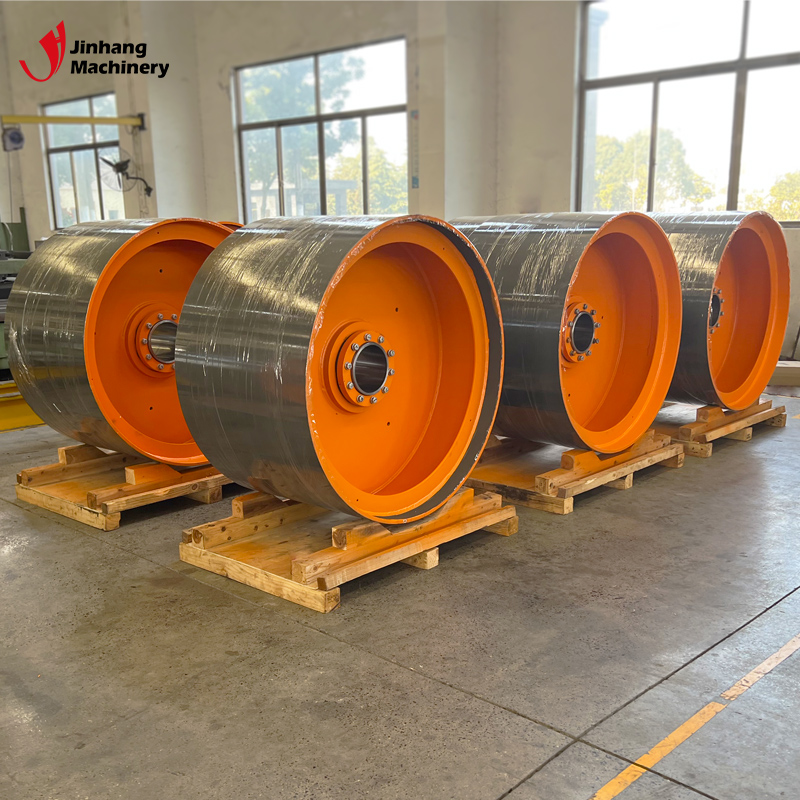
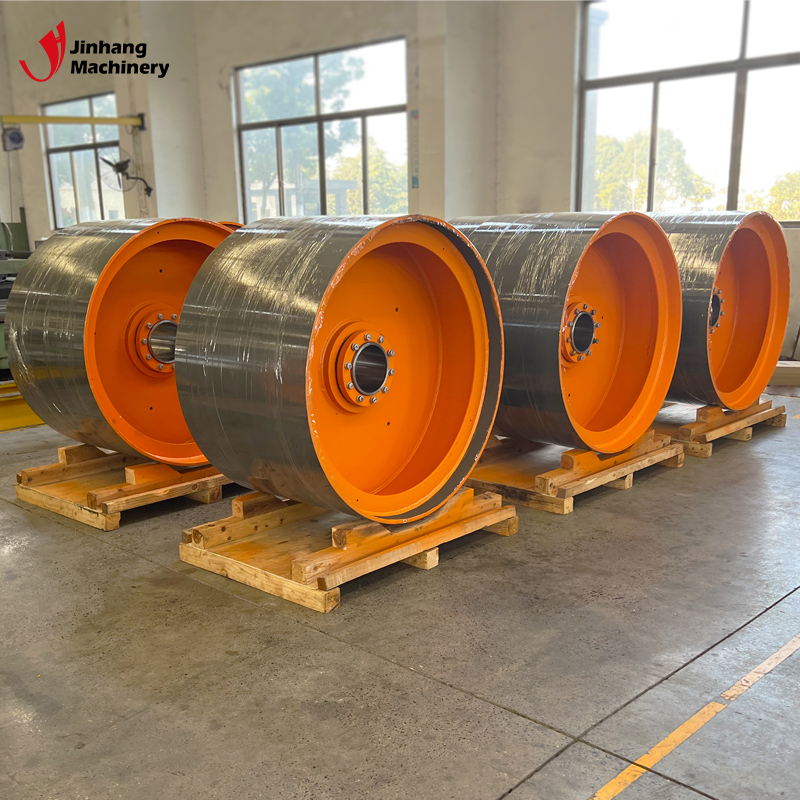
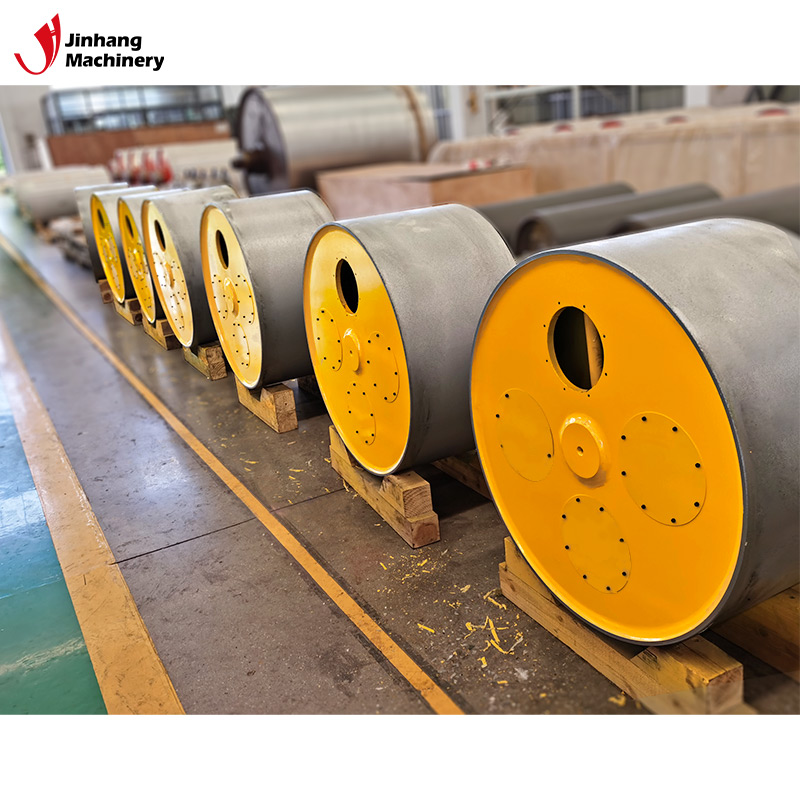
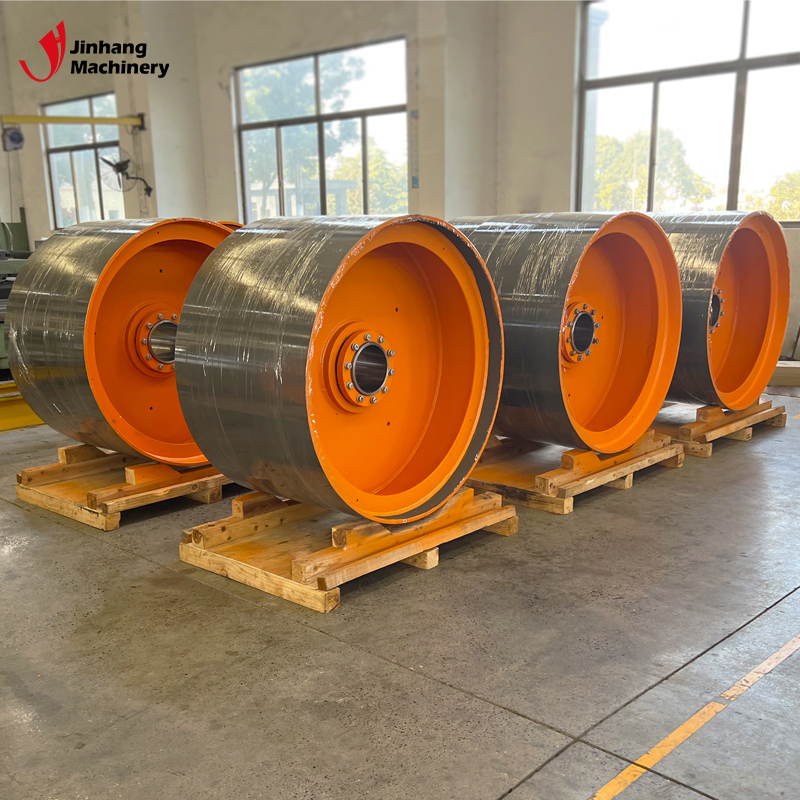
The Hardest Industrial Roller Coating: Tungsten Carbide
Excluding laboratory-grade diamond materials, tungsten carbide is generally considered one of the hardest and most practical coating materials for industrial rollers.
There is no roller that is "absolutely better than tungsten carbide coated rollers".
There are only rollers that are more suitable for specific operating conditions.
Tungsten carbide coated rollers are one of the most widely used, high-performance, and highly adaptable types of rollers in industry.
Tungsten carbide coated rollers are used in a wide range of applications, including:
• Plastic films
• Metal foils
• Functional materials
• Coating processes
• Paper processing
• High-precision calendering
• High-wear environments
In the industrial field, the hardness of tungsten carbide coated rollers typically ranges from HV1100 to HV1600.
These hardness parameters are far higher than those of ordinary steel rollers (HRC 30–55 ≈ HV 300–550) and significantly higher than chrome-plated surfaces (HV 800–1000).
A magnet will not attract the tungsten carbide coating itself.
However, whether a magnet can attract the entire "tungsten carbide coated roller" depends on whether the roller substrate is magnetic.
For example:
• If the substrate is carbon steel → magnetic → a magnet can attract it.
Polyurethane rollers have good flexibility, can absorb impact and reduce noise, and have good tolerance to most industrial chemicals. Compared with tungsten carbide, it is light in weight, low in cost, and not easy to cause damage to equipment.
There are certain differences in hardness and performance between cemented carbide rollers and tungsten carbide rollers. Tungsten carbide has extremely high hardness, which can reach 70-90 HRC, but due to the brittleness of tungsten carbide itself, its impact resistance and fatigue resistance are relatively weak.
The high development of modern coating technology has enabled the thickness of tungsten carbide coatings to achieve extremely high customization accuracy, and the error is usually controlled within ±0.01mm. This high-precision thickness control can meet the stringent requirements of industrial equipment for roller performance.
Pros of tungsten carbide rollers:
1. Extremely high hardness and wear resistance
2. Good thermal stability and high temperature resistance
3. Excellent corrosion resistance and chemical stability
4. Strong impact resistance and fatigue resistance
5. Precision machining and high surface quality
Cons of tungsten carbide rollers:
1. Brittle and prone to fracture
2. High cost
3. Difficult to process
4. Affected by high temperature
5. Affected by the external environment
The manufacture of tungsten carbide rollers is a complex process, involving multiple links from the selection of raw materials to the inspection of finished rollers. The following are the main steps in the manufacture of tungsten carbide rollers.
1. Preparation of alloy powder
2. Mixing and pressing of alloy powder
3. Sintering process
4. Rough processing and finishing
5. Surface treatment and strengthening
6. Finished product inspection