
How Long Does a Stainless Steel Heating Roller Need to Preheat?
In many industrial heat treatment, hot pressing, coating, laminating, drying, and plastic processing equipment, stainless steel heating rollers are standard and core heat transfer components. One of the most frequently asked questions by companies in actual use is: How many minutes does a stainless steel industrial heating roller need to preheat?
This question not only affects the equipment's start-up speed but is also closely related to product molding quality, stability, and energy costs.
To help companies more systematically understand the preheating patterns, temperature control principles, and influencing factors of stainless steel heating rollers, this article will provide an in-depth analysis from a professional perspective.
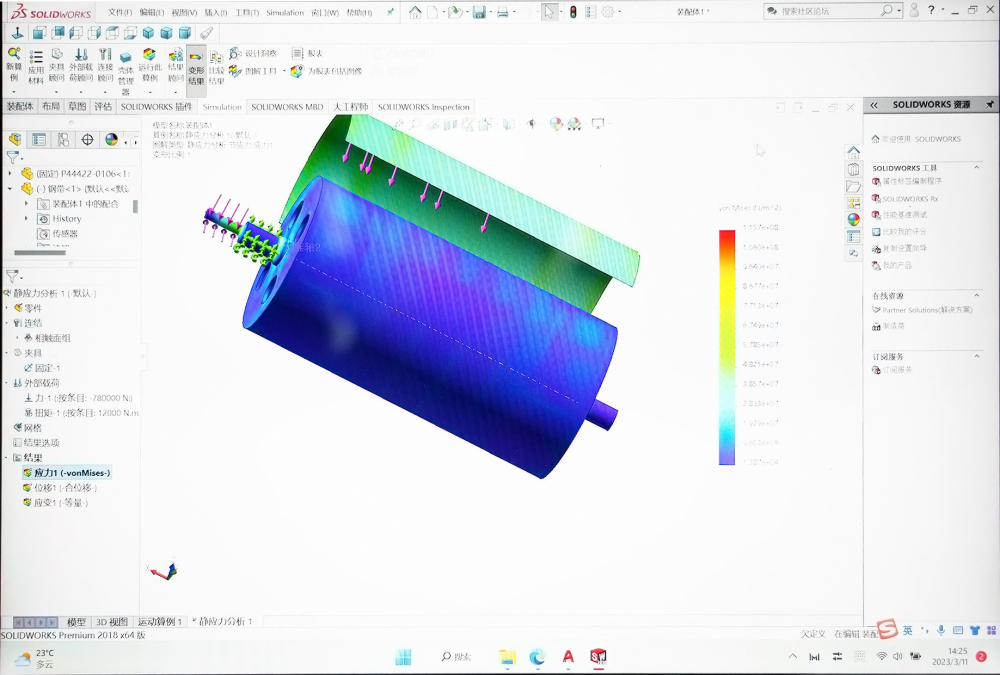
What Factors Determine the Preheating Time of a Stainless Steel Heating Roller?
Before determining how many minutes of preheating a stainless steel heating roller is required, it is essential to understand the key factors affecting the preheating time. These factors determine the heating rate, temperature uniformity, and whether a stable thermal field can ultimately be achieved.
1. Do the diameter and wall thickness of the stainless steel heating roller affect preheating?
Yes.
The larger the diameter and the thicker the wall, the greater the heat capacity of the heating roller itself, and the longer the preheating time.
• Small diameter rollers (≤200mm): Faster preheating speed
• Medium diameter rollers (200–500mm): Moderate preheating time
• Large rollers (over 500mm): Significantly increased preheating time
Because stainless steel heating rollers must heat the entire circumference to a nearly uniform temperature, the larger the roller, the more heat it needs to absorb, naturally extending the preheating time.
2. Does the heating medium affect the preheating speed of stainless steel heating rollers?
Yes, and the effect is significant.
Common media include:
• Hot water
• Cold water (used for cooling, not heating)
• Heat transfer oil (high-temperature oil)
• Steam
• Electric heating element (internal or external)
The thermal efficiency is roughly ranked as follows:
Steam > High-temperature heat transfer oil > Hot water > Electric heating element
This means that different heating methods will directly affect the preheating time.
3. Will the target temperature of the stainless steel heating roller change the preheating time?
It will definitely change.
For example:
• Target temperature 60°C, shorter preheating time
• Target temperature 120°C, significantly increased time
• Target temperature above 180°C, requiring a longer thermal stabilization process
High-temperature applications (such as calendering and lamination) typically require a more precise and stable thermal field, thus naturally requiring a longer preheating time.
4. Does the heating system power affect preheating time?
Higher power results in faster heating and shorter preheating time.
However, insufficient power makes it difficult to reach the required temperature quickly, even with prolonged heating, and makes achieving temperature uniformity even more challenging.
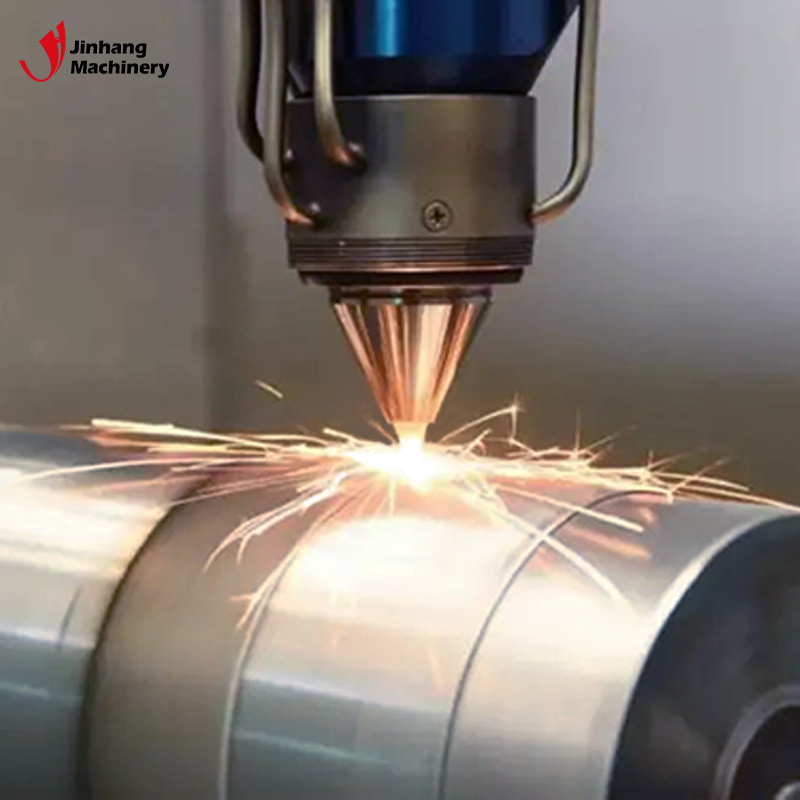
How many minutes of preheating are typically required for stainless steel heating rollers?
Based on industry experience, the structural characteristics of the heating rollers, and the thermal stability requirements of stainless steel, a relatively clear conclusion can be drawn.
1. Typical Preheating Time for Standard Stainless Steel Heated Rollers:
➡ Typical preheating time: 30–45 minutes
This time range applies to the following conditions:
• Common stainless steel heated roller diameters (200–400 mm)
• Heating temperature 80°C–120°C
• Heat transfer medium is thermal oil or high-temperature hot water
• Appropriately matched heating system power
Under these conditions, most stainless steel heated rollers can complete the heating process from cold to operating temperature within 30–45 minutes.
2. How much longer will the preheating time be for large stainless steel heated rollers?
➡ Preheating time for large stainless steel heated rollers can reach: 50–90 minutes
For example:
• Diameter ≥ 500 mm
• Target temperature ≥ 150°C
• Heat transfer medium is thermal oil
These conditions will significantly lengthen the preheating time because the roller body has a higher heat capacity.
3. Will the preheating time be shorter if the target temperature is lower (e.g., 40–60°C)?
Yes.
➡ Low-temperature preheating generally only requires: 15–25 minutes.
This is commonly seen in:
• Flexible material composites
• Thin film preheating
• Low-temperature coating processes in textiles
Why must stainless steel heating rollers be fully preheated?
Many users believe that production can begin once the set temperature is reached, but this is not the case in industrial practice. Stainless steel heating rollers must undergo a complete preheating process for the following reasons:
1. Stainless steel heating rollers require temperature uniformity. How can this be achieved?
Stainless steel heating rollers can only provide stable heat transfer when the surface temperature difference is ≤0.5°C.
If preheating is insufficient:
• The outer layer of the roller has already risen in temperature.
• The inner layer of the roller remains cooled.
This results in an uneven surface thermal field.
2. Is ensuring stable product quality the core purpose of preheating?
Yes.
The Influence of Preheating on the Thermal Stability of Stainless Steel Heating Rollers:
• Pressure Distribution
• Material Adhesion
• Composite Strength
• Surface Finish
• Finished Product Thickness Uniformity
Failure to preheat can lead to quality problems such as streaks, uneven thickness, and poor composite bonding.
3. Can preheating prevent the generation of thermal stress during the heating process of the heating roller?
The preheating process allows the roller body to heat up gradually from the inside out, ensuring a more even temperature distribution and preventing the rapid accumulation of thermal stress, thus reducing the risk of metal fatigue.
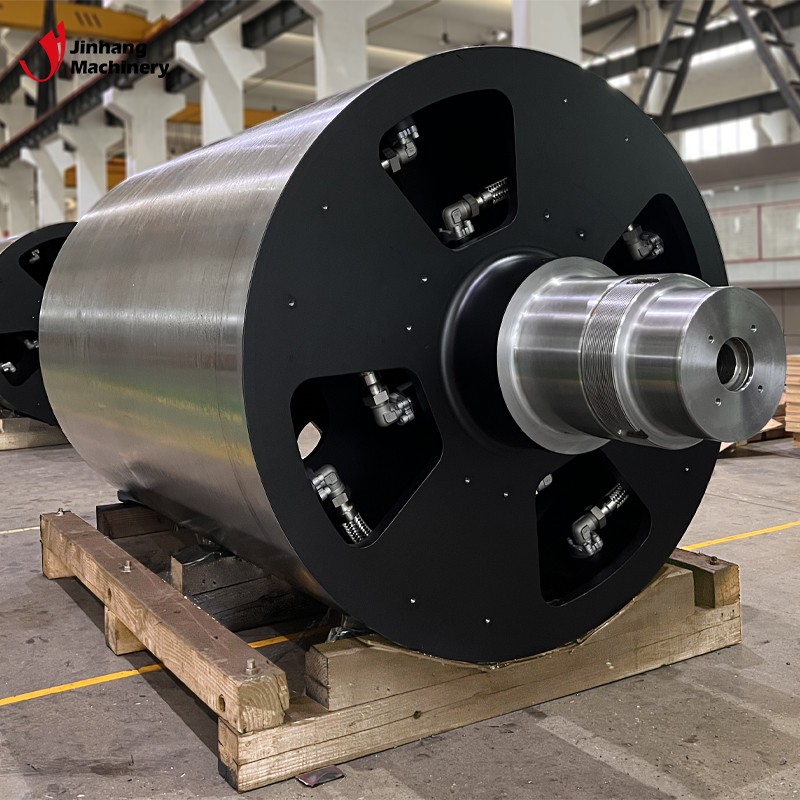
How to Determine if the Preheating Temperature of a Stainless Steel Heating Roller Has Reached Stability?
In industrial production, the following standards must be met to determine whether a stainless steel heating roller has reached a "production-ready" state:
1. Is Temperature Difference Control Up to Standard?
General Requirements:
➡ Surface Temperature Difference ≤ 0.5°C
This is a key indicator determining the thermal stability of the stainless steel heating roller.
2. Is the Heat Transfer Medium Circulation Stable?
Hot water or heat transfer oil must achieve a stable flow rate and pressure to ensure consistent heat exchange efficiency.
3. Does the surface temperature remain stable for 5–10 minutes without fluctuation?
This is an effective standard for verifying the stability of the temperature control system.
What are the effects of insufficient preheating of stainless steel heating rollers?
Many companies, in order to save time, often start up the machine before it is fully preheated, which can have serious consequences:
1. Uneven heating of the material, leading to product defects
For example:
• Whitening at both sides, shiny in the middle
• Uneven thickness
• Surface haze, wrinkling
• Localized overheating and deformation
2. Hot spots or temperature drift on the stainless steel heating rollers
Causing:
• Long-term temperature deviation
• Increased load on the temperature control system
• Decreased efficiency of the heat transfer medium circulation
3. Shortened equipment lifespan
Frequent thermal shocks increase metal fatigue, making stainless steel heating rollers more prone to:
• Microcracks
• Deformation
• Surface damage
Does the preheating time of stainless steel heating rollers vary under different heating media?
The efficiency of different heating methods varies greatly, directly determining the preheating time.
1. How effective is preheating when using hot or cold water circulation?
Cold water can only be used for cooling, while hot water, as the heating medium:
• Suitable for low-temperature processes
• Faster heating rate
• Preheating time is typically between 20–40 minutes.
2. Does the preheating time take longer when using heat transfer oil?
When using heat transfer oil (120–200°C) in high-temperature processes:
• Higher temperature
• Larger heat capacity
• Slower heating
Preheating time typically requires 40–90 minutes.
3. Does steam heating shorten the preheating time?
It will shorten it significantly because steam condenses and releases a large amount of latent heat.
Generally:
• Smaller diameter
• Temperature 100–150°C
Preheating time can be controlled between 15–30 minutes.
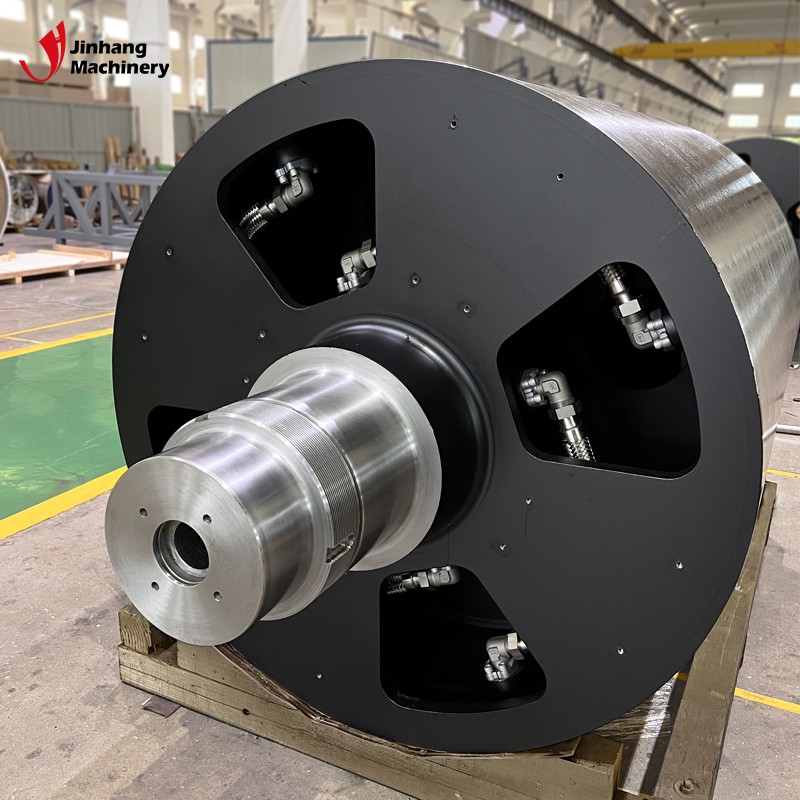
How to improve the preheating efficiency of stainless steel heating rollers?
To reduce start-up waiting time, improvements can be made in both structure and operation.
1. Enhance the speed and stability of heat transfer medium circulation
Including:
• Using high-flow pumps
• Increasing inlet temperature
• Optimizing pipeline structure
2. Selecting appropriate heating methods
For example, using heat transfer oil for high-temperature requirements and steam for rapid heating requirements.
3. Avoiding frequent shutdowns and maintaining a suitable roller temperature
Some industries choose "constant temperature standby" to reduce the time required for reheating each time.
4. Employing bidirectional circulation or spiral flow channel designs
Improving heat exchange efficiency, allowing the stainless steel heating rollers to quickly reach a uniform temperature.