
Is Nitrile Rubber Waterproof?
In industrial environments, the performance of rubber rollers is often directly related to production efficiency, safety, and equipment lifespan. This is especially true for production lines involving liquid media, humidity, or water vapor environments, which demand high levels of water resistance, stability, and chemical resistance from the rubber rollers.
Among many rubber materials, NBR rubber rollers (nitrile rubber rollers) are widely used due to their unique molecular structure, excellent oil resistance, and good watertightness. So, is nitrile rubber truly waterproof? In what environments does it perform best? Is its waterproofing ability superior to other industrial rubber rollers?
This article will systematically answer these questions, exploring the waterproofing capabilities and related characteristics of NBR rubber rollers in depth, from material properties and structural characteristics to application conditions, providing professional reference for engineers, purchasing personnel, and factory managers who need to select rubber rollers.
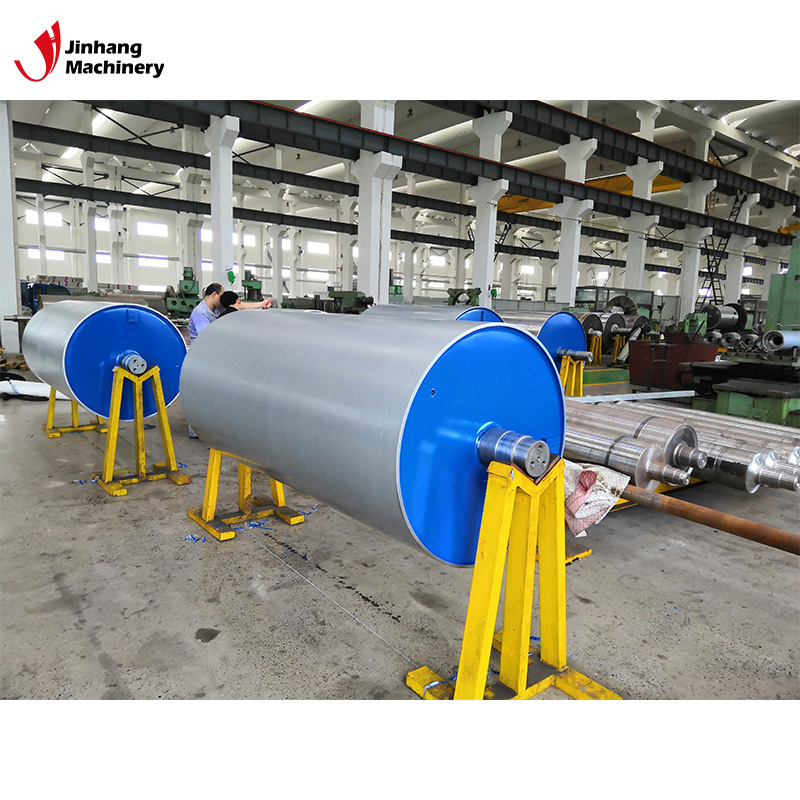
Is NBR rubber waterproof?
Simple answer: Yes, nitrile rubber rollers have excellent water resistance.
NBR material (nitrile rubber) has good watertightness and resistance to water vapor, allowing NBR rubber rollers to maintain structural stability and sustained performance in water environments at normal temperatures and even higher temperatures.
Nitrile rubber is waterproof because of its:
• High molecular polarity and dense structure
• Extremely low permeability to water molecules
• Weak surface water absorption, not prone to swelling
• Does not undergo significant degradation even after prolonged immersion in water
In other words, water does not damage the physical structure or chemical stability of nitrile rubber rollers.
Why does NBR rubber have good water resistance?
The molecular chain of nitrile rubber (NBR) contains acrylonitrile components, which determine the material's polarity and dense structure. Because of this structure, NBR rubber rollers can effectively prevent water molecules from penetrating and being absorbed.
The core basis of NBR's water resistance includes:
1. High acrylonitrile content enhances material density
The higher the acrylonitrile content, the stronger the water resistance of NBR.
The dense material structure makes it more difficult for water to enter the rubber interior, so NBR rubber rollers can maintain elasticity and strength in humid environments.
2. Extremely low water absorption rate
The water absorption rate of nitrile rubber is usually much lower than that of natural rubber or other industrial synthetic rubbers. Low water absorption rate means:
•It will not swell due to water absorption.
•It will not cause geometric dimension deviations.
•It maintains stable performance even after long-term use.
Therefore, NBR rubber rollers are particularly suitable for machines that come into contact with water, coolants, emulsions, and other media.
3. Excellent airtightness and watertightness
Nitrile rubber has good airtightness, which means its watertightness is also strong. For example, it can effectively prevent steam, water molecules, and some volatile liquid components from penetrating the material.
Therefore, NBR rubber rollers will not experience surface softening or delamination problems even when operating in high-humidity environments.
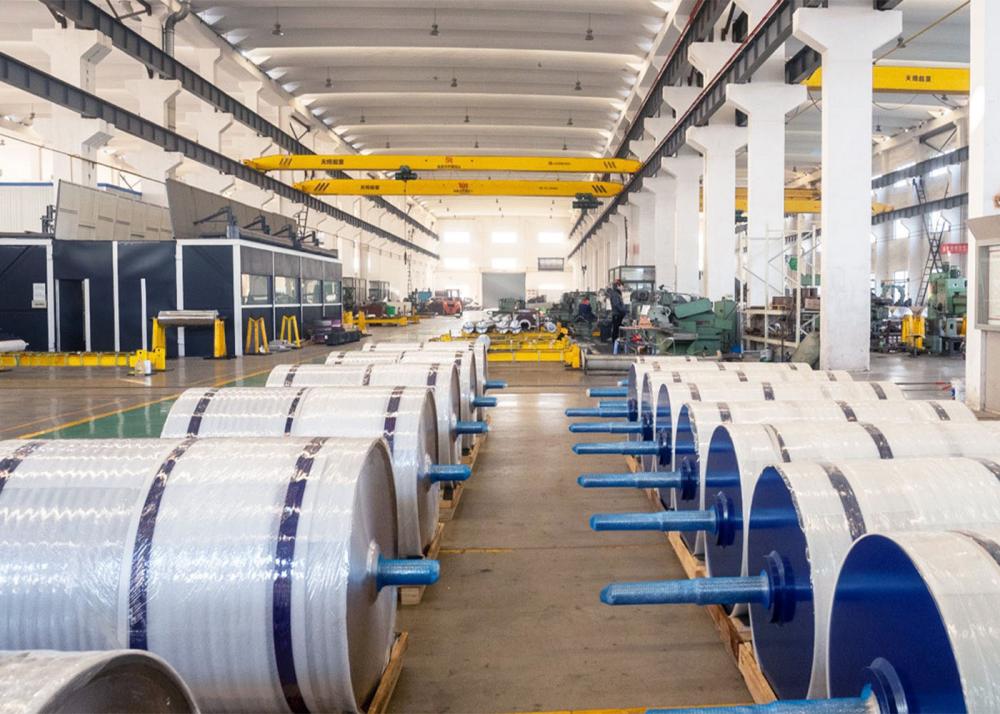
Is the water resistance of NBR rubber rollers affected by temperature?
Many users are concerned about:
“Do NBR rubber rollers remain waterproof in high-temperature water or steam environments?”
The temperature resistance range of nitrile rubber is:
•Stable for long-term use in air at 120°C
•Maintains performance in oil at 150°C
For warm water and heated water environments, NBR rubber rollers still maintain good waterproof and media resistance properties.
However, it should be noted that:
•NBR is not a high-temperature steam resistant rubber (for example, EPDM is suitable for high-temperature steam)
•When the water temperature exceeds 100°C, the material may experience slight softening.
However, at conventional industrial water temperatures (0°C to 80°C), NBR rubber rollers can operate stably and maintain a robust structure.
Are NBR rubber rollers stable in water and oil-water mixed environments?
One of the biggest advantages of nitrile rubber is:
It is both waterproof and oil-resistant!
Because NBR has high resistance to oils, in many environments containing:
•Water
•Coolants
•Oil-water emulsions
•Light mineral oils
•Industrial lubricants
NBR rubber rollers hardly swell, age, or soften.
Compared with other rubbers, NBR performs more stably in oil-water mixed media, making it one of the preferred materials for:
•Printing machinery
•Papermaking equipment
•Metal processing roller systems
•Lubrication and cooling system equipment
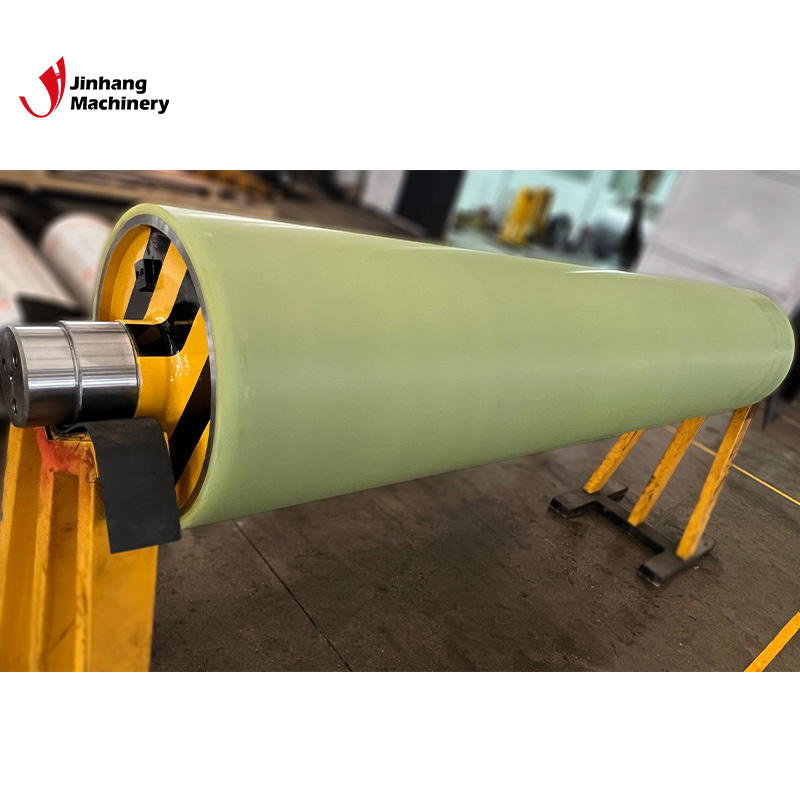
How do NBR rubber rollers maintain watertightness and airtightness?
Nitrile rubber maintains its watertightness through the following characteristics:
1. Tight molecular arrangement, preventing penetration
The highly polar structure results in fewer pores within the rubber, making it difficult for water to penetrate.
2. Excellent aging resistance
Water does not accelerate its aging, so even with prolonged immersion, its surface will not crack or powder.
3. Strong adhesive coating formula
The coating of NBR rubber rollers is usually firmly bonded to the core, making it difficult for water to penetrate the inner layers.
4. Stable elasticity
Even if it absorbs a small amount of water (at a very low level), the material will not lose its elasticity due to expansion.
These factors collectively form the basis of the excellent waterproof performance of NBR rubber rollers.
Will the waterproof performance of NBR rubber rollers decrease due to usage conditions?
Although NBR has good waterproof properties, the following factors can reduce its lifespan or performance:
1. Ultra-high temperature hot water or steam
NBR is not suitable for high-temperature steam. Once the temperature exceeds 120°C, the rubber material may:
• Surface aging
• Loss of elasticity
• Hardening or cracking
2. Strong acid and strong alkaline aqueous solutions
Although water-resistant, NBR is not resistant to strong polar chemicals, such as:
• Concentrated sulfuric acid
• Strong alkaline solutions
• Strong oxidizing agents
These solutions will damage the rubber surface, reducing its waterproof performance.
3. Cracks caused by long-term mechanical compression
When NBR rubber rollers are frequently subjected to low-speed, high-pressure wear, even if waterproof, micro-cracks may appear due to mechanical fatigue, allowing water to penetrate the surface layer.
Therefore, to ensure long-term stable waterproof performance, it is recommended to:
• Avoid high-temperature steam
• Avoid contact with strong acids and bases
• Regularly check for surface wear
How does the waterproof performance of NBR rubber rollers compare to other rubber rollers?
Comparison of waterproof performance of commonly used rubber materials:
Rubber Types | Waterproof Rating | Notes |
| NBR rubber roller (Nitrile) | ★★★★☆ | Excellent water resistance, performs even better in oil-water mixed environments |
| EPDM rubber roller | ★★★★★ | Performs best in water, steam, and ozone environments, but has poor oil resistance |
| Natural rubber roller | ★★☆☆☆ | Prone to swelling in water environments |
| Chloroprene rubber roller (CR) | ★★★☆☆ | Moderate water resistance |
| Silicone rubber roller | ★★★★☆ | Good water resistance but poor oil resistance |
Evaluation Summary
• If mainly in contact with water: EPDM is stronger
• If in contact with water + oil: NBR rubber rollers are undoubtedly the most suitable
Therefore, in most industrial applications, the waterproof performance and overall performance of NBR rubber rollers are highly advantageous.
How to determine if NBR rubber rollers can meet your waterproof requirements?
You can evaluate from the following aspects:
1. Operating environment temperature
If the water temperature is below 90°C, NBR is perfectly suitable.
2. Is there contact with oily media?
If the equipment involves an oil-water mixture, NBR is the safest choice.
3. Is there steam present?
If high-temperature steam is present, EPDM should be considered instead of NBR.
4. Operating pressure and mechanical load
High-load equipment requires an NBR formulation with a high acrylonitrile content to enhance stability.
5. Requirements for roller surface hardness
NBR allows for easy adjustment of hardness, suitable for various roller surface functions.
If the above conditions are met, NBR rubber rollers can basically ensure watertightness and long-term reliability.
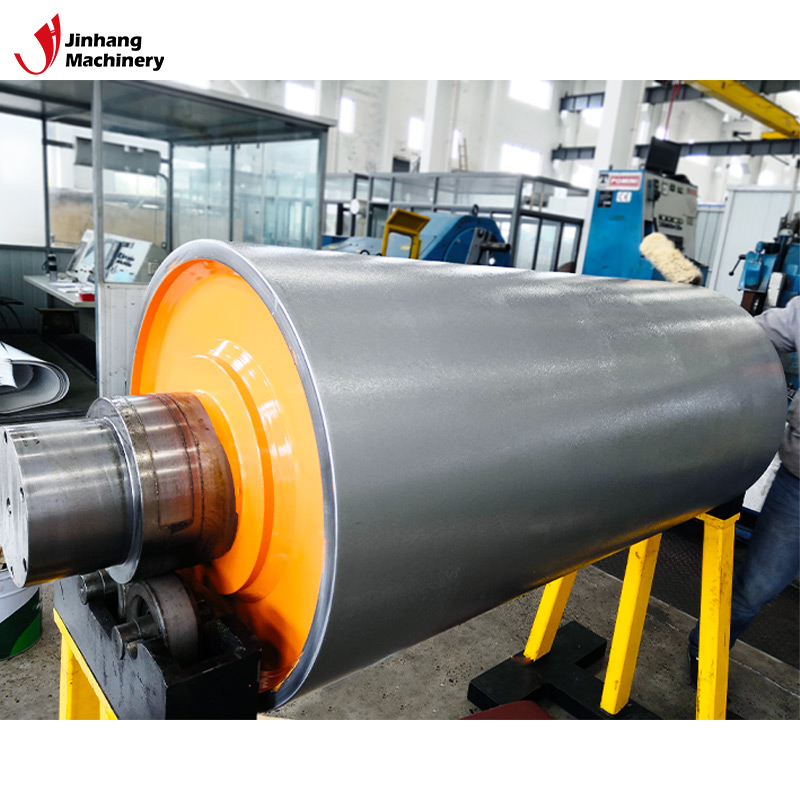
Is the water resistance of NBR rubber rollers sufficient?
NBR rubber rollers have excellent water resistance.
Its advantages include:
• Low water absorption rate, not prone to swelling
• Dense material structure, making it difficult for water to penetrate
• Excellent performance in oil-water mixed environments
• Can be in contact with water for a long time within a certain temperature range
• Maintains good airtightness and mechanical stability simultaneously
If your equipment needs to operate in a water environment or an oil-water mixed environment, NBR rubber rollers are almost one of the most reliable choices.
Unless the equipment needs to withstand high-temperature steam, the water resistance of NBR is completely sufficient to meet industrial requirements.
What makes your company a reliable industrial roller manufacturer?
As a long-established industrial roller manufacturer, Jinhang Machinery provides engineered rollers built for demanding working environments. Our 13,000 m² facility houses advanced CNC lathes, POMINI grinders, dynamic balancing machines, PU casting systems, and automated welding lines.
We manufacture chill rollers, rubber rollers, PU rollers, ceramic anilox rollers, and heated rollers with tight tolerances and consistent structural integrity.
Each roller is thoroughly inspected across multiple processing stages to ensure top-level reliability for metallurgy, packaging, printing, lithium battery coating, and numerous industrial systems.