
Under what conditions will the lifespan of EPDM rubber rollers be shortened?
In industrial conveying, calendering, coating, laminating, and drying production systems, EPDM rubber rollers are widely used in high-humidity, high-temperature, outdoor, or chemical environments due to their excellent water resistance, steam resistance, aging resistance, and ozone resistance. However, even if the EPDM material itself has stable properties, the lifespan of EPDM rubber rollers can still be significantly shortened if the operating conditions are not properly selected.
This article will systematically analyze, from the perspectives of material mechanism, physical load, chemical environment, thermal conditions, mechanical stress, and use and maintenance, the operating conditions under which EPDM rubber rollers will experience accelerated aging, performance degradation, or even premature failure, helping users understand and avoid lifespan risks from the source.
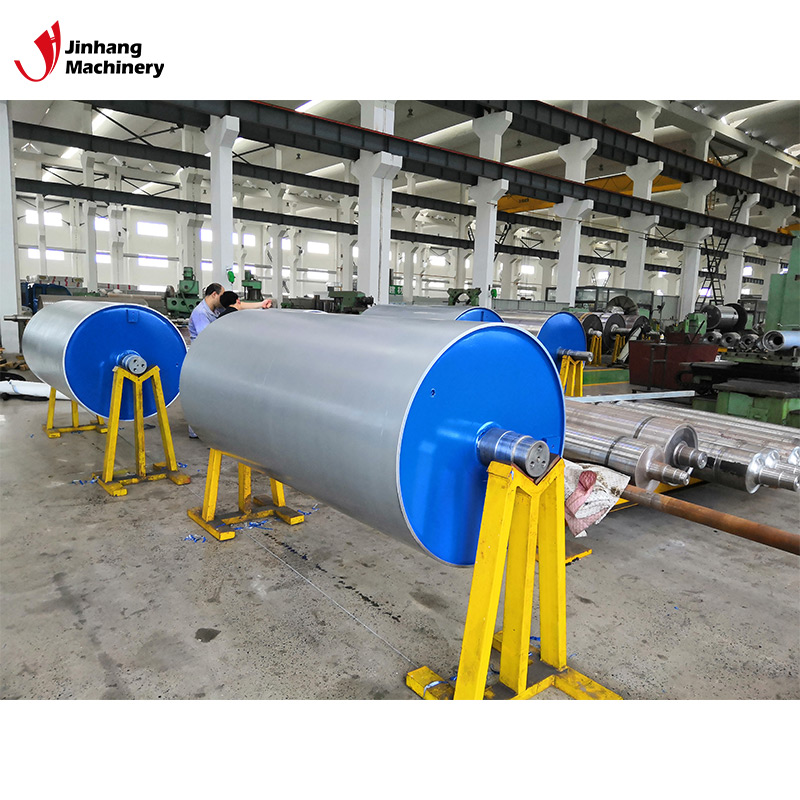
Do the basic properties of EPDM rollers mean they are "suitable for all operating conditions"?
Many users believe that as long as EPDM material is used, the rubber roller is naturally "durable" and "not prone to aging." However, in fact, EPDM rubber rollers have clearly defined applicable boundaries.
EPDM (ethylene propylene diene monomer) is a saturated main-chain rubber, whose advantages are mainly concentrated in the following aspects:
• Excellent water and steam resistance
• Good ozone and UV resistance
• Excellent heat aging resistance
• Good weather resistance and long-term stability
However, EPDM rubber rollers also have clear weaknesses, such as:
• Not resistant to mineral oil, lubricating oil, and fuel oil
• Not resistant to aromatic hydrocarbons and some organic solvents
• Prone to fatigue under high mechanical shear or overload compression
Therefore, when EPDM rubber rollers are used in unsuitable working environments, their lifespan will be significantly shortened.
Will long-term contact with oily media shorten the lifespan of EPDM rubber rollers?
Yes, and the effect is very significant.
One of the biggest "no-go zones" for EPDM rubber rollers is oily media environments. This includes:
• Mineral oil
• Lubricating oil
• Hydraulic oil
• Animal and vegetable oils
• Oil-containing emulsions
EPDM's molecular structure is extremely sensitive to non-polar oil media. When EPDM rollers are in prolonged contact with oil, the following problems will occur:
• Rubber volume expansion
• Surface stickiness and softening
• Significant decrease in mechanical strength
• Reduced adhesion between the surface layer and the mandrel
Once this occurs, even if the EPDM rubber roller appears acceptable, its internal structure will be damaged, and its actual lifespan will be significantly shortened.
Therefore, EPDM rubber rollers are not an ideal choice in any oily, lubricated, or oil mist environment.
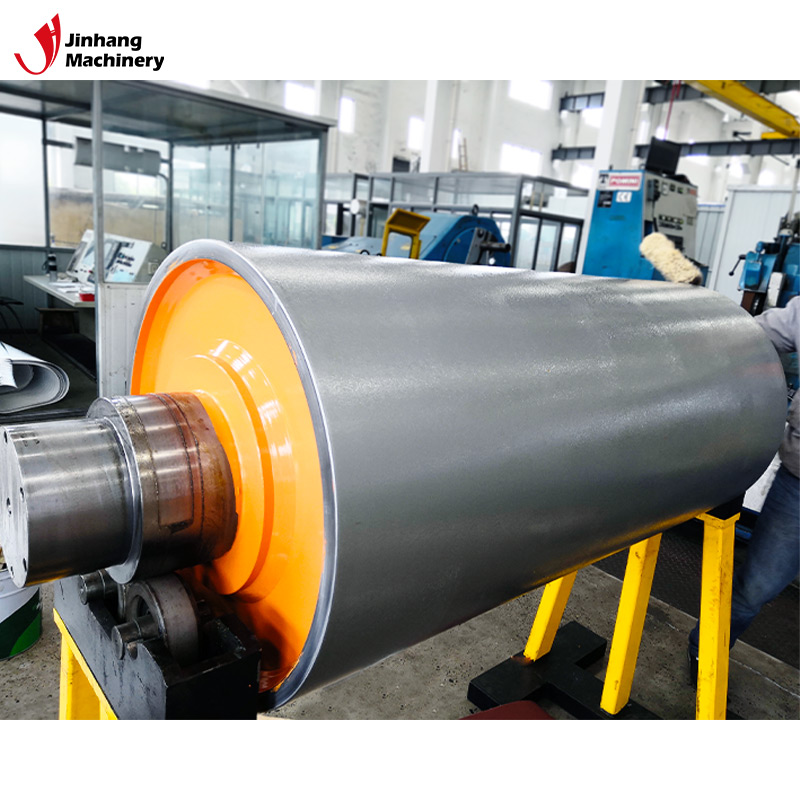
Does high temperature necessarily benefit the service life of EPDM rollers?
Many technical documents emphasize that EPDM rubber rollers are "high temperature resistant," but this does not mean that higher temperatures are always better.
The temperature resistance of EPDM rollers is a "range concept"
• Long-term continuous operating temperature: generally 120°C–150°C
• Short-term temperature resistance: up to 160°C–180°C
• Special formulations can withstand higher temperatures, but with time limitations.
When EPDM rubber rollers are subjected to operating conditions close to or exceeding their continuous temperature resistance limit for extended periods, the following will occur:
• Increased rubber hardness
• Decreased elastic recovery
• Surface micro-cracks
• Increased compression set
These changes will accelerate the failure process of EPDM rubber rollers.
Does extremely high steam pressure affect the lifespan of EPDM rollers?
EPDM rubber rollers are known for their steam resistance, but "steam resistance" does not equate to "unlimited steam resistance."
The lifespan of EPDM rubber rollers will be significantly shortened under the following steam conditions:
• Prolonged excessively high steam pressure
• Frequent and drastic fluctuations in steam temperature and pressure
• Acidic or alkaline condensate entrained in the steam
• Excessive alternation between hot and cold temperatures
Excessively high steam pressure causes repeated expansion and contraction of the rubber's internal microstructure, which over time can lead to:
• Internal fatigue cracks
• Surface peeling
• Decreased compression recovery performance
Even EPDM rubber rollers will have a significantly shortened lifespan under extreme steam stress conditions.
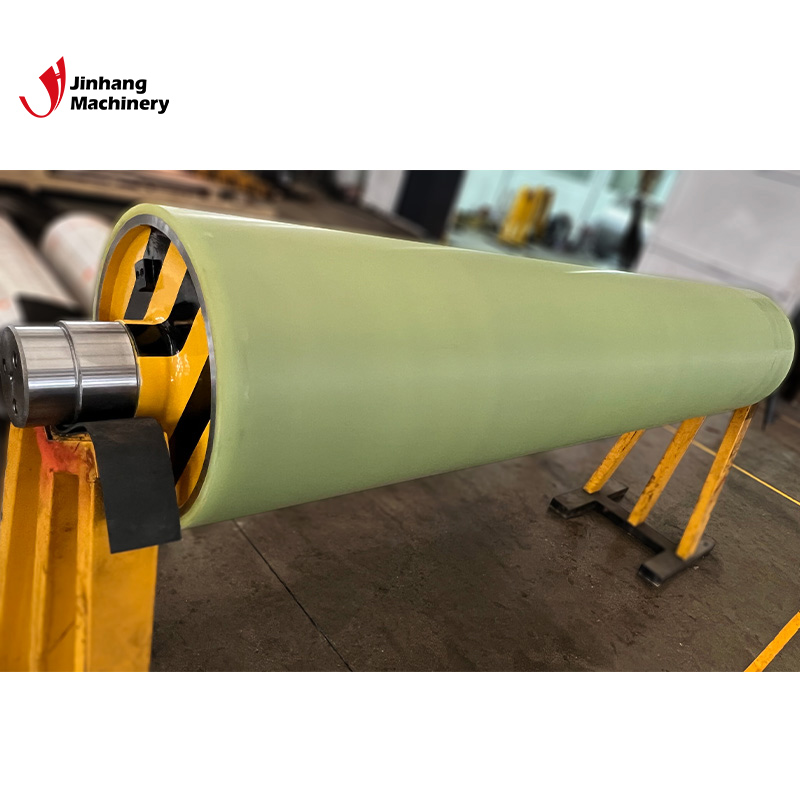
Does excessive mechanical pressure accelerate the aging of EPDM rollers?
The answer is yes.
Although EPDM rubber rollers have good elasticity and compression recovery capabilities, their load-bearing capacity still has design limits. The lifespan of EPDM rubber rollers is significantly affected by the following operating conditions:
• Prolonged operation beyond the design pressure
• Inappropriate roller gap setting
• Localized pressure concentration
• Inappropriate hardness selection (too soft or too hard)
Under high mechanical loads, EPDM rollers are prone to:
• Permanent compression set
• Localized collapse
• Decreased roundness
• Accumulation of surface microcracks
Once the rubber roller cannot recover its original geometry, its functional performance and service life will rapidly decline.
What are the effects of chemical corrosion on EPDM rubber rollers?
Although EPDM rollers are resistant to various weak acids, weak alkalis, and water-based chemical media, their lifespan will be significantly shortened in the following environments:
• Strong acid environments
• Strong alkali and high-temperature environments
• Environments containing oxidizing chemicals
• Organic solvent vapor environments
These media may cause:
• Rubber molecular chain breakage
• Surface powdering
• Significantly reduced elasticity
• Surface hardening or embrittlement
Especially when chemical media are combined with high temperatures, the aging rate of EPDM rubber rollers will be significantly accelerated.
Does high-speed operation shorten the service life of EPDM rubber rollers?
Under high-speed operating conditions, EPDM rollers are subjected not only to mechanical pressure but also to:
• Dynamic fatigue stress
• Surface frictional heat
• Continuous shear deformation
If the rotational speed exceeds the design range, it may cause:
• Internal heat accumulation
• Increased surface wear
• Accelerated elastic fatigue
Prolonged high-speed operation can lead to latent fatigue damage in EPDM rubber rollers, meaning they may appear normal on the outside, but their actual lifespan has been significantly reduced.
Are improper installation and maintenance also key factors in shortened lifespan?
Even with correct operating conditions, improper installation and maintenance methods can significantly shorten the lifespan of EPDM rollers. For example:
• Non-parallel axis installation
• Long-term unbalanced load operation
• Improper surface cleaning methods
• Use of incompatible cleaning agents
These problems cause uneven stress on the rubber roller, accelerating localized aging and structural fatigue, ultimately leading to premature replacement.
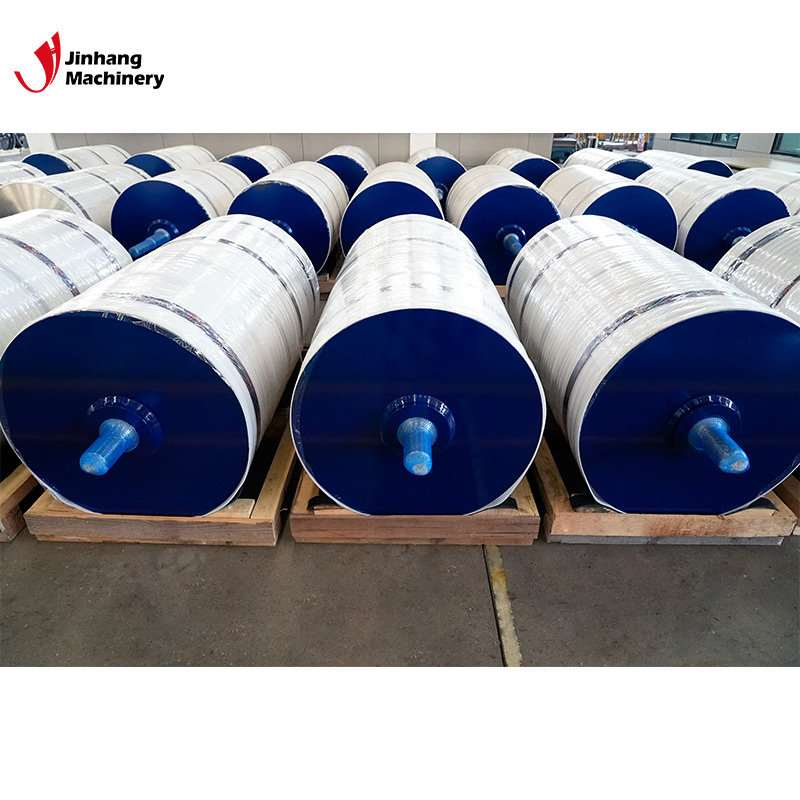
How to understand the difference between "normal aging" and "abnormally shortened lifespan"?
Under reasonable operating conditions, the performance degradation of EPDM rollers should be uniform, slow, and predictable. However, the following situations often indicate unsuitable operating conditions:
• Dramatic changes in hardness within a short period
• Rapid surface cracking or powdering
• Significantly reduced elasticity
• Service life far shorter than expected
These phenomena are not due to problems with the EPDM material itself, but rather to unfavorable operating conditions for the EPDM rubber roller.