
What are the Pros and Cons of nitrile rubber rollers?
In industrial production, the choice of rubber roller material directly determines the performance, stability, and service life of equipment. In particular, NBR (nitrile butadiene rubber) rollers, due to their excellent oil resistance and good mechanical strength, have become a commonly used roller material in industries such as printing, packaging, metal processing, textiles, plastic film, and conveyor systems.
So, what are the advantages of NBR rubber rollers? And what are their significant disadvantages?
This article will provide a professional analysis of the material structure, performance characteristics, applicable working conditions, and limitations, helping you to fundamentally understand the properties of nitrile rubber rollers and make more accurate judgments in industrial equipment selection.
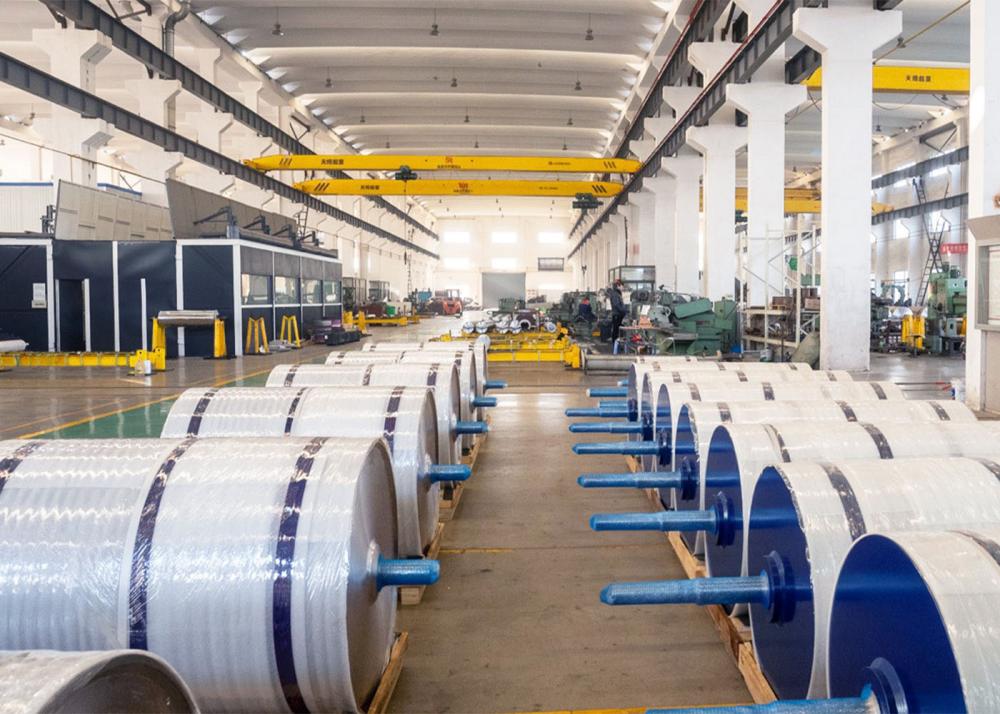
What is nitrile rubber? Why are NBR rubber rollers so widely used?
Nitrile butadiene rubber (NBR) is a synthetic rubber obtained by copolymerizing acrylonitrile (ACN) and butadiene. It is usually produced using a low-temperature emulsion polymerization process, and its molecular structure contains polar groups, giving it a significant advantage in oil resistance.
Due to its structural characteristics, NBR rubber rollers possess the following typical advantages:
• Excellent oil resistance
• Good wear resistance and mechanical strength
• Stable heat resistance
• Strong adhesion, suitable for bonding with metal cores
• Applicable to various industrial environments
Therefore, NBR rubber rollers have become the preferred choice in many industries involving oily media.
What are the advantages of NBR rubber rollers? (Detailed explanation of advantages)
The following will comprehensively analyze the main advantages of NBR rubber rollers from the perspectives of material properties and application requirements.
1. Strong oil resistance: What is the core advantage of NBR rubber rollers?
The biggest characteristic of nitrile rubber is its excellent oil resistance, especially to the following oily media:
• Mineral oil
• Lubricating oil
• Hydraulic oil
• Fuel oil (diesel, gasoline)
• Animal and vegetable oils
• Most hydrocarbon solvents
NBR rubber rollers can maintain dimensional stability, without swelling, softening, or dissolving in these media, greatly improving the service life and stability of the roller body.
Why are NBR rubber rollers so oil-resistant?
Because the higher the acrylonitrile content, the stronger its polarity and the lower its compatibility with oily media, thus achieving excellent oil resistance.
2. High Abrasion Resistance: Can NBR rubber rollers withstand high-friction environments?
Yes, NBR rubber rollers inherently possess high abrasion resistance.
Common industrial applications include:
• High-speed friction
• Concentrated surface pressure
• Long-term continuous operation
• Repetitive mechanical actions such as rolling and traction
NBR rubber rollers perform stably under these high-load friction conditions, and are not prone to surface roughness, deformation, or cracking due to wear.
High abrasion resistance makes NBR rubber rollers particularly suitable for:
• Metalworking rollers
• Film conveyor rollers
• Printing pressure rollers
• Mechanical traction rollers
This characteristic makes NBR one of the most widely used rubber roller materials.
3. Good Heat Resistance: How high a temperature can NBR rubber rollers withstand?
NBR exhibits superior heat resistance compared to many common rubbers, typically:
• Continuous operating temperature: 80–100°C
• Short-term temperature resistance: 110–120°C
In environments with heat, frictional heating, and moderate temperature increases, NBR rubber rollers maintain material stability and do not soften or become damaged due to high temperatures.
NBR is irreplaceable for equipment operating in hot oil environments.
4. High Mechanical Strength: Are NBR Rubber Rollers Suitable for High Loads?
NBR rubber rollers possess excellent:
• Tensile strength
• Tear strength
• Customizable high hardness range
• Deformation recovery ability
Rubber rollers in industrial equipment frequently endure concentrated pressure, compression, and repeated rolling. The mechanical strength of NBR rubber rollers ensures stable operation under high loads and prevents permanent deformation.
5. Strong Adhesion: Why are NBR rubber rollers suitable for bonding with metal cores?
NBR exhibits strong adhesion to the metal roller core, ensuring:
• No delamination
• No bulging
• No separation
This is especially important for high-speed equipment and heavy-duty applications, as roller separation from the mandrel is a common cause of rubber roller failure.
6. Adjustable Formulation: What is the hardness range of NBR rubber rollers?
The hardness of NBR rubber rollers is generally adjustable to:
• 40A to 90A
This allows it to be adapted to various equipment, from soft pressure rollers to high-hardness traction rollers.
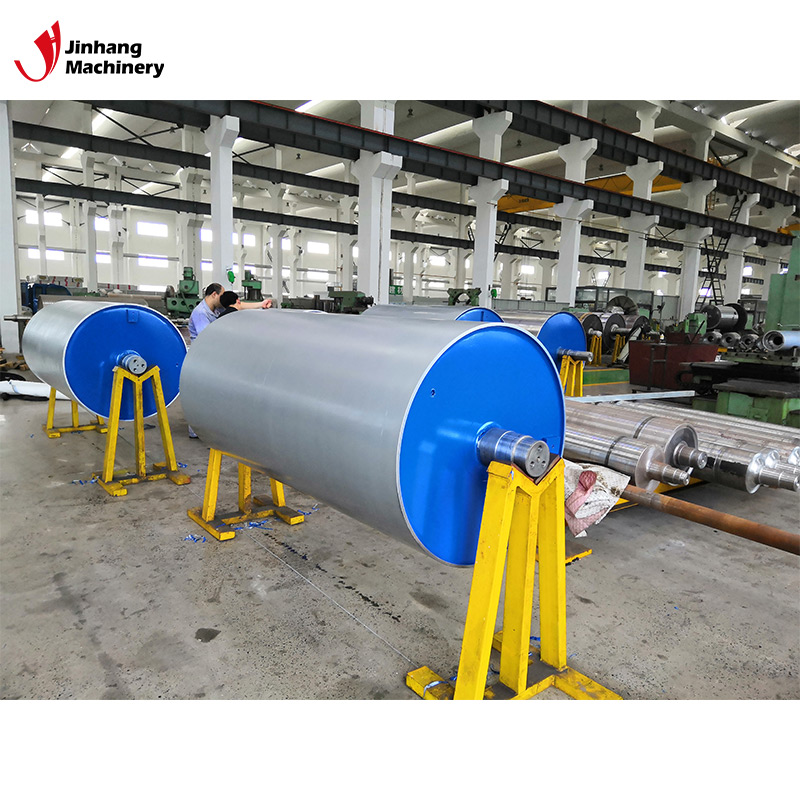
What are the disadvantages of NBR rubber rollers? (Disadvantage Analysis)
While NBR rubber rollers offer many advantages, their material structure introduces some inherent drawbacks. Understanding these disadvantages can help you determine if NBR is suitable for your application.
1. Poor Low-Temperature Resistance: Are NBR rubber rollers suitable for cold environments?
No.
NBR will:
• Harden
• Lose elasticity
• Even become brittle at low temperatures
Generally, NBR rubber rollers will show a significant performance degradation in environments between -10°C and -20°C, and may even crack in extremely cold environments.
Therefore, NBR rubber rollers should not be used in equipment exposed to cold (such as cold storage facilities and cryogenic rolling mills).
2. Poor ozone resistance: Are NBR rubber rollers suitable for outdoor or high-ozone environments?
No.
NBR is extremely sensitive to ozone and is prone to cracking in the following environments:
• Direct sunlight
• Ultraviolet radiation exposure
• High-ozone air
• Oxidizing environments
Therefore, if equipment requires prolonged outdoor exposure or contact with ultraviolet radiation, NBR rubber rollers are not the best choice; EPDM rubber rollers are more suitable.
3. Poor insulation performance: Can NBR rubber rollers be used in electrical insulation applications?
No.
Due to its inherent polarity, NBR has weak insulation properties and is unsuitable for environments requiring:
• High insulation
• Strict antistatic requirements
• Electrical isolation
4. Lower elasticity: How good is the resilience of NBR rubber rollers?
NBR's elasticity is inferior to natural rubber, EPDM, or silicone, therefore:
• Slower rebound speed
• Relatively weaker softness
• Limited performance in applications requiring high elastic recovery
Therefore, in high-speed printing, precision traction, and flexible bonding scenarios, other rubber materials may be necessary as substitutes.
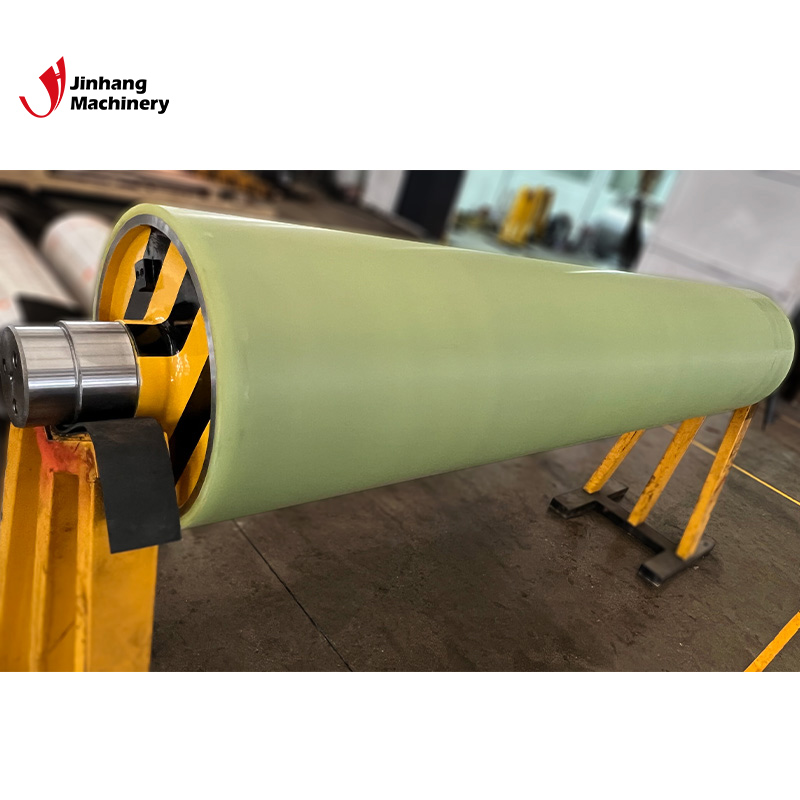
What industrial environments are NBR rubber rollers suitable for?
Considering its advantages and disadvantages, NBR rubber rollers are best suited for the following operating conditions:
• Contact with oily media
• Lubricating oil environments
• High friction, high mechanical loads
• Medium temperature operation (≤100°C)
• Indoor environments, free from UV and ozone
Examples:
• Metal forming and rolling equipment
• Printing machinery
• Plastic film traction systems
• Hydraulic equipment rolling rollers
• Lubricating oil processing equipment
These are the biggest advantages of NBR.
What environments are unsuitable for NBR rubber rollers?
NBR should be avoided in the following situations:
• Exposure to ozone or UV radiation
• Long-term outdoor use
• Environments requiring resistance to high ozone and aging
• Contact with ketones, aldehydes, and ester solvents
• Low-temperature environments
• High insulation requirements
In these conditions, materials such as EPDM, fluororubber, and silicone rubber are more suitable.
The advantages and disadvantages of NBR rubber rollers are very clear, and the appropriate choice should be made based on the working conditions.
Advantages of NBR Rubber Rollers:
• Excellent oil resistance
• Strong abrasion resistance, suitable for high-friction conditions
• High mechanical strength
• Better heat resistance than ordinary rubber
• Strong adhesion to metal cores
• Adjustable hardness range
Disadvantages of NBR Rubber Rollers:
• Poor ozone resistance, unsuitable for outdoor use
• Performance degrades at low temperatures
• Lower elasticity
• Poor insulation
• Not resistant to certain polar solvents
Selection Recommendations:
• If in contact with oily media ⇒ NBR rubber rollers are the first choice
• If ultraviolet radiation, ozone, steam, or hot water are present ⇒ EPDM or other materials should be selected
• If the ambient temperature is high but oil-free ⇒ NBR can be used, but the upper temperature limit should be considered.
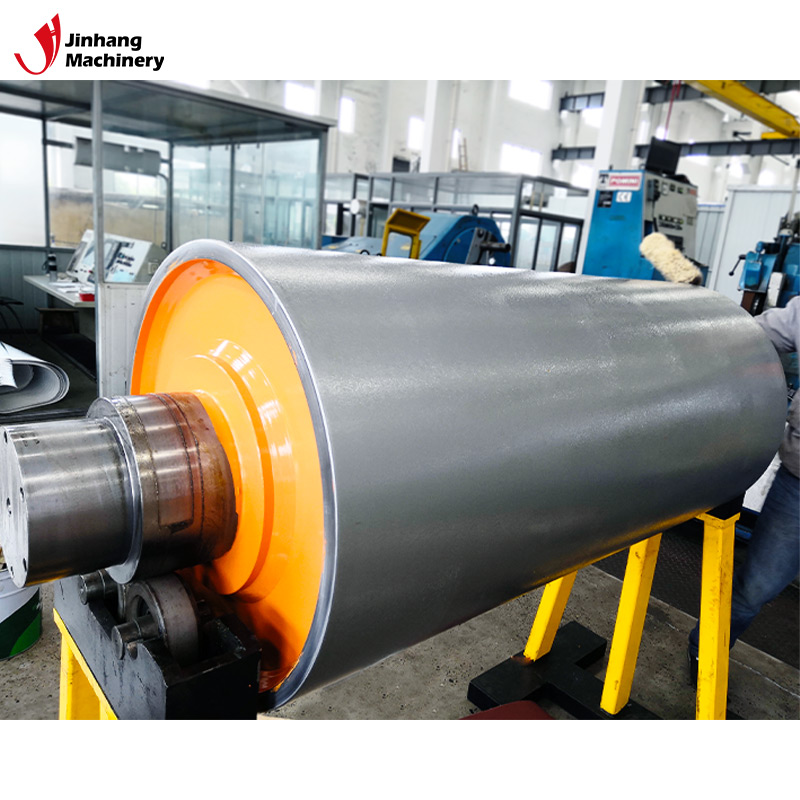
Can you manufacture custom rollers to our drawings?
Absolutely — our core capability is customized roller manufacturing. Whether you supply CAD drawings or technical specifications, our engineering team will develop a production plan and quote. We handle special shapes and bespoke coatings. (tungsten carbide, chrome, polyurethane), and precision tolerances for sectors such as automotive testing equipment and minerals processing.
As a China-based manufacturer and supplier, we welcome OEM inquiries, volume purchasing, and requests for cheap but high-quality roll options. Contact our sales department for exact prices, lead times and any available promotions.