
What Is the Alternative Name for Nitrile Rubber Rollers?
In industrial manufacturing, rubber rollers are a vital component ensuring the continuous and stable operation of machinery. Due to their exceptional oil resistance and mechanical strength, nitrile rubber rollers are widely utilized in printing, packaging, metal processing, plastic film production, and other applications involving high friction rates.
However, industry professionals discussing nitrile rubber rollers frequently encounter another designation: NBR rollers. This often prompts the question: What exactly is the alternative name for nitrile rubber rollers? Are they simply what are commonly referred to as NBR rubber rollers?
This article will systematically explore this topic—covering material definitions, chemical properties, and industry conventions—to provide an in-depth explanation of why nitrile rubber rollers are also known as NBR rubber rollers, while further detailing the key characteristics and practical applications of NBR rollers.
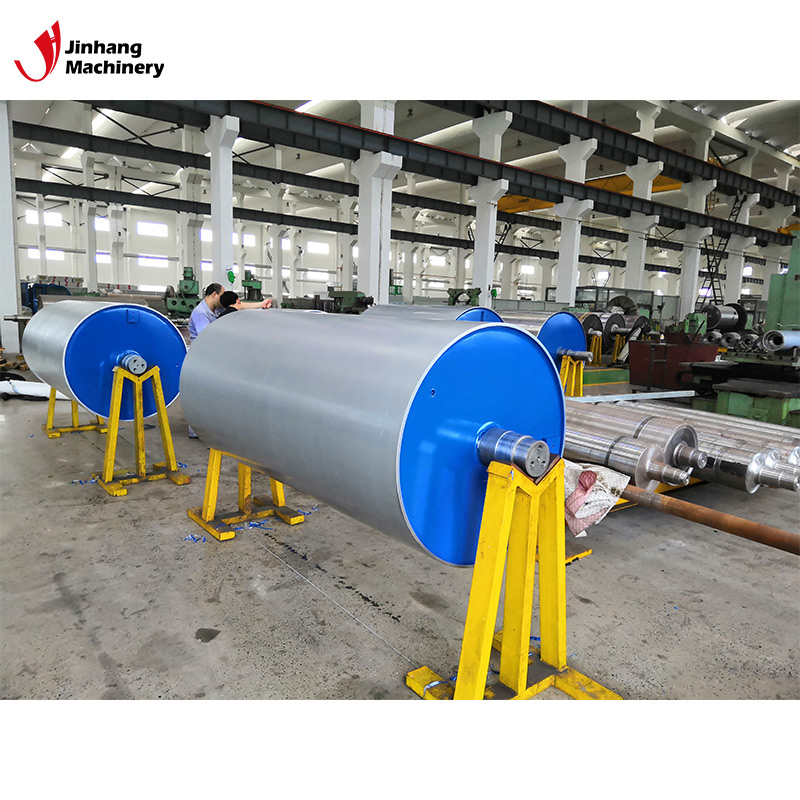
Why Are Nitrile Rubber Rollers Also Called NBR Rubber Rollers?
The English name for nitrile rubber is "Nitrile Butadiene Rubber," and its corresponding acronym is: NBR.
Consequently, when industry professionals refer to "nitrile rubber rollers," "NBR rollers," or "NBR rubber rollers," all three terms effectively designate the exact same type of rubber roller material.
Nomenclature Correspondence for Nitrile Rubber Rollers:
•丁腈橡胶辊 (Chinese Name)
•Nitrile Rubber Roller (English Name)
•NBR Roller (English Acronym)
Regardless of the specific terminology used, the reference ultimately points to an industrial rubber roller featuring nitrile rubber as its primary coating material.
Variations in corporate naming conventions often give rise to different designations; however, the underlying material remains identical. Therefore, understanding this nomenclature correspondence is crucial for avoiding material misselection or conceptual confusion.
What Are the Key Material Characteristics of NBR Rubber Rollers?
To fully grasp the properties and practical value of NBR rubber rollers, one must first understand the chemical structure and fundamental performance characteristics of the material itself.
The Chemical Structure of Nitrile Rubber (NBR):
NBR is a polar synthetic rubber resulting from the copolymerization of:
•Butadiene
•Acrylonitrile
The higher the acrylonitrile content, the greater the oil resistance; however, this comes at the expense of reduced flexibility and cold resistance.
It is precisely this acrylonitrile component that endows NBR rubber rollers with their core performance capabilities.
The key characteristics of NBR rubber rollers include:
•Exceptional oil resistance (their most prominent advantage)
•Good abrasion resistance
•Moderate mechanical strength
•Excellent frictional properties
•Particularly strong compatibility with fuels, lubricants, and fatty media
•Resistant to swelling or degradation in oil-rich environments
These properties make NBR rubber rollers the preferred choice for a wide range of applications involving contact with oils.
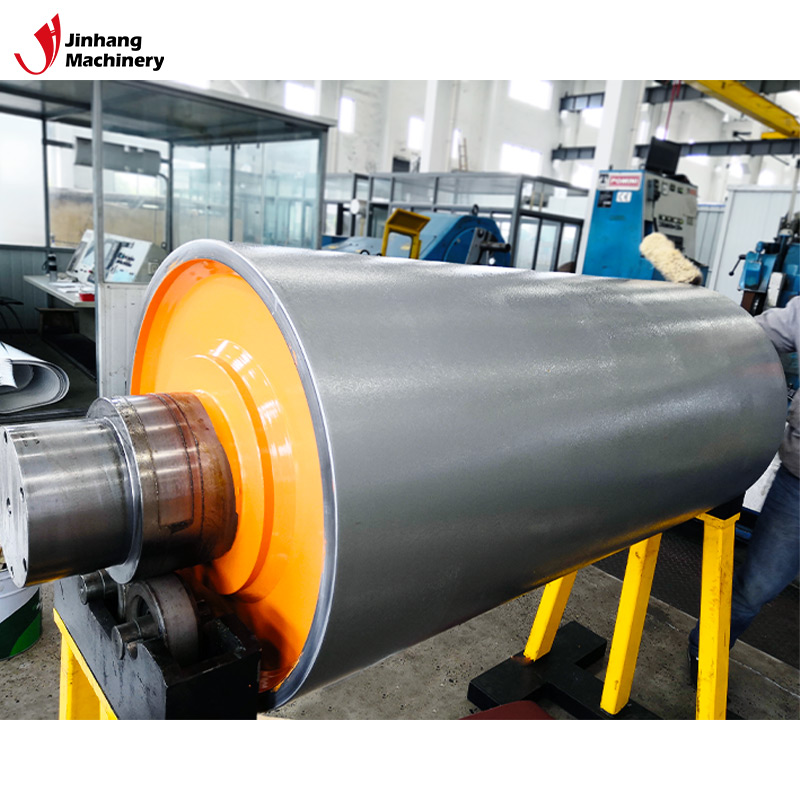
Why is the term "NBR rubber roller" so widely used within the industry?
Although "Nitrile rubber roller" is the technically accurate Chinese term, "NBR rubber roller" is far more commonly used in industrial literature, technical documentation, equipment manuals, and global supply chains.
The reasons for this include:
1. Universal adoption of the NBR abbreviation in international standards:
Whether in ISO, ASTM, or general rubber material standards, the abbreviation NBR is consistently used within English-language material classification systems to denote Nitrile rubber.
2. Standardized nomenclature across global supply chains:
Multinational corporations and material suppliers universally employ English abbreviations; consequently, NBR has become the standard designation.
3. Consistency in equipment drawings and technical specifications:
Machinery manufacturers typically specify "NBR Roller" rather than the full Chinese term "Nitrile rubber roller."
4. Prevention of confusion with other rubber types:
Since other rubber materials—such as EPDM, SBR, CR, and NR—are also referred to by their abbreviations, using NBR aligns with this established convention and appears more professional.
5. The gradual alignment of Chinese industry practices with international norms:
Many machinists and procurement professionals have grown accustomed to referring to them simply as "NBR rollers," which helps avoid potential misunderstandings.
Therefore, in the context of industrial communication, using the term "NBR rubber roller" aligns more closely with the prevailing industry lexicon.
What unique advantages do NBR rubber rollers offer compared to other types of rubber rollers?
To fully appreciate the value of NBR rubber rollers, it is helpful to compare their performance characteristics against those of other commonly used rubber rollers.
1. Exceptional Oil Resistance (The Most Significant Advantage)
Among all general-purpose rubber materials, NBR exhibits the most outstanding resistance to oil.
This implies the following:
•It does not swell as a result of oil exposure or erosion.
•It does not harden or soften when immersed in oil.
•It can operate stably and reliably over extended periods in oil-saturated environments.
This level of capability is a feature that materials such as EPDM, NR, SBR, and CR do not possess.
2. High Mechanical Strength and Abrasion Resistance
NBR rubber rollers feature:
•Excellent abrasion resistance
•A high coefficient of friction
•The ability to withstand high-speed and high-pressure operating conditions
•High tear resistance
Consequently, they are ideally suited for heavy-load applications such as printing rollers, traction rollers, and conveyor rollers.
3. Excellent Frictional Performance Against Metal Surfaces
NBR rubber rollers maintain stable friction against metal surfaces, making them suitable for equipment requiring high grip, such as:
•Traction rollers
•Conveyor rollers
•Pressure rollers
4. Natural Compatibility with Fuel-based Chemicals
Media such as diesel, gasoline, lubricants, engine oils, and mineral oils have a negligible impact on NBR rollers; this renders them indispensable in oil-processing equipment.
These characteristics account for the widespread application of NBR rubber rollers in industrial manufacturing.
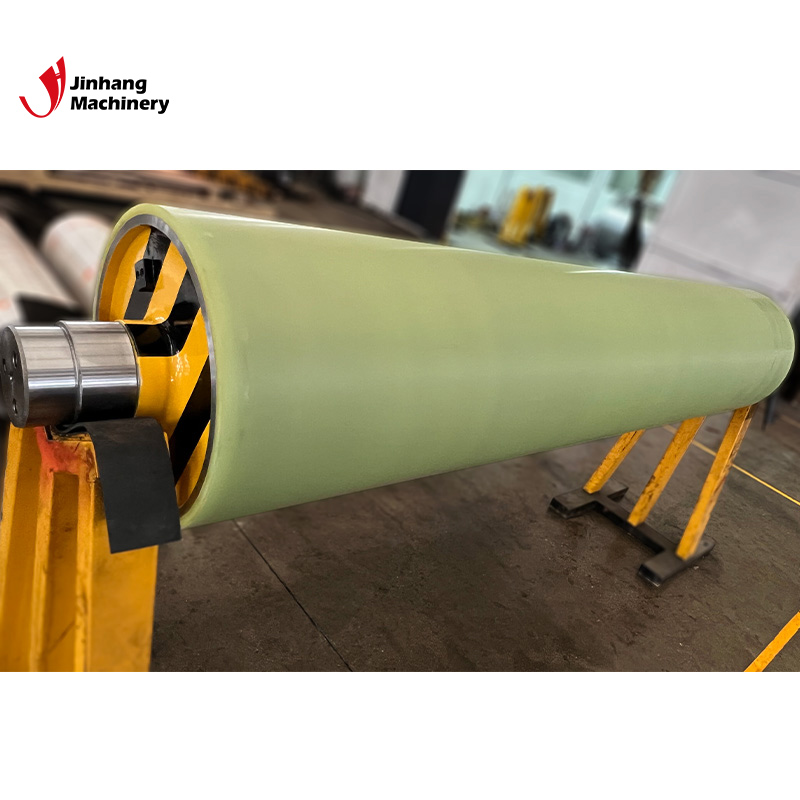
What are the common industrial applications for NBR rubber rollers?
Due to their outstanding oil resistance and high frictional properties, NBR rubber rollers find applications across numerous industrial sectors.
1. Printing Machinery (Extremely Common Application)
During the printing process, inks contain solvents and oil-based components; NBR exhibits a natural compatibility with these substances.
2. Metalworking Industry
Metalworking equipment frequently requires the use of lubricants; NBR rollers are well-suited to withstand such environments.
3. Plastic Film Production Lines
NBR rubber rollers provide excellent traction during the pulling and winding stages of plastic film production.
4. Packaging Industry
NBR rollers are utilized in conveying, pressing, and adhesive roller stations within the packaging sector.
5. Industrial Conveying Systems
In mechanical conveying applications, NBR rubber rollers perform exceptionally well as friction rollers.
6. Equipment Operating in Oily or Contaminated Environments
NBR rubber rollers are the preferred choice for any equipment requiring prolonged contact with grease, oils, or lubricants.
These applications demonstrate that the NBR rubber roller is not merely a generic rubber roller, but rather a specialized roller specifically engineered for environments involving oils or requiring high friction.
Are NBR rubber rollers suitable for use in high-temperature environments?
Many users confuse oil resistance with heat resistance, mistakenly assuming that because NBR rubber rollers possess strong oil resistance, they must also be capable of withstanding high temperatures.
In reality:
The standard heat resistance range for NBR rubber rollers is: 80°C to 100°C.
Exceeding this temperature may result in:
•Hardening
•Surface cracking
•Accelerated aging
•Degradation of compression properties
In contrast, EPDM rollers can withstand temperatures exceeding 150°C, while silicone rollers can endure temperatures of over 200°C.
Therefore:
✘ NBR rubber rollers are unsuitable for high-temperature environments.
✔ NBR rubber rollers are suitable for ambient or moderate-temperature environments.
✔ NBR rubber rollers are suitable for applications involving oils.
Understanding this helps prevent damage to the rubber rollers caused by improper usage.
Does the naming convention of NBR rubber rollers influence their selection for industrial applications?
Although "Nitrile Rubber Rollers" and "NBR Rubber Rollers" refer to the exact same material, correctly understanding the terminology aids in the following areas:
1. Avoiding material selection errors during procurement.
Most international suppliers use "NBR" as the standard designation term.
2. Facilitating more professional and precise communication with technical personnel.
Engineers typically use the term "NBR rollers" when specifying equipment requirements.
3. Understanding the origin of the material's properties.
Knowing that it stands for "Nitrile Rubber" (Acrylonitrile-Butadiene Rubber) provides a better grasp of its specific oil-resistance characteristics.
Therefore, understanding the designation "NBR" is of significant importance for both production management and equipment maintenance.
What are the limitations or unsuitable environments for NBR rubber rollers?
Despite the excellent performance of NBR rubber rollers, there are still specific operating conditions for which they are unsuitable.
1. Unsuitable for high-temperature environments.
Prolonged use at temperatures exceeding 100°C will lead to rapid aging.
2. Unsuitable for ozone-rich or outdoor environments.
NBR is sensitive to ozone exposure, which can lead to surface cracking.
3. Performs poorly in acidic or alkaline environments.
NBR is not resistant to strong acidic or alkaline solutions.
4. Unsuitable for steam environments.
Steam accelerates the degradation of NBR; conversely, EPDM is highly suitable for steam-intensive applications.
Consequently, NBR rubber rollers are not a universal solution; rather, they are specifically optimized for applications involving oils and friction.
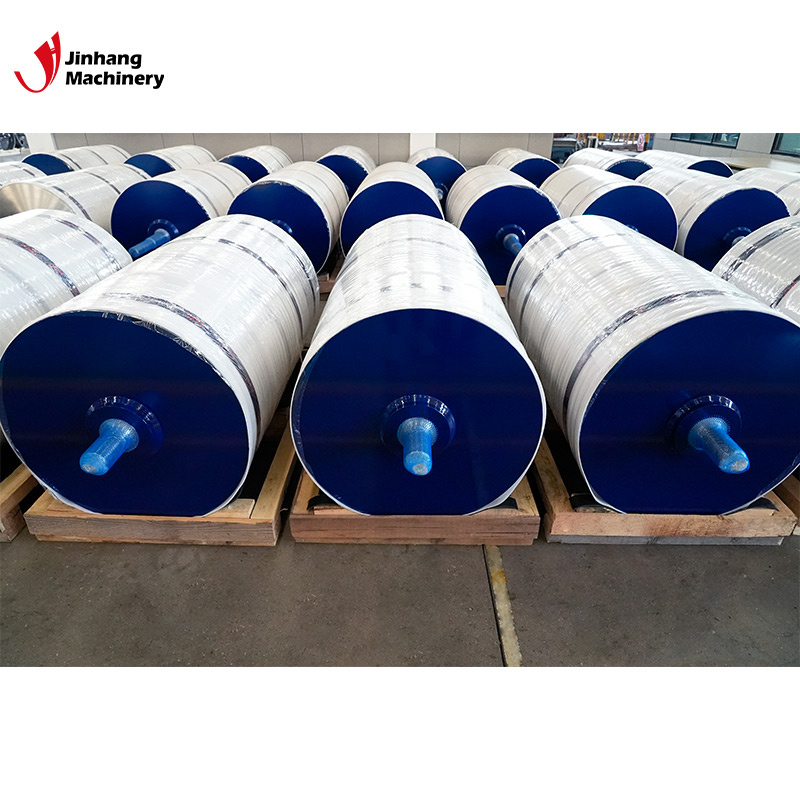
Is "NBR Rubber Roller" simply another name for "Nitrile Rubber Roller"?
Yes, "NBR Rubber Roller" is indeed another name for "Nitrile Rubber Roller." They refer to the exact same material; the only difference lies in the terminology used. Common Terminology: Nitrile Rubber Roller
Industry Terminology: NBR Rubber Roller / NBR Roller
Regardless of the name used, they all refer to the same material:
✔ Possesses superior oil resistance
✔ Features a high coefficient of friction
✔ Exhibits excellent mechanical strength
✔ Widely utilized in fields such as printing, packaging, conveying, and metal processing
—a versatile rubber roller material.