
What Temperature Range is Suitable for Epoxy-Coated Corona Rollers?
In industrial corona treatment equipment, corona rollers are crucial for achieving thinner corona rollers and extending their overall lifespan. Epoxy-coated corona rollers, due to their high dielectric strength and stable surface properties, are widely used in corona treatment equipment for plastic films, cable sheaths, paper, and composite materials.
When equipment engineers select corona rollers, one of the most critical parameters is: What temperature range can epoxy-coated corona rollers withstand?
This article will systematically analyze the temperature range of epoxy corona rollers from multiple perspectives, including material properties, thermal performance structure, and the operating characteristics of corona treatment machines, explaining why its temperature limitations differ from those of silicone, ceramic, and other materials.
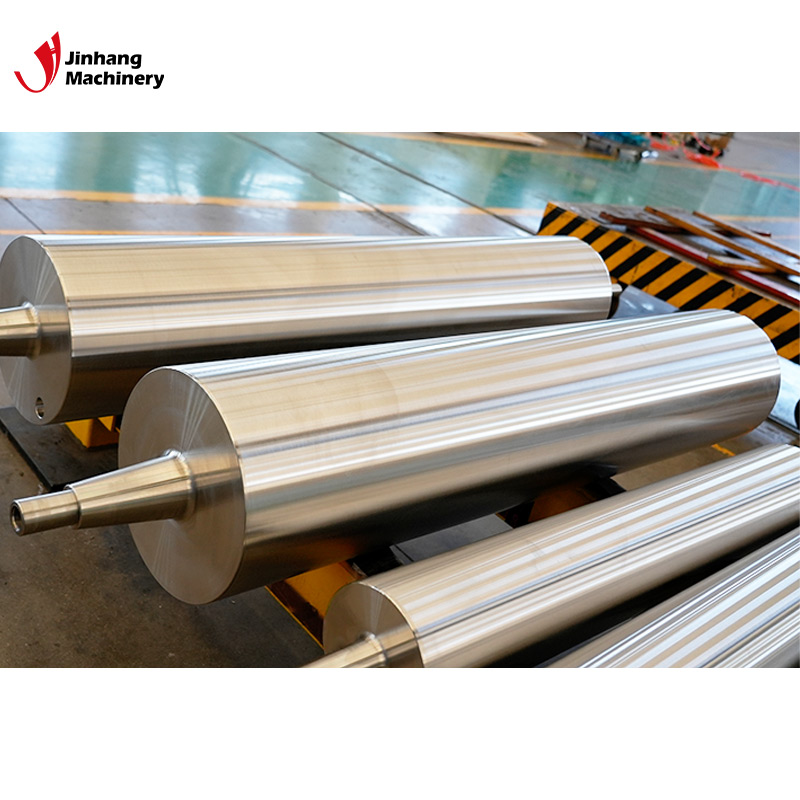
What is the standard temperature range for epoxy-coated corona rollers?
Epoxy coating materials possess good insulation strength and a certain degree of thermal stability. Generally speaking:
The applicable temperature range for epoxy-coated corona rollers is typically:
80°C to 120°C (for long-term continuous operation)
It can withstand approximately 150°C under short-term peak conditions.
This means that epoxy corona rollers are not considered "high-temperature" rollers, but they are sufficient for most corona treatment processes.
Why this temperature range?
Because the cured structure of epoxy resin is prone to the following after exceeding a certain temperature:
• Softening
• Partial relaxation of molecular bonds
• Decreased surface tension
• Lowered electrical breakdown threshold
Therefore, although the dielectric strength of epoxy-coated corona rollers can reach up to 500 inches per kilowatt, its temperature resistance is not as broad as that of ceramics or silicone.
Next, we will further analyze the source of the temperature limitation from a structural perspective.
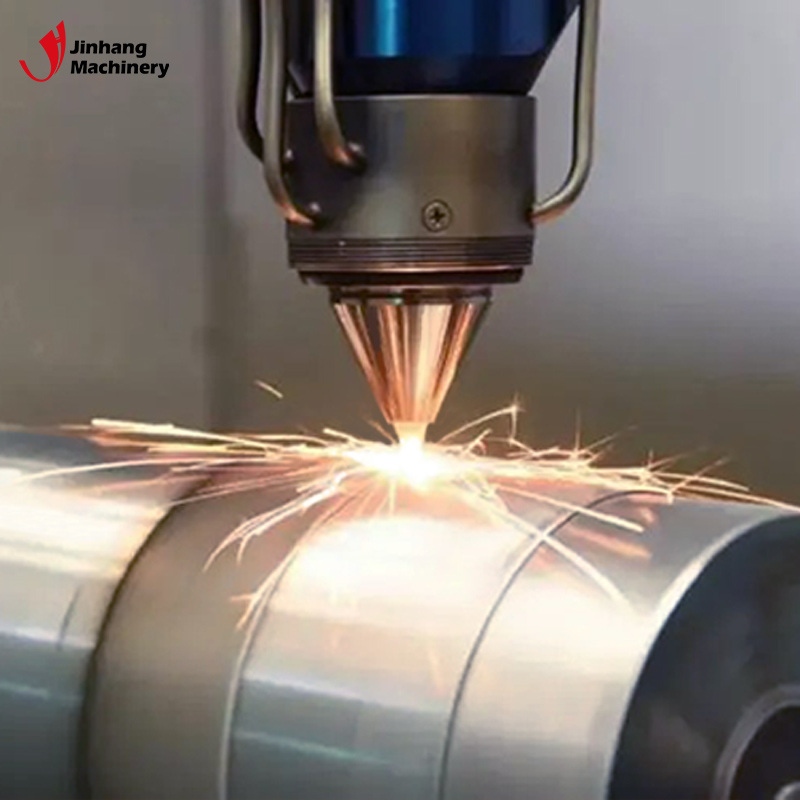
Why can't epoxy-coated corona rollers withstand higher temperatures?
The temperature resistance of different types of corona rollers in industry varies significantly, stemming from differences in the inherent structure of the materials. The temperature resistance of epoxy corona rollers is limited primarily by three factors:
1. The glass transition temperature (Tg) of epoxy resin limits the maximum operating temperature.
The most critical thermal performance indicator for epoxy materials is the glass transition temperature (Tg).
When the temperature approaches Tg:
• The material changes from a "hard and brittle" state to a "soft and elastic" state.
• Compressive strength decreases.
• Surface hardness decreases.
• Insulation performance begins to decline.
Common Tg ranges for industrial-grade epoxy coatings are typically between 80°C and 120°C, therefore corona rollers are not suitable for long-term operation at higher temperatures.
In other words:
The operating temperature of corona rollers must always be below the glass transition temperature of the coating material.
2. The endothermic properties of epoxy coatings lead to a decrease in surface insulation.
Epoxy materials exhibit slight endothermic expansion in heated environments, which not only reduces hardness but also alters their dielectric properties.
Increased temperature may lead to:
• Changes in dielectric constant
• Increased dielectric loss
• Increased number of corona loss points
• Enhanced localized electric field
• Increased risk of breakdown
Therefore, high temperatures reduce the uniformity of corona discharge on the corona roller surface and may even affect processing quality.
3. The heat generated by the electric field during corona treatment can be superimposed on the external temperature.
The corona treatment itself generates heat, and this superposition can cause the surface temperature of the corona roller to be higher than the ambient temperature.
For example:
The ambient temperature may be 80°C, but the heat generated by the electric field could raise the roller surface temperature to 100°C or higher.
Therefore, even if the equipment temperature itself is not high, the corona roller may still approach its temperature limit due to the heat generated by the electric field.
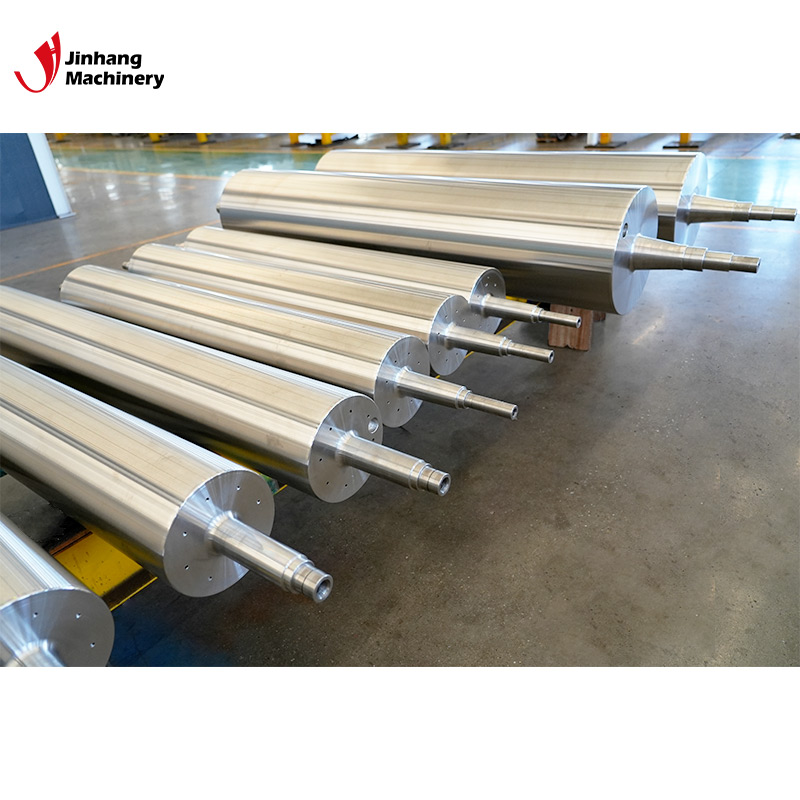
Why does the temperature of the corona roller affect its dielectric properties?
The core function of the corona roller is to withstand a high-voltage electric field, ensuring the stable generation of corona plasma. However, the temperature resistance of the dielectric layer directly determines whether it can stably perform its function.
Increased temperature leads to:
• Decreased insulation breakdown voltage
• Decreased internal polarization capability of the epoxy coating
• Uneven surface electric field distribution
• Unstable corona intensity
• Localized electrolytic fatigue
Therefore, temperature affects not only the coating structure but also the overall electrical performance of the corona roller.
Can the maximum temperature resistance of an epoxy-coated corona roller be increased by thickening the coating?
Thickening the coating can indeed increase the dielectric breakdown voltage, but it is difficult to significantly increase the upper limit of temperature resistance.
The reasons are as follows:
• The glass transition temperature (Tg) of the epoxy material itself does not change with increasing thickness
• The thicker the coating, the more prone it is to uneven internal stress and thermal expansion
• Excessively thick epoxy layers are prone to surface cracking after heating
• Thick coatings accelerate aging at high temperatures
Therefore, improving temperature resistance should start with the material grade, not the coating thickness.
How does the temperature resistance of an epoxy corona roller compare to that of a silicone corona roller?
Silicone corona rollers exhibit the following temperature resistance characteristics:
• Typical temperature resistance range: 150°C to 200°C
• Under short-term peak conditions, it can even reach 250°C to 300°C
In comparison:
• Epoxy corona rollers: 80°C to 120°C (peak 150°C)
• Silicone corona rollers: 150°C to 200°C (peak above 250°C)
It is evident that silicone corona rollers have significantly higher temperature resistance than epoxy corona rollers.
Therefore, the advantage of epoxy corona rollers lies in their high dielectric strength, not their high-temperature performance.
Does the hardness of epoxy-coated corona rollers change with temperature?
Yes, and significantly.
When the temperature rises:
• Coating hardness decreases
• Slight softening may occur on the surface
• Contact pressure may cause localized indentation
• The coefficient of friction may increase or become unstable
These changes can lead to:
• Uneven corona treatment
• Localized accumulation of discharge energy
• Magnified surface texture
• Accelerated coating wear
Therefore, the normal operating temperature of epoxy corona rollers must always be maintained within the material's safe range.
Does the operating temperature of corona rollers affect their lifespan?
Absolutely.
The aging rate of epoxy coatings is highly temperature-dependent. For every 10°C increase in temperature, the aging rate may increase by 1 to 2 times, a very common phenomenon in the field of insulating materials.
High temperatures accelerate:
• Coating oxidation
• Surface chalking
• Localized electrolytic corrosion
• Dielectric property degradation
• Microcrack formation
Therefore, even if epoxy-coated corona rollers can withstand higher temperatures temporarily, they should not be operated for extended periods in environments close to their upper limits.
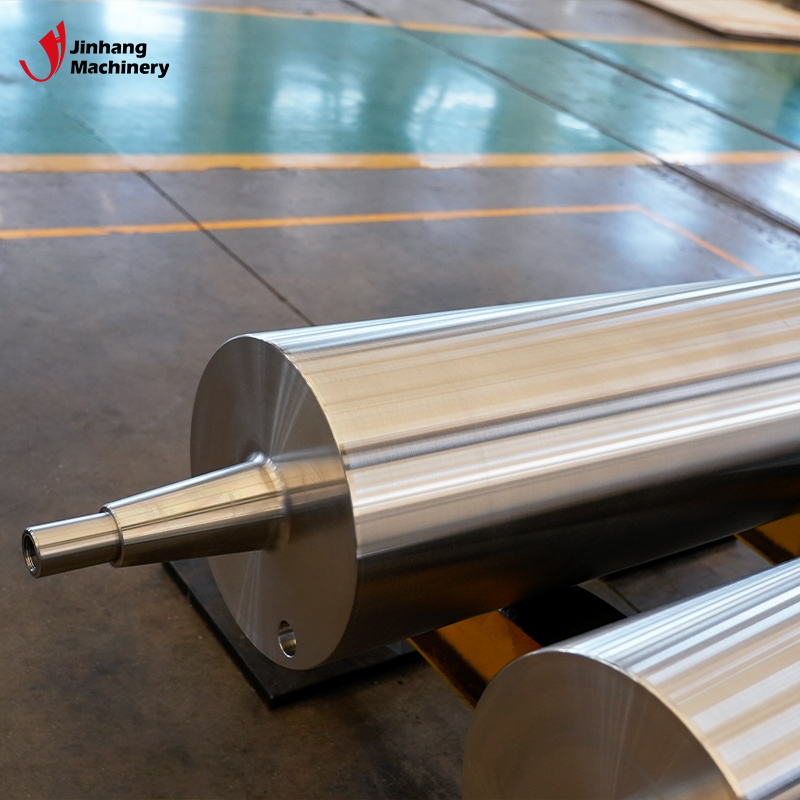
At what temperature are epoxy corona rollers most stable?
Based on extensive engineering applications and materials data, the recommended stability range for epoxy corona rollers is:
60°C to 90°C
Within this temperature range:
• Coating hardness remains stable
• Dielectric strength does not decrease
• Internal stress is in equilibrium
• Surface softening is less likely to occur
• Corona discharge is most uniform
Therefore, equipment engineers should ensure that the thermal environment of the corona roller is within this stable range when designing a corona system.
Are epoxy-coated corona rollers suitable for high-temperature films or high-temperature processes?
Generally speaking, no.
Examples of scenarios (theoretical, no case studies):
• If the film's unwinding temperature exceeds 100°C
• If the extrusion equipment temperature is high
• If the film material has not sufficiently cooled after hot stretching
Under these conditions, epoxy corona rollers are prone to softening, accelerated aging, or decreased dielectric properties.
Therefore, in high-temperature operating conditions, the following are typically chosen:
• Silicone corona roller (higher temperature resistance)
• Ceramic corona roller (high hardness, extremely high temperature resistance)
Epoxy corona rollers are best suited for corona systems with relatively moderate temperatures and high dielectric strength requirements.