
What Industrial Rollers Are Better Than Chrome-Plated?
In industrial production, chrome-plated rollers have long been considered a high-performance, high-stability roller surface treatment option. With their wear resistance, corrosion resistance, and good surface finish, chrome-plated rollers are used in industries such as film calendering, paper calendering, coating, rubber calendering, and metal processing.
However, with increasing production precision requirements, diversified material trends, and more stringent roller temperature control requirements, more and more users are beginning to wonder:
"Besides chrome-plated rollers, are there any industrial rollers with even higher performance?"
In fact, while chrome-plated rollers offer comprehensive performance, they are not the best choice for all scenarios. Certain high-end processes have more stringent requirements for hardness, corrosion resistance, wear resistance, anti-adhesion, surface finish, or temperature stability, thus requiring more advanced materials or surface treatment methods than chrome plating.
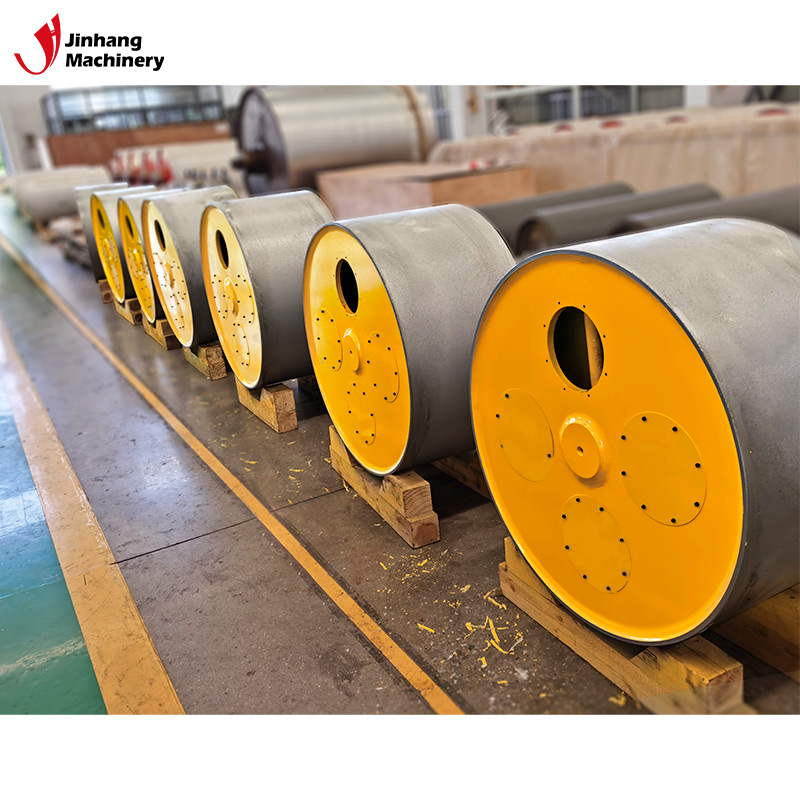
What are the advantages and limitations of chrome-plated rollers?
The fundamental role of chrome-plated rollers in industry stems from their material properties.
Key advantages of chrome-plated rollers:
• High surface hardness (HRC 55–65)
• Good wear resistance
• Bright surface, reaching mirror finish
• Good corrosion resistance (but not as good as ceramic or stainless steel)
• Relatively low processing cost
• Wide applicability
Therefore, chrome-plated rollers offer a "balanced overall performance" option.
However, chrome-plated rollers also have some limitations:
• Wear resistance is not as good as hard alloy and ceramic coatings
• Corrosion resistance is not as good as stainless steel
• Micro-cracks may appear in the chrome plating layer under high-temperature conditions
• Sensitive to strong acids and alkalis
• The chrome plating layer may peel off after long-term use
• Limited tolerance to excessive processing pressure
Therefore, in some industries, users need to find higher-performance alternative rollers.
Which industrial applications require rollers stronger than chrome-plated rollers?
Chrome-plated rollers are not the optimal solution for all operating conditions.
The following production conditions typically require upgrades to higher-grade rollers:
• Extremely high abrasion scenarios (e.g., sheet metal rolling)
• Highly corrosive chemical solutions (e.g., coating, dyeing, chemical processing)
• High-temperature operating conditions (e.g., plastic film extrusion)
• Extremely high surface finish requirements (e.g., optical-grade films)
• Highly adhesive materials (e.g., adhesives, resins)
• Extremely long lifespan requirements
Therefore, in some operating conditions, chrome-plated rollers cannot meet all requirements, necessitating the use of higher-performance rollers.
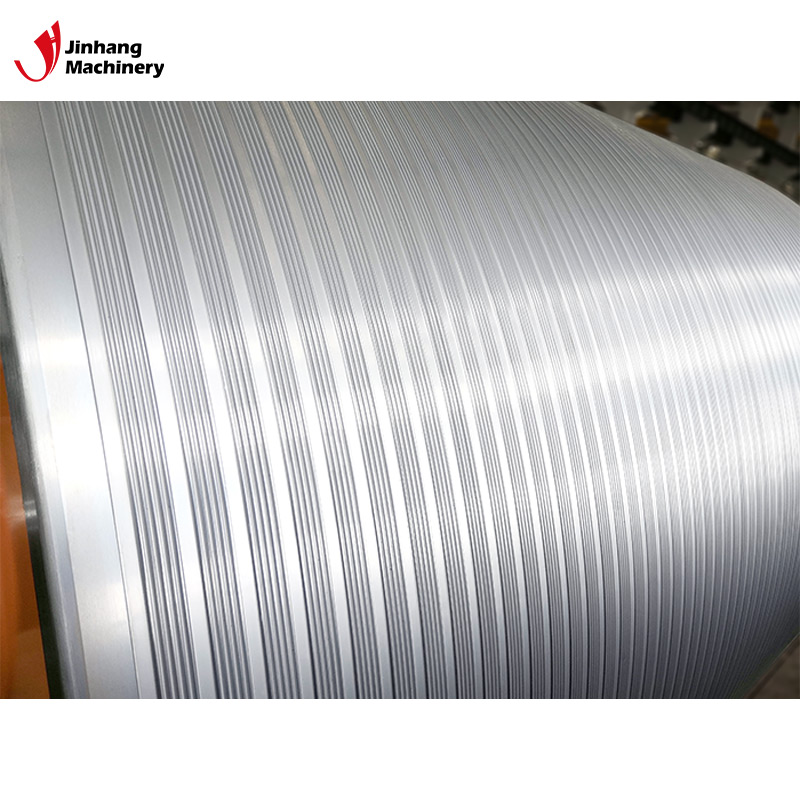
Are carbide-coated rollers better than chrome-plated rollers? Why?
Carbide-coated rollers are among the most common and significantly outperform chrome-plated rollers in high-end industrial applications.
Carbide is typically composed of materials such as tungsten carbide (WC), titanium carbide (TiC), and chromium carbide (CrC), and the coating is formed through thermal spraying, HVOF, or plasma spraying processes.
Why are carbide-coated rollers better than chrome-plated rollers?
1. Surface Hardness Far Exceeds Chrome-Plated Rolls
• Chrome-plated roll hardness: HRC 55–65
• Carbide Coating: Up to HRC 70–75 or HV1200+
2. Abrasion Resistance 5–10 Times That of Chrome-Plated Rolls
Suitable for extremely abrasive applications, such as metal rolling.
3. Less Prone to Peeling
Compared to the electroplated layer of chrome, the carbide coating has a denser structure.
4. Strong High-Temperature Resistance
Some coatings can operate stably at temperatures above 500°C.
5. Longer Service Life
Due to its high hardness and abrasion resistance, its service life is typically 3–5 times longer than that of chrome-plated rolls.
Therefore, carbide-coated rolls are one of the strongest alternatives to chrome-plated rolls.
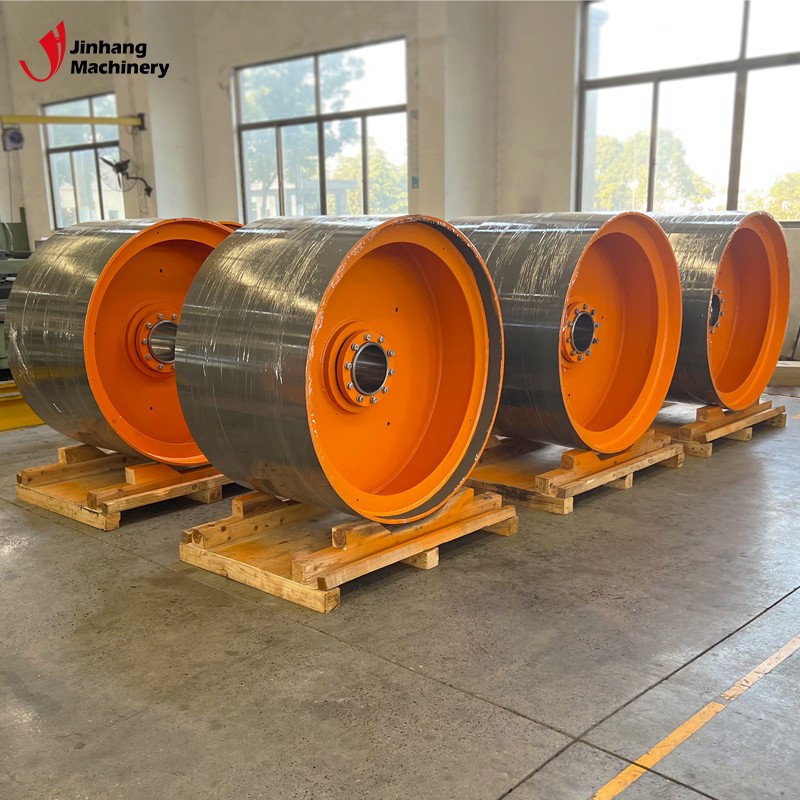
Are ceramic rolls superior to chrome-plated rolls? What are their technological advantages?
Ceramic-coated rollers (such as alumina, zirconia, and chromium oxide ceramics) are another type of high-end roller with significantly superior performance compared to chrome-plated rollers.
Aspects where ceramic rollers are superior to chrome-plated rollers:
1. Ultra-high hardness
The surface hardness of ceramics can reach HV1000–1500, far exceeding that of chrome plating.
2. Excellent corrosion resistance
The stability in acidic, alkaline, and organic solvent environments is far superior to that of chrome-plated rollers.
3. Non-adhesive and easy to clean
The high chemical inertness of ceramic surfaces makes them suitable for coating lines, adhesives, and resin processing.
4. Excellent high-temperature resistance
Ceramic rollers can be used in ultra-high temperature contact environments.
5. Long service life
Oxide ceramics experience almost no wear, thus their service life far exceeds that of chrome-plated rollers.
Ceramic rollers are one of the best choices for high-corrosion, high-temperature, and high-precision processes.
Are stainless steel rollers superior to chrome-plated rollers in certain industries? Why?
While stainless steel rollers are not as hard as chrome-plated rollers, they are actually better than chrome-plated rollers in certain specific industries.
Advantages of Stainless Steel Rollers over Chrome-plated Rollers:
1. High Corrosion Resistance
• Food Industry
• Pharmaceutical Industry
• Chemical Industry
Both industries prefer stainless steel rollers.
2. No Risk of Plating Peeling
Chrome-plated rollers may peel off over long-term use, while stainless steel rollers completely avoid this problem.
3. Suitable for Frequent Cleaning and High Humidity Environments
In the food industry, stainless steel is more stable than chrome plating during sterilization and washing processes.
Therefore, stainless steel rollers are superior to chrome-plated rollers in corrosive environments or food contact scenarios.
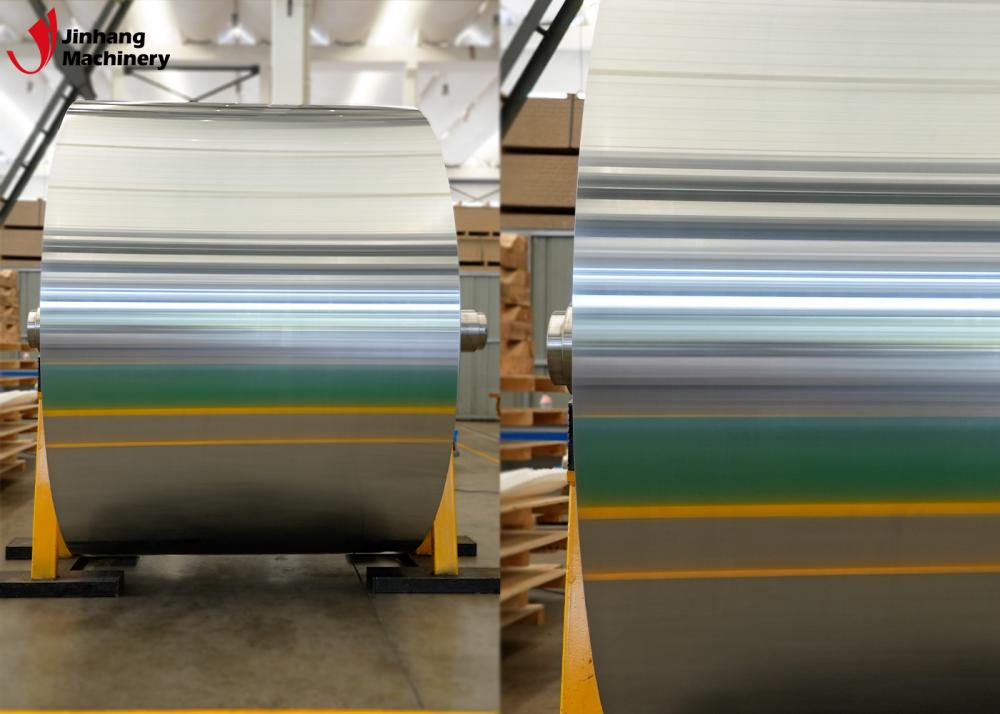
Is the surface hardness of nitrided rollers stronger than chrome-plated rollers?
What operating conditions are they suitable for?
Nitrided rollers typically enhance surface hardness through a nitriding process.
Advantages of Nitrided Rollers:
• Surface hardness can reach HV800–1100
• High wear resistance
• Surface layer is less prone to peeling (penetrates into the metal substrate)
• Suitable for high-pressure applications
Compared to chrome-plated rollers, nitrided rollers have a more stable structure and do not have the problem of electroplating layer separation.
Nitrided rollers are commonly used in:
• Rubber calendering
• Steel or sheet metal production
• High-pressure processing lines
Nitrided rollers are superior to chrome-plated rollers in terms of abrasion resistance and peel resistance.
Are fluoropolymer-coated rollers better at preventing adhesion than chrome-plated rollers?
Chrome-plated rollers often experience adhesion problems when processing sticky materials (such as adhesives, resins, and hot melt adhesives).
Fluoropolymer-coated rollers have:
• Superior non-stick properties
• High chemical inertness
• Strong corrosion resistance
• Easy to clean
Therefore, in highly adhesive processes, fluoropolymer-coated rollers perform significantly better than chrome-plated rollers.