
Why are industrial NBR rubber rollers unsuitable for outdoor use?
NBR rubber rollers (nitrile rubber rollers) are a widely used functional roller material in industrial equipment. Due to their excellent oil resistance, good mechanical strength, and stable processing performance, they are extensively used in printing, coating, conveying, and laminating industries. However, a crucial but often overlooked question during the selection process is: are industrial NBR rubber rollers suitable for outdoor use?
From a materials science and industrial application perspective, the conclusion is clear: industrial NBR rubber rollers are not suitable for long-term outdoor use.
This conclusion is not due to manufacturing or processing issues, but rather determined by the inherent material properties of NBR rubber itself.
This article will systematically analyze from a professional perspective why industrial NBR rubber rollers are unsuitable for outdoor use, focusing on their weather resistance, UV resistance, ozone resistance, aging mechanisms, and environmental adaptability to help users make more informed decisions during selection and application.
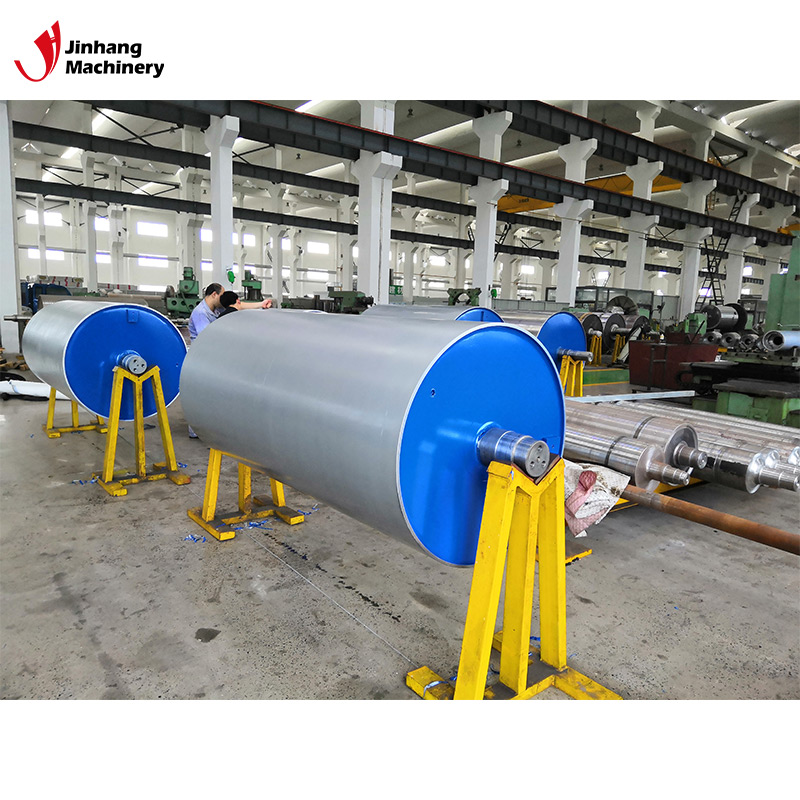
What are NBR rubber rollers? What are their core advantages?
Material Basis of NBR Rubber Rollers
NBR (Nitrile Butadiene Rubber) is a synthetic rubber copolymerized from acrylonitrile and butadiene.
The main advantages of industrial NBR rubber rollers include:
• Excellent oil resistance
• Good water resistance and airtightness
• High mechanical strength
• Good adhesion
• Ease of processing into high-precision rubber rollers
As a result, NBR rubber rollers perform very stably in indoor industrial environments, making them particularly suitable for equipment that comes into contact with greases, lubricants, or oily media.
However, it is important to clarify that oil resistance ≠ outdoor environmental resistance.
The advantages of NBR lie in its "chemical media adaptability," not its "environmental weather resistance."
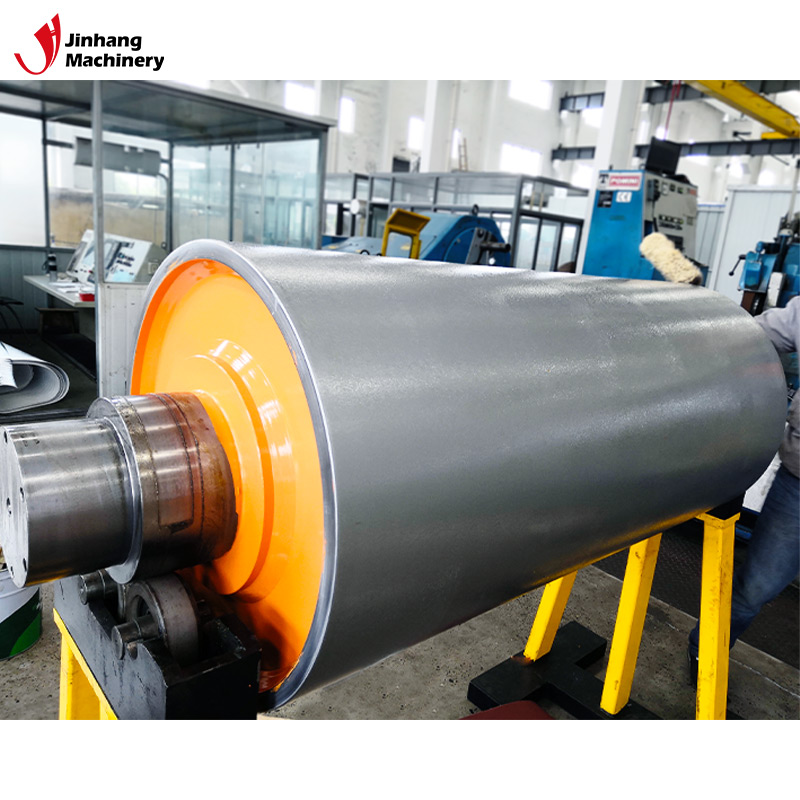
Why are NBR rubber rollers not UV resistant?
How much does UV radiation affect NBR rubber rollers?
In outdoor environments, UV radiation is one of the main factors causing rapid aging of rubber materials, and NBR rubber rollers are highly sensitive to UV radiation.
From a molecular structure perspective:
• NBR molecules contain unsaturated double bonds in their main chain.
• Ultraviolet (UV) radiation damages these molecular structures.
• This leads to rubber chain breakage or cross-linking imbalance.
Specific Effects of UV Aging on NBR Rubber Rollers
When NBR rubber rollers are exposed to sunlight for extended periods, the following will occur:
• Rapid surface hardening
• Decreased elasticity
• Microcracks (crazing) formation
• Loss of surface gloss
• Significantly decreased frictional properties
These changes directly affect the operational stability and service life of NBR rubber rollers, making it difficult to maintain reliable performance in outdoor environments.
Why are NBR rubber rollers inadequately resistant to ozone?
Ozone is a significant factor in outdoor rubber aging.
Ozone is ubiquitous in outdoor air, especially in industrial areas or urban environments.
NBR rubber rollers have relatively weak ozone resistance.
The Destructive Mechanism of Ozone on NBR Rubber Rollers
Ozone preferentially attacks the double bond structure in rubber molecules, which is precisely the weak point of NBR rubber.
The results include:
• Surface cracks distributed along the stress direction
• Rapid crack propagation
• Occurrence even at normal temperatures
This means that even if NBR rubber rollers are not subjected to high loads outdoors, simply exposure to air will gradually deteriorate.
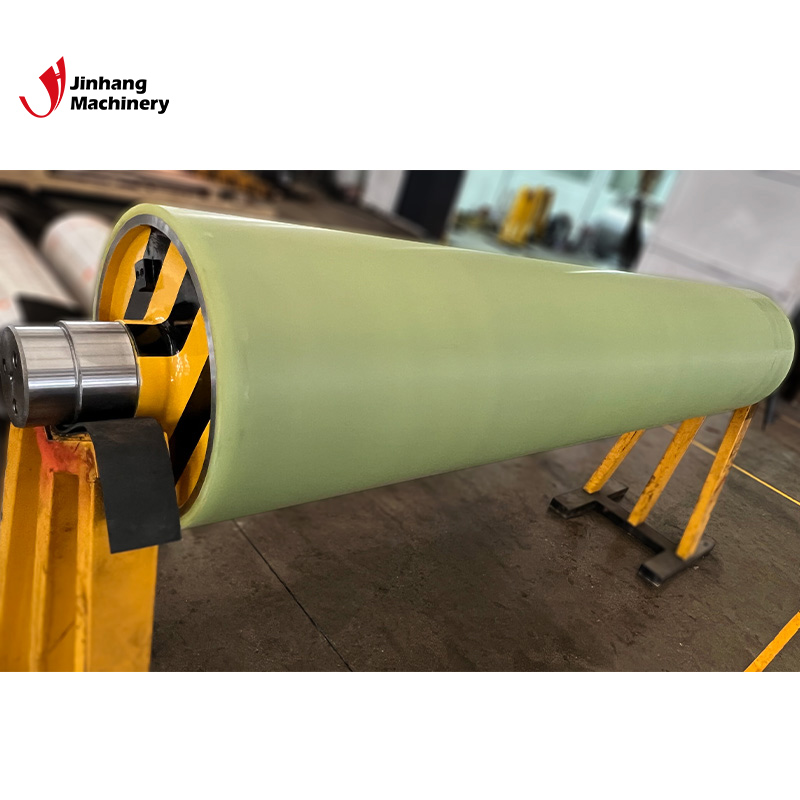
Why are NBR rubber rollers prone to aging in outdoor environments?
Comprehensive challenges of the outdoor environment for rubber
Outdoor conditions are not caused by a single factor, but by a combination of adverse conditions:
• Ultraviolet radiation
• Ozone presence
• Diurnal temperature variations
• Weathering
• Humidity fluctuations
NBR rubber rollers have insufficient adaptability to environmental changes
While NBR rubber rollers are stable in:
• Oil
• Water
• Indoor constant temperature environments
However, in outdoor environments:
• Molecular structure is more prone to oxidation
• Rubber hardness gradually increases
• Elastic recovery ability decreases
This aging process is irreversible; once it begins, it is difficult to restore performance through maintenance.
How do temperature changes affect NBR rubber rollers used outdoors?
Temperature Range of NBR Rubber Rollers
Generally, industrial NBR rubber rollers can be used long-term under the following conditions:
• Approximately 120°C in air
• Approximately 150°C in oil
However, these figures are based on a stable and controlled industrial environment.
Problems Caused by Outdoor Temperature Variation
Common outdoor environmental conditions include:
• Rapid rise in surface temperature under sunlight
• Sudden drop in temperature at night
• Periodic thermal expansion and contraction
These frequent temperature cycles can lead to:
• Stress concentration within the rubber
• Accelerated formation of surface cracks
• Deterioration of adhesive layer performance
For NBR rubber rollers, this type of thermal fatigue significantly shortens their service life.
Why is the weather resistance of NBR rubber rollers inferior to that of EPDM rubber rollers?
In industrial material selection, NBR rubber rollers are often compared with EPDM rubber rollers.
The Fundamental Differences in Weather Resistance Between the Two
• NBR: Emphasizes oil and media resistance
• EPDM: Emphasizes weather resistance, ozone resistance, and UV resistance
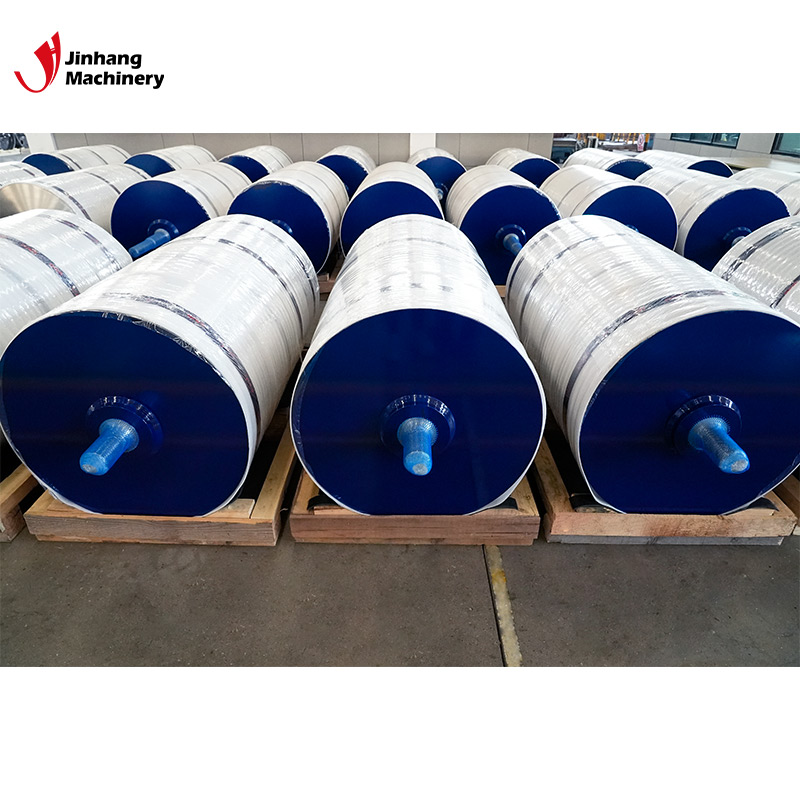
Why is EPDM more suitable for outdoor use?
The molecular structure of EPDM rubber contains:
• No unsaturated double bonds
• Extremely high stability against UV radiation and ozone
NBR rubber rollers, on the other hand, are at a significant disadvantage in outdoor environments.
Does rain and moisture accelerate the damage to NBR rubber rollers?
While NBR rubber rollers possess some water resistance from a surface performance perspective, this does not mean they are suitable for outdoor use.
The problem lies not in the water itself, but in the long-term environmental impact.
Outdoor moisture and rain lead to:
• Accumulation of surface contaminants
• Alternating temperature and humidity effects
• A cumulative aging effect with UV radiation and ozone
These factors indirectly accelerate the aging process of NBR rubber rollers, causing their performance to degrade much faster than in indoor environments.
What risks are associated with using NBR rubber rollers outdoors?
Prolonged outdoor use of industrial NBR rubber rollers may lead to the following problems:
1. Surface performance failure
• Unstable friction
• Uneven contact
2. Significantly shortened service life
• Significantly accelerated aging
• Frequent replacement increases maintenance costs
3. Decreased equipment operational stability
• Roller hardening
• Insufficient elasticity
• Difficulty in controlling contact pressure
These risks are not manufacturing quality issues, but rather due to material selection mismatched with environmental conditions.
Why are industrial NBR rubber rollers more suitable for indoor use?
In summary, the ideal operating environment for NBR rubber rollers is:
• Indoors
• Controlled temperature
• Avoid direct sunlight
• Keep away from ozone sources
In such an environment, NBR rubber rollers can fully utilize:
• Oil resistance
• Good mechanical properties
• Stable dimensional accuracy
This is why most NBR rubber rollers are designed for use in enclosed or semi-enclosed industrial equipment.
Why are industrial NBR rubber rollers not suitable for outdoor use?
Industrial NBR rubber rollers are unsuitable for outdoor use, primarily due to the following reasons:
1. Weak UV resistance
2. Insufficient ozone resistance
3. Poor weather resistance and prone to aging
4. Limited adaptability to temperature variations
5. Outdoor environments accelerate material degradation.
The problem with NBR rubber rollers is not a lack of performance, but rather a mismatch with the operating environment.
Under suitable indoor industrial conditions, it remains a high-quality rubber roller material with stable performance and wide applications.