
Why Must Stainless Steel Industrial Heating Rollers Be Fully Preheated?
In industrial heat treatment, film lamination, coating, calendering, heat sealing, hot die-cutting, nonwoven fabric production, and various other heat processing procedures, stainless steel industrial heating rollers play a crucial role in temperature control. The heating rollers are responsible not only for uniformly and stably transferring heat to the material surface but also for maintaining heat processing quality, improving material properties, and ensuring controllable processing parameters.
However, in many heat processing systems, stainless steel heating rollers cannot be directly heated to the target temperature and immediately put into high-intensity production. Instead, they must undergo a very critical step—full preheating.
So, why must stainless steel industrial heating rollers be fully preheated?
What structural states of the heating roller are changed by preheating?
What potential risks arise from not preheating?
This article will explain from a professional perspective why preheating is an indispensable and critical step in the operation of heating rollers.
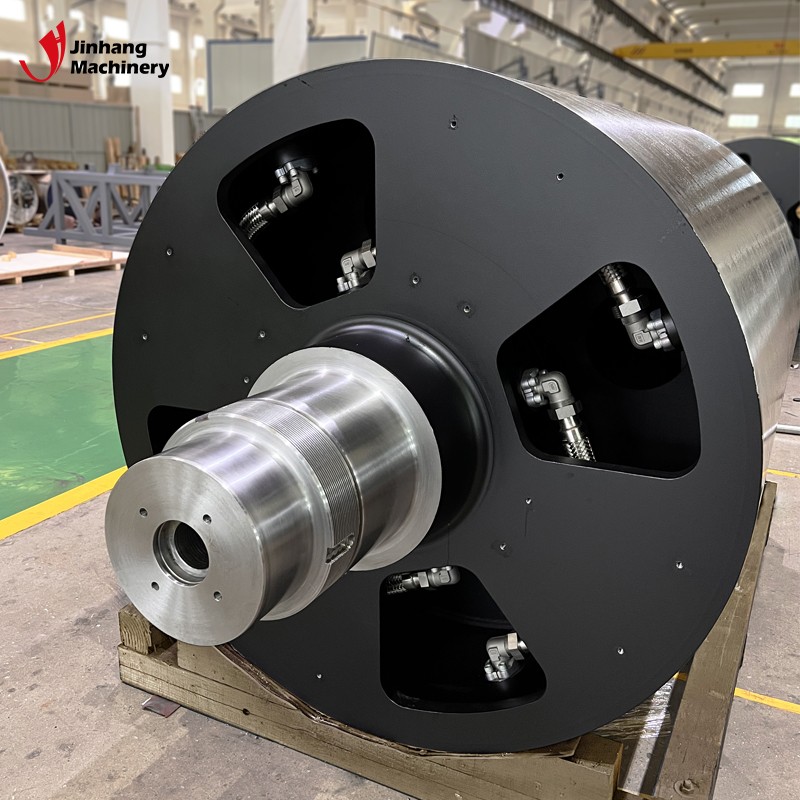
What is the preheating process of stainless steel industrial heating rollers?
Preheating of industrial heated rollers refers to gradually increasing the temperature of the roller before it is put into formal production, allowing its internal structure, material temperature, roller wall thickness, and surface temperature difference to gradually stabilize.
Typically, preheating is carried out slowly and evenly:
• Low-temperature start-up
• Slow temperature increase
• Reaching the set preheating temperature
• Holding at the set temperature
• Only then entering the formal operating temperature
The core purpose of preheating is to prevent drastic temperature shocks to the overall structure of the heated roller, thus allowing the roller to reach a balanced, stable, and controllable working state in the thermal environment.
This process is even more important for stainless steel heated rollers because metals are significantly affected by temperature changes; direct heating can lead to uneven expansion and deformation.
Why is the preheating step of heated rollers so important in industrial production?
Preheating of industrial heated rollers is not an optional step, but a standardized procedure in almost all heat treatment systems. Especially in systems used for high-precision machining, high-temperature heat transfer, or high-speed operation, insufficient preheating can directly lead to:
• Uneven temperature
• Material deformation
• Surface treatment defects
• Fluctuations in processing quality
• Shortened equipment lifespan
• Damage to the heating roller itself
To better understand the necessity of preheating, we need to analyze this process from multiple material and process perspectives.
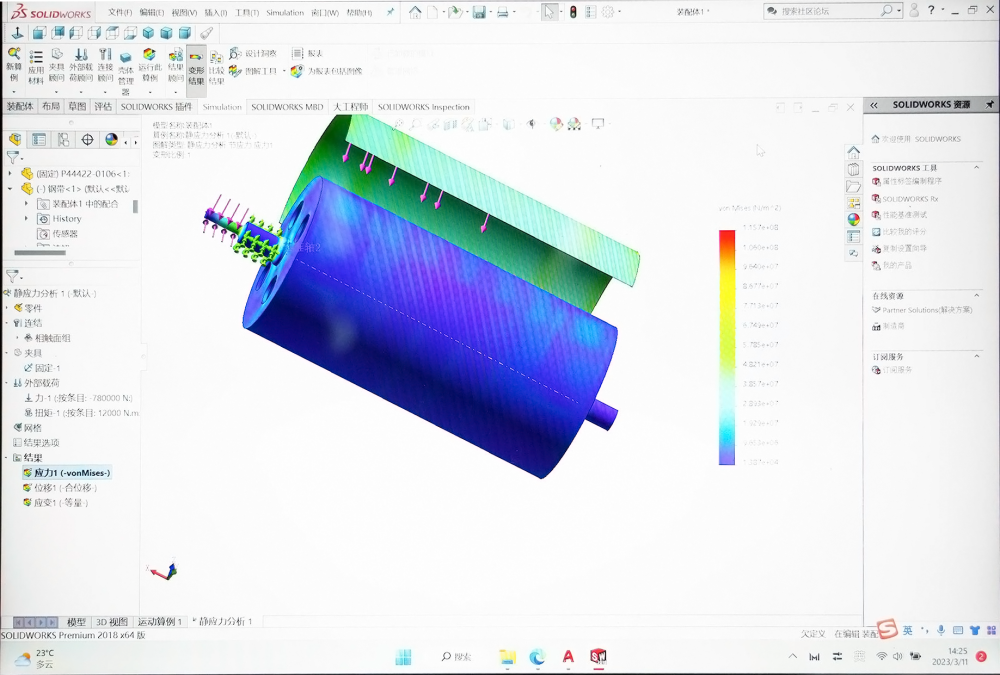
What is the purpose of preheating the heating roller? What key internal changes occur?
During the preheating process, the internal structure of the stainless steel heating roller undergoes a series of changes, including:
1. Homogenization of thermal expansion
Although the coefficient of thermal expansion of stainless steel is stable, if the temperature rises too quickly, asynchronous thermal expansion will occur between the surface layer and the internal wall thickness, leading to increased internal stress.
2. Stabilization of internal metal structure temperature
Metals have a large heat capacity. If preheating is insufficient, the temperature transfer from the surface to the interior will lag, resulting in inconsistent temperatures in different parts of the roller.
3. Redistribution of structural stress
Temperature changes affect the internal stress of the metal. Slow preheating helps the metal's internal structure return to a steady-state stress structure.
4. Surface Temperature Consistency
For processing techniques requiring high surface temperature consistency, such as thin film thermal lamination, coating, and calendering, surface temperature consistency determines the final product quality.
Therefore, preheating is not simply raising the temperature, but rather a "preparation stage" before the heated roller enters its high-precision working state.
What negative impacts will occur if the heated roller is not preheated?
To emphasize the importance of preheating, we must analyze the potential problems caused by not preheating.
1. Excessive internal and external temperature differences leading to metal fatigue or microcracks
Metal structures will experience uneven expansion under temperature shocks, causing microcracks or early fatigue.
2. Uneven temperature distribution on the heated roller surface
Surface temperature differences can lead to:
• Unstable hot pressing
• Inconsistent localized material shrinkage
• Textures, haze, shrinkage, and ripples in films or coatings
3. Unstable working pressure
When the heated roller is used as a calendering roller, temperature differences cause roller deformation, altering the contact line pressure.
4. Uneven Heating of Processed Materials
Material issues include:
• Differences in tensile deformation
• Uneven adhesion
• Localized incomplete melting
• Localized overheating and burning
5. Sudden Increase in Heating System Load
Direct heating causes a drastic change in heater load, affecting the lifespan of the heating system.
6. Roller Deformation Leading to Reduced Processing Accuracy
Even slight bending caused by temperature differences can affect the roundness and balance of the roller, thus impacting high-precision processing.
In summary, the effects of not preheating not only include processing quality but also significantly increase the wear and tear on the heated roller and the entire machine.
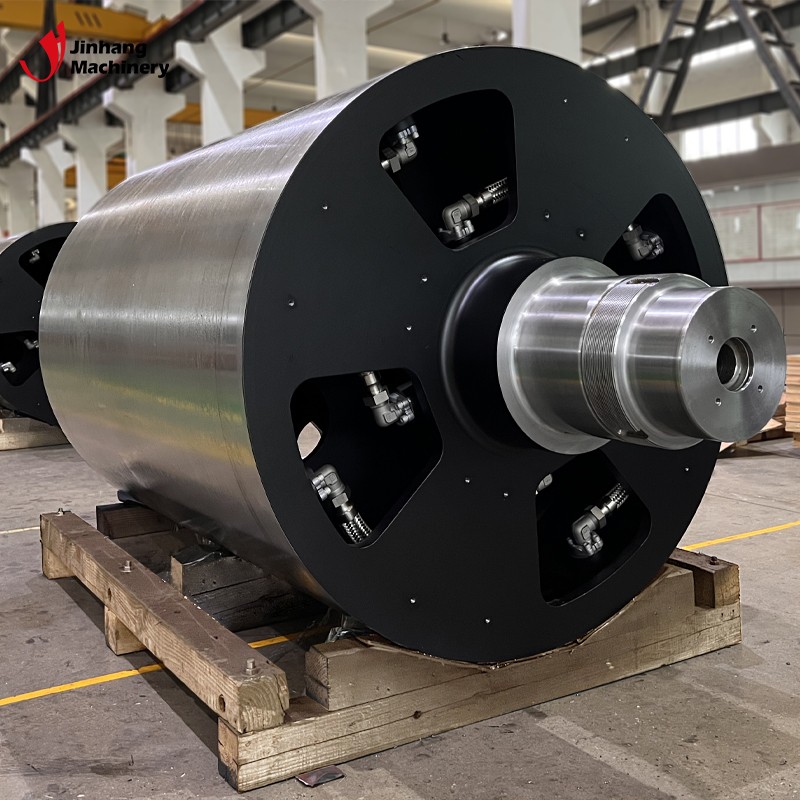
Why is adequate preheating particularly necessary for stainless steel heating rollers?
Stainless steel heating rollers have the following characteristics, making preheating a necessary step:
1. Stainless Steel's Thermal Conductivity is Lower Than Steel
Although stainless steel has good corrosion resistance, its thermal conductivity is relatively lower than that of carbon steel. This means that temperature transfer is slower, and internal and external temperature differences are more likely to occur.
2. Thick Walls and Significant Temperature Gradients
Industrial heating rollers typically have thick walls. If the surface temperature rises too quickly, the delayed temperature rise of the internal metal will create a large temperature difference, which is extremely detrimental to the structure.
3. Stainless Steel is Prone to Thermal Deformation Under Temperature Differences
Stainless steel is prone to uneven expansion under temperature changes, therefore preheating is necessary to eliminate the risk of deformation caused by temperature differences.
4. High-Speed Operation of Heating Rollers
At high speeds, any eccentricity or slight bending can create vibration, affecting precision.
Does preheating of heating rollers affect the consistency of material processing?
The answer is yes, and the impact is significant.
Insufficiently preheated heating rollers often fail to reach thermal stability quickly, and this lack of thermal stability leads to significant temperature fluctuations during processing:
• Initially, the temperature is low.
• After a period of time, the temperature suddenly rises.
• The temperature change is irregular.
This causes the processed material to exhibit different heating responses at different times, thus affecting product consistency.
For production processes requiring precise heat transfer, such as:
• Thermal lamination
• Hot pressing
• Heat sealing
• Hot stretching
• Coating drying
• Surface smoothing and heat finishing
Temperature consistency is a key indicator, and preheating the heating rollers is essential to ensuring this stability.
How does preheating extend the service life of heating rollers?
The service life of heating rollers is primarily affected by material fatigue, structural stress, and internal/external temperature differences. Preheating is the most effective way to reduce the impact of these three factors.
Through preheating:
• Improved internal metal stress stability
• Prevention of metal fatigue caused by sudden temperature changes
• Reduction of stress accumulation due to heat diffusion rate
• Prevention of premature damage to coatings, surfaces, or bearings caused by temperature shocks
In the long run, fully preheated heating rollers maintain structural stability for a longer period.
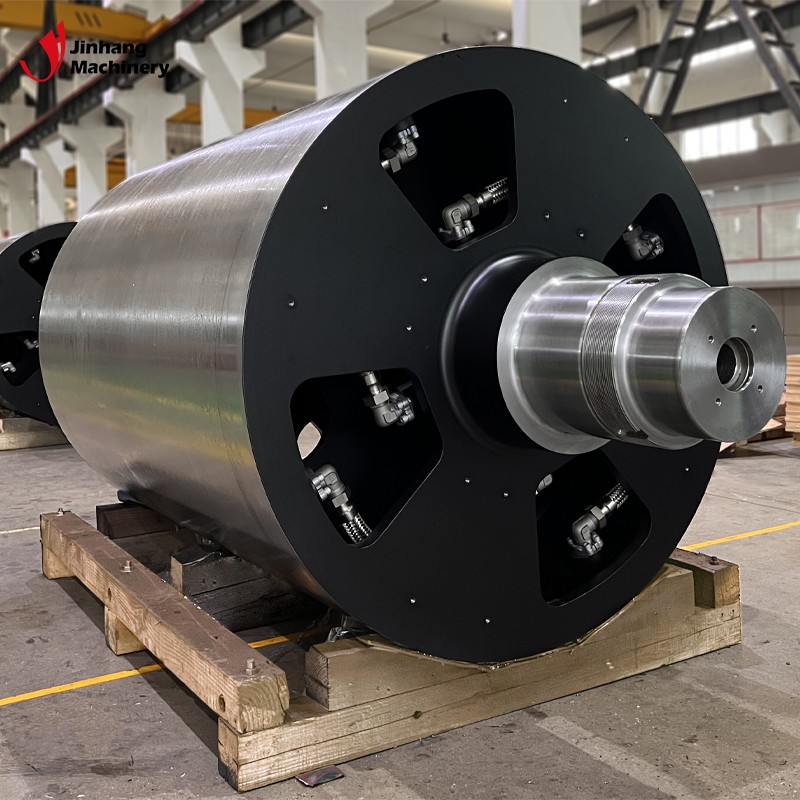
How should heating rollers be properly preheated before formal operation?
While different factories may have different parameter settings, the following principles are generally followed:
1. Gradual Heating
Increase the heating roller temperature in steps, for example:
• Increase by 5–10°C every 5–10 minutes
• Do not directly increase from room temperature to the target temperature
2. Hold for a Period of Time
Allow the internal metal temperature to catch up with the surface temperature.
3. Observe for Temperature Variation
Ensure a consistent temperature across the entire heating roller surface before starting production.
Proper preheating not only improves processing quality but also protects equipment.
What is the core value of preheating stainless steel heating rollers?
In summary, the core value of adequately preheating stainless steel industrial heating rollers includes:
• Ensuring uniform temperature distribution
• Reducing roller deformation and structural stress
• Providing stable and reliable heat transfer quality
• Improving the consistency of processed material performance
• Extending the lifespan of heating rollers and equipment
• Reducing failure rates and equipment maintenance costs
Preheating is not only a way to improve product quality but also an important means of protecting equipment and stabilizing the processing flow.