News

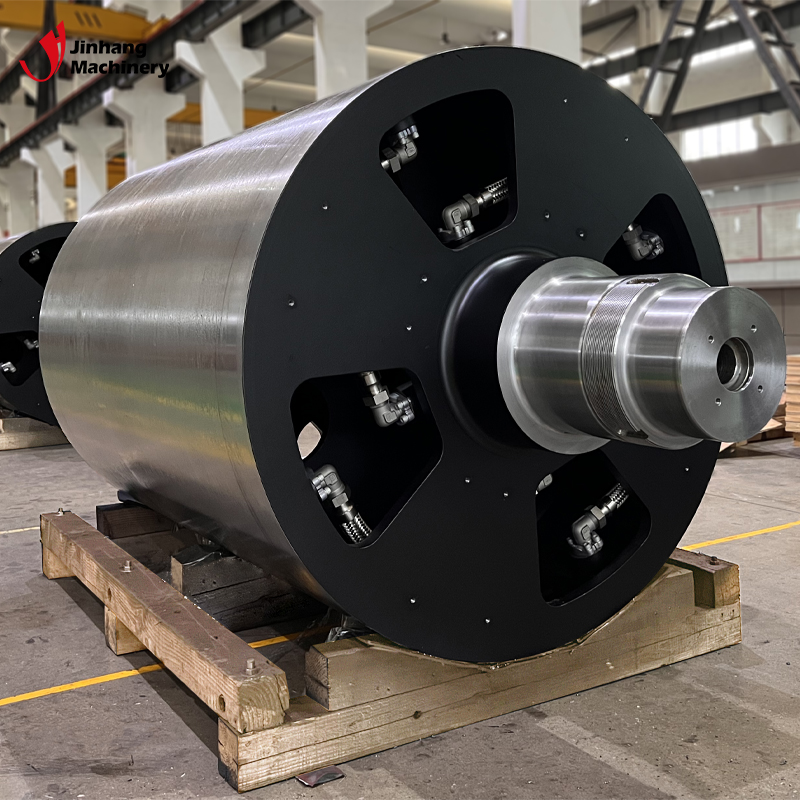
  • Will industrial cooling thin-walled rollers experience uneven cooling?
    23
    2026-01
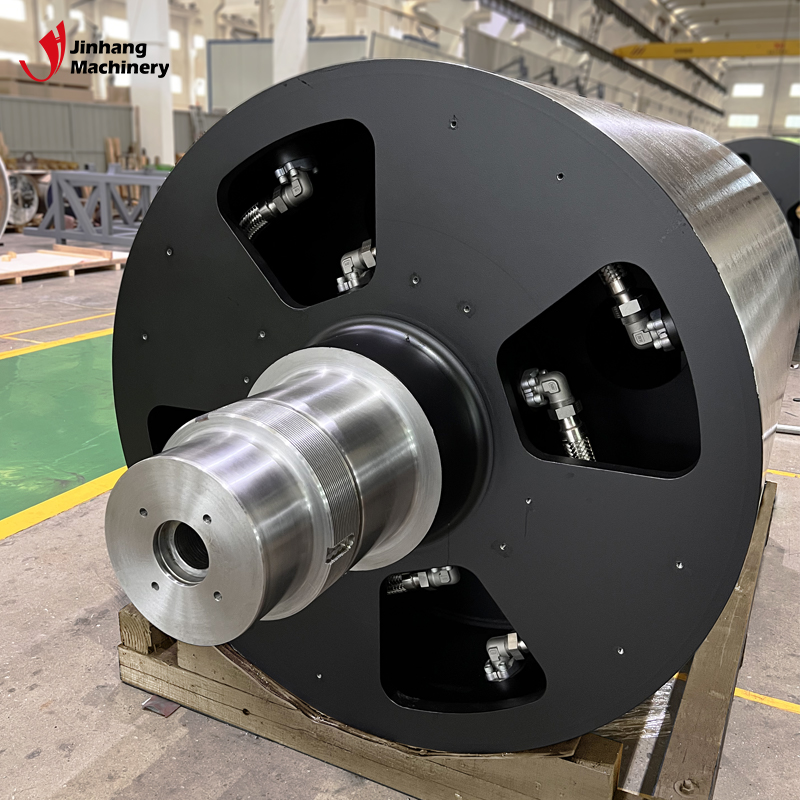
    Thin-walled cooling rollers typically have internal channels for cooling water or other cooling media. An unreasonable channel design is one of the most common causes of uneven cooling.
  • Industrial Mirror Roller: What is Rough Polishing and Fine Polishing?
    22
    2026-01
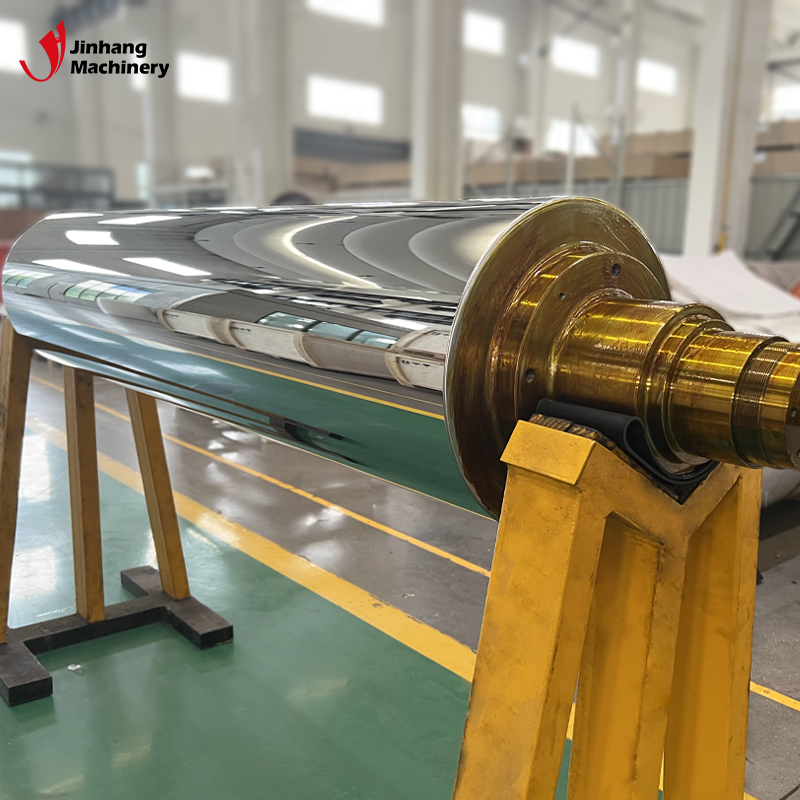
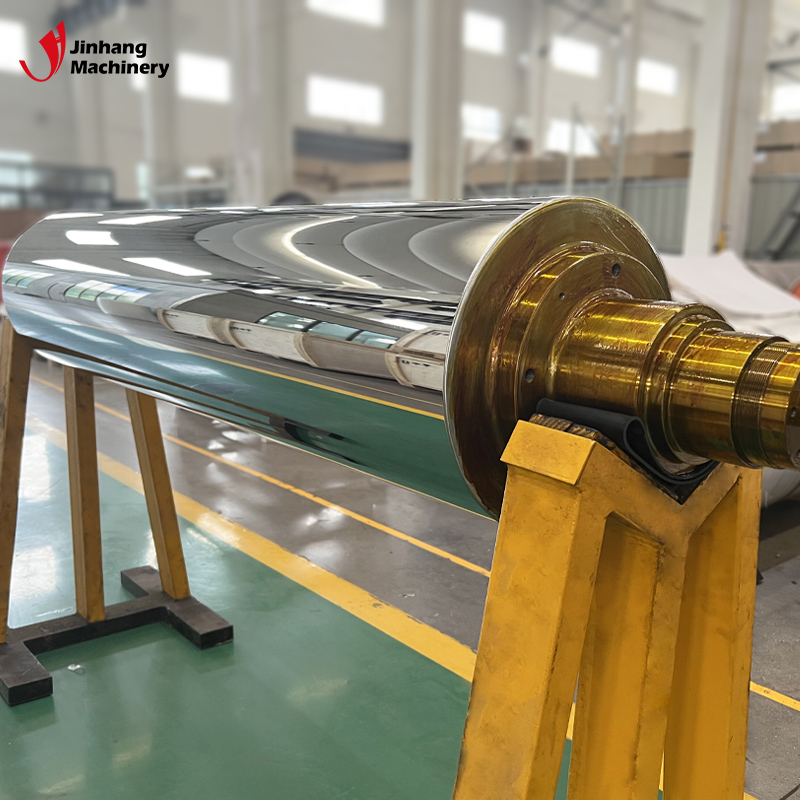
    Rough polishing is used to quickly remove residual defects from the manufacturing process. After rough polishing, the surface of the mirror roller is relatively uniform, but it is still far from a truly mirror-like finish. Fine polishing is necessary at this stage to achieve the final surface quality.
  • What are the Pros and Cons of nitrile rubber rollers?
    21
    2026-01
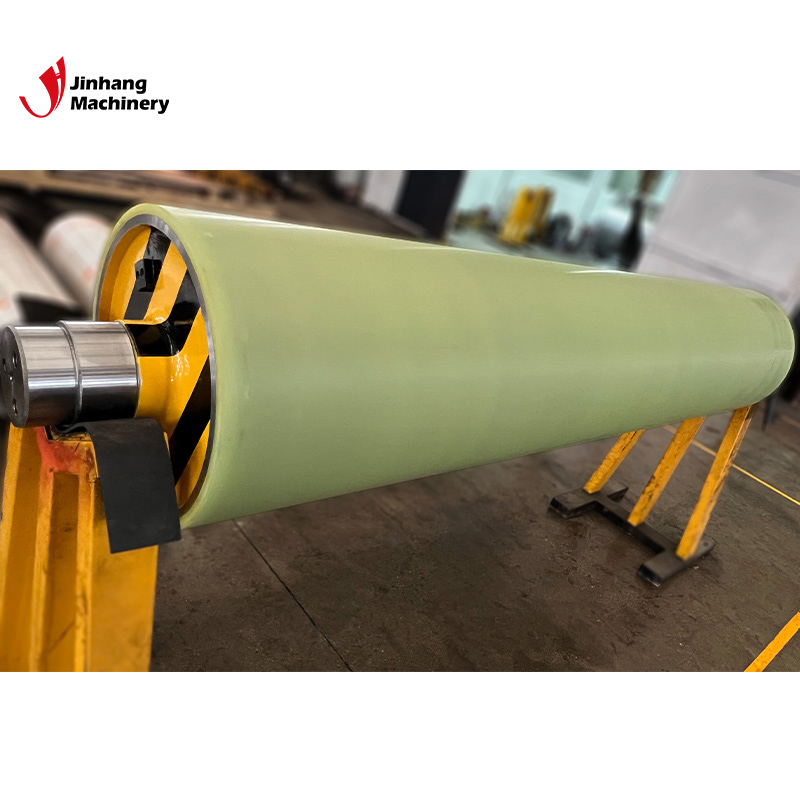
    The biggest Pro of nitrile rubber is its excellent oil resistance, especially to the following oily media: • Mineral oil • Lubricating oil • Hydraulic oil • Fuel oil (diesel, gasoline) • Animal and vegetable oils • Most hydrocarbon solvents The Con is that they are not suitable for cold environments.
  • Why Does Manufacturing Need Industrial Rollers?
    20
    2026-01
    Manufacturing emphasizes stable, continuous, and efficient production methods. A core value of industrial rollers lies in their ability to convert intermittent power into smooth, controllable continuous motion.
  • What are the functions of industrial rollers?
    19
    2026-01
    Industrial rollers in manufacturing undertake multiple core functions, including material conveying, guiding, tension control, surface treatment, heating or cooling, calendering, and correction and stabilization.
  • Are Heated Thin-Wall Rollers Suitable for Continuous or Intermittent Production?
    16
    2026-01
    For intermittent production, heated thin-walled rollers can shorten waiting time and improve single-cycle efficiency; however, in continuous production, if the control system is unstable, temperature fluctuations may be amplified.
  • What Grit Size is Required for Polishing Industrial Mirror Rollers?
    15
    2026-01
    Different factories will combine different grit sizes based on the hardness of the mirror roller, the characteristics of the electroplating layer, and the required roughness. Typically, polishing starts at P600 and progresses upwards, ensuring each stage completely covers scratches from the previous grit.
  • Is Water Cooling or Oil Cooling Better for Thin-Walled Rollers?
    14
    2026-01
    There is no absolutely "better" cooling method for thin-walled rollers. Water cooling and oil cooling each have their strengths, and the key is whether they match the specific working conditions, structural design, and operational requirements.
  • Which Is Better, NBR or EPDM Rubber Rollers?
    13
    2026-01
    • If your equipment is in high-temperature, steam, outdoor, chemical, weather-sensitive, or ozone-laden environments → ✔ EPDM rubber rollers are better • If your equipment must be in prolonged contact with oils, greases, fuels, or high-friction conditions → ✔ NBR rubber rollers are better

  • What Are the Quality Inspection Processes of Roller Manufacturers?
    12
    2026-01
    It includes, but is not limited to: • Raw material inspection • Rough machining inspection • Finishing dimensional inspection • Surface quality inspection • Dynamic balancing inspection • Functional testing • Finished product re-inspection
  • What Causes Vibration in Industrial Cooling Thin-Walled Rollers?
    09
    2026-01
    The reason cooling thin-walled rollers are more prone to vibration is mainly due to their three structural characteristics: 1. Thinner wall thickness and relatively lower structural rigidity 2. Internal cooling medium flow 3. Significant temperature gradient during operation
  • Are Industrial Heating Thin-Walled Rollers Faster?
    08
    2026-01
    Due to the smaller roller wall thickness, heating thin-walled rollers result in: • Shorter heat transfer distance • Reduced thermal resistance • The roller surface reaches the target temperature faster In contrast, traditional thick-walled heated rollers require a longer time to evenly transfer internal heat to the roller surface.

40px

80px

80px

80px

Get the latest price? We will reply as soon as possible (within 12 hours)

40px

40px

40px

40px