News

  • What are the Pros and Cons of using carbide-coated rollers?
    02
    2026-03
    Main Pros of carbide-coated rollers: • High hardness and high wear resistance • Strong corrosion resistance • Good thermal stability • Long service life • High performance-to-cost ratio • Wide range of applications Main Cons of carbide-coated rollers: • Higher cost than ordinary rollers • Coating may peel off • Higher processing difficulty • Lower precision than solid carbide rollers • Not suitable for extreme impact conditions
  • Can EPDM Rubber Roller Coatings Be Refurbished?
    27
    2026-02
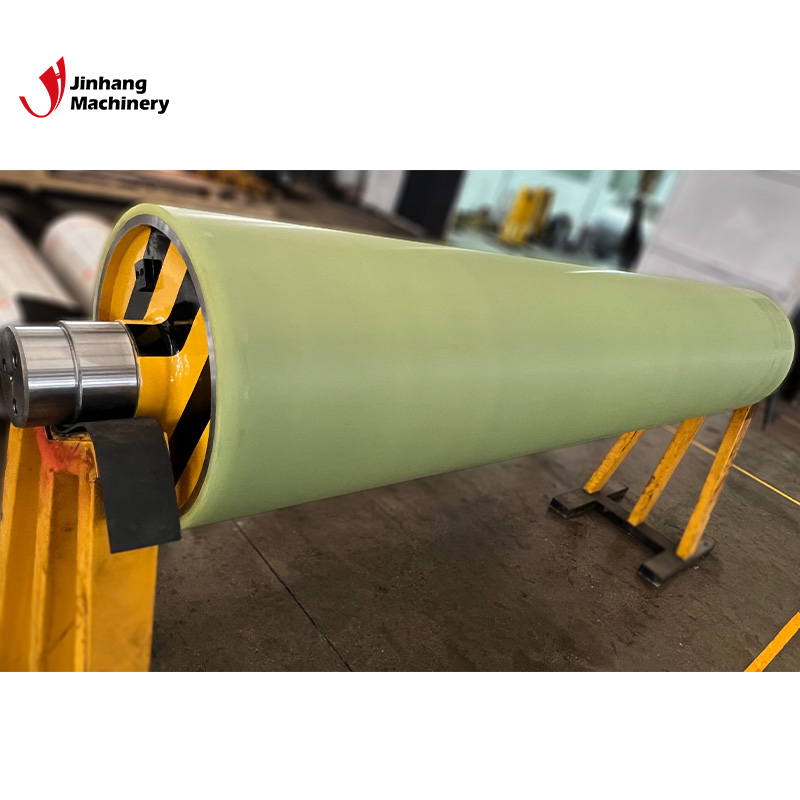
    EPDM rubber roller coatings can absolutely be refurbished, and the refurbishment results are excellent. It is one of the most economical and effective methods for maintaining EPDM rubber rollers.
  • What are the uses of industrial cooling rollers?
    26
    2026-02
    Film, sheet, and plate materials are typically in a soft or semi-molten state after processes such as heating, extrusion, coating, and calendering. Without the precise control of cooling rate by cooling rollers, the following cannot be achieved: • A smooth surface • Stable thickness • Uniform molecular structure • Stable mechanical properties

  • What are Carbide-Coated Rollers Used For?
    25
    2026-02
    Many processing scenarios in industrial production place extremely stringent requirements on roller surfaces, which ordinary steel rollers, stainless steel rollers, and chrome-plated rollers often cannot meet. This is the fundamental reason for the emergence of carbide-coated rollers.
  • How to Apply Tungsten Carbide Coating to Industrial Rollers?
    24
    2026-02
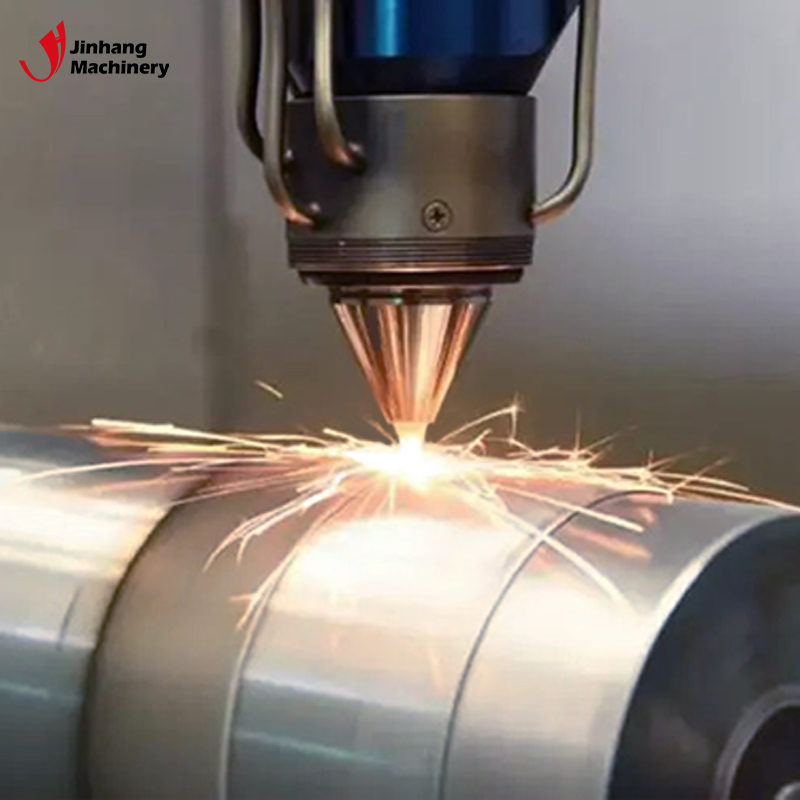
    Common spraying processes include: HVOF (High-Voltage Oxygen Fuel Fluid) spraying, plasma spraying, flame spraying, and cold spraying. The characteristics of each are as follows:
  • What are Rollers in Manufacturing?
    23
    2026-02
    A roller is a mechanical component with a cylindrical structure, capable of rotating around its own axis, and directly involved in material conveying, forming, or processing. When rollers are applied to industrial manufacturing systems and undertake continuous production tasks, they are usually called: Industrial rollers.
  • Is EPDM Industrial Roller Plastic or Rubber?
    20
    2026-02
    EPDM industrial rollers belong to the rubber category, not the plastic category. EPDM is a typical synthetic rubber, composed of ethylene, propylene, and a small amount of a third monomer.
  • What are the differences between industrial mirror rollers and embossed rollers?
    19
    2026-02
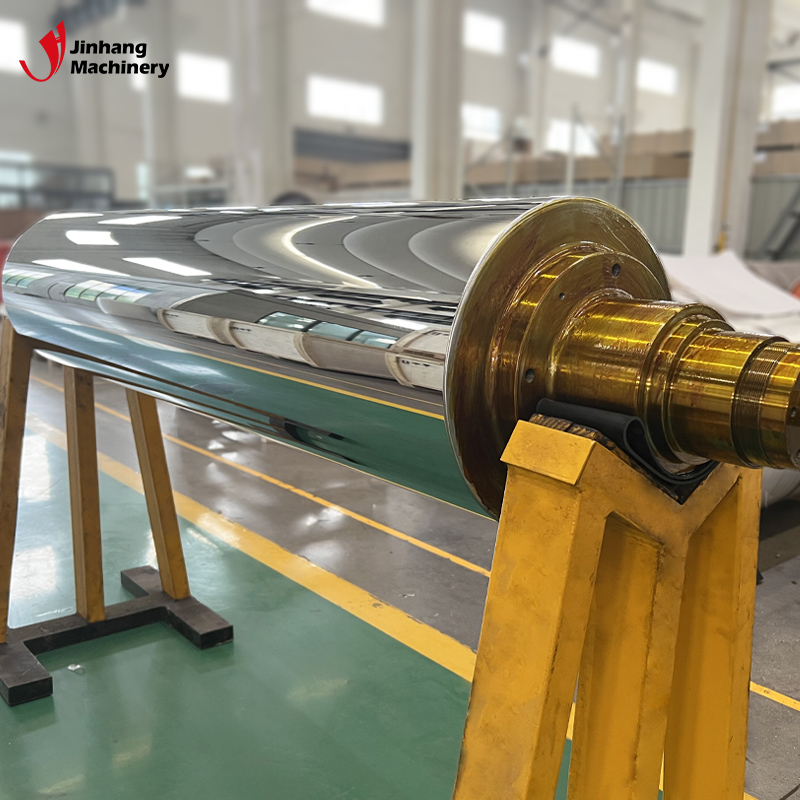
    The process objectives of mirror rollers are typically: • Maintaining or improving the flatness of the material surface • Controlling surface finish • Avoiding the generation of additional textures The process objectives of embossing rollers, on the other hand, are: • Forming controllable textures on the material surface • Changing the surface structure • Achieving specific functional effects
  • Are Industrial Heated Thin-Wall Rollers Prone to Thermal Deformation?
    18
    2026-02
    From an engineering perspective, heating thin-walled rolls is not necessarily "more prone to thermal deformation." Whether significant thermal deformation occurs depends on the combined effect of multiple factors, not just the wall thickness itself.
  • Does a Heating Roller Need to Maintain a Low Temperature Difference?
    17
    2026-02
    Yes—most industrial production lines require maintaining a low temperature difference operation of heated rollers. Because the heating rollers provide the thermal foundation for the entire process, any temperature difference will directly manifest in the material as: • Uneven thickness • Different surface gloss etc.
  • Can EPDM rubber rollers be used in steam environments?
    16
    2026-02
    EPDM can withstand these conditions because its skeleton has a highly saturated structure, making it less prone to thermo-oxidative reactions, thus ensuring the physical stability of EPDM rubber rollers in steam environments.
  • Are industrial cooling thin-walled rollers efficient at cooling?
    13
    2026-02
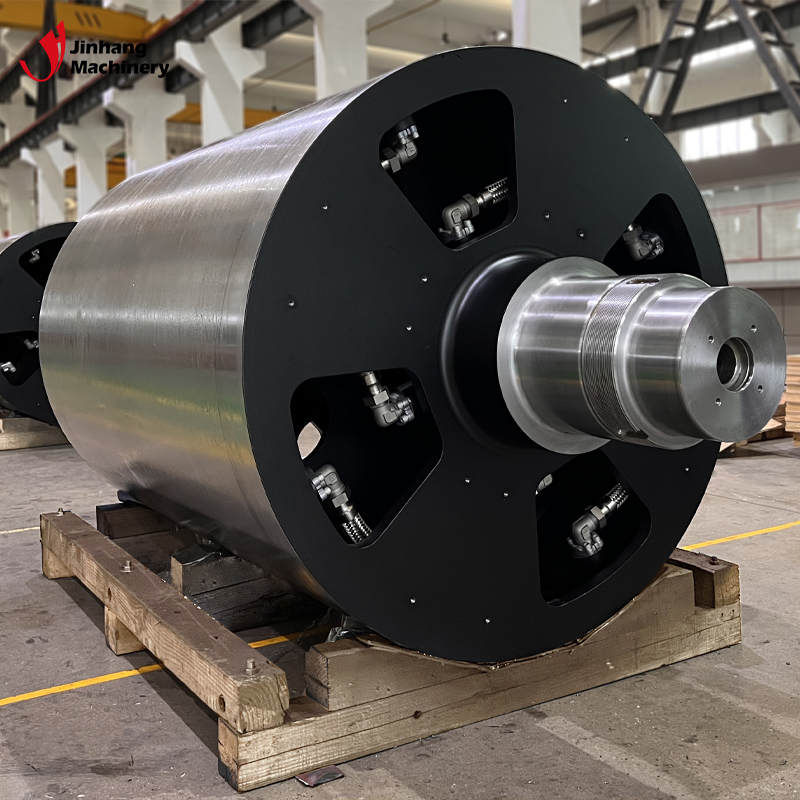
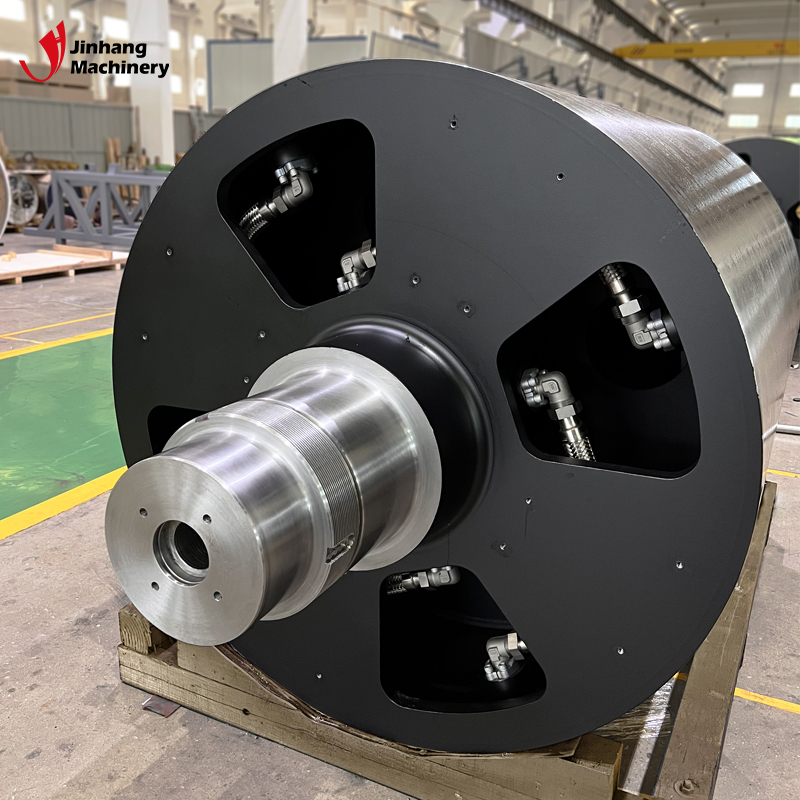
    Cooling thin-walled rollers possess inherent structural advantages for achieving high cooling efficiency, but this requires highly specialized design, materials, and manufacturing processes. The cooling efficiency of cooling thin-walled rollers is not an "automatic" attribute, but rather a result of systems engineering.

40px

80px

80px

80px

Get the latest price? We will reply as soon as possible (within 12 hours)

40px

40px

40px

40px