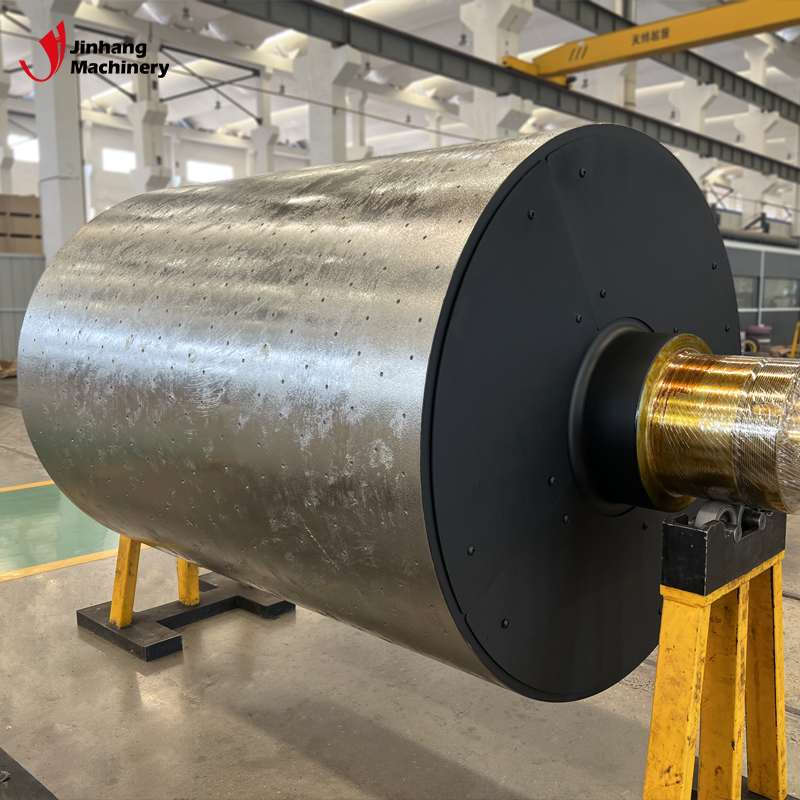
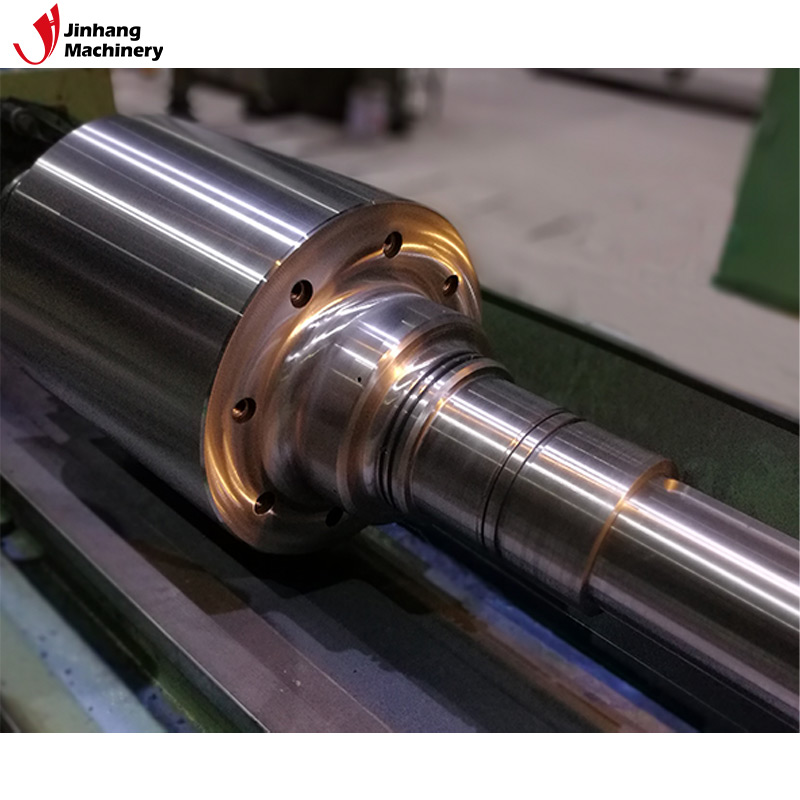
Cooling roller helps packaging materials maintain their mechanical properties and appearance characteristics by rapid and uniform cooling. For example, plastic film can avoid warping or shrinkage caused by thermal stress under the action of cooling roller, thereby ensuring the thickness uniformity and flatness of the film.
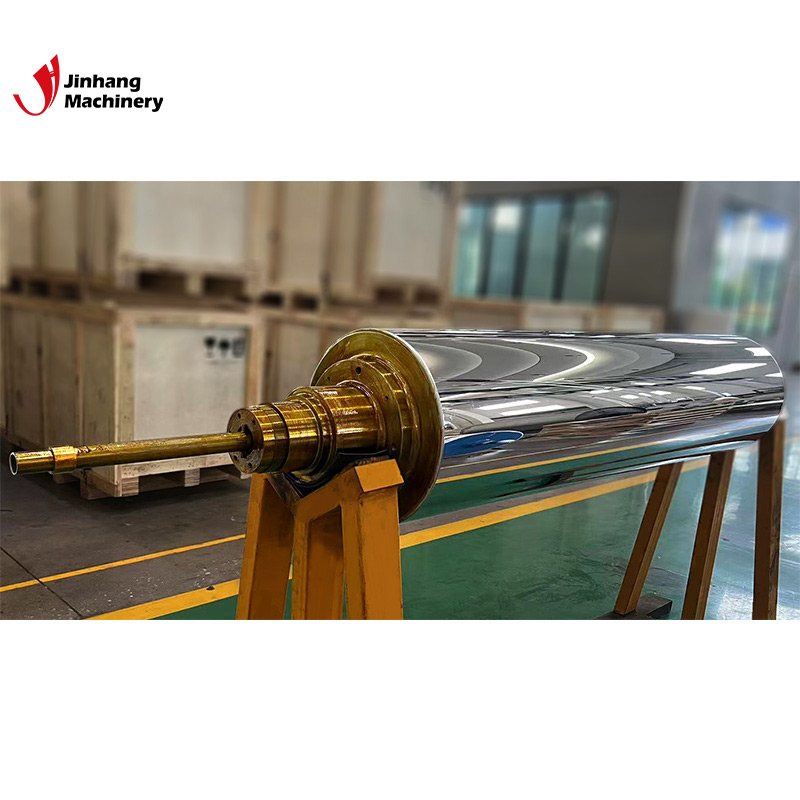
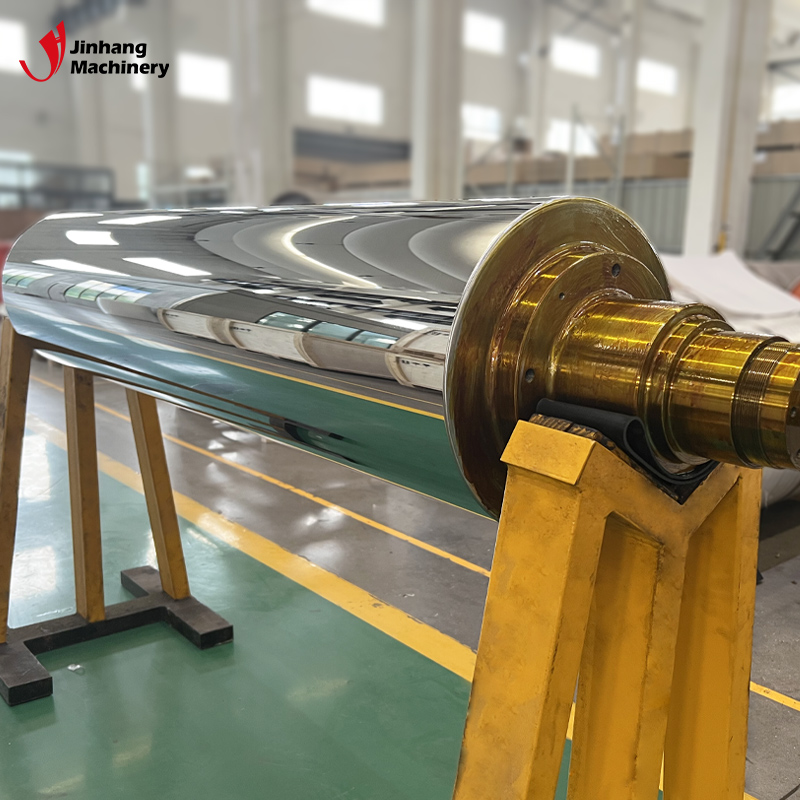
Compared with traditional rollers, the surface flatness and finish of mirror rollers have been greatly improved. This smooth surface not only reduces the friction coefficient, but also greatly reduces the occurrence of surface damage during operation.
Stainless steel itself has higher tensile strength and toughness, but compared with chrome plated roller, the hardness of stainless steel roller may be slightly inferior. Therefore, stainless steel rollers may suffer certain wear and tear when operating for a long time or facing high-intensity pressure.
Polyurethane rollers have good flexibility, can absorb impact and reduce noise, and have good tolerance to most industrial chemicals. Compared with tungsten carbide, it is light in weight, low in cost, and not easy to cause damage to equipment.
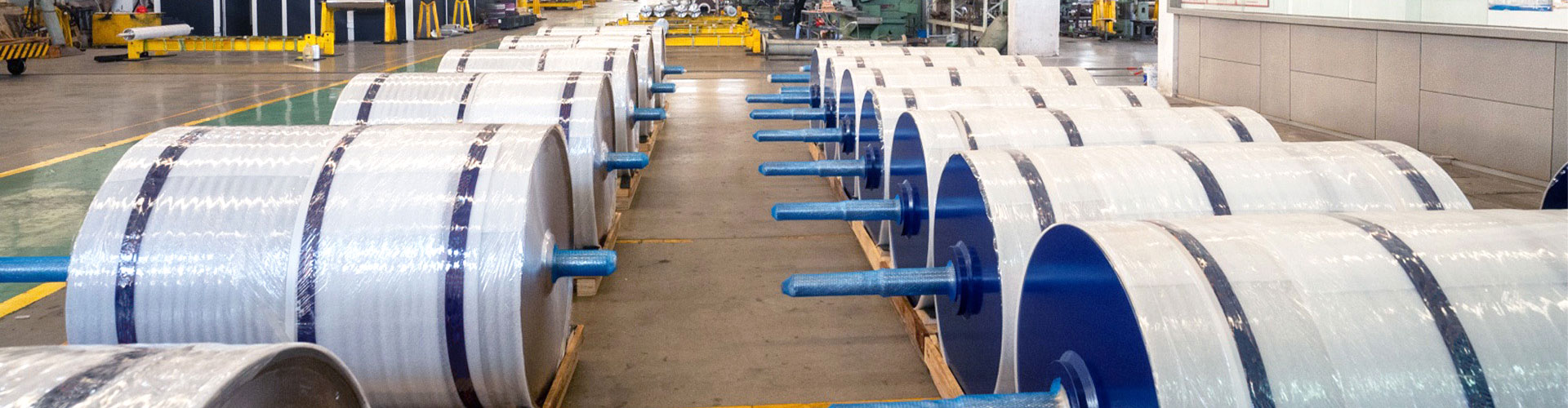
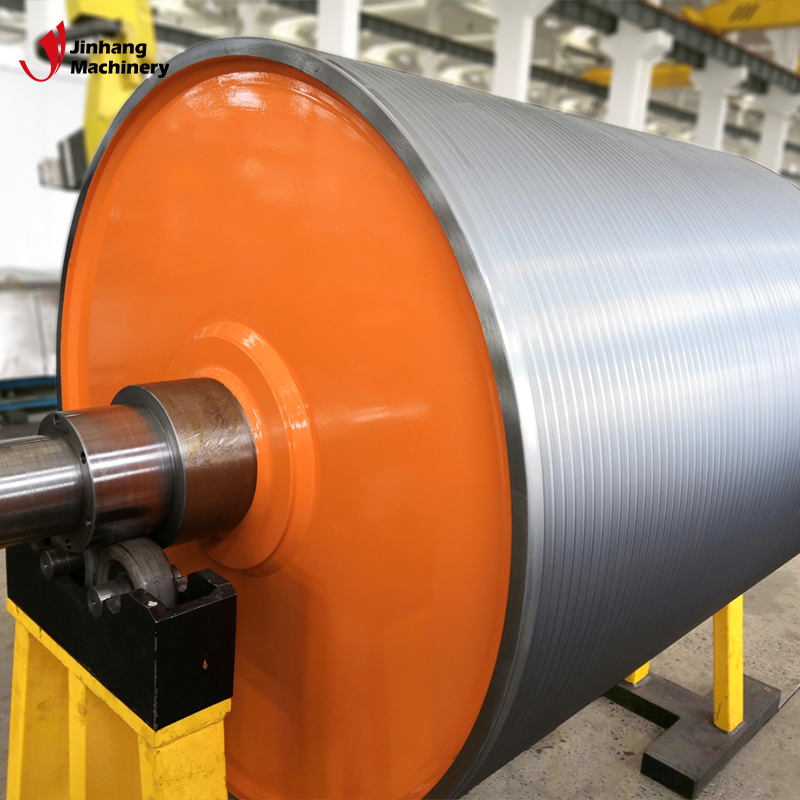
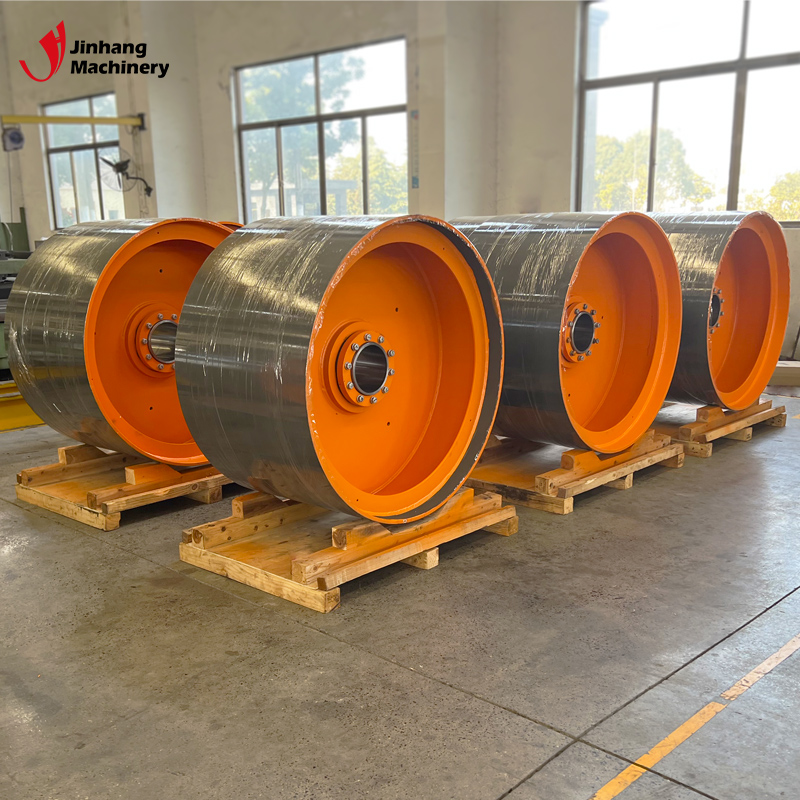
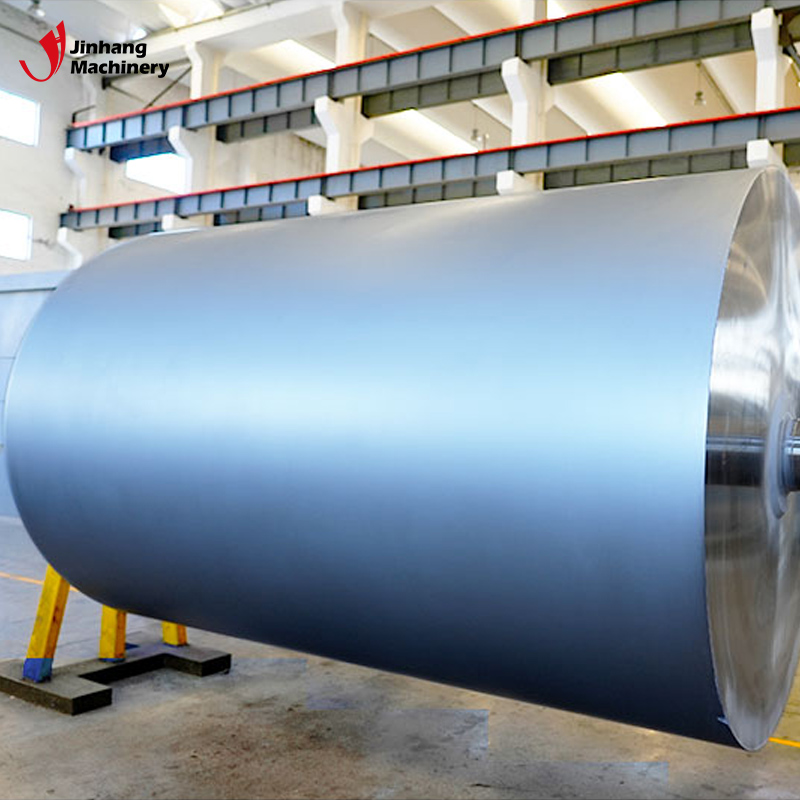
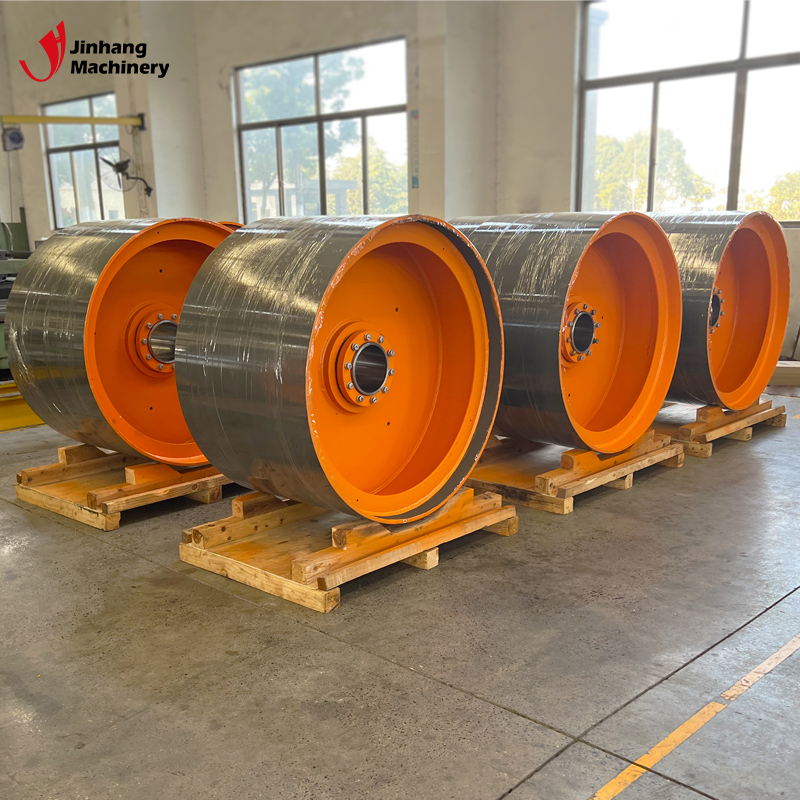
Industrial rollers are an important part of mechanical equipment, usually cylindrical in shape, used to transmit power, convey materials or pressurize. The main function of the roller is to transmit power to other parts of the machine or to convey materials through the equipment to the desired location through rotation or rolling action.
Flexographic printing is a widely used printing method, especially for printing materials such as packaging, labels and plastic films. In this printing method, the anilox roller plays a vital role.
There are certain differences in hardness and performance between cemented carbide rollers and tungsten carbide rollers. Tungsten carbide has extremely high hardness, which can reach 70-90 HRC, but due to the brittleness of tungsten carbide itself, its impact resistance and fatigue resistance are relatively weak.
An industrial heating roller is an industrial equipment that heats the roller surface through an internal heating system.
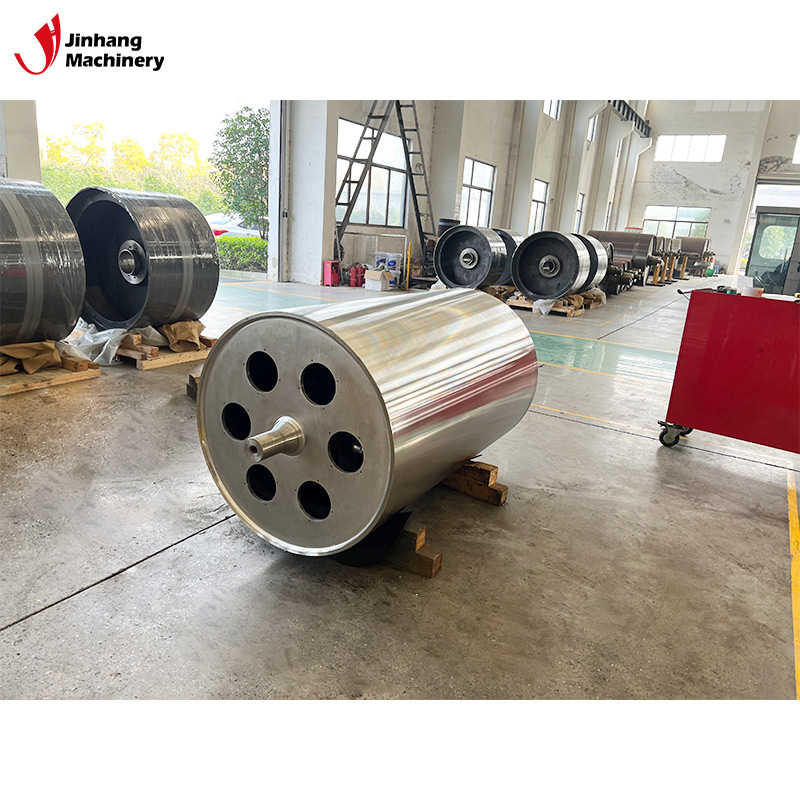
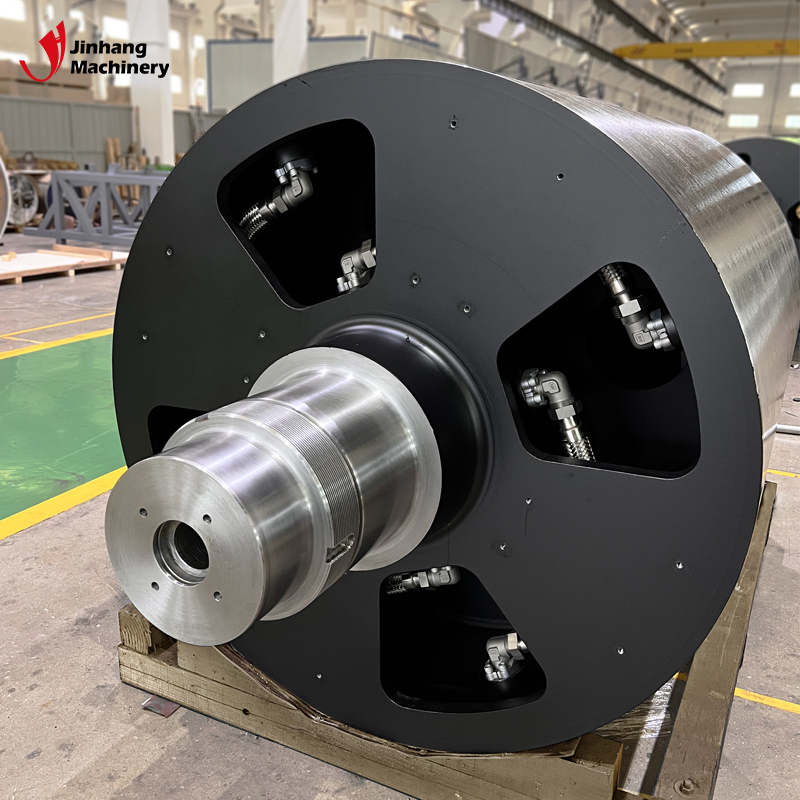
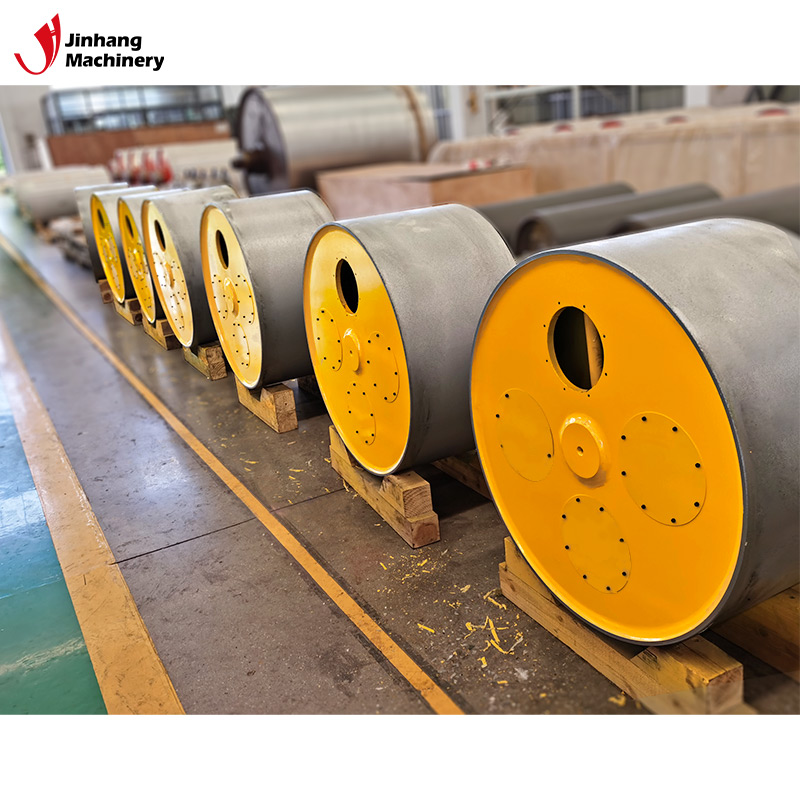
An industrial cooling roller takes away the heat from the roller surface through an internal cooling system, so that the contacted material cools quickly.
The high development of modern coating technology has enabled the thickness of tungsten carbide coatings to achieve extremely high customization accuracy, and the error is usually controlled within ±0.01mm. This high-precision thickness control can meet the stringent requirements of industrial equipment for roller performance.
The manufacturing process of industrial cooling roller mainly includes material selection, cylinder forming, internal channel design, surface treatment and precision machining.
Different materials have different performance requirements for corona rollers. For example, plastic films require higher surface energy, while metal foils require higher cleaning effects. Therefore, before purchasing a corona roller, it is necessary to accurately understand the types of materials that are mainly processed on the company's production line.