News

  • What are the differences between different types of water quenching rollers?
    06
    2025-05
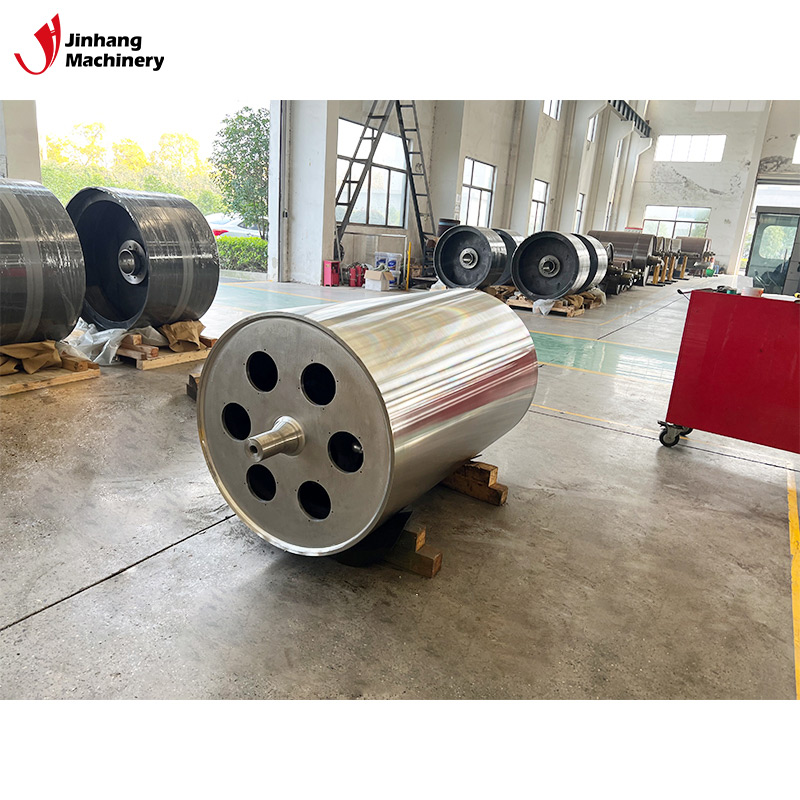
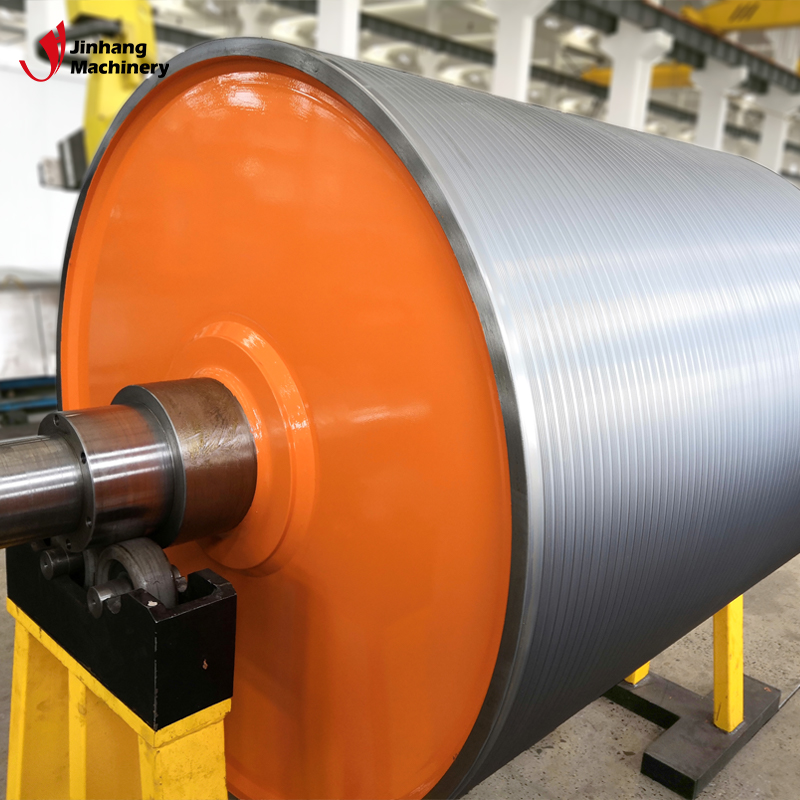
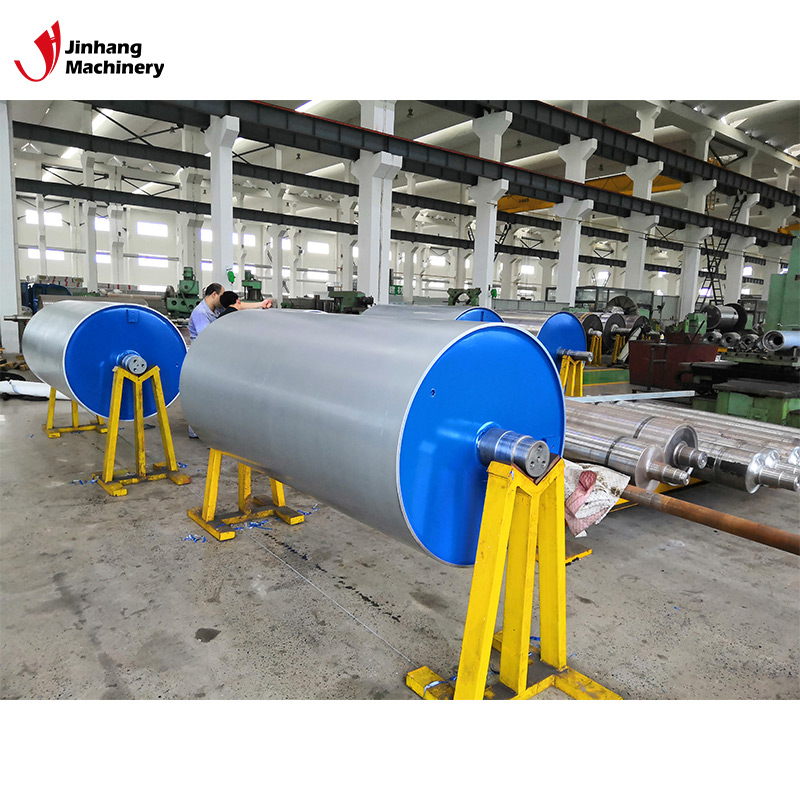
    The classification of industrial water quenching rollers can be distinguished according to multiple standards, mainly including the material, structure, cooling method and application field of the roller body. The following are several common types of water quenching rollers and their main differences:
  • What are the main customer groups of tungsten carbide coated rollers?
    05
    2025-05
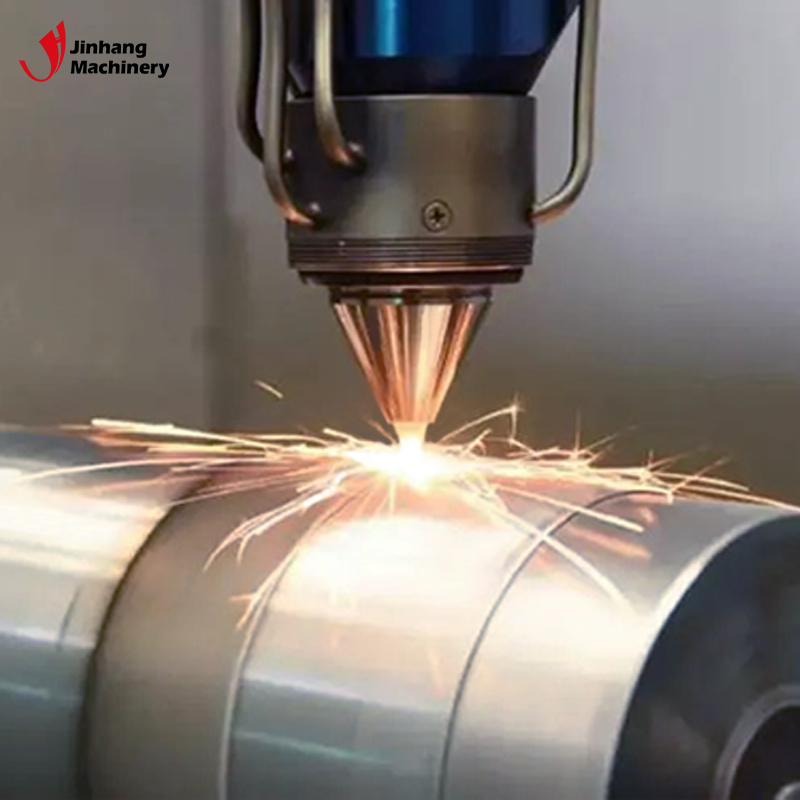
    In the metal processing industry, tungsten carbide coated rollers are mainly used for metal processing, forming, rolling and other processes. During the metal processing process, the equipment needs to withstand high temperatures, large impacts and friction, so the hardness and wear resistance of the rollers are very high. ● Customer groups: steel mills, aluminum plants, copper plants, metal rolling plants, etc.
  • What are the manufacturing materials of industrial heating roller?
    02
    2025-05
    Stainless steel is a common industrial heating roller material. It has excellent corrosion resistance and high temperature resistance, and is suitable for most industrial heating occasions. Common stainless steel materials include 304 stainless steel and 316 stainless steel.
  • What can I use to polish an industrial chrome plated roller?
    01
    2025-05
    The purpose of the rough grinding stage is to remove large scratches, oxide layers and other obvious stains on the surface of the industrial chrome plated roller. Use coarser sandpaper (such as 200 mesh or lower) and a polishing machine for preliminary grinding.
  • What is the hardness range of hydrogenated nitrile rubber roller?
    28
    2025-04
    The hardness range of hydrogenated nitrile rubber rollers is usually between 50A and 90A. Specifically, hydrogenated nitrile rubber rollers with lower hardness (such as 50A-60A) are mainly used in situations requiring higher elasticity and better adaptability, while hydrogenated nitrile rubber rollers with higher hardness (such as 80A-90A) are suitable for environments with greater pressure and high temperature.
  • When should industrial cooling rollers be used?
    25
    2025-04
    Plastic extrusion and film production are among the most common applications for industrial chill rollers. In these production processes, plastic materials are usually extruded by heating and then need to be quickly cooled before forming and final shaping to ensure a smooth surface and uniform thickness of the product.
  • Why does the chrome plating of industrial chrome plated roller fall off?
    24
    2025-04
    If the roller surface is not clean enough or there are pollutants such as oxide layer and oil before electroplating, it is difficult for the chrome layer to firmly bond with the substrate. In this case, the chrome layer of the chrome plated roller is prone to shedding during use.
  • Is the industrial chrome plated roller durable?
    23
    2025-04
    The high hardness of the chrome plating layer enables it to maintain a good surface state when facing high-intensity friction, and it is not easy to be worn or scratched. Even after long-term use, the surface of the chrome plated roller can still remain smooth and uniform.
  • What are anilox rollers usually made of?
    22
    2025-04
    Main material types of anilox roller: 1. Metal material ● Aluminum alloy ● Stainless steel 2. Ceramic material ● Aluminum oxide ceramic ● Chromium oxide ceramic 3. Polymer material ● Polyurethane ● Teflon coating
  • What is the volume range of ceramic anilox roller?
    21
    2025-04
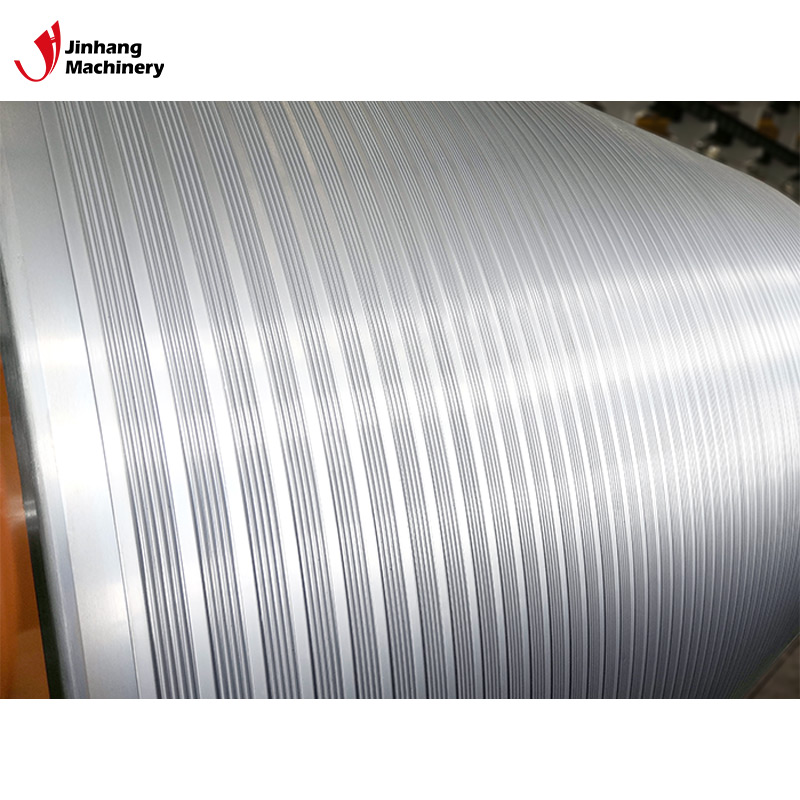
    Large ceramic anilox roller: with a diameter greater than 200 mm and a length greater than 1500 mm, it is suitable for industries that require large-area coating, such as large-scale packaging printing, wide-format coating or steel plate coating.
  • Neoprene roller - Everything You Need to Know
    18
    2025-04
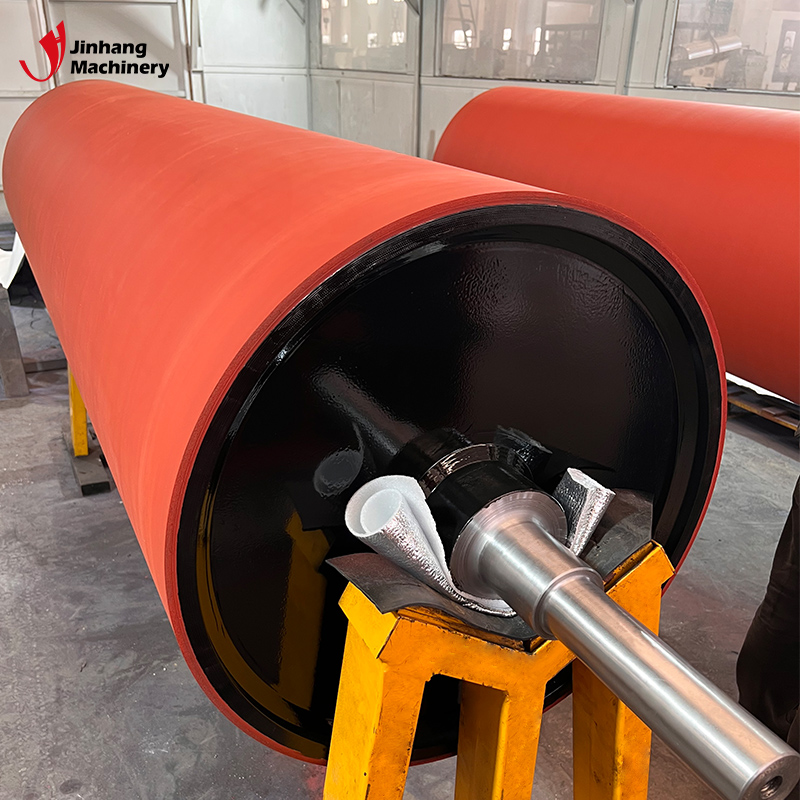
    Neoprene roller is made of chloroprene rubber, which is a synthetic rubber produced by α-polymerization with 2-chloro-1,3-butadiene as the main raw material. Neoprene has many excellent physical and chemical properties, making it an ideal material for manufacturing rollers.
  • Why does the packaging industry need polyurethane roller?
    17
    2025-04
    Packaging materials and processes often involve various chemicals, such as inks, adhesives and cleaning agents. Polyurethane rollers have strong corrosion resistance to these chemicals and can work for a long time in harsh chemical environments without affecting their physical properties.

40px

80px

80px

80px

Get the latest price? We will reply as soon as possible (within 12 hours)

40px

40px

40px

40px