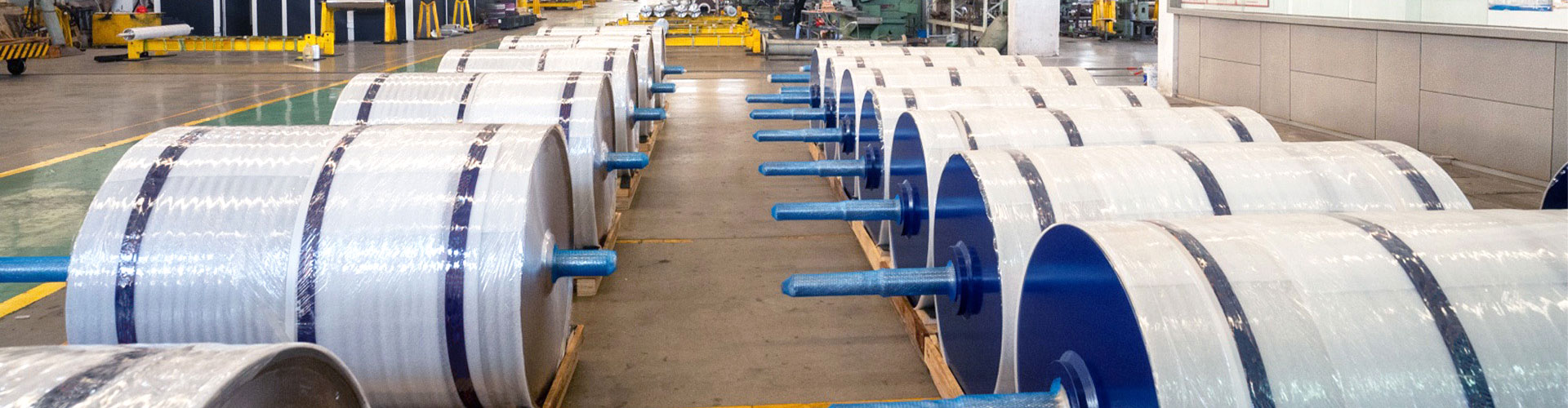
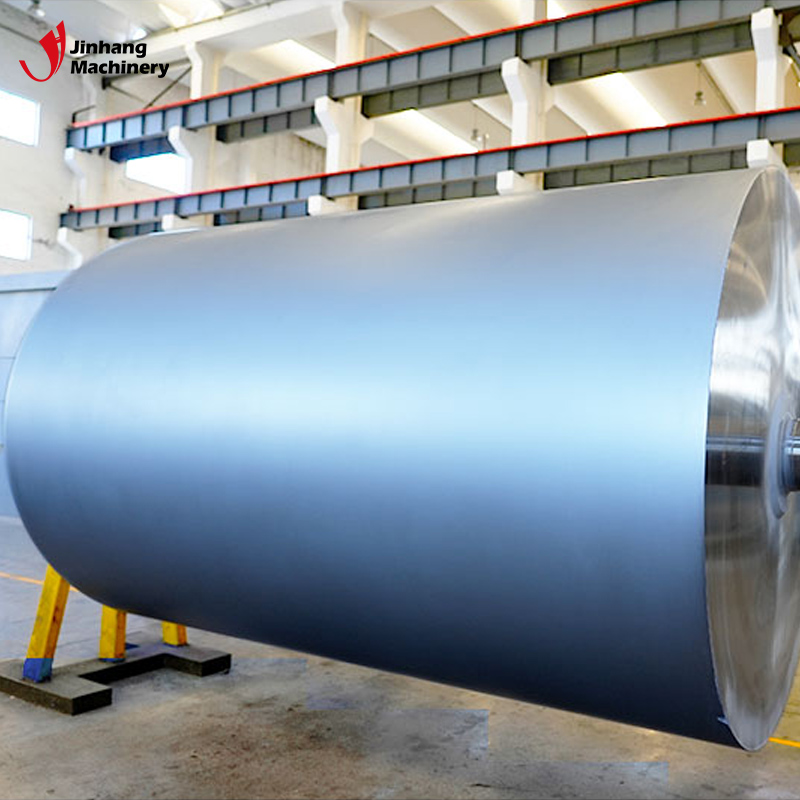
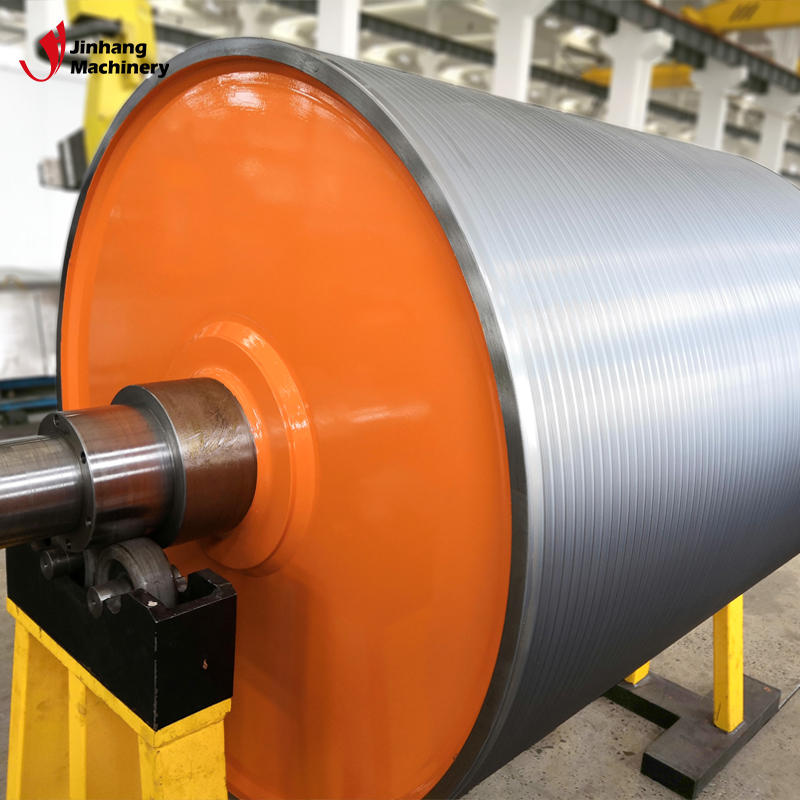
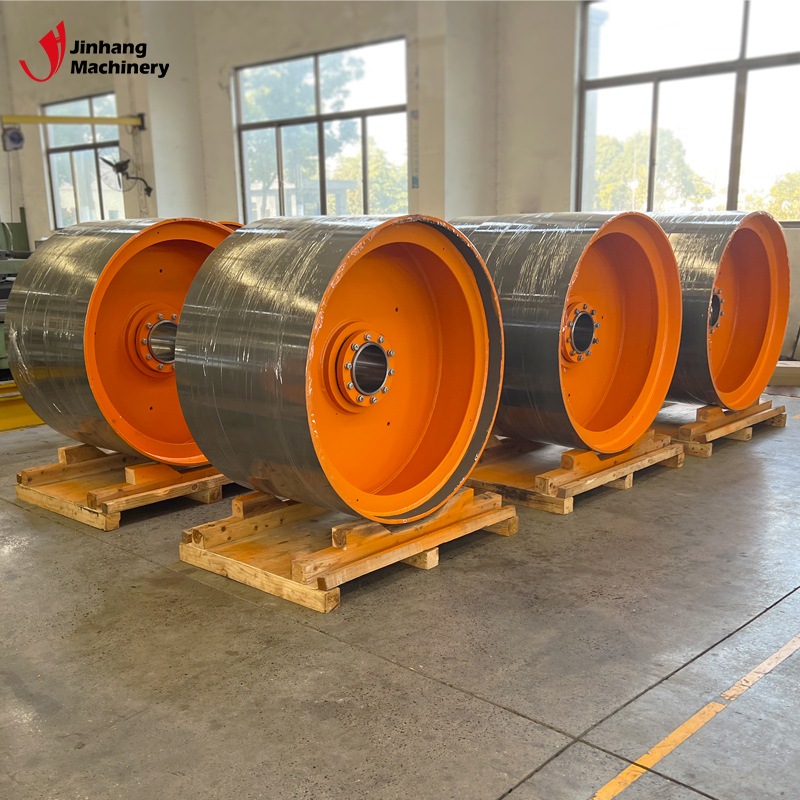
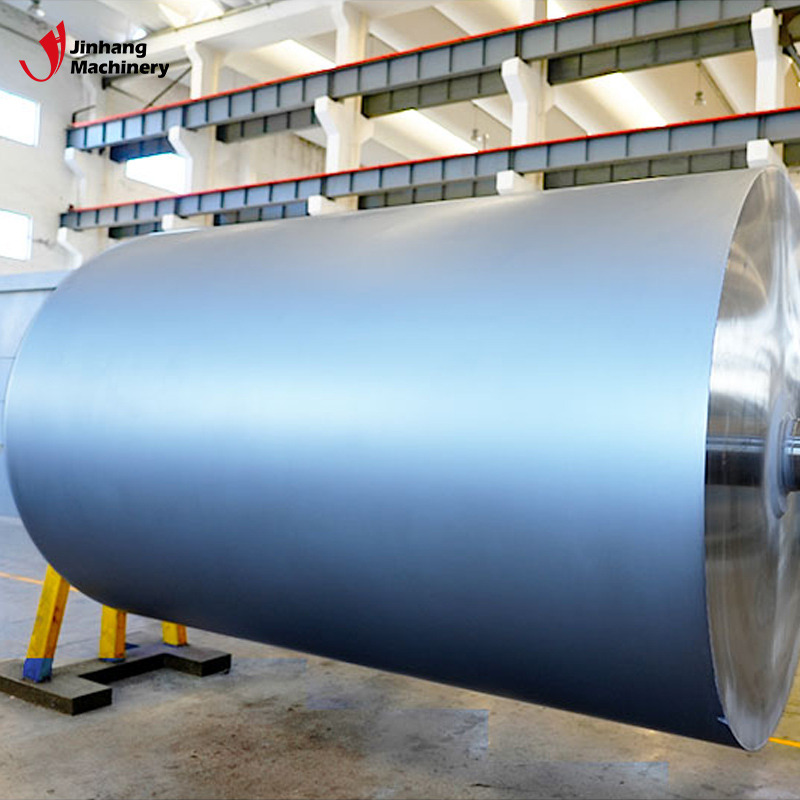
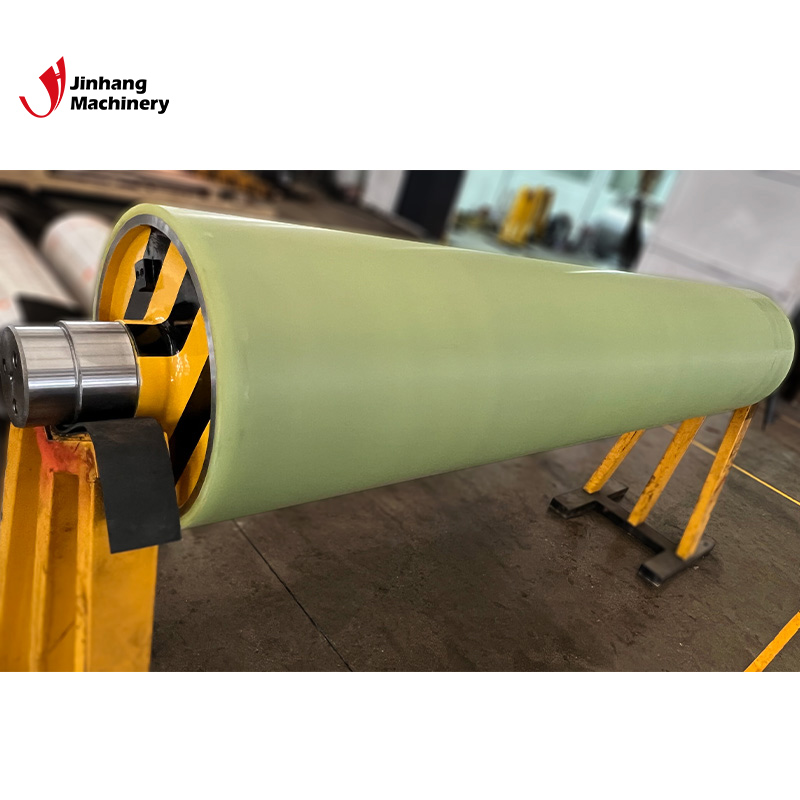
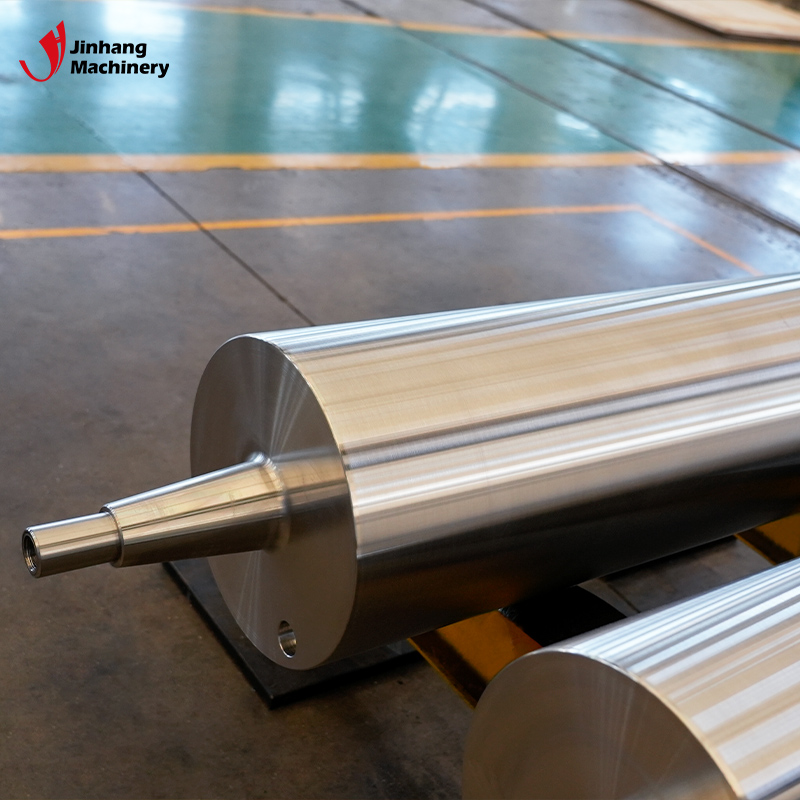
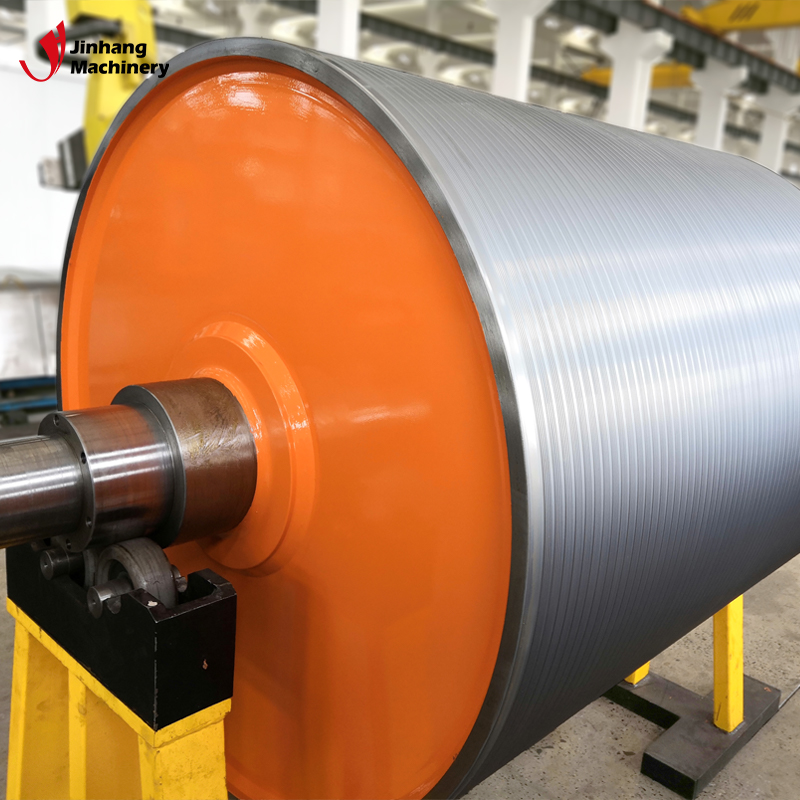
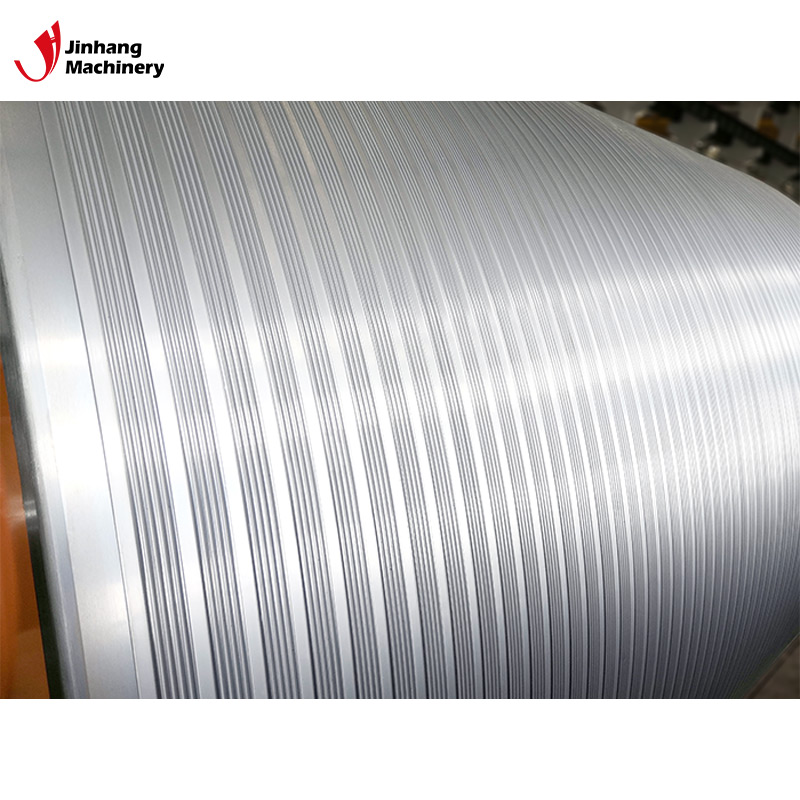
An industrial water quenching roller is a device used in the metal heat treatment process. It quickly cools the metal workpiece on the roller surface to achieve the required hardness and material properties. This process is often called "quenching" and is a key link in heat treatment.
The hardness of the chrome plating layer of industrial chrome-plated rollers is usually between 800 and 1000 Vickers hardness (HV). This hardness range depends on the specific conditions of the chrome plating process, including current density, temperature, plating solution composition, etc.
The thickness of tungsten carbide coatings is usually between 50 microns (0.05 mm) and 500 microns (0.5 mm), depending on the application scenario, working environment and use requirements of the roller. The choice of coating thickness must balance the wear resistance, impact resistance and other working characteristics of the roller.
Industries that need to use corona rollers: packaging industry, printing industry, electronics industry, automotive industry, medical industry, construction industry, etc.
Silicone rubber rollers are mainly made of silicone rubber. Silicone rubber is a special polymer material composed of a silicon oxygen chain (Si-O) as the main chain and has a structure of organic group side chains. This unique chemical structure gives silicone rubber many superior properties that other polymer materials do not have.
Based on the above factors, we have conducted research and analysis on the prices of industrial chrome-plated rollers on the market. The price of small chrome-plated rollers (US$300 to US$600), the price of medium-sized chrome-plated rollers (US$1500 to US$4000), and the price of large chrome-plated rollers (US$5000 to US$15000).
The most significant difference between chrome plated rollers and hard chrome plated rollers is the thickness and hardness of the coating. The coating of chrome plated rollers is thin, generally between 5 and 30 microns, and the hardness is lower, usually in the range of 45 to 55 HRC.
The main types of industrial water quenching rollers are:
1. Single roller water quenching equipment
2. Multi-roller water quenching equipment
3. Continuous water quenching roller equipment
4. Adjustable water quenching roller equipment
5. Vacuum water quenching roller equipment
6. Ultra-high-speed water quenching roller equipment
The links in the steel industry that need to use rubber rollers are: raw material processing, hot rolling process, cold rolling process, surface treatment, and finished product transportation.
A corona roller is a device that treats the surface of a material by corona discharge. Corona discharge is a high-frequency and high-voltage discharge phenomenon. When the air between the high-voltage electrode and the surface of the material is ionized, corona discharge is formed, thereby changing the physical and chemical properties of the surface of the material.
Some companies may want to apply a layer of paint film on the surface of the chrome-plated roller for the purpose of anti-corrosion, anti-oxidation, and improving the appearance of the roller. However, due to the high hardness and low surface energy of the chrome layer, the adhesion of the paint film may become the main difficulty faced during the painting process.
The chrome-plated roller plays the following main roles in the embossing process:
1. Ensure the pressing of high-precision textures
2. Improve wear resistance and extend equipment life
3. Maintain the integrity of the paper