Industry News

  • Why does paper matting rely on industrial chrome rollers?
    17
    2025-02
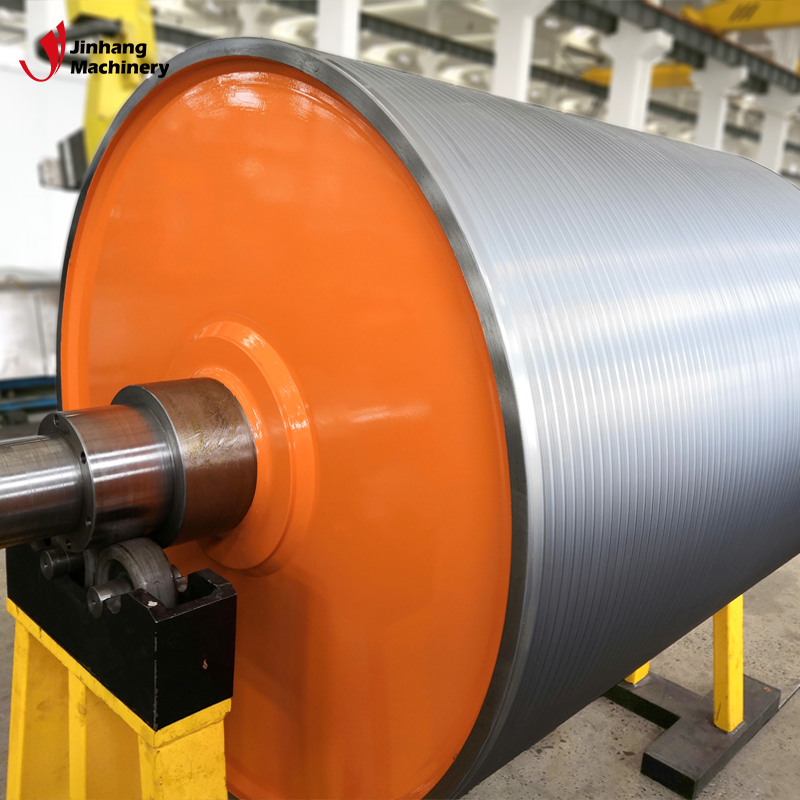
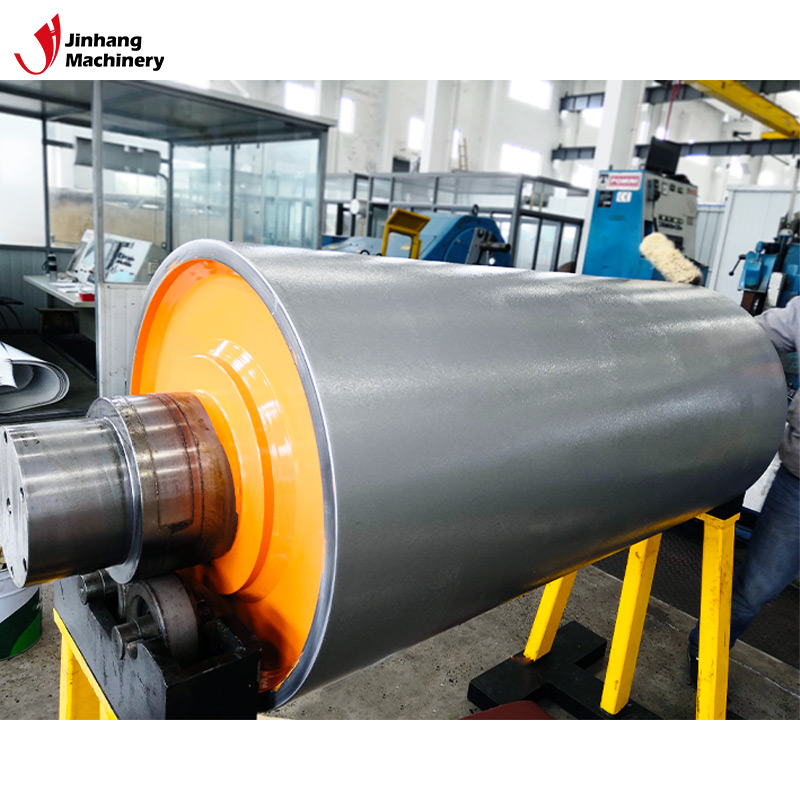
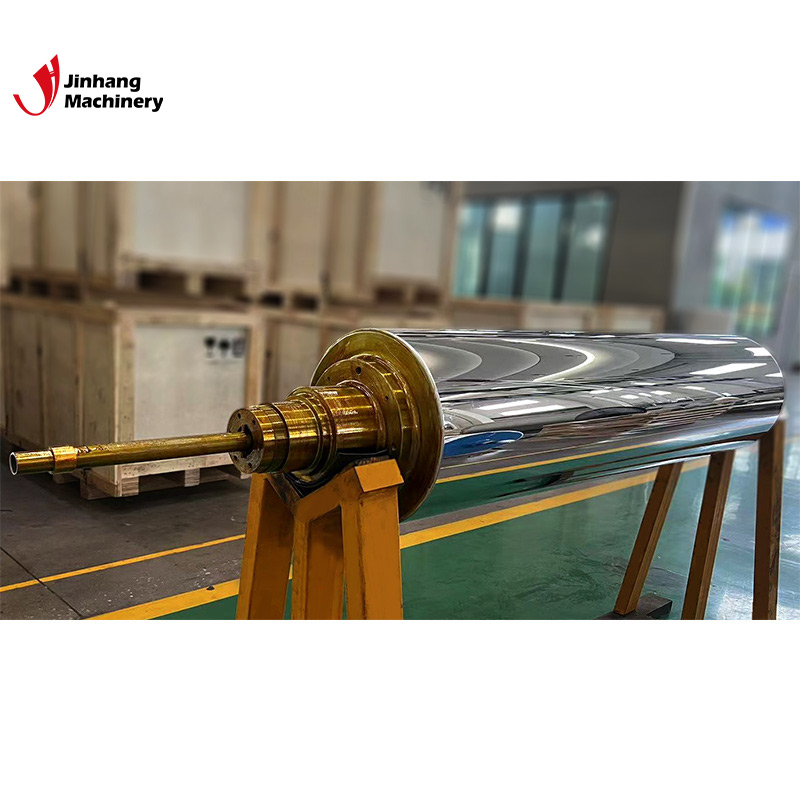
    Compared with other types of rollers, industrial chrome-plated rollers can operate at higher speeds without affecting the matting effect of paper due to their excellent smoothness and wear resistance.
  • What is rubber roller called?
    14
    2025-02
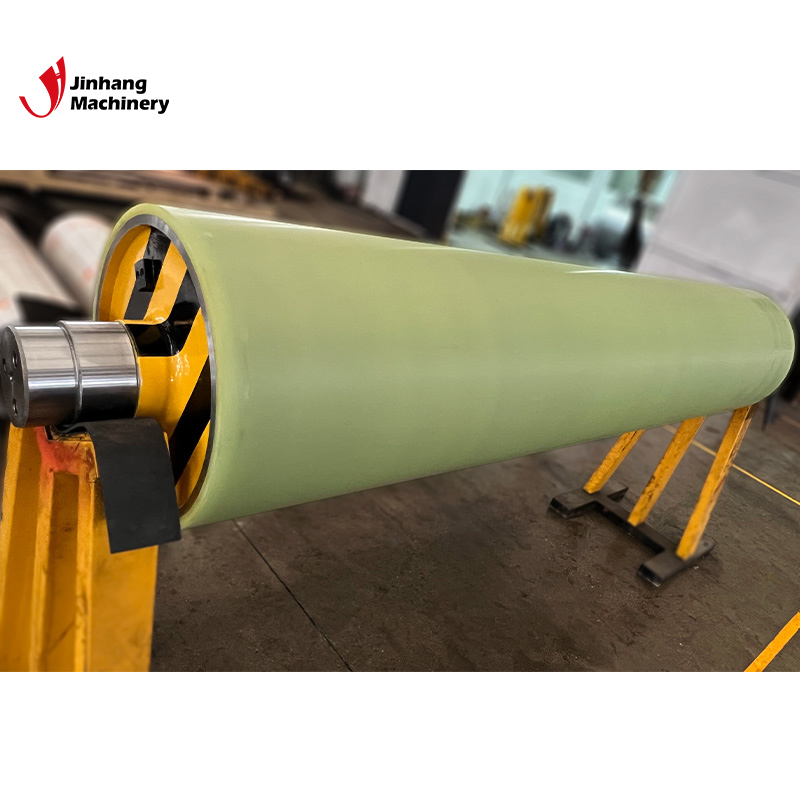
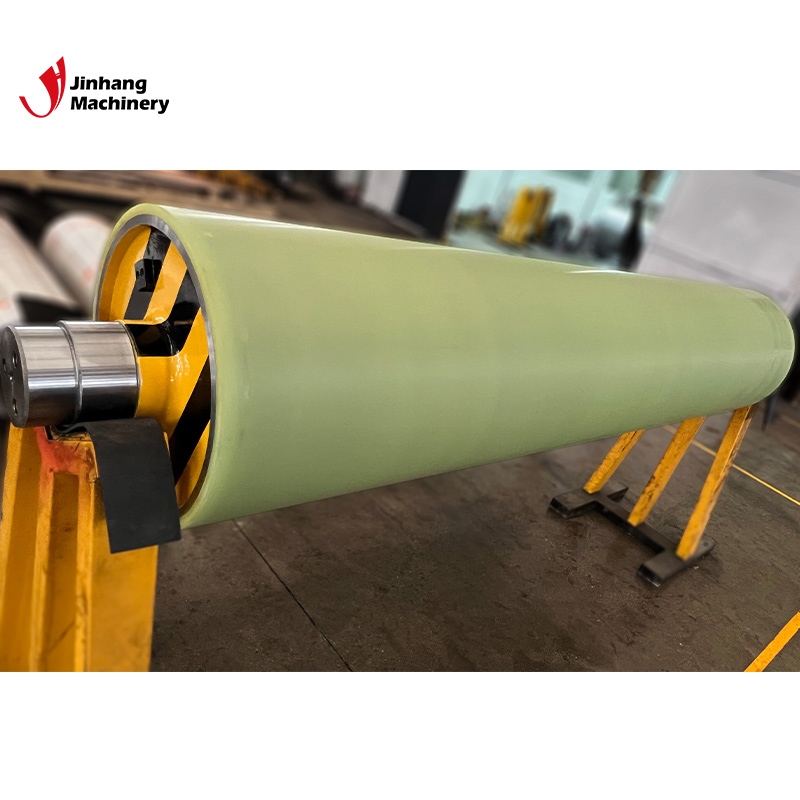
    Rubber rollers, also known as rubber rolls, are cylindrical mechanical parts covered with rubber materials, mainly used for contacting and handling materials in operations such as transmission, lamination, coating, and printing during the production process.

  • Why do some industrial rollers need chrome plating?
    13
    2025-02
    Industrial rollers are subject to a lot of friction during daily operation, and the roller surface is prone to wear, especially under high-speed or long-term operation conditions. The chrome plating layer can significantly improve the wear resistance of the roller due to its excellent hardness (usually between 800-1200 HV).
  • Industrial Rollers: What is the Difference Between Chromium Carbide and Tungsten Carbide Coatings?
    12
    2025-02
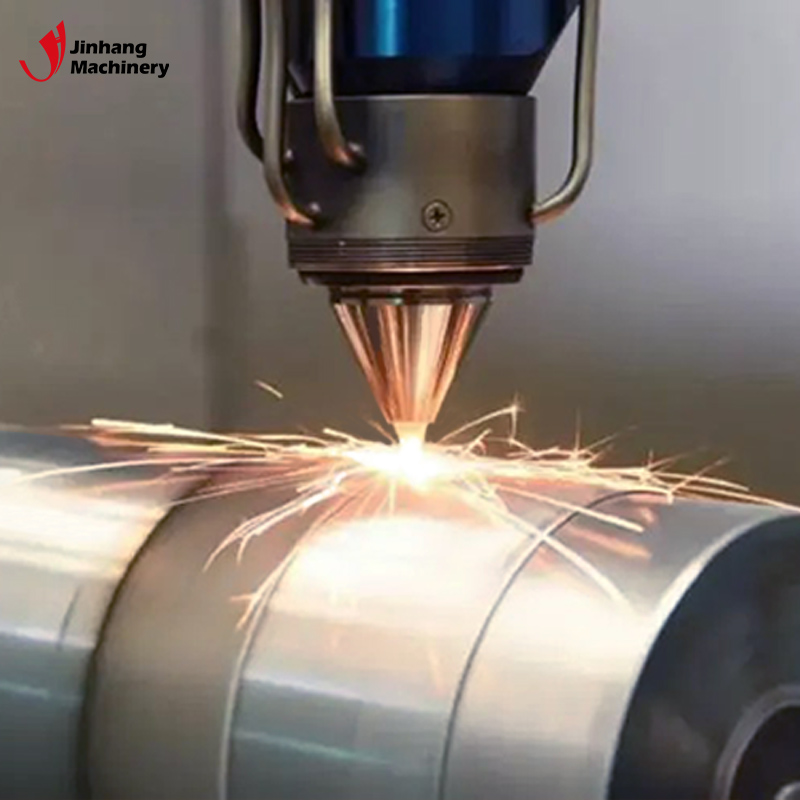
    The hardness of tungsten carbide coated rollers is significantly higher than that of chromium carbide. The Mohs hardness of tungsten carbide is close to 9, second only to diamond, while the hardness of chromium carbide is relatively low. Therefore, in applications where extreme wear resistance is required, tungsten carbide coated rollers perform better.
  • What is the role of industrial polyurethane rollers in agricultural machinery?
    11
    2025-02
    Agricultural products usually need to be packaged after harvesting, and packaging machinery is used to package agricultural products into a certain shape, weight or size. Polyurethane rollers mainly play the role of pressure rollers and conveyor rollers in packaging machinery. Its elasticity and wear resistance enable packaging machinery to work efficiently while avoiding unnecessary damage to the product.
  • What are the uses of ceramic anilox rollers?
    10
    2025-02
    Ceramic anilox rollers are precision tools widely used in industrial production. They are known as the "core components" of printing and coating processes due to their excellent wear resistance, chemical stability and excellent cell design. This roller is usually used to control the amount of liquid coating or ink dispensed to ensure high precision and consistency in the production process.
  • What is the role of rubber rollers in the textile industry?
    07
    2025-02
    One of the main roles of rubber rollers in the textile dyeing process is to ensure that the dye can penetrate evenly into every fiber of the fabric. The dyeing process usually involves contacting the fabric with the dye by dipping or coating, at which time the rubber roller helps the dye to fully penetrate the fabric by applying uniform pressure.
  • How to improve the hardness of the chrome-plated layer of industrial chrome-plated rollers?
    06
    2025-02
    By increasing the current density, the grains of the chrome-plated layer can be made finer, thereby improving the hardness. However, it should be noted that excessively high current density may cause the surface of the coating to be rough or cracked, so fine adjustment is required.
  • Are industrial stainless steel rollers compatible with chrome?
    05
    2025-02
    The main components of stainless steel are alloy elements such as iron, chromium and nickel. The proportion and distribution of these elements determine the corrosiveness and mechanical properties of stainless steel. Chromium, as a key component of stainless steel, has good corrosion resistance. Therefore, the chemical compatibility between stainless steel and chrome plating is good.
  • What is the working temperature range of industrial heating rollers?
    04
    2025-02
    Depending on the specific application and the material being processed, the operating temperature range of industrial heating rollers is usually between 50℃ and 400℃. Among them, different industries and processes have their own temperature requirements: Low temperature range (50℃ to 150℃) Medium temperature range (150℃ to 250℃) High temperature range (250℃ to 400℃)
  • Which industries rely most on high-precision industrial mirror rollers?
    03
    2025-02
    Industries that rely on high-precision industrial mirror rollers: 1. Plastic film and packaging industry 2. Paper and printing industry 3. Metal processing industry 4. Optical manufacturing industry 5. Textile industry 6. Food and beverage packaging industry
  • Why does the metallurgical industry need water quenching rollers?
    28
    2025-01
    Water quenching rollers can provide precise temperature control during the cooling process to ensure that the material will not deform or crack due to uneven cooling during the cooling process. This is crucial to improving product quality and production efficiency.

40px

80px

80px

80px

Get the latest price? We will reply as soon as possible (within 12 hours)

40px

40px

40px

40px