
Can EPDM Rubber Roller Coatings Be Refurbished?
EPDM rubber rollers, as common and high-performance functional components in industrial production, are widely used in printing, papermaking, textiles, roll processing, plastic film production, and various continuous conveyor equipment. EPDM rubber rollers have attracted attention due to their excellent heat resistance, ozone resistance, weather resistance, aging resistance, and good electrical insulation.
However, after long-term operation, regardless of the severity of the operating conditions, the rubber surface will inevitably experience wear, changes in hardness, increased surface roughness, or localized damage.
Therefore, many companies raise a key question: Can EPDM rubber roller coatings be refurbished?
This article will systematically analyze this from multiple dimensions, including material structure, coating refurbishment conditions, the necessity of refurbishment, the scope of refurbishment, limiting factors, and the performance after refurbishment, to help users comprehensively determine whether EPDM rubber rollers are suitable for refurbishment and under what conditions refurbishment is reasonable and feasible.
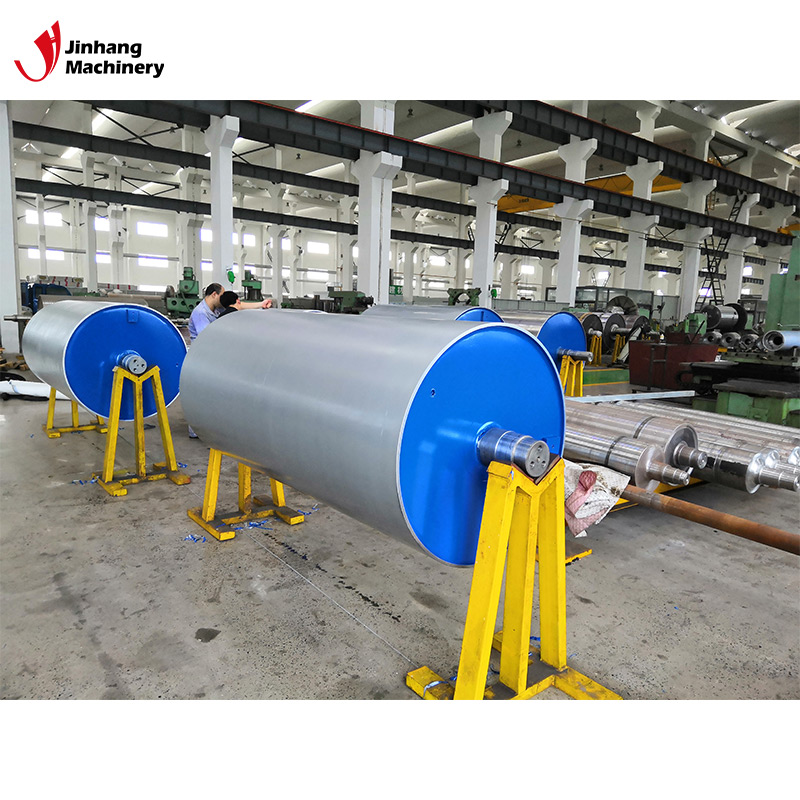
What are the components of the EPDM rubber roller coating?
EPDM (Ethylene Propylene Diene Monomer), a type of ethylene propylene diene monomer (EPDM) rubber, primarily possesses the following structural characteristics:
• Primarily composed of ethylene and propylene
• Contains a small amount of a third monomer to achieve vulcanization
• Forms a stable three-dimensional cross-linked structure after vulcanization
The coating of EPDM rubber rollers typically includes:
• EPDM base rubber
• Vulcanization system
• Antioxidant
• Reinforcing filler
• Plasticizer
• Processing aid
Due to its strong cross-linked structure and resistance to high temperatures, ozone, and aging, EPDM rubber rollers exhibit excellent stability. This also means that its coating is reprocessable after wear, meaning its performance can be restored through refurbishment.
Why does the coating of EPDM rubber rollers wear down and require refurbishment?
Although EPDM rubber has excellent durability, it is subjected to the following factors in industrial production:
• Friction
• Pressure
• Contact with chemical media
• Temperature changes
• Mechanical load
• Impact from equipment operating speed
All of these factors lead to the gradual degradation of the rubber surface layer. Common issues include:
• Thinning of the surface layer due to wear
• Increased surface roughness
• Hardness exceeding the acceptable range
• Decreased elasticity due to aging
• Localized skin peeling
• Surface cracking
When these problems occur, the driving, pressing, guiding, or coating performance of EPDM rubber rollers deteriorates, thus requiring refurbishment.
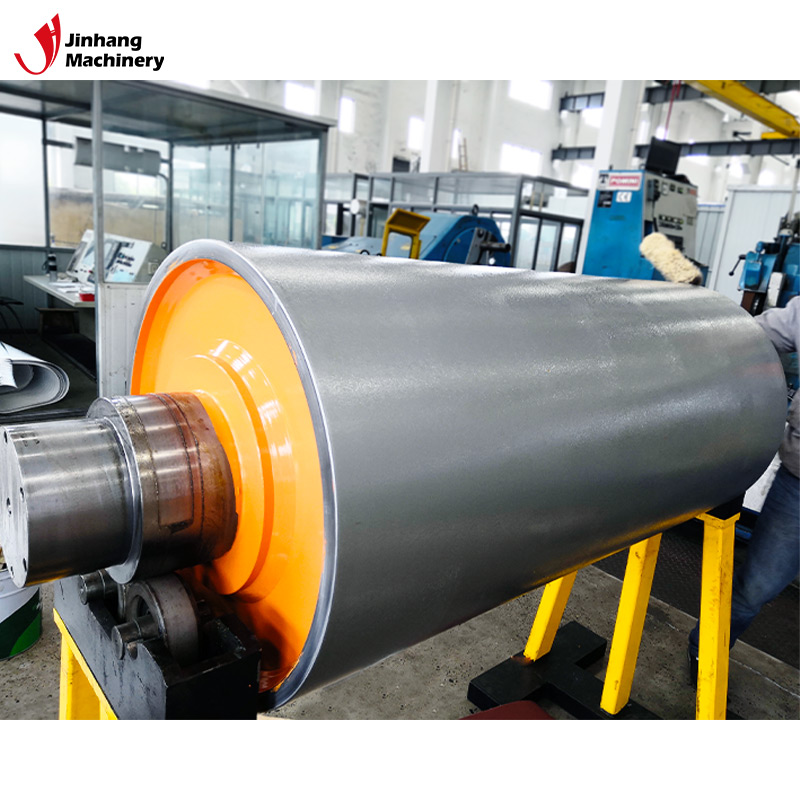
Can EPDM rubber roller coatings be refurbished?
The answer is: Yes, EPDM rubber roller coatings are very suitable for refurbishment.
Reasons include:
1. Stable structure of EPDM rubber material
The vulcanization network of EPDM has good toughness, preventing excessive fragmentation during grinding, making the refurbishment process more controllable.
2. Sufficient rubber layer thickness
Industrial EPDM rubber rollers generally have a thicker coating, suitable for multiple refurbishments.
3. High heat resistance of EPDM
Using grinding or polishing equipment during the refurbishment process will not easily cause the rubber layer to burn.
4. Rubber Material Suitable for Machining
The physical structure of EPDM rubber makes it suitable for various machining methods, including turning, grinding, overcoating, and re-vulcanization.
5. Performance Can Be Restored to Near-New Levels After Refurbishment
As long as the base core is intact, EPDM rubber rollers can regain their original hardness, elasticity, and surface properties through re-overcoating and vulcanization.
Therefore, refurbishment is a very common and cost-effective method in the maintenance cycle of EPDM rubber rollers.
When is EPDM Rubber Roller Coating Suitable for Refurbishment?
Based on the structure and wear characteristics of the rubber roller, the following situations are suitable for refurbishment:
1. Surface Wear but Intact Base Core
Refurbishment is most effective if only the surface layer is thinly worn.
2. Surface Hardness Deviates from the Normal Range
Hardness that is too high or too low can be corrected by re-overcoating.
3. Localized Damage But Not Affecting the Overall Structure
Minor peeling or cracks can be resolved by re-overcoating.
4. Surface roughness leads to decreased process quality
Grinding after refurbishment can restore surface roughness.
5. Aging of the rubber layer but without affecting the shaft core structure
The rubber layer can be directly replaced to restore performance.
6. Radial runout occurs, but the shaft core is intact
Precision can be improved by remachining the surface.
These are the most typical refurbishment scenarios for EPDM rubber rollers.
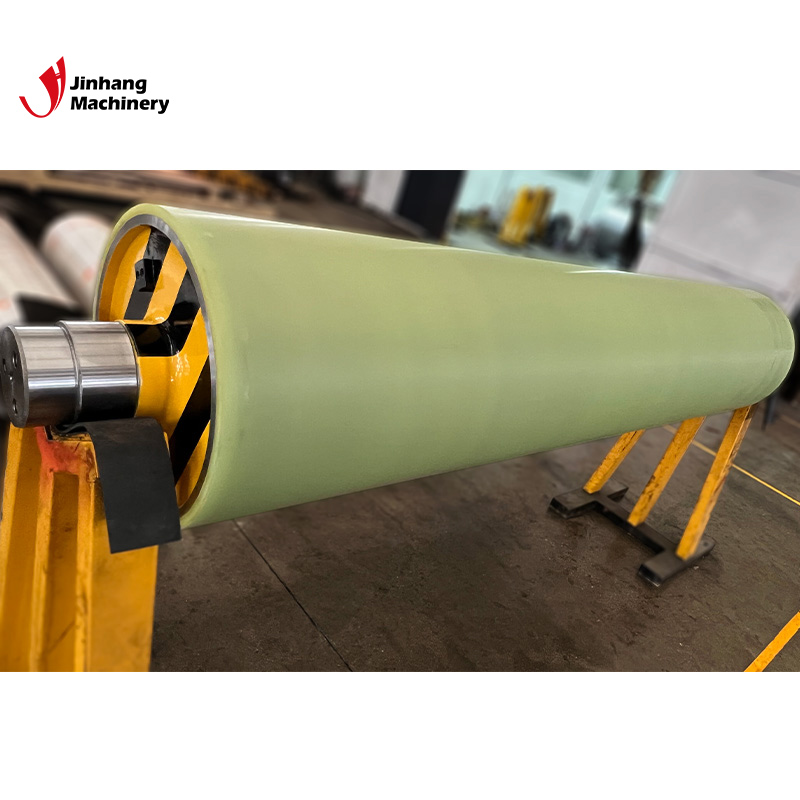
When is EPDM rubber roller coating unsuitable for refurbishment?
Although EPDM rubber roller coatings can be refurbished, refurbishment should be avoided or the roller should be replaced directly in the following situations:
1. Shaft core bending, cracks, severe corrosion
Damaged shaft cores render refurbishment meaningless.
2. Severe thermal decomposition leads to rubber carbonization
If the rubber is charred at high temperatures, the entire roller must be replaced.
3. Large-area delamination between the rubber layer and the shaft core
This indicates a failure of the bonding system, requiring re-coating rather than simple refurbishment.
4. Severe dimensional deviations cannot be corrected by grinding
Re-coating is required to adjust the dimensions.
5. Surface contamination penetrates into the rubber interior
Long-term penetration by oily solvents can damage the material structure.
In the above situations, surface refurbishment is not recommended. Instead, recoating or replacing the roller core should be used.
What are the steps involved in the refurbishment process of EPDM rubber rollers?
To understand the feasibility of refurbishment, it is necessary to understand the standard refurbishment process. EPDM rubber roller refurbishment typically includes the following steps:
1. Inspecting the core's accuracy and concentricity.
2. Inspecting the rubber layer's hardness and thickness.
3. Removing the old rubber layer.
4. Cleaning and treating the core surface.
5. Recoating with new EPDM rubber material.
6. Vulcanization and curing (high temperature or normal pressure vulcanization).
7. Fine grinding the surface to achieve the target diameter.
8. Processing surface roughness or texture.
9. Final quality inspection.
This process demonstrates that the coating of EPDM rubber rollers can not only be refurbished, but the refurbished coating also has high reliability and fully meets the requirements for reuse.
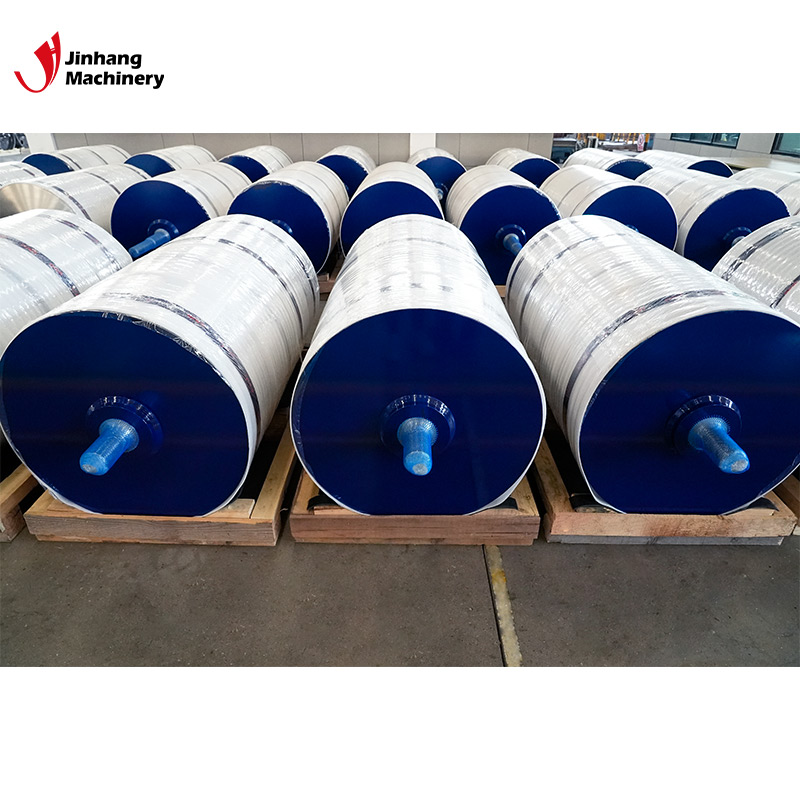
Will the performance of EPDM rubber rollers decrease after refurbishment?
Provided that process standards are met and appropriate materials and vulcanization methods are used, the performance of refurbished EPDM rubber rollers is generally almost identical to that of brand-new rollers, including:
• Surface hardness
• Compression resilience
• Ozone resistance
• Heat resistance
• Coefficient of friction
• Aging resistance
• Surface stability
The refurbishment process is equivalent to recoating, therefore the surface properties are essentially the same as new rollers.
Factors affecting performance mainly include:
• Material quality
• Coating thickness
• Vulcanization quality
• Surface treatment precision
Within industry standard ranges, these factors are controllable, therefore the performance of refurbished EPDM rubber rollers will not degrade due to refurbishment.
What kind of EPDM rubber rollers are more suitable for refurbishment?
EPDM rubber rollers suitable for refurbishment typically possess the following characteristics:
• Core made of steel, aluminum, or alloy with intact structure
• Rubber layer thickness within a suitable range (typically 5–30 mm)
• Industrial-grade EPDM formulation
• Mild surface condition with no deep contamination
• Operating ambient temperature not exceeding the upper limit of EPDM
These types of rubber rollers offer high refurbishment value and long service life.
What are the advantages of EPDM rubber roller coating refurbishment?
Refurbishment brings significant industrial value:
1. Significantly reduced costs
Refurbishment costs are typically far lower than replacing the entire rubber roller.
2. Maintaining core structure
No core replacement is required, allowing continued compatibility with equipment.
3. Reduced equipment downtime
Refurbishment cycles are generally shorter than custom-made rollers.
4. Restoring the original performance of the rubber roller
Including hardness, surface finish, and elasticity.
5. Reduced resource waste
More in line with energy conservation and emission reduction principles (not a future trend description, but a factual observation).
Does EPDM rubber roller coating thickness need to be changed during refurbishment?
Generally, thickness change is not required, but adjustments may be necessary in the following situations:
• The original thickness cannot meet the dimensional requirements after grinding.
• Equipment upgrades necessitate different diameters.
• Surface texturing requires additional thickness.
• The original thickness is too thin, resulting in a short lifespan.
EPDM rubber roller coating thickness is flexible and can be optimized according to process requirements.
Can EPDM rubber roller coatings be refurbished?
EPDM rubber roller coatings can absolutely be refurbished, and the refurbishment results are excellent. It is one of the most economical and effective methods for maintaining EPDM rubber rollers.
As long as the shaft core is intact and the damage to the rubber surface is within a controllable range, EPDM rubber rollers can be fully restored to their original function and performance through refurbishment.