
Under Which Operating Conditions Are NBR Rubber Rollers Unsuitable?
In industrial roller applications, NBR rubber rollers (Nitrile rubber rollers) are widely utilized in equipment for coating, printing, conveying, and laminating due to their excellent oil resistance, robust mechanical strength, and stable processing characteristics. However, every rubber material possesses distinct boundaries regarding its suitability.
NBR rubber rollers are not a "universal" material; under certain operating conditions, their use is inappropriate.
If the compatibility between the material and the operating environment is overlooked—even with high-performance NBR rubber rollers—issues such as accelerated aging, performance degradation, or even complete failure may arise.
Drawing upon both materials science and industrial application perspectives, this article systematically analyzes the specific operating conditions under which NBR rubber rollers should be avoided, thereby assisting users in preventing misjudgments during the material selection phase.
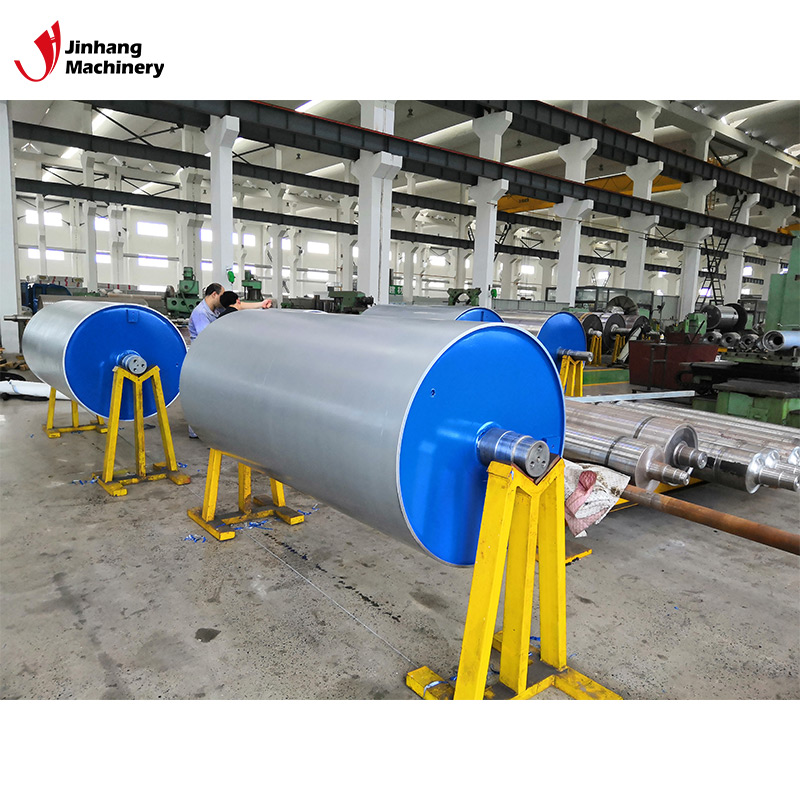
What Are NBR Rubber Rollers? Where Do Their Core Application Boundaries Lie?
Before discussing unsuitable operating conditions, it is essential to first define the intended purpose and inherent strengths of NBR rubber rollers.
Key Advantages of NBR Rubber Rollers:
•Excellent resistance to oils and fuels
•Good water resistance and airtightness
•High abrasion resistance and mechanical strength
•Strong bonding adhesion to metal cores
•Stable processing characteristics and controllable manufacturing costs
Consequently, the environments best suited for NBR rubber rollers are:
•Indoor industrial settings
•Environments involving the presence of greases or oily media
•Environments with relatively stable temperatures and atmospheric conditions
•Environments free from exposure to strong ultraviolet (UV) radiation and ozone
Once these boundaries are exceeded, the inherent limitations of NBR rubber rollers begin to manifest.
Why Is UV Radiation Detrimental to NBR Rubber Rollers?
NBR rubber rollers are unsuitable for prolonged exposure to environments with intense UV radiation.
From a molecular structural standpoint, the main chain of NBR rubber contains unsaturated double bonds; this specific structural feature renders the material highly sensitive to ultraviolet light.
Under conditions of intense UV irradiation, NBR rubber rollers may exhibit the following issues:
•Rapid surface aging
•Rubber hardening (embrittlement)
•Formation of micro-cracks (crazing)
•Degradation of elasticity and frictional properties
Conclusion Regarding Unsuitability:
Any operating condition involving prolonged, direct, and unshielded exposure to sunlight is unsuitable for the use of NBR rubber rollers.
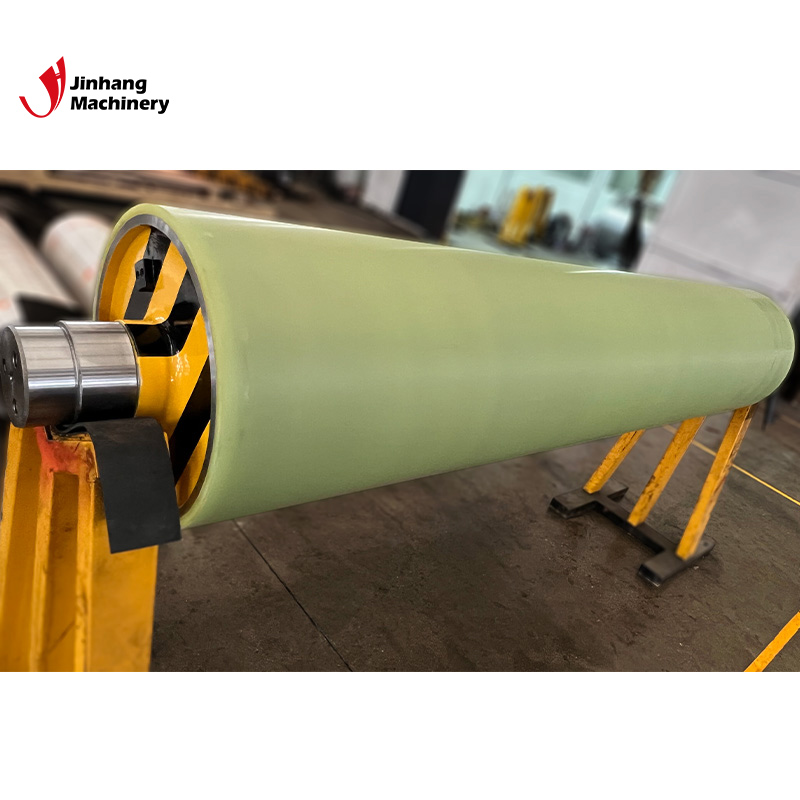
Why Are Outdoor Environments Unsuitable for NBR Rubber Rollers?
The Outdoors: Not a Single Factor, but a Comprehensive Aging Environment
Outdoor environments typically involve the simultaneous presence of:
•Ultraviolet (UV) radiation
•Ozone
•Temperature fluctuations
•Rainfall and moisture
Although NBR rubber rollers possess a certain degree of water resistance, they do not exhibit good overall weather resistance.
Primary Issues for NBR Rubber Rollers in Outdoor Environments:
•Significantly accelerated aging rate
•Increased surface hardness
•Gradual loss of elasticity
•Substantially shortened service life
Conclusion on Suitability:
NBR rubber rollers are not suitable for equipment intended for long-term operation or storage in outdoor environments.
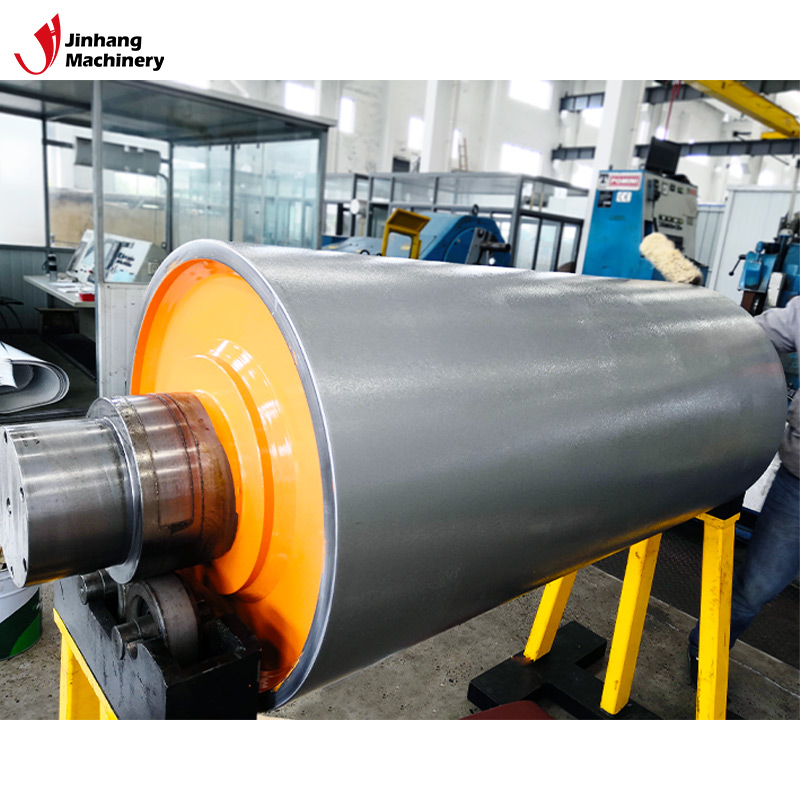
Are NBR Rubber Rollers Suitable for High-Ozone Environments?
The Mechanism of Ozone's Impact on NBR Rubber Rollers:
Ozone preferentially attacks the double-bond structures within rubber molecules; NBR, specifically, is a typical rubber system characterized by such double bonds.
In ozone-rich environments, NBR rubber rollers are prone to:
•Surface cracking aligned with the direction of applied stress
•Continuous propagation of cracks
•Aging degradation, even under low-stress conditions
Common High-Ozone Environments:
•Areas surrounding electrical equipment
•Corona treatment zones
•Vicinity of high-voltage discharge devices
Conclusion on Suitability:
NBR rubber rollers are not suitable for operating conditions where a continuous source of ozone is present.
Can NBR Rubber Rollers Be Used in Strong Acid or Strong Alkali Environments?
The Limits of NBR Rubber Roller Chemical Resistance:
While NBR rubber rollers demonstrate excellent performance in contact with oil-based media, they exhibit poor resistance to the following substances:
•Strong acids
•Strong alkalis
•Strong oxidizing chemicals
Potential Issues in Strong Acid or Alkali Environments:
•Rubber swelling
•Degradation of molecular structure
•Rapid deterioration of surface properties
•Increased risk of bonding layer failure
Conclusion on Suitability:
NBR rubber rollers are not suitable for operating conditions involving prolonged contact with strong acids, strong alkalis, or strong oxidizing media.
Are NBR Rubber Rollers Suitable for Long-Term High-Temperature Operation?
Temperature Limits for NBR Rubber Rollers
Generally speaking, NBR rubber rollers can operate continuously under the following conditions:
•Approximately 120°C in air
•Approximately 150°C in oil
Under conditions of sustained high temperature, NBR rubber rollers will experience:
•Accelerated thermal aging
•Hardening of the rubber material
•A decline in elasticity
•A significantly shortened service life
Conclusion on Unsuitability
NBR rubber rollers are not suitable for operating conditions where temperatures consistently exceed the material's thermal resistance range over extended periods.
Are NBR rubber rollers suitable for conditions involving frequent alternating cycles of heat and cold?
The Impact of Temperature Fluctuations on NBR Rubber Rollers
Frequent thermal cycling (alternating between hot and cold) leads to:
•Repeated fluctuations in internal stress within the rubber
•The formation of micro-cracks caused by thermal expansion and contraction
•Fatigue damage to the bonding layer
Manifested Results
•Premature appearance of surface cracks
•Reduced operational stability
Conclusion on Unsuitability
NBR rubber rollers are not suitable for operating conditions characterized by severe and frequent temperature fluctuations.
Is a Strong Solvent Environment Suitable for NBR Rubber Rollers?
Limitations of NBR Rubber Rollers Regarding Solvents
While NBR rubber rollers perform well in the presence of certain oil-based solvents, they exhibit insufficient resistance to the following media:
•Ketone-based solvents
•Ester-based solvents
•Aromatic hydrocarbon solvents
Potential Issues
•Swelling of the rubber volume
•Softening of the surface
•Unstable frictional performance
Conclusion on Unsuitability
NBR rubber rollers are not suitable for operating conditions involving strong polar solvents or specific types of organic solvents.
Can NBR Rubber Rollers Be Selected for Applications Requiring High Weather Resistance?
What Constitutes a High Requirement for Weather Resistance?
This includes:
•Prolonged exposure to open air
•Extreme sensitivity to the rate of material aging
•A requirement for long-term stability in rubber performance
Limitations of NBR Rubber Rollers
•Limited resistance to ultraviolet (UV) radiation
•Insufficient resistance to ozone
Conclusion on Unsuitability
NBR rubber rollers are not suitable for operating conditions where weather resistance requirements are exceptionally high.
Is It Appropriate to Use NBR Rubber Rollers in Low-Temperature Environments?
The Impact of Low Temperatures on NBR Rubber Rollers
At lower temperatures, NBR rubber rollers may exhibit the following issues:
•Hardening of the rubber material
•Significant decline in elasticity
•Unstable frictional performance
Conclusion on Unsuitable Applications
NBR rubber rollers are not suitable for use in conditions involving prolonged exposure to low temperatures or operating environments approaching the material's low-temperature embrittlement point.
Why is "Selecting the Wrong Operating Condition" More Critical than "Material Quality"?
Many instances of NBR rubber roller failure are not attributable to manufacturing defects, but rather to:
•Operating environments that exceed the material's capabilities
•Inaccurate assessment of operating conditions
•Disregard for the physical and chemical limits of the rubber material
Failures involving NBR rubber rollers are often the result of "misapplication" rather than "material defects."
How to Determine if Operating Conditions Are Suitable for NBR Rubber Rollers?
Prior to material selection, priority should be given to verifying the following conditions:
•Will the roller be exposed to sunlight or outdoor elements for extended periods?
•Is ozone or a strong oxidizing environment present?
•Will the roller come into contact with strong acids, strong bases, or specialized solvents?
•Will the roller be subjected to prolonged high temperatures or extreme temperature fluctuations?
•Are there exceptionally high requirements for weather resistance?
If several of these conditions are not met, extreme caution should be exercised when selecting NBR rubber rollers.