
What are industrial heated rollers used for?
In modern industrial manufacturing, heated rollers (Heating Rollers/Heating Drums) are indispensable key components on many continuous production lines. From plastic extrusion to coating processes, from film stretching to paper polishing, from embossing to lamination, heated rollers are ubiquitous.
Their function goes beyond simply "heating materials"; more importantly, they control the thermal balance of the production process, influence material surface quality, and improve product consistency and stability.
So, in which processes are heated rollers used? Why are they indispensable in almost all continuous roller production lines? This article will provide a systematic and professional explanation from multiple perspectives, including structural principles, functional applications, and process uses.
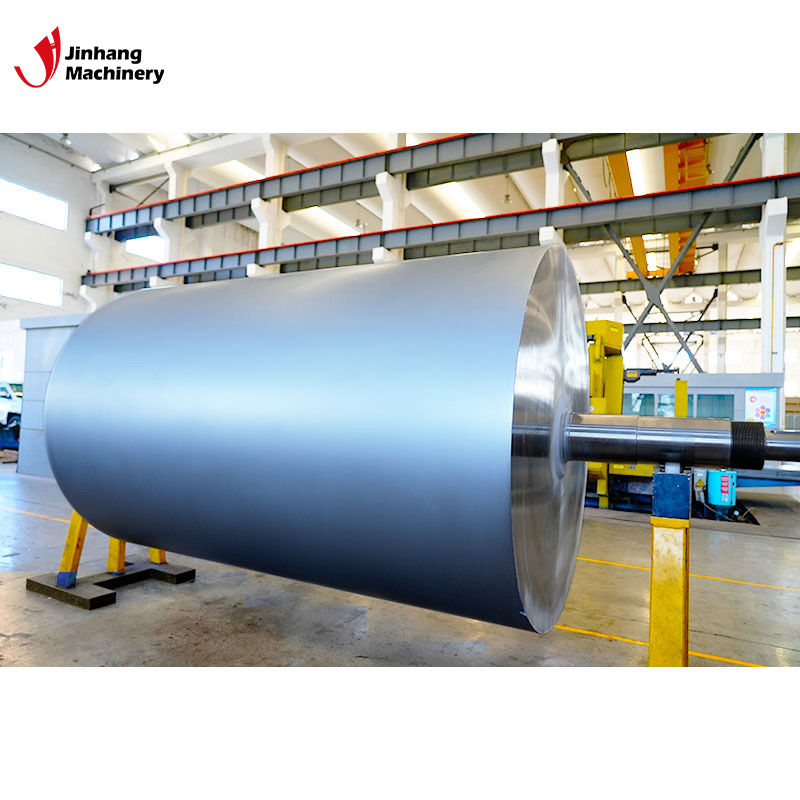
What is an industrial heated roller?
A heated roller is a roller device with an internal heating system. It uses hot oil, electric heating, steam, or a heat transfer medium to maintain a stable and controllable high temperature on the roller surface.
Unlike ordinary rollers, the core value of heated rollers lies in:
• Precise, rapid, and controllable temperature regulation
• Uniform roller surface temperature
• Heat conduction through contact between the roller surface and the material
• Achieving ideal softening, melting, and shaping states for the material
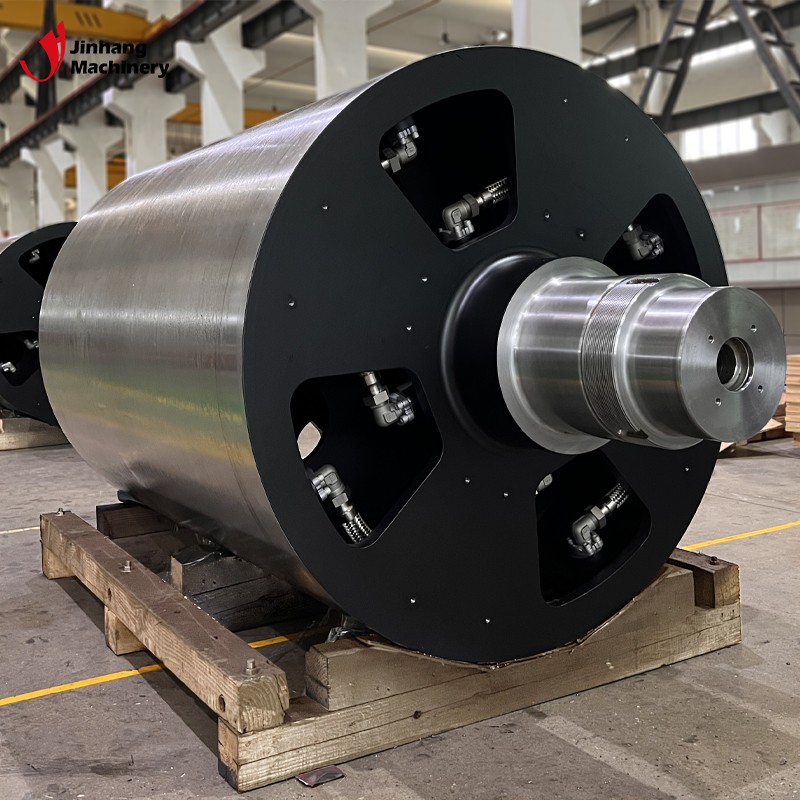
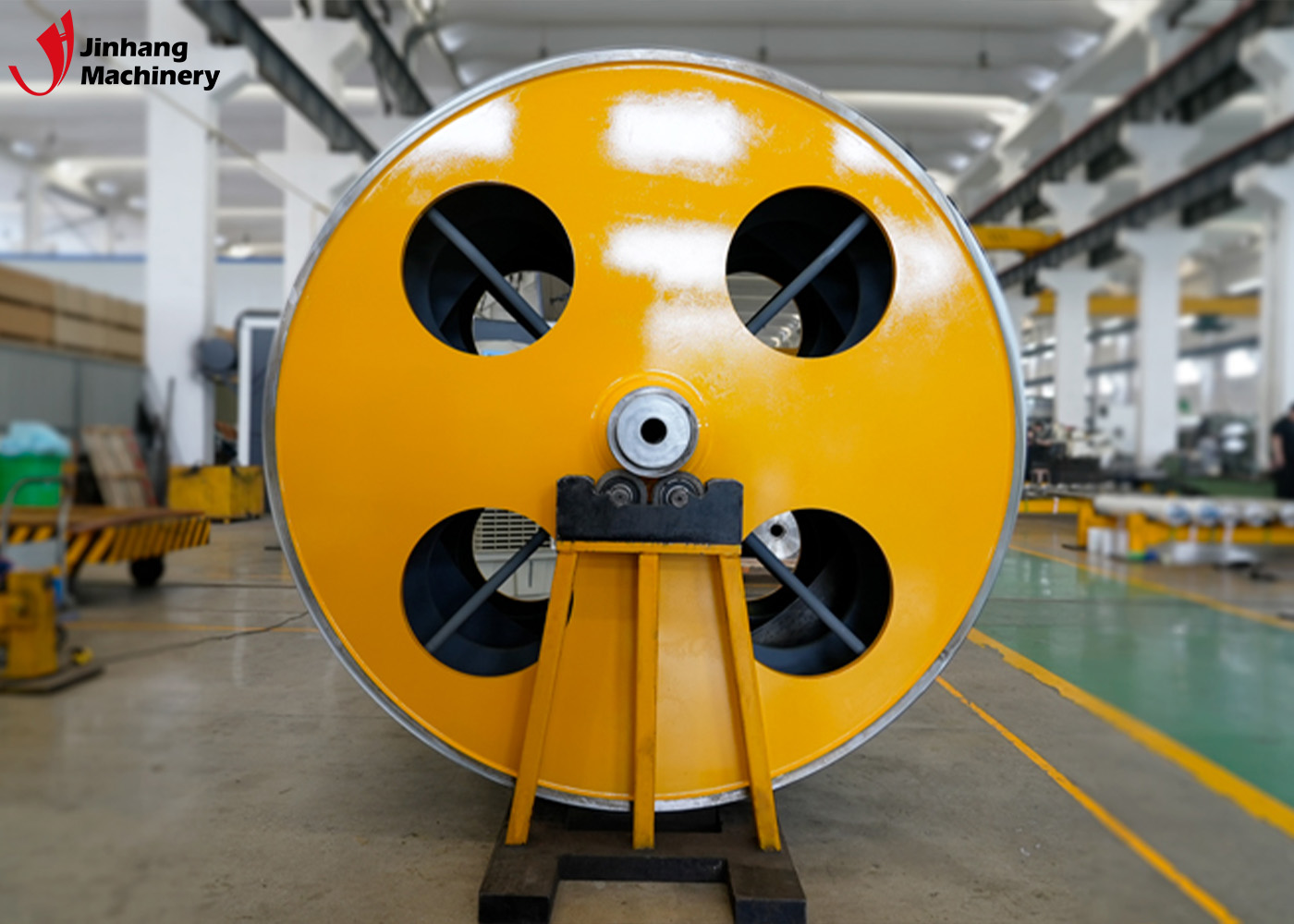
Heated rollers typically consist of the following components:
• High-strength roller body steel (e.g., 45# steel, alloy steel, stainless steel)
• Internal flow channel structure (spiral flow channel, labyrinth flow channel)
• Heating system (heat transfer oil, electric heating rod, steam chamber)
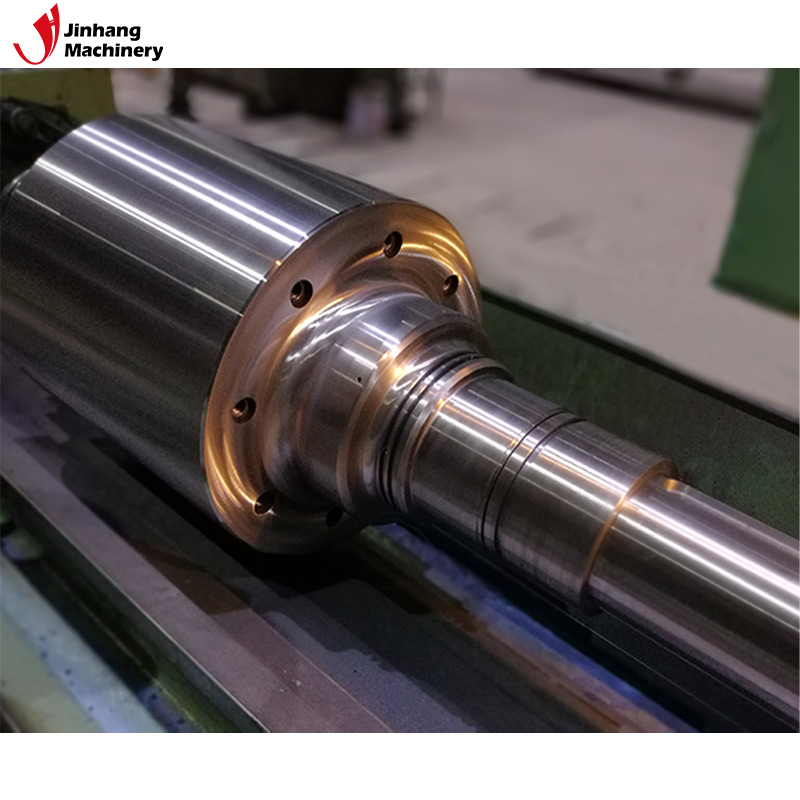
• Precision-machined smooth or textured roller surface
• Temperature controller and safety system
The role of heated rollers in industrial production extends beyond simply "heating"; they also encompass deeper technological functions such as "temperature control," "stabilization," and "shaping."
Which industries use industrial heated rollers?
Almost all industries that require material softening, plasticizing, coating, pressing, stretching, or shaping need heated rollers. Examples include:
• Plastic film industry (extrusion, casting, stretching)
• Coating industry (paper, film, aluminum foil coating)
• Adhesive tape production lines
• Rubber calendering industry
• Textile calendering and ironing
• Paper production and polishing
• Metal sheet surface treatment
• Lamination industry (wood, furniture, boards)
In short, heated rollers play a crucial role in any production line process that uses heat to influence material properties.
What are industrial heated rollers used for?
The following will further explain the function and value of heated rollers, focusing on seven common industrial processes: extrusion, lamination, coating, stretching, polishing, embossing, and metering (measured coating).
What role do heated rollers play in extrusion processes?
In extrusion processing, the material immediately exits the extruder at a high temperature and in an unstable molten state. At this stage, the heating roller plays the following roles:
1. Stabilizing material temperature and preventing excessive cooling
The heating roller maintains a constant temperature, ensuring the molten material:
• Maintains plasticity
• Prevents premature surface solidification
• Maintains stability for continuous processing
2. Improves surface smoothness
After contact with the heating roller, the molten material can:
• Be flattened and pressed
• Remove surface micro-ripples
• Improve gloss
3. Promotes subsequent lamination and stretching effects
All processes after extrusion rely on the heating roller to maintain the material at a suitable temperature for continued processing.
How does the heating roller function in the lamination process?
Lamination is the process of bonding multiple materials together under hot pressure, and heated rollers play a crucial role in this process:
1. Softening materials and improving adhesion
When the temperature of the heated roller is high enough, it can:
• Allow hot melt adhesives and films to reach their optimal melting state
• Enhance the adhesion of films, paper, or fabrics
2. Provide a stable pressing environment
Lamination requires not only pressure but also stable temperature. Heated rollers ensure:
• Uniform adhesion
• Strong bonding
• No delamination or bubbles
3. Controlling the surface condition of composite materials
For example, increasing smoothness, enhancing flatness, and eliminating wrinkles.
What is the role of heated rollers in coating processes?
Heated rollers are indispensable in the coating industry, especially in:
• Paper coating
• Thin film coating
• Aluminum foil coating
• Tape coating
• Lithium battery separator coating
The main functions of heated rollers are as follows:
1). Ensuring uniform coating spread
Heated rollers use temperature to smooth the material surface, resulting in a more uniform coating layer.
2). Controlling coating curing speed
Some coatings require specific flow temperatures to avoid:
• Orange peel effect
• Pinholes
• Localized build-up
Heated rollers ensure the coating is applied at optimal flowability.
3). Assisting in achieving high gloss and high-quality coatings
Stable heating allows for a denser, finer coating, thus improving the final product's finish.
What role do heated rollers play in the stretching process?
During film stretching (longitudinal stretching, transverse stretching), the material must be stretched at the appropriate temperature; otherwise, it will:
• Crack
• Uneven stretching
• Whitening
The functions of the heating roller include:
1. Providing the heat energy required for stretching
The heating roller raises the material to the stretching temperature, making its molecular chains malleable.
2. Ensuring a stable and consistent stretching temperature
Uneven temperature can lead to:
• Double folds
• Uneven thickness
• Insufficient strength
The uniform heating of the heating roller avoids these problems.
3. Affecting the final film properties
For example:
• Strength
• Smoothness
• Thickness control
Therefore, the film stretching industry is highly dependent on heating rollers.
What are the contributions of heating rollers in the polishing process?
Heating rollers are needed for the surface polishing of paper, film, and fabric.
Key functions include:
1. Improving surface gloss
Heating rollers rearrange the molecules on the material surface, making it smoother.
2. Eliminating Microscopic Roughness
The combination of heating and pressure can:
• Remove micro-pits
• Eliminate surface roughness
• Enhance mirror finish
3. Stabilizing Polishing Results
Constant temperature heating maintains consistency better than cold polishing.
What is the role of heated rollers in embossing?
Embossing requires the material to be in a plastic state, and heated rollers provide this plasticizing environment.
Specific functions:
1. Making the material ready for embossing
For example:
• PVC
• PET
• Paper
• Fabric
Textures are more easily embossed under the action of heated rollers.
2. Improving embossing clarity and fullness
At higher temperatures:
• Clearer pattern boundaries
• Greater depth
• Less springback
3. Preventing cracking or deformation
A key part of stabilizing the process.
What is the role of heated rollers in "by-the-doss coating"?
Metering coating requires extremely high uniformity, and heated rollers ensure:
1. Stable coating flowability
Consistent temperature → consistent flowability → consistent coating thickness.
2. Controlled coating thickness
The temperature of the heated roller determines the viscosity of the coating, and viscosity determines the coating thickness.
3. Impact on coating speed and quality
Temperature has a significant impact on rheological properties; therefore, the heated roller is a core component of metering coating.
Applications of Heated Rollers in Special Purpose Production Lines
In addition to conventional processes, heated rollers are also used in:
• Aerospace composite material lamination
• Thermal insulation material hot pressing
• Leather calendering
• Solar panel backsheet lamination
• Food packaging film processing
• High-temperature cleaning rollers (for residual adhesive removal)
These specialized processes all rely on heated rollers to provide specific temperature conditions.
What industries rely on Jinhang Machinery as their roller manufacturer?
With over two decades of manufacturing experience, Jinhang Machinery provides precision rollers for a wide range of industries. As a versatile roller manufacturer, we serve metallurgy plants, mineral processing lines, flexible packaging factories, digital printing systems, lithium-battery equipment, and automotive testing facilities.
Our products—rubber rolls, PU rolls, mirror rolls, heating rolls, and ceramic anilox rolls—are engineered to deliver stable, long-term performance under intensive workloads.