
What are the Pros and Cons of using carbide-coated rollers?
In industrial applications requiring high precision, high strength, and high wear resistance, many companies are beginning to focus on a type of roller that combines economy and performance—carbide-coated rollers.
Compared to traditional steel rollers or solid carbide rollers, carbide-coated rollers utilize methods such as spraying, thermal spraying, HVOF, and plasma spraying to form a high-hardness coating on the roller surface, thus significantly improving surface properties.
However, many users still have questions about carbide-coated rollers: Are they really more durable than traditional rollers? Are there any hidden disadvantages? Are they suitable for all types of equipment?
This article will systematically analyze the advantages and disadvantages of using carbide-coated rollers and help you build a scientific understanding framework.
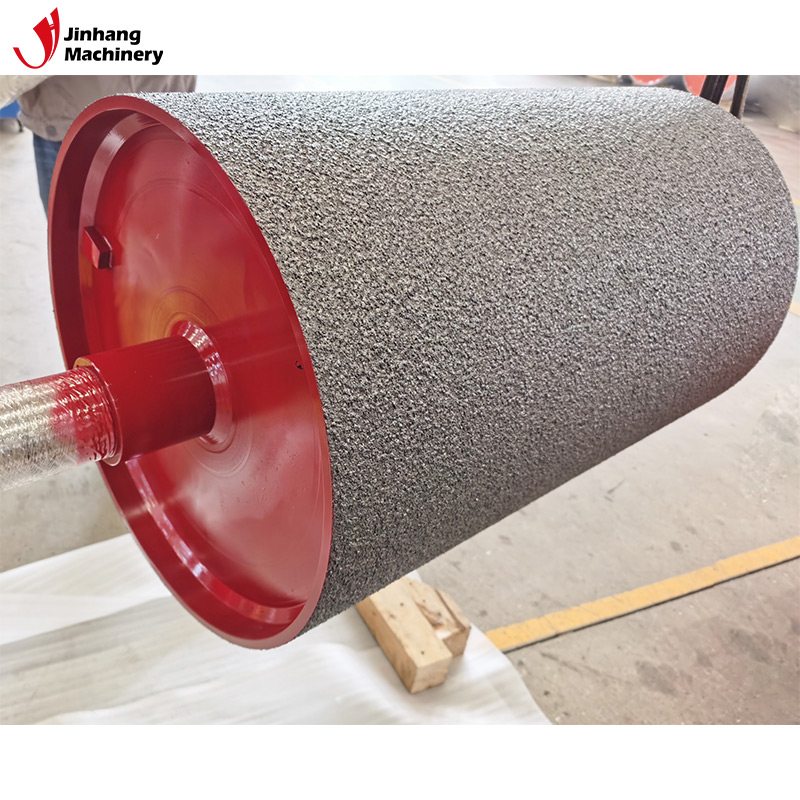
What are carbide-coated rollers?
Carbide-coated rollers refer to rollers with a high-hardness coating composed of materials such as tungsten carbide (WC), chromium carbide (Cr₃C₂), and titanium carbide (TiC) applied to the surface of steel or other metal rollers through spraying or welding. This significantly improves the roller surface's wear resistance and corrosion resistance.
Common coating methods include:
• HVOF (High-Voltage Velocity Flame) spraying
• Plasma spraying
• Laser cladding
• Carbide welding
• Metal-bonded composite layer spraying
The characteristics of carbide-coated rollers are:
• "Surface properties close to those of solid carbide rollers"
• "Substrate costs are significantly lower than those of solid carbide rollers"
• "Performance meets the wear resistance requirements of most equipment"
Therefore, carbide-coated rollers have become a key choice for many industries to replace traditional steel or chrome-plated rollers.
Why do industrial equipment need carbide-coated rollers?
This demand stems from three core factors:
1. High-wear scenarios place higher demands on roller surfaces
Plastic films, paper, metal sheets, rubber materials, etc., experience significant wear on roller surfaces under high speed, heavy loads, or repeated contact.
2. Corrosive media cause rapid roller surface failure
Conditions such as those containing acids, solvent-based coatings, adhesives, or humid environments can corrode ordinary chrome-plated rollers.
3. Most factories cannot afford the high cost of solid carbide rollers
While solid carbide rollers offer extremely high performance, they are expensive to manufacture, heavy, and difficult to process.
For these reasons, many companies are beginning to choose carbide-coated rollers as a "balanced solution between performance and cost."
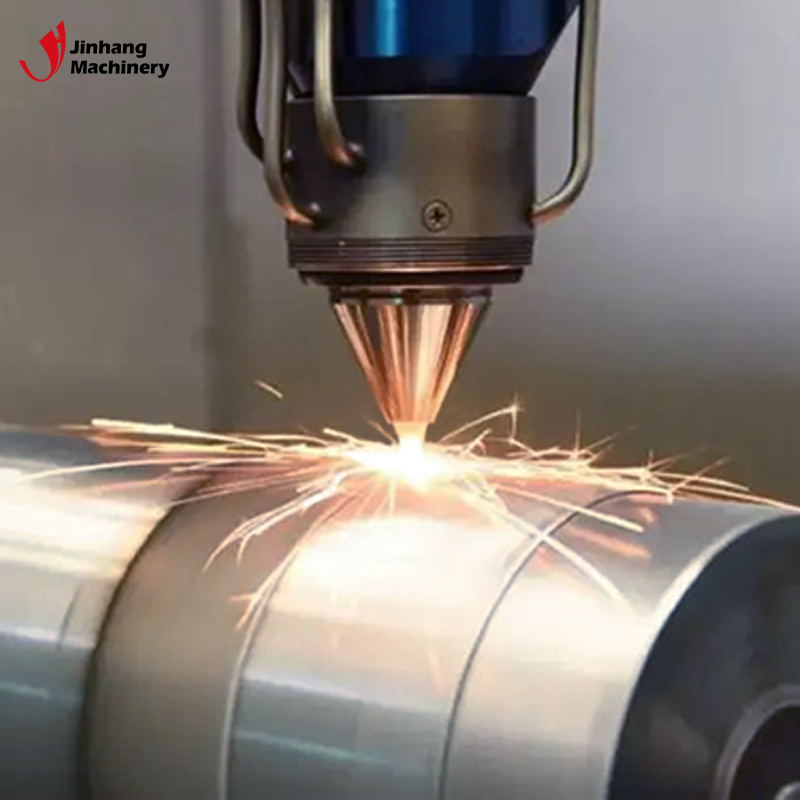
What are the advantages of using carbide-coated rollers?
What are the outstanding wear resistance advantages of carbide-coated rollers?
The first core advantage of carbide-coated rollers is their extremely high surface hardness and wear resistance.
• WC–Co coatings can achieve HV 1100–1500
• Surface wear life is 5–20 times longer than chrome plating
• Suitable for long-term high-contact, high-pressure production
This wear resistance allows carbide-coated rollers to maintain more stable surface roughness and shape accuracy during production.
What are the advantages of the corrosion resistance of carbide-coated rollers?
Coating materials such as Cr₃C₂–NiCr structures have extremely high corrosion resistance, resisting:
• Acids
• Alkalis
• Salts
• Organic solvents
Therefore, carbide-coated rollers exhibit greater stability in coating, printing, chemical, and humid environment processes.
How do carbide-coated rollers perform under high temperatures and rapid temperature changes?
Carbide coatings typically possess the following characteristics:
• Excellent thermal stability
• Outstanding resistance to thermal fatigue
• Lower thermal expansion deformation
This makes carbide-coated rollers suitable for:
• Heated rollers
• Cooled rollers
• High-speed drying systems
• Hot pressing systems
Maintaining stability even in environments with rapid temperature changes.
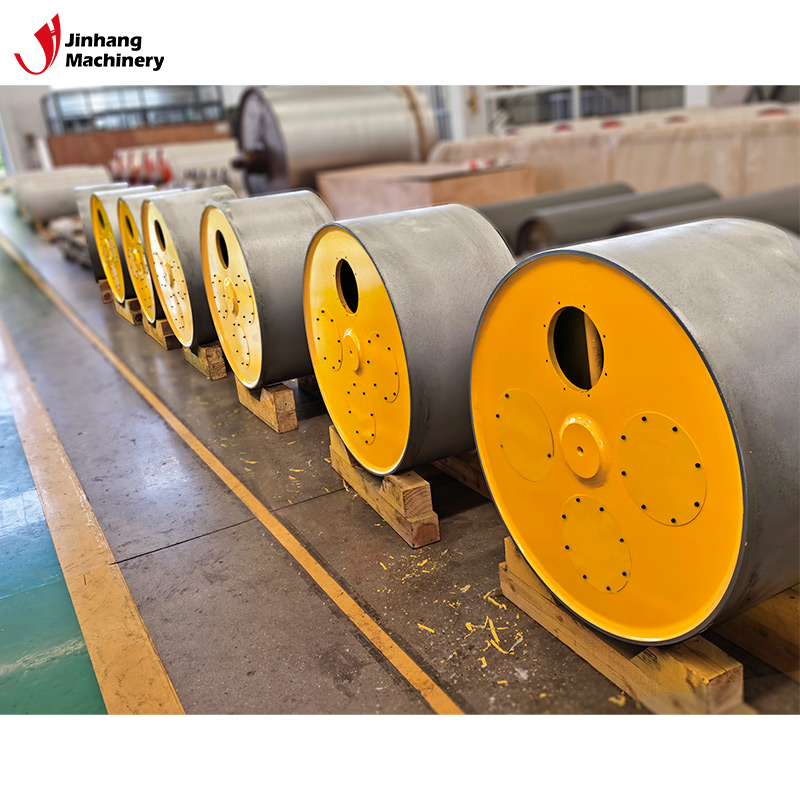
Do carbide-coated rollers have a longer service life than ordinary rollers?
The answer is yes.
Because the coating is tens of times harder than the surface of steel rollers, the service life of carbide-coated rollers is typically significantly extended. This is especially true under conditions such as:
• Long-term friction
• High-speed operation
• Repeated contact pressure
The lifespan advantage is even more pronounced.
Do carbide-coated rollers improve product surface quality?
Yes.
Many industries use carbide-coated rollers to achieve higher surface finish consistency.
Coating can:
• Maintain stable roller surface roughness
• Reduce scratches and pitting
• Maintain long-term roller surface smoothness
• Reduce the coefficient of friction
• Reduce the risk of material scratching
Therefore, carbide-coated rollers are ideal for:
• Plastic films
• High-gloss coatings
• Metal foils
• Precision rolling processes
What are the disadvantages of using carbide-coated rollers?
To ensure balance, this section will systematically summarize the potential disadvantages of carbide-coated rollers.
Does carbide-coated rollers increase costs?
Compared to ordinary steel rollers or ordinary chrome-plated rollers, carbide-coated rollers are indeed more expensive to manufacture.
Reasons include:
• High material costs
• Expensive coating equipment
• Complex coating process
• Time-consuming surface polishing
While not as expensive as solid carbide rollers, the cost is still higher than traditional methods.
Is there a risk of carbide-coated rollers peeling or cracking?
If the process is substandard, the following may occur:
• Coating peeling
• Coating cracking
• Edge delamination
Causes include:
• Improper spraying temperature control
• Insufficient adhesion strength
• Inadequate substrate pretreatment
• Coating too thick
• Excessive impact or stress concentration
Therefore, coating quality is closely related to the level of manufacturing process.
Is machining carbide coating rollers more difficult?
The coating surface has extremely high hardness, requiring more stringent machining techniques:
• Greater cutting difficulty
• Polishing requires higher-grade equipment
• Complex repair processes
Some delicate shapes are difficult to polish to the ideal roughness.
Can carbide coating rollers achieve very high precision?
While coating rollers can achieve high precision, it is generally not as high as that of solid carbide rollers or high-grade mirror-finish rollers.
Limitations include:
• Difficulty in achieving an extremely thin and uniform coating surface
• High polishing difficulty
• Difficulty in completely eliminating localized micro-defects
If the process requires extremely high surface finish, coating rollers may not be the optimal choice.
What factors affect the actual performance of carbide-coated rollers?
Performance is not entirely determined by the material itself, but is also influenced by the following factors:
• Coating thickness
• Coating uniformity
• Bond strength
• Substrate material
• Spraying temperature
• Pretreatment quality
• Polishing precision
• Operating pressure and speed
Therefore, carbide-coated rollers are not guaranteed to perform well from the start; they require high-quality manufacturing processes.
Why don't all companies choose carbide-coated rollers?
Main reasons include:
• Higher cost than ordinary chrome-plated rollers
• Coating is not as strong and tough as solid carbide rollers
• May not be suitable for ultra-high loads or heavy rolling processes
• Potential for peeling under some high-speed impact conditions
• High processing and maintenance costs
• Not suitable for mirror lines with extremely high surface roughness requirements
Therefore, the choice of carbide-coated rollers depends on the operating conditions, not simply on a comparison of hardness.
How to determine if a carbide-coated roller is suitable for your production process?
This can be judged from the following aspects:
1. Is process wear very severe?
If wear is severe, the value of coated rollers is significant.
2. Are there acidic or corrosive materials?
If there is a risk of corrosion, Cr₃C₂ coatings are more suitable.
3. Is extremely high surface finish required?
If an extremely high mirror finish is required, other higher precision rollers can be selected.
4. Is the production line speed extremely high?
High-speed contact conditions require coatings with greater toughness.
5. Is the budget limited?
Coated rollers are an economical choice between steel rollers and solid carbide rollers.
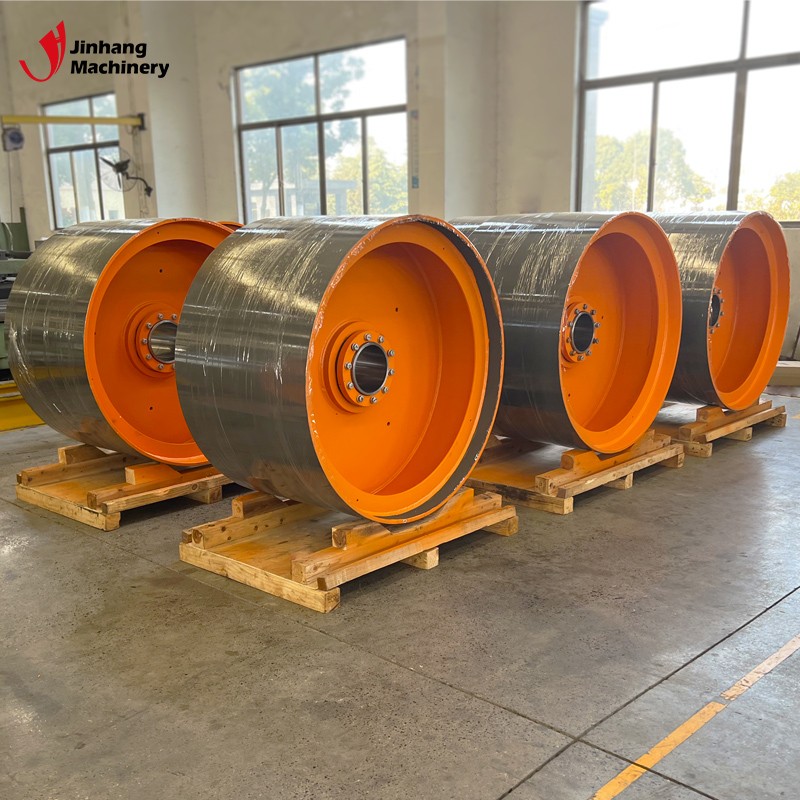
Common Misconceptions and Correct Understandings about Carbide Coated Rollers
Common misconceptions include:
Misconception 1: Carbide coated rollers are more wear-resistant than solid carbide rollers.
Incorrect. Solid carbide rollers are more wear-resistant, but more expensive.
Misconception 2: Carbide coatings will not peel off.
Incorrect. Low-quality coatings are prone to peeling.
Misconception 3: Carbide coated rollers are suitable for all processes.
Incorrect. Some heavy-duty, high-impact industrial applications still require solid carbide rollers.
Summary of Carbide-Coated Rollers
Carbide-coated rollers are a type of industrial roller that combines performance, cost, wear resistance, and economy.
Main advantages of carbide-coated rollers:
• High hardness and high wear resistance
• Strong corrosion resistance
• Good thermal stability
• Long service life
• High performance-to-cost ratio
• Wide range of applications
Main disadvantages of carbide-coated rollers:
• Higher cost than ordinary rollers
• Coating may peel off
• Higher processing difficulty
• Lower precision than solid carbide rollers
• Not suitable for extreme impact conditions
Carbide-coated rollers are a type of industrial roller suitable for most medium-to-high wear processes, but they are not a universal solution and should be selected according to the specific working conditions.