
What Is the Dielectric Strength of Industrial Corona Rollers?
Industrial corona rollers play a crucial role in equipment such as plastic film processing, corona treatment machines, and surface activation production lines. One of their key performance characteristics is dielectric strength. Dielectric strength directly affects the voltage a corona roller can withstand, the discharge environment it can operate in, whether it will break down, and whether it can operate stably for extended periods.
However, corona rollers made of different materials and with different coating structures exhibit significant differences in dielectric strength. For example, common silicone corona rollers, epoxy-coated corona rollers, and ceramic corona rollers have different dielectric strengths.
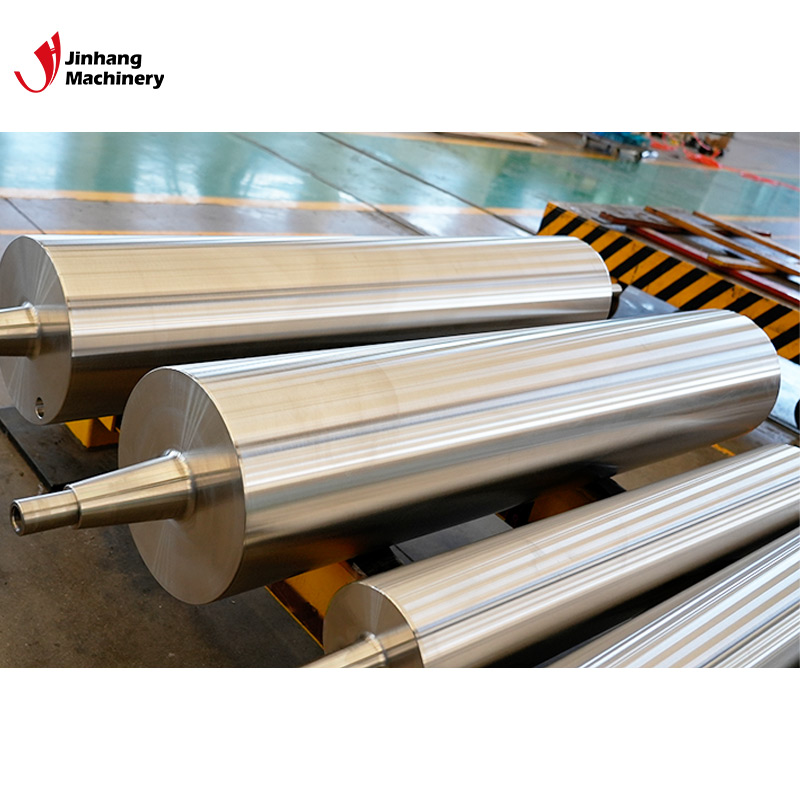
What is the dielectric strength of a corona roller?
Dielectric strength refers to:
The maximum voltage gradient that an insulating material can withstand without breaking down.
Industrial corona rollers are exposed to high-frequency, high-voltage electric fields during operation. Their surface coatings must possess sufficient dielectric strength; otherwise, the following may occur:
• Localized breakdown
• Voltage breakdown due to moisture absorption
• Localized carbonization
• Instable corona discharge
• Surface cracking leading to damage to the entire corona roller
Therefore, dielectric strength is a crucial indicator for evaluating corona roller materials.
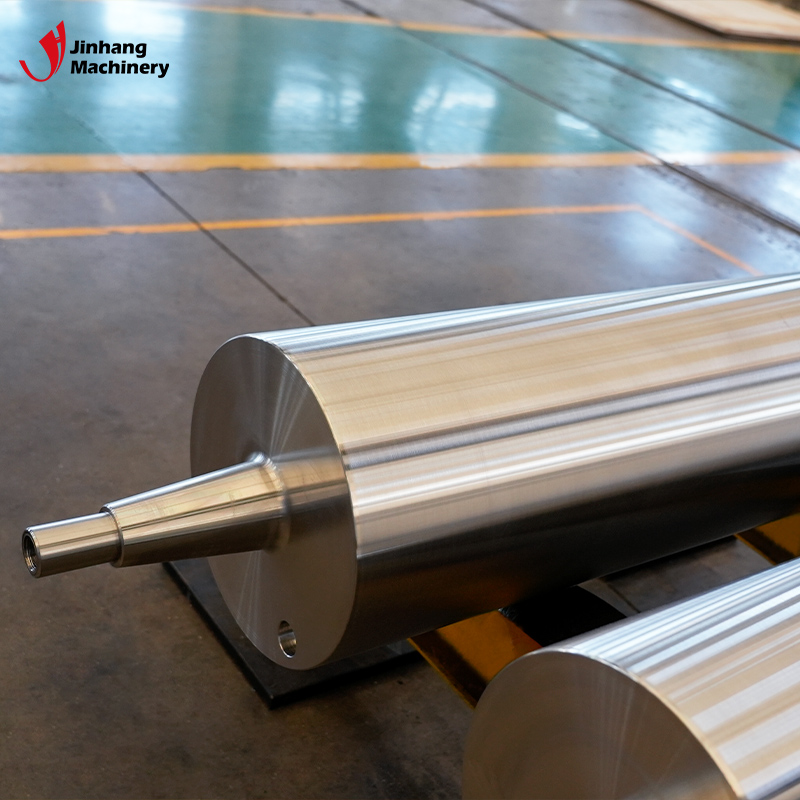
What are the dielectric strengths of different corona rollers?
Based on data from Jinhang Machinery and other industry peers regarding commonly used corona roller materials, the dielectric strength of different coatings is approximately as follows:
• Silicone corona roller dielectric strength: Approximately 400 inches/kW
• Epoxy-coated corona roller dielectric strength: Approximately 500 inches/kW
• Ceramic corona roller dielectric strength: Approximately 300 inches/kW
These values can be used to compare the voltage withstand capabilities of different materials, but they do not represent the absolute maximum voltage, as actual use is also affected by factors such as:
• Roller diameter
• Thickness
• Ambient humidity
• Corona discharge gap
• Surface roughness
• Surface conductivity
We will now analyze these differences in detail from multiple technical perspectives.
Why is the dielectric strength of silicone corona rollers generally around 400 inches/kW?
Silicone corona rollers are one of the most mature structures used in industrial corona treatment. Its dielectric strength is approximately 400 inches per kilowatt, primarily due to:
1. The silicone material has a flexible structure but moderate voltage resistance
Silicone possesses good dielectric properties, but its molecular chains are relatively flexible. While not easily brittle, its dielectric strength is not the highest among the three materials.
2. Its surface easily absorbs moisture
Silicone absorbs moisture in high-humidity environments, and moisture reduces dielectric strength.
3. Its thermal stability is moderate rather than extremely high
Silicone itself has high temperature resistance, but drastic changes in the thermal environment may cause a slight decrease in dielectric stability.
Therefore, the dielectric strength of the silicone corona roller is at a moderate level, stable but not the highest.
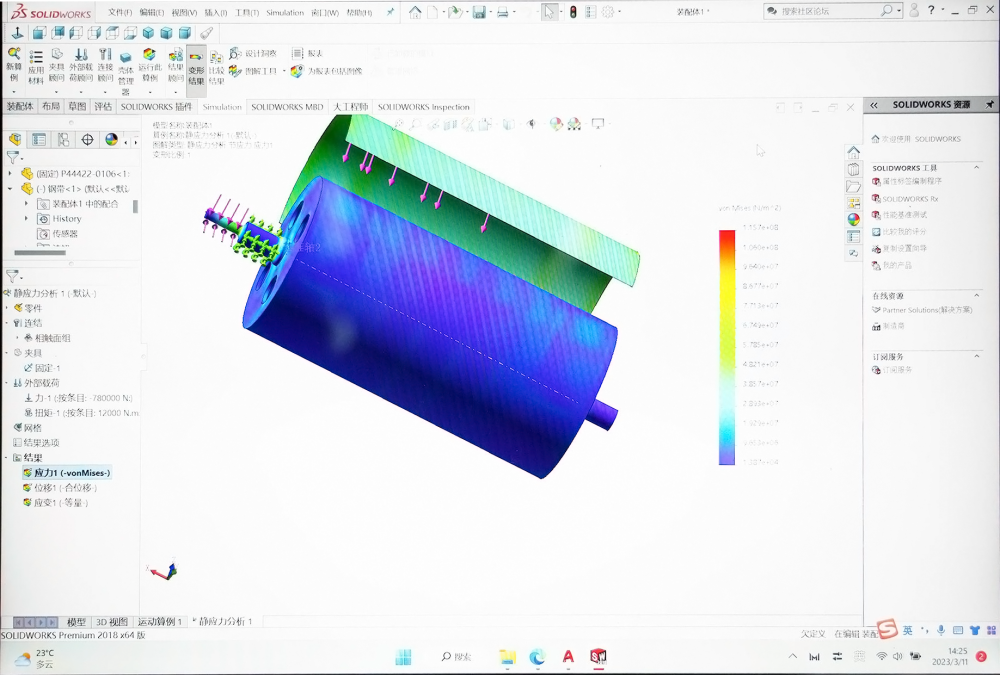
Why does the epoxy-coated corona roller have the highest dielectric strength, reaching approximately 500 inches per kilowatt?
The epoxy-coated corona roller has a high dielectric strength of approximately 500 inches per kilowatt because:
1. The epoxy coating has a dense structure
After curing, the epoxy resin has a dense molecular structure, making it less prone to moisture absorption and effectively blocking current.
2. Uniform Insulation Layer and High Hardness
Epoxy coatings have high hardness, reducing the likelihood of exposed metal and thus increasing breakdown voltage.
3. Better Surface Corona Uniformity
The high density of the coating results in a more uniform surface electric field distribution, which helps improve dielectric strength.
Therefore, epoxy-coated corona rollers are often the preferred choice for high-stability corona treatment equipment in industry.
Why is the dielectric strength of ceramic corona rollers relatively low, approximately 300 inches/kW?
While ceramic corona rollers possess excellent hardness, high wear resistance, and high-temperature performance, their dielectric strength is only about 300 inches/kW.
The reasons are as follows:
1. Micropores Exist in Ceramic Materials
Even high-density ceramics have a microporous structure, which can easily lead to localized electric field concentration under high voltage.
2. Good Thermal Conductivity but Slightly Poor Insulation
Ceramics have high thermal conductivity, but their electrical breakdown strength is not as good as epoxy resin coatings.
3. Thermal shock can cause microcracks
Microcracks reduce dielectric strength, and even if invisible to the naked eye, they can affect the high-voltage resistance of the corona roller.
Therefore, while ceramic corona rollers are suitable for severely abrasive applications, they are not the optimal choice in terms of dielectric strength.
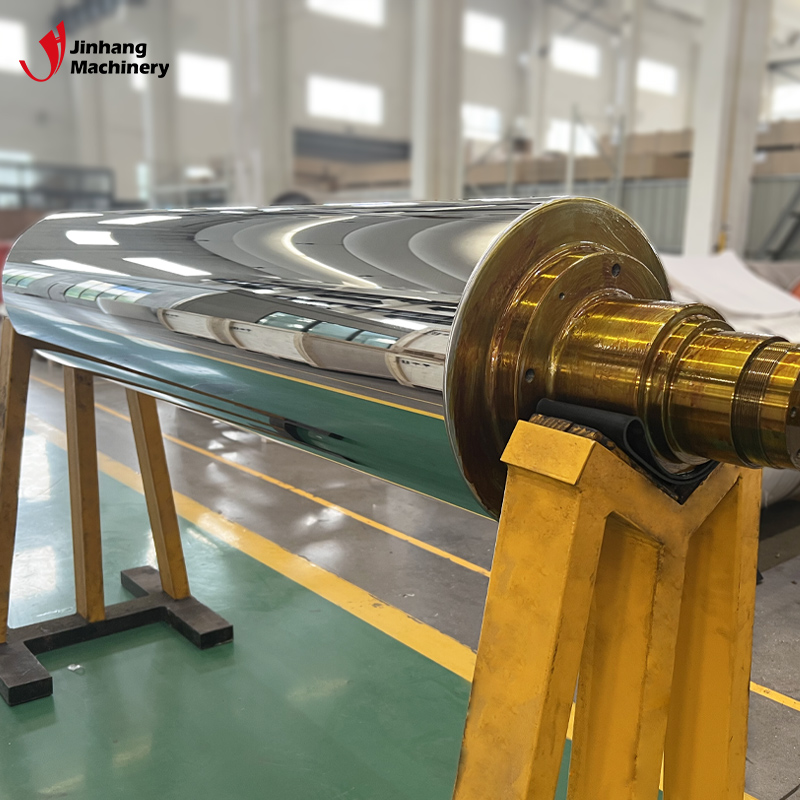
Is higher dielectric strength always better for corona rollers?
This is a common misconception.
While higher dielectric strength means the material is less prone to breakdown, the performance of a corona roller is not determined by a single metric.
Dielectric strength needs to be balanced with the following factors:
• Surface tribological properties
• Thermal stability
• Material elasticity
• Chemical resistance
• Corona discharge uniformity
• Cost and processing feasibility
For example:
• Epoxy corona rollers have the highest dielectric strength, but high hardness and poor elasticity.
• Ceramic corona rollers are highly wear-resistant but have the lowest dielectric strength.
• Silicone corona rollers have moderate dielectric strength but good overall chemical stability.
Therefore, the selection of corona rollers must be based on a combination of equipment requirements and material properties, rather than blindly pursuing materials with the highest dielectric strength.
Does the dielectric strength of the corona roller affect the corona treatment effect?
The answer is yes, and significantly so.
The effects include:
1. Insufficient dielectric strength easily leads to breakdown
Once breakdown occurs, burn marks, carbonization points, or even complete scrapping of the corona roller will appear on its surface.
2. Moderate dielectric strength maintains corona stability
This allows for uniform corona treatment and controllable intensity.
3. Insufficient dielectric strength may make the material too hard
The harder the material, the worse the traction effect on thin film materials may be, and it may even affect the stability of equipment operation.
Therefore, the dielectric strength of the corona roller must be precisely matched with the processed material, equipment structure, and voltage range.
Why are there such significant differences in the dielectric strength of common corona rollers?
From a materials science perspective, this is primarily determined by three factors:
1. The internal molecular structure of the material
Different materials have vastly different polarization capabilities, molecular density, and hygroscopic capacity, resulting in varying dielectric strengths.
2. Coating thickness and uniformity
Even with the same material, greater thickness and uniformity lead to higher dielectric strength.
3. Surface finishing process
The surface roughness of the corona roller affects:
• Peak electric field
• Localized high voltage concentration
• Discharge gap
The finer the process, the more stable the dielectric strength.
Which corona roller coating has the best dielectric strength for high-voltage corona treatment?
For high-voltage applications, generally:
• Epoxy-coated corona rollers are best suited for high-voltage treatment (highest dielectric strength)
• Silicone corona rollers are suitable for medium-voltage and general corona treatment
• Ceramic corona rollers are suitable for applications with severe wear but lower voltage requirements.
Each equipment engineer will choose the optimal combination based on voltage range, material compatibility, and equipment lifespan requirements.
Will the dielectric strength of a corona roller decrease over time?
Yes.
Prolonged exposure of corona rollers to a high-voltage electric field can cause the material to undergo:
• Aging
• Moisture absorption
• Surface micro-cracks
• Localized hardening
• Localized high-temperature accumulation
These factors all reduce dielectric strength.
Therefore, corona rollers require proper cleaning, inspection, and periodic replacement.
Is the dielectric strength of industrial corona rollers sufficient? How to determine this?
Corona systems typically require processing voltages of several kilovolts to tens of kilovolts, therefore:
• Silicone rollers are sufficient for processing low-density films.
• Epoxy rollers are more suitable for high voltage requirements.
• Ceramic rollers are the choice if abrasion resistance is prioritized over high dielectric strength.
The true criterion is:
The dielectric strength must be greater than a safety factor multiple of the operating voltage.
Industrial standards typically require a dielectric strength ≥ 2–3 times the operating voltage for long-term safe operation of the corona roller.
Does the dielectric strength of a corona roller depend on its thickness?
Yes, dielectric strength is directly related to coating thickness, but it's not simply a matter of "the thicker the better."
General guidelines:
• Thicker coating → Improves insulation, but may lead to decreased discharge efficiency.
• Thinner coating → More sensitive to discharge, but increases the risk of breakdown.
Therefore, industrial corona rollers are typically designed with appropriate thickness standards based on different materials, rather than blindly increasing coating thickness.
Does Jinhang Machinery provide after-sales support for rollers?
Absolutely. As a customer-focused roller manufacturer, we offer comprehensive after-sales service including technical consultation, installation guidance, and troubleshooting. For any roller that encounters quality issues under the mechanical conditions stated in the drawings, we provide free repair or replacement during the warranty period. Our goal is to ensure your production line remains stable and efficient.