
What Temperatures Can Nitrile Rubber Rollers Withstand?
Nitrile butadiene rubber (NBR) rollers are widely used in industrial manufacturing due to their excellent oil resistance, abrasion resistance, and media resistance. However, for applications involving high-speed operation, continuous friction, and oil media, "What temperature can it withstand?" is one of the most frequently asked questions by users.
Temperature not only affects the elasticity, hardness, and lifespan of NBR rollers but also relates to the safety of equipment operation.
This article will provide an in-depth analysis of NBR's material structure, heat resistance, working environment differences, and the impact of temperature on performance, helping you fully understand the temperature range of nitrile rubber rollers and providing a scientific basis for industrial selection.
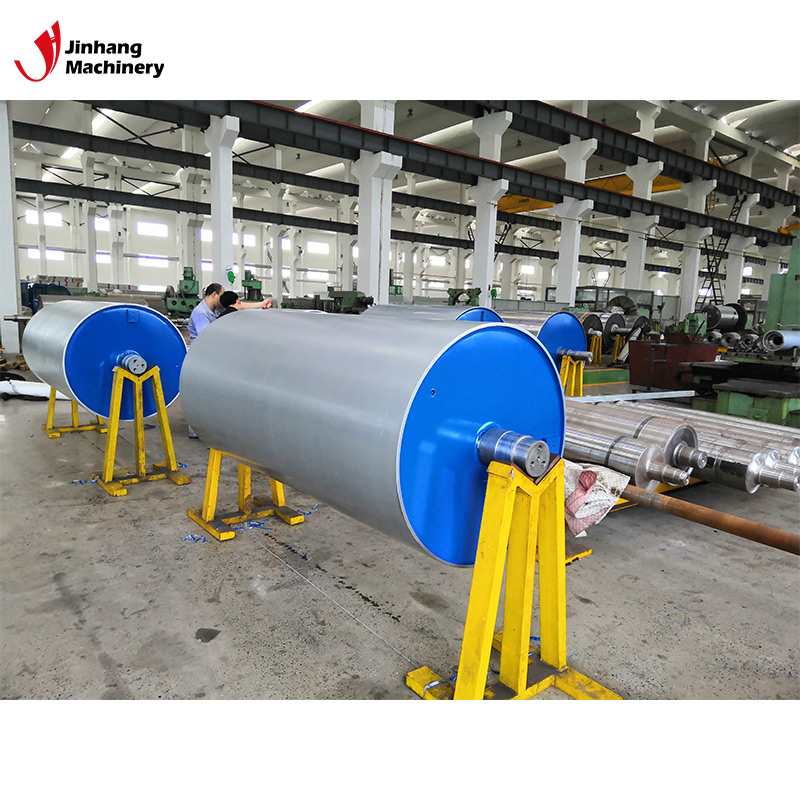
What temperatures can NBR rollers actually withstand?
Nitrile rubber rollers can withstand temperatures of approximately 120°C in air and approximately 150°C in oil.
This is determined by the combined characteristics of NBR's molecular structure, heat resistance, and oil resistance.
In air, NBR is significantly affected by oxidation; therefore, its long-term stable operating temperature is typically set between 100°C and 120°C.
In oil, the oxidation rate decreases, and nitrile rubber is inherently oil-resistant, allowing it to maintain good performance in oil at temperatures between 130°C and 150°C.
Therefore, the temperature resistance of nitrile rubber rollers can be summarized as follows:
• Air environment: Can withstand approximately 120°C (long-term).
• Oil environment: Can withstand approximately 150°C (long-term).
As temperatures continue to rise, the mechanical strength, elasticity, and structural stability of NBR will gradually decrease, affecting the normal operating performance of the rollers.
Why does the temperature resistance of NBR rubber rollers differ between air and oil?
The root cause of this difference lies in its chemical structure and oxidation mechanism.
1. Thermal oxidative aging occurs in air
Oxygen in the air accelerates the aging process of rubber, especially at high temperatures, where the oxidation rate increases exponentially.
Nitrile butadiene rubber (NBR) is an unsaturated rubber containing double bonds, which are most vulnerable to oxygen attack. When the temperature exceeds 120°C, these double bonds undergo oxidative chain breakage, causing the NBR rubber roller to:
• Increase hardness
• Decrease elasticity
• Become brittle on the surface
• Reduce mechanical strength
Therefore, its temperature resistance in air is relatively limited.
2. Oxidation is inhibited when operating in oil
Nitrile butadiene rubber is designed for oil resistance, exhibiting strong resistance to mineral oils, lubricating oils, and fuel oils.
More importantly, the oil medium isolates the rubber from air, reducing oxygen penetration and slowing oxidation.
Therefore, in oil, NBR rubber rollers can maintain stability at higher temperatures, with long-term operating temperatures reaching approximately 150°C.
3. The cooling and lubricating effects of oil also reduce temperature stress
Oil media provides lubrication and partial cooling during equipment operation, reducing the actual thermal shock experienced by the NBR rubber roller, further increasing its upper temperature resistance limit.

How does temperature affect the performance of NBR rubber rollers?
Even though nitrile rubber rollers possess good temperature resistance, their properties still undergo quantifiable changes when the temperature approaches its limits.
Below, we analyze these changes one by one from the perspective of core performance characteristics.
1. High Temperatures Accelerate Hardening
Nitrile rubber (NBR) is prone to hardening at high temperatures due to increased crosslinking density and accelerated thermal-oxygen reactions of the molecular chains.
Hardened NBR rubber rollers may exhibit:
• Surface brittleness
• Increased coefficient of friction
• Decreased elasticity
• Increased susceptibility to cracking
This is the most critical impact of high-temperature aging.
2. High Temperatures Reduce Abrasion Resistance
At excessively high temperatures, fatigue of the rubber surface material accelerates, significantly increasing the wear rate of nitrile rubber rollers.
Temperature changes are crucial in environments with rapid rolling and continuous high-speed friction.
3. High Temperatures Reduce Tear Resistance
The internal molecular chains of NBR are easily damaged at high temperatures, thus reducing tear resistance.
NBR rubber rollers are more susceptible to damage under high-temperature conditions when the equipment experiences edge impacts or load fluctuations.
4. High temperatures reduce compression set properties
Greater compression set means poorer shape recovery.
High temperatures accelerate changes in the crosslinking density of rubber, reducing its recovery ability and leading to uneven roller surfaces and increased radial deformation.
5. High temperatures affect adhesion to the metal core
The adhesive layer between NBR and the metal core is also affected by heat. Excessively high temperatures may cause:
• Delamination
• Bubbles
• Reduced bond strength
Therefore, temperature stability must be considered for multi-layered rubber rollers.
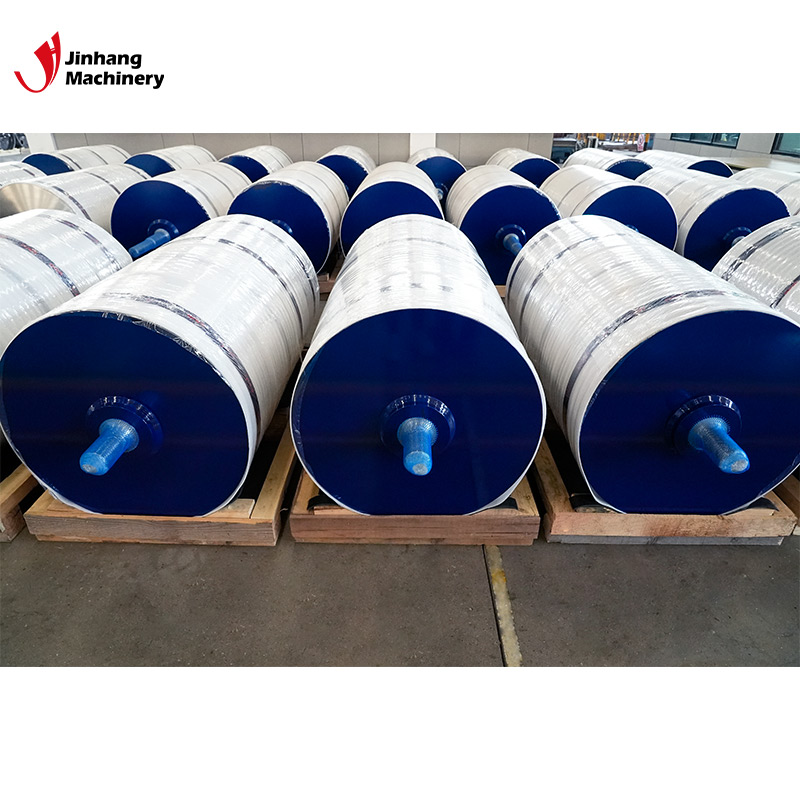
Can NBR rubber rollers operate briefly in environments exceeding 150°C?
Theoretically, nitrile rubber can withstand temperatures slightly above 150°C for short periods, but prolonged or frequent exposure to this temperature is not recommended.
The reasons are as follows:
• High temperatures accelerate oxidation reactions
• The rate of molecular chain breakage increases dramatically
• Hardness and elasticity decrease significantly in a short time
• Lifespan is drastically shortened
Even for short-term overheating, temperatures should be avoided in the 160°C–170°C range.
Typically, equipment manufacturers specify the maximum instantaneous temperature limit in their product specifications, which must be strictly adhered to.
What factors affect the actual temperature resistance of NBR rubber rollers?
The temperature resistance of NBR rubber rollers is not solely determined by the rubber itself, but is also influenced by the following factors:
1. ACN Content (Acrylonitrile Content)
The performance of nitrile rubber depends on its ACN content:
• High ACN (> 40%): Strong oil resistance and good heat resistance, but poor low-temperature performance.
• Medium ACN (around 34%): Optimal overall performance.
• Low ACN (< 28%): Strong low-temperature flexibility, but poor oil resistance.
Generally, NBR formulations used for NBR rubber rollers with medium to high ACN content tend to have better temperature resistance.
2. Formulation System
Different formulations affect its heat resistance, for example:
• Type of vulcanizing agent
• Additive system
• Plasticizer content
• Reinforcing fillers (such as carbon black)
High heat-resistant formulations can significantly improve the temperature withstand capability of NBR.
3. Working Pressure and Mechanical Load
Under high pressure and high tension conditions, the damaging effect of temperature on rubber is amplified, requiring careful control of the temperature rise rate.
4. Friction Speed
High-speed friction rapidly generates heat, increasing the instantaneous surface temperature of the nitrile rubber roller and shortening its service life.
5. Medium Type
As mentioned earlier, oil improves heat resistance, while air reduces it.
What are the differences in temperature performance of NBR rubber rollers in different application scenarios?
This section does not provide case studies but explains the reasons for temperature changes from a theoretical perspective.
1. Friction-Driven Equipment
Frictional heating is the main heat source. Temperature depends on:
• Surface velocity
• Contact pressure
• Material relative hardness
• Lubrication conditions
Temperature control is extremely critical.
2. Oil-Immersed Equipment
NBR rubber rollers exhibit relatively stable performance. The cooling effect of oil reduces the temperature rise rate, maintaining a longer service life.
3. Heat Treatment Equipment
These equipment units operate at high temperatures, potentially heating the rubber rollers through contact, radiation, or conduction. Therefore, NBR formulations with high heat resistance grades are required.
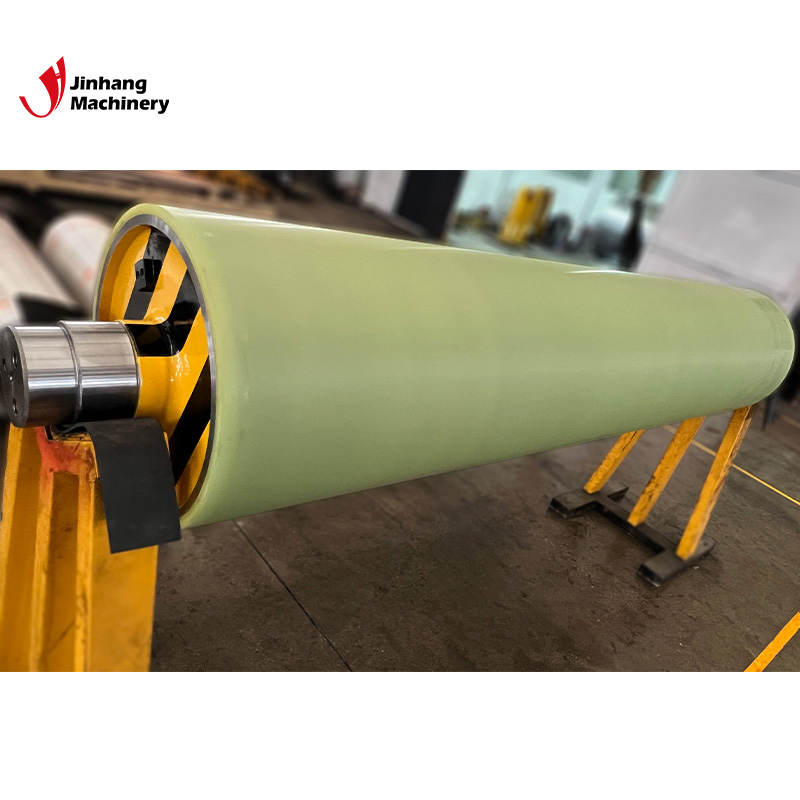
What is the optimal operating temperature for NBR rubber rollers?
While their maximum temperature ranges from 120°C to 150°C, the optimal operating temperature should be lower.
Considering various performance characteristics, the industry recommends the following:
• Optimal temperature in air: 80°C–100°C
• Optimal temperature in oil: 100°C–130°C
This temperature range ensures:
• Stable material hardness
• Sufficient elasticity
• Longer lifespan
• No performance degradation
When designing equipment, it is essential to keep the nitrile rubber rollers within this temperature range.
How does Jinhang Machinery ensure roller quality?
Quality is at the core of our work as a professional roller manufacturer. Our ISO9001-certified process includes multi-stage inspections—rough machining, semi-finishing, grinding, coating, final finishing, and balancing. We document every step, ensuring defects are identified before entering the next stage.
Using Italian POMINI grinders and advanced boring equipment, we maintain tight tolerances for rollers used in metallurgy, plastics, paper, automotive testing, and more.