
Which industrial corona roller coating is best?
With the rapid development of industries such as plastic films, packaging and printing, new energy battery materials, composite materials, functional electronic films, and flexible packaging, corona treatment technology has become a crucial step in enhancing material surface properties. Whether dealing with PE, PP, or PET films, or high-end materials like lithium-ion battery separators, aluminum-plastic films, and optical films, corona treatment is almost always required to increase surface tension, thereby improving ink adhesion, coating bond strength, and lamination strength.
Within the corona treatment system, the industrial corona roller is a core component that determines the stability of the treatment results. These rollers not only support the material as it moves through the machine but also directly influence discharge uniformity, treatment efficiency, and equipment service life. As industry demands evolve, traditional metal corona rollers have increasingly struggled to meet the requirements of high-frequency, high-speed, and high-precision production. Consequently, specialized coated corona rollers have emerged, with silicone, epoxy-coated, and ceramic rollers being the most widely used types.
Purchasing agents and equipment engineers often face the same question when selecting equipment: Which type of coated industrial corona roller is best? What are the differences between silicone, epoxy-coated, and ceramic rollers, and how should one choose the right one for a specific application? This article provides a comprehensive analysis covering technical principles, performance characteristics, industry applications, cost analysis, and future development trends.
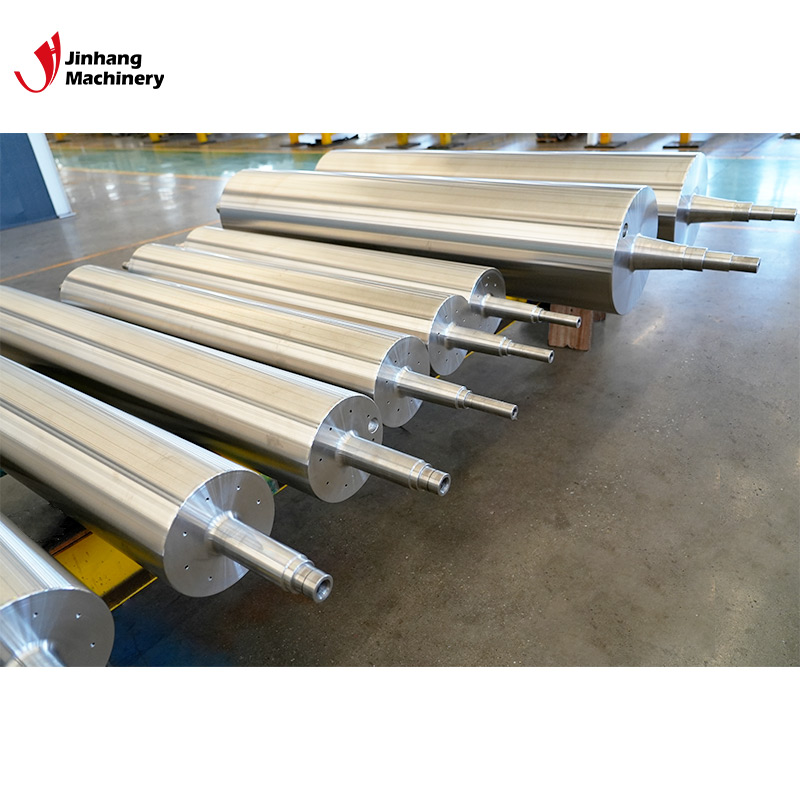
What is an industrial corona roller, and why is it essential for corona treatment?
Corona treatment is essentially a high-voltage ionization discharge process. The equipment uses a high-frequency, high-voltage power supply to generate voltages ranging from several thousand to tens of thousands of volts, creating an air ionization zone between the electrode and the material surface. As the material passes through this discharge zone, its surface molecular structure changes, resulting in increased surface energy.
For instance, the surface tension of untreated polyethylene (PE) film is typically only 30–34 dyn/cm; after corona treatment, this can rise to 38–48 dyn/cm, with some specialized materials reaching levels above 52 dyn/cm. Increasing surface tension enables inks, adhesives, and coatings to adhere more firmly to the material's surface.
Industrial corona rollers play several critical roles in this process. First, they serve as the dielectric support within the discharge system; second, they determine the uniformity of the discharge zone; third, they influence the stability of material transport; and finally, they must withstand demanding operating conditions over the long term, including high-voltage electric fields, ozone corrosion, heat accumulation, and mechanical wear.
Consequently, the performance of the roller's surface coating directly determines the overall effectiveness of the corona treatment equipment; this is a key reason why silicone, epoxy-coated, and ceramic corona rollers have garnered significant attention.
Characteristics, Advantages, and Limitations of Silicone Corona Rollers
Among the various types of industrial corona rollers, silicone rollers were among the first to see widespread adoption. They currently maintain a significant market share in applications such as packaging films, general printing, and low-to-medium speed production lines.
The defining feature of silicone corona rollers is their surface covering made of high-dielectric silicone rubber. Silicone possesses excellent insulating properties and elasticity, enabling the creation of a stable discharge environment. Furthermore, its inherent flexibility helps minimize localized indentations and mechanical damage during material transport, offering effective protection for thinner plastic films.
In terms of technical specifications, industrial-grade silicone corona rollers typically feature a hardness of 60–90 Shore A and a dielectric strength exceeding 20 kV/mm, making them suitable for most standard corona treatment systems.
The primary advantages of silicone corona rollers lie in their low cost, ease of manufacturing, and simple maintenance. For small and medium-sized film manufacturers, they offer a cost-effective solution that meets basic production requirements. Additionally, silicone's good ozone resistance ensures relatively stable performance in standard corona treatment environments.
However, silicone corona rollers also have distinct limitations. As an organic material, silicone offers far lower wear resistance than ceramic materials. During prolonged high-speed operation, the silicone surface is prone to wear, aging, and localized cracking. Furthermore, as equipment power levels rise, silicone corona rollers are prone to heat accumulation, which can compromise discharge uniformity.
Industry statistics indicate that on high-speed BOPP film production lines, the average service life of silicone corona rollers is typically one to three years—and potentially shorter under heavy-duty operating conditions. Consequently, for enterprises prioritizing high output and long production cycles, silicone corona rollers often serve merely as a baseline solution.
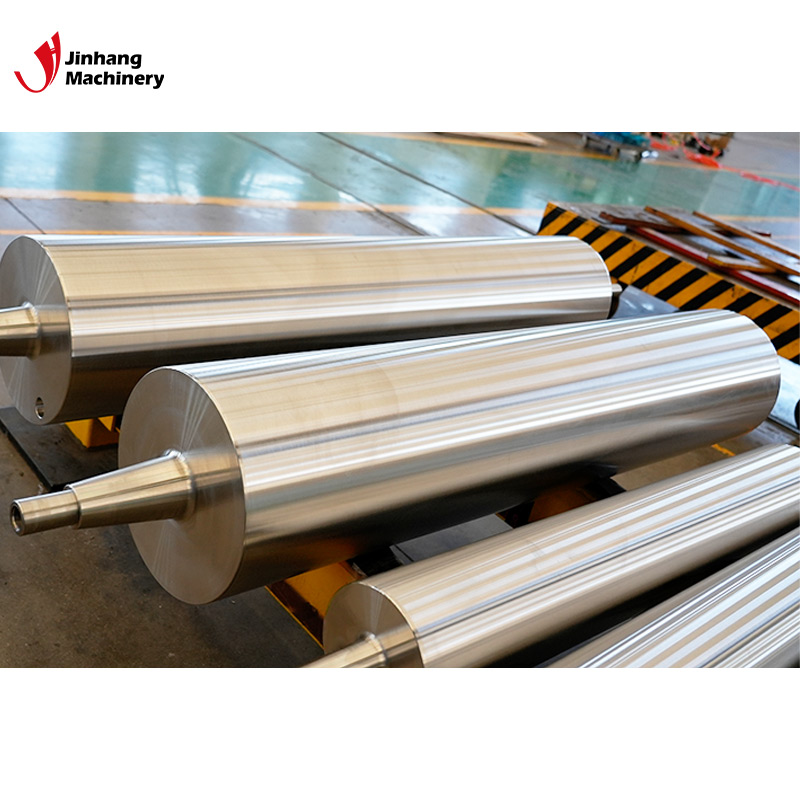
Performance Analysis and Application Value of Epoxy-Coated Corona Rollers
As the power of corona treatment equipment continues to increase, epoxy-coated corona rollers have emerged as a significant option, bridging the gap between silicone and ceramic rollers.
These rollers typically utilize a specialized epoxy resin system to form a highly insulating coating via spraying, casting, or composite processing. Compared to silicone rollers, epoxy-coated rollers offer superior mechanical strength and dimensional stability.
The primary advantage of epoxy-coated corona rollers lies in their stable dielectric properties. Thanks to the dense molecular structure of the epoxy resin, their electrical performance is less susceptible to temperature fluctuations, ensuring consistent discharge results. They have become a standard choice in many printing, packaging, and lamination systems.
In terms of operational performance, epoxy-coated corona rollers typically exhibit two to four times the wear resistance of silicone rollers. They also possess significantly higher compressive strength, making them suitable for production environments involving higher tension and faster line speeds.
Additionally, epoxy-coated corona rollers offer excellent chemical resistance. During printing, coating, and adhesive manufacturing processes, equipment frequently comes into contact with solvents, inks, and cleaning agents; epoxy materials effectively withstand these chemical substances, thereby extending the roller's service life.
However, epoxy-coated corona rollers are not without drawbacks. As the coating consists of a rigid resin, its impact resistance is relatively limited. Mechanical impacts during operation can cause localized chipping or cracking on the surface. Once the coating is damaged, repair is often more difficult than with silicone rollers. Overall, epoxy-coated corona rollers strike a favorable balance between performance and cost, making them widely used in sectors such as mid-to-high-end packaging printing, composite materials, and functional film production.
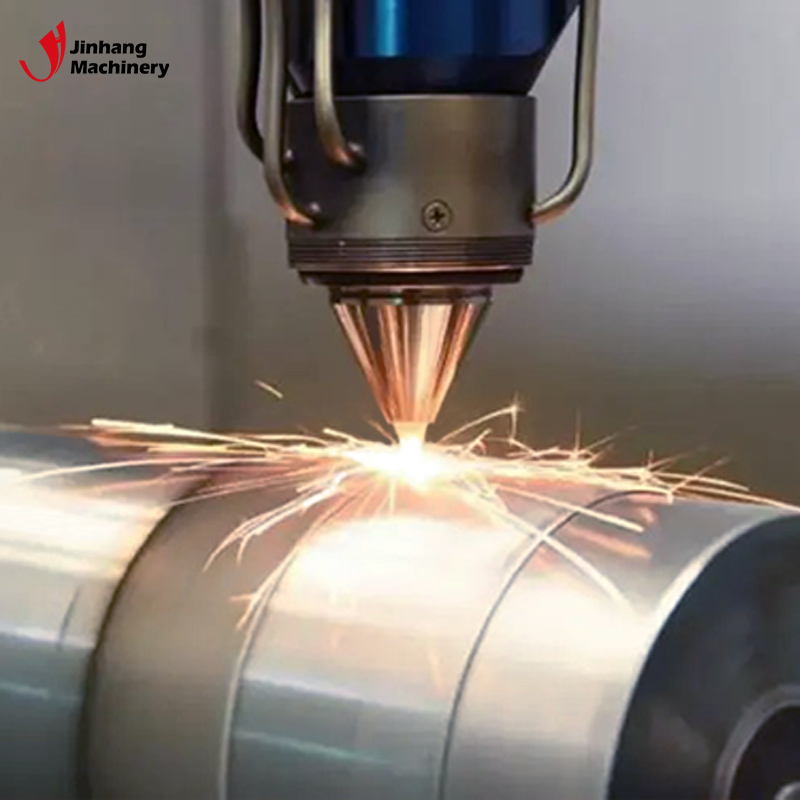
Why are ceramic corona rollers considered the benchmark for high-end industrial corona rollers?
When evaluating industrial corona rollers based on performance, ceramic rollers are generally regarded as top-tier products within the industry.
Ceramic corona rollers typically feature a surface dielectric layer made of alumina, zirconia, or specialized engineering ceramics, created using advanced processes such as plasma spraying or high-temperature sintering. Compared to silicone rubber and epoxy-coated rollers, ceramic rollers offer distinct advantages in terms of wear resistance, high-temperature tolerance, and service life.
Data shows that high-quality alumina ceramics can achieve a hardness exceeding HV1000, whereas standard epoxy materials typically have a hardness of less than HV50. Consequently, ceramic corona rollers exhibit virtually no significant wear, even during prolonged, high-speed operation.
The advantages of ceramic corona rollers are particularly pronounced in modern high-speed production lines. For instance, on lithium-ion battery separator lines, equipment speeds can reach 300 to 800 meters per minute; on BOPET optical film lines, some equipment operates at speeds exceeding 1,000 meters per minute. Even under such demanding conditions, ceramic corona rollers maintain stable discharge performance.
Beyond wear resistance, ceramic corona rollers offer excellent resistance to ozone and high temperatures. Corona discharge continuously generates ozone and heat, yet ceramic materials remain largely unaffected by these factors. As a result, they maintain stable dielectric properties over the long term, preventing discharge degradation caused by material aging.
In terms of longevity, high-quality ceramic corona rollers typically last between 5 and 10 years, with some applications exceeding a decade. Although their initial purchase price is significantly higher than that of silicone or epoxy-coated rollers, they offer superior economic value when considering the total cost of ownership over their entire lifecycle.
Of course, the most significant drawback of ceramic corona rollers is also quite apparent: their high price. At the same time, although the ceramic layer possesses extremely high hardness, it remains susceptible to localized chipping upon severe mechanical impact; consequently, equipment installation and maintenance require greater care.
How should one choose between silicone, epoxy-coated, and ceramic corona rollers?
When purchasing industrial corona rollers, many enterprises are less concerned with which product is the most advanced and more focused on which one best suits their specific production needs.
For enterprises primarily engaged in producing standard packaging films, label materials, and low-speed printing—where equipment runs at relatively low speeds and budget control is strict—silicone corona rollers often represent a cost-effective choice. They require a lower initial investment, are easy to maintain, and satisfy basic corona treatment requirements.
If the production line involves mid-to-high-end packaging, composite materials, or functional films, and the goal is to balance performance with cost, epoxy-coated corona rollers often offer a distinct advantage. Compared to silicone rollers, they provide greater durability and stability, while their purchase cost remains far lower than that of ceramic rollers.
However, for applications involving new energy battery materials, high-end optical films, electronic functional films, and ultra-high-speed production lines, ceramic corona rollers have become the industry standard. Although the initial purchase cost is higher, their ability to operate stably over the long term and their exceptionally long service life significantly reduce the risks of equipment downtime and maintenance costs.
In terms of industry trends, the continued growth of markets for lithium batteries, photovoltaic materials, and high-performance films has seen ceramic corona rollers rapidly capturing market share from traditional silicone and epoxy-coated rollers—a shift particularly evident in the manufacturing of high-value-added materials.
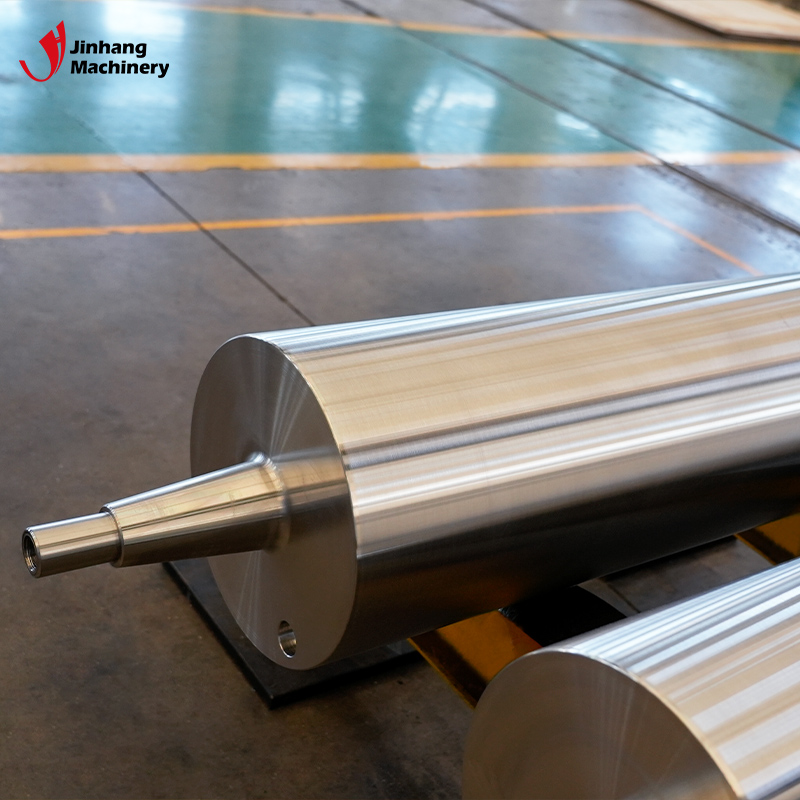
FAQ: Common questions regarding silicone, epoxy-coated, and ceramic corona rollers
1. Which has a longer service life: silicone corona rollers or epoxy-coated corona rollers?
Generally, epoxy-coated corona rollers have a significantly longer service life than silicone corona rollers. In most industrial applications, the lifespan of an epoxy-coated roller is approximately two to four times that of a silicone roller.
2. Are ceramic corona rollers always superior to other types of corona rollers?
In terms of performance, ceramic corona rollers typically offer the best wear resistance and the longest service life. However, for budget-constrained or low-speed production lines, silicone and epoxy-coated corona rollers remain highly cost-effective options.
3. Which type of industrial corona roller is best suited for lithium-ion battery separator production lines?
Most mainstream lithium-ion battery separator equipment currently utilizes ceramic corona rollers, as they are capable of meeting the demands of high-speed, high-power, and long-duration operations.
4. Can epoxy-coated corona rollers replace ceramic corona rollers?
They can serve as replacements in some medium-speed production lines; however, ceramic corona rollers retain a distinct advantage in ultra-high-speed, high-load, or high-precision applications.
5. How often do industrial corona rollers need to be replaced?
This depends on equipment speed, operating time, and process conditions. Generally speaking, the service life is approximately 1 to 3 years for silicone corona rollers, 3 to 6 years for epoxy-coated corona rollers, and 5 to 10+ years for ceramic corona rollers.