
What is the purpose of chrome plating industrial rollers?
In the realm of modern industrial manufacturing, roller equipment is integral to virtually all continuous production processes. From steel processing, papermaking, and plastic film production to printing and packaging, textile dyeing, new energy battery materials, and the electronics industry, various industrial rollers perform critical functions such as conveying, calendering, shaping, coating, laminating, and traction. As manufacturing evolves toward higher precision, efficiency, and durability, standard metal rollers often struggle to meet the demands of complex operating conditions. In contrast, industrial chrome-plated rollers—distinguished by their superior wear resistance, corrosion resistance, and surface precision—have increasingly become vital components of many industrial production lines.
For many enterprises, the question "What is the purpose of chrome plating industrial rollers?" goes beyond mere technical process considerations; it directly impacts the return on investment for equipment, production efficiency, and product quality consistency. In reality, the value of industrial chrome-plated rollers extends far beyond aesthetic enhancement; fundamentally, the process creates a highly hard and stable functional protective layer on the metal roller's surface, thereby significantly improving its overall performance.
This article provides an in-depth analysis covering the basic principles, primary objectives, performance advantages, industry applications, and future trends of industrial roller chrome plating, helping readers gain a comprehensive understanding of the application value and functional principles of these rollers.
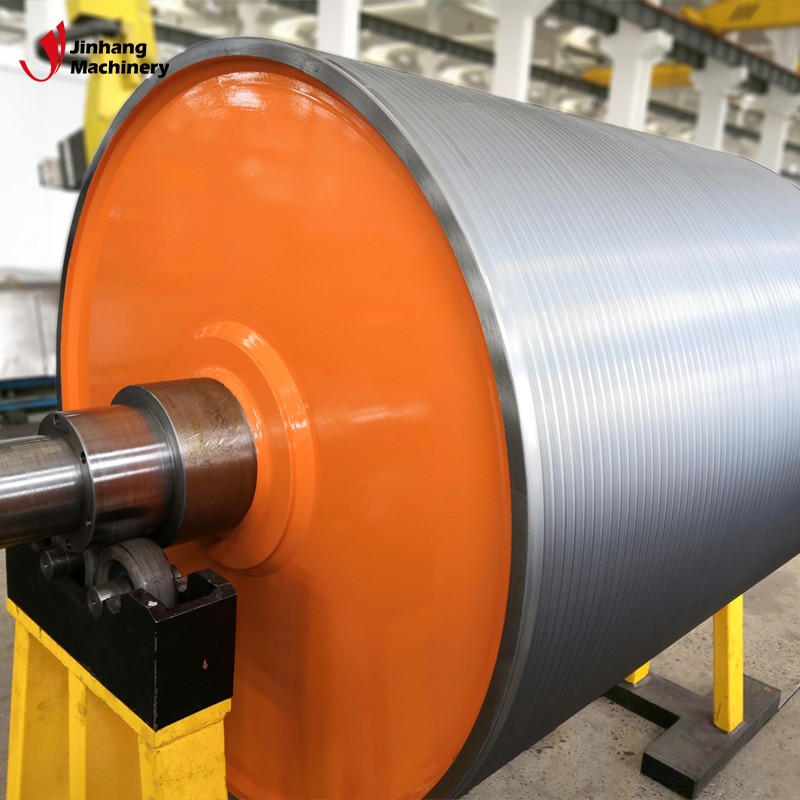
What is an industrial chrome-plated roller? Basic concepts of industrial roller chrome plating technology
Industrial chrome-plated rollers are industrial rollers that utilize metal substrates—such as carbon steel, stainless steel, or alloy steel—and feature a layer of metallic chromium deposited onto the surface via electroplating to achieve specific surface properties. After decades of development, industrial chrome plating technology has become one of the most widely used surface strengthening processes in mechanical manufacturing.
Typically, the manufacturing process for industrial chrome-plated rollers involves several stages: roller body machining, heat treatment, precision grinding, surface cleaning, hard chrome electroplating, mirror polishing, and final inspection/acceptance. The thickness of the chrome layer varies according to specific application requirements, generally ranging from 0.02 mm to 0.15 mm, though it can exceed 0.5 mm for specialized wear-resistance repair applications.
Compared to standard steel rollers, the defining characteristic of industrial chrome-plated rollers is the formation of a high-hardness chromium layer on the surface. This chromium layer offers not only excellent mechanical properties but also strong chemical stability, enabling it to effectively withstand the challenges posed by continuous high-speed operation, heavy-load friction, and complex chemical environments. Consequently, industrial chrome-plated rollers are increasingly utilized in modern industrial equipment, serving as a crucial factor in ensuring production line stability and product quality.
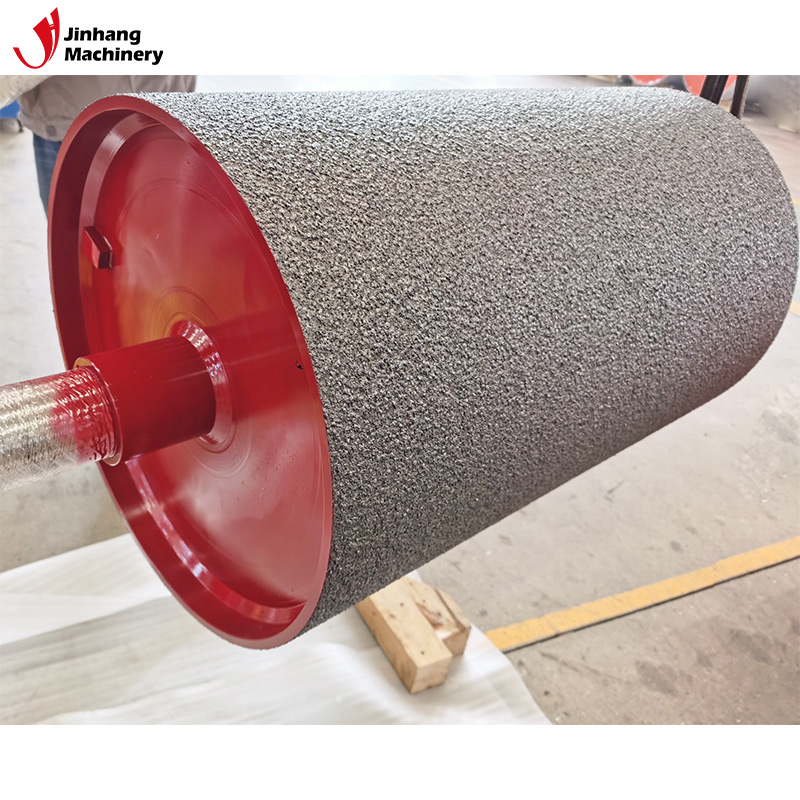
What is the purpose of chrome plating industrial rollers?
Many people mistakenly believe that chrome plating industrial rollers is merely intended to make the roller surface shinier; however, this view is incomplete. From an engineering perspective, the primary objective of chrome plating is to enhance the roller's surface properties, thereby improving equipment reliability and service life while meeting the stringent precision requirements of modern industrial production.
First, a key objective of chrome plating is to enhance wear resistance. In continuous production environments, industrial rollers often operate for over a dozen hours a day or even around the clock. Take a film production line, for instance: a traction roller might operate for more than 8,000 hours annually, and prolonged friction can lead to surface wear, scratches, and dimensional changes. While standard steel rollers typically have a surface hardness of HRC 30–45, chrome-plated rollers can achieve HRC 65–72, resulting in a manifold increase in wear resistance. Industry data indicates that under identical operating conditions, the service life of chrome-plated rollers is typically three to eight times that of standard steel rollers—a major reason why many enterprises opt for them.
Second, chrome plating significantly boosts corrosion resistance. In sectors such as papermaking, chemicals, printing and dyeing, and battery material manufacturing, equipment frequently comes into contact with moisture, acidic or alkaline media, and various chemical additives. Standard steel rollers are prone to oxidation, rusting, and localized corrosion in such environments, which can compromise product quality and operational safety. In contrast, the chromium layer on the roller surface forms a stable passivation film that effectively blocks oxygen, moisture, and various chemicals, thereby enhancing corrosion resistance and reducing the frequency of maintenance and replacement.
A third important objective is to improve surface precision and finish. Modern industry demands increasingly stringent standards for product surface quality—particularly in sectors such as optical films, separators for new energy applications, electronic materials, and high-end packaging—where the quality of the roller surface often directly determines the quality of the final product. Industrial chrome-plated rollers, treated with precision grinding and mirror polishing, can achieve surface roughness values (Ra) of 0.01 to 0.05 micrometers, approaching a mirror-like finish. Such high surface precision minimizes defects like scratches, indentations, and waviness, thereby boosting product yield rates and market competitiveness.
Furthermore, industrial chrome plating helps mitigate material adhesion. In industries such as plastics processing, adhesive tape manufacturing, coating production, and printing, materials tend to stick to roller surfaces; this not only hampers production efficiency but also drives up cleaning and maintenance costs. Thanks to their low coefficient of friction and excellent release properties, industrial chrome-plated rollers effectively reduce material sticking and enhance the continuous operational capability of production lines.
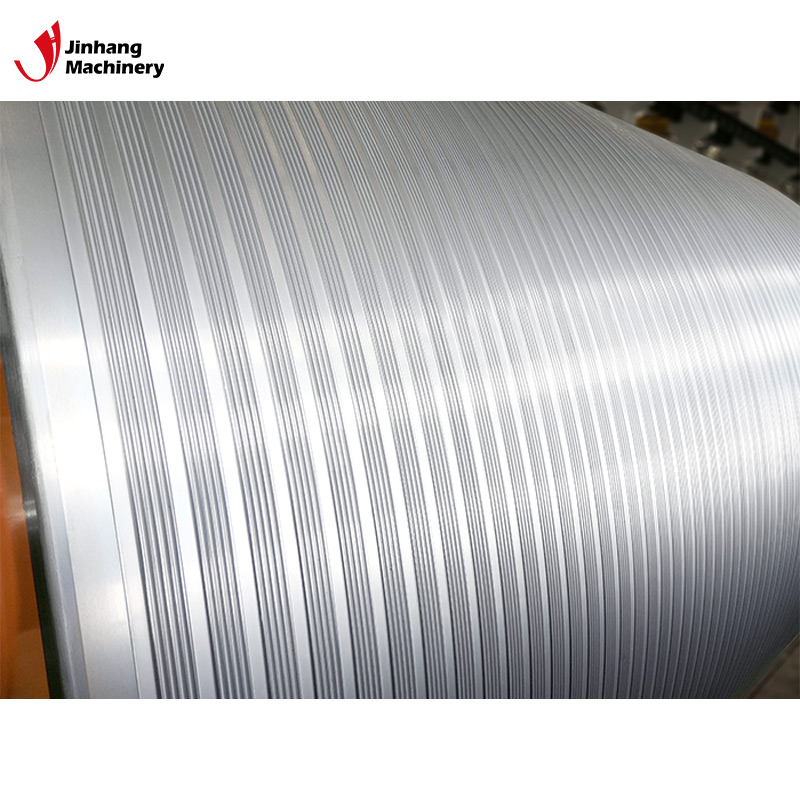
What is the functional principle behind industrial chrome-plated rollers?
To appreciate the value of industrial chrome-plated rollers, one must understand the underlying functional principles. Essentially, these rollers achieve a combination of high hardness, wear resistance, and corrosion resistance through the formation of a hard chrome layer with a unique microstructure on the surface.
Industrial chrome plating typically employs an electrolytic deposition process. During plating, the roller body serves as the cathode and is immersed in an electrolyte containing chromic acid; under the influence of direct current, chromium ions migrate to the roller surface and deposit to form a metallic chromium layer. By strictly controlling parameters such as current density, temperature, and duration, a uniform, dense, and strongly adherent chrome layer is produced.
Why does the hard chrome layer offer such excellent performance?
The hard chrome layer on industrial chrome-plated rollers possesses extremely high micro-hardness—typically ranging from HV800 to 1100—far exceeding that of ordinary steel. Additionally, the layer features a structure of fine micro-cracks; rather than compromising strength, this structure helps retain trace amounts of lubricant, thereby improving frictional conditions and reducing the rate of wear.
Moreover, chromium metal itself exhibits high chemical stability. When exposed to air, the chromium layer rapidly forms an ultra-thin, passivating chromium oxide film. Although this passivation film is invisible to the naked eye, it effectively prevents further oxidation and corrosion; consequently, industrial chrome-plated rollers maintain excellent surface conditions even when exposed to humid environments for extended periods.
How the coating bonds securely to the substrate
Before electroplating, industrial chrome-plated rollers undergo rigorous pre-treatment processes, including turning, grinding, degreasing, pickling, and activation. These steps remove surface impurities and enhance metal reactivity, ensuring a strong bond between the coating and the substrate. High-quality industrial chrome-plated rollers typically achieve a coating bond strength exceeding 200 MPa, making them resistant to delamination, peeling, or cracking, even under high-speed operation and heavy-load conditions.
What is the value of industrial chrome-plated rollers?
From an operational perspective, the value of industrial chrome-plated rollers lies not only in performance enhancement but also in long-term economic benefits.
First, they reduce equipment maintenance costs. Downtime on industrial production lines often entails significant financial loss; however, thanks to their extended service life and lower failure rates, industrial chrome-plated rollers significantly reduce the frequency of repairs and replacements. For large-scale manufacturing enterprises, the reduction in downtime alone can yield substantial economic returns.
Second, they improve product quality consistency. Industrial chrome-plated rollers offer superior surface flatness and dimensional accuracy, ensuring uniform force distribution on materials during transport and processing. This minimizes issues such as thickness fluctuations, surface defects, and dimensional deviations. They have become essential equipment for ensuring product quality, particularly in high-value-added sectors like lithium-ion battery separators, optical films, and electronic materials.
Third, they boost production efficiency. Their excellent wear resistance and anti-stick properties allow for higher operating speeds and longer periods of continuous production. For enterprises aiming for large-scale manufacturing, this translates to higher output value per unit of time.
Industry statistics indicate that under identical production conditions, the use of high-quality industrial chrome-plated rollers can typically increase overall production line efficiency by 5% to 20% and extend equipment lifespan by over 30%, while reducing maintenance costs by approximately 20% to 50%.
In which industries are industrial chrome-plated rollers primarily used?
Industrial chrome-plated rollers have an extremely wide range of applications, covering almost all sectors of continuous production. In the papermaking industry, they are commonly used as calender rolls, paper guide rollers, and coating rollers, enhancing paper smoothness and gloss by improving surface finish. In the printing and packaging industry, they are widely used as printing rolls, impression rolls, and laminating rolls to ensure precision in pattern transfer and high packaging quality.
In the plastic film industry, these rollers are extensively used in casting, calendering, and cooling processes; their high-precision surfaces effectively ensure uniform film thickness and clarity. In the textile printing and dyeing sector, industrial chrome-plated rollers offer resistance to chemical corrosion and improve the quality of fabric finishing.
In recent years, driven by the rapid growth of the new energy industry, the use of industrial chrome-plated rollers has expanded into the production of lithium-ion battery separators, copper foil, aluminum foil, and photovoltaic materials. Given the stringent requirements for roller surface precision and cleanliness in these sectors, high-end industrial chrome-plated rolls have become a vital component of core production equipment.
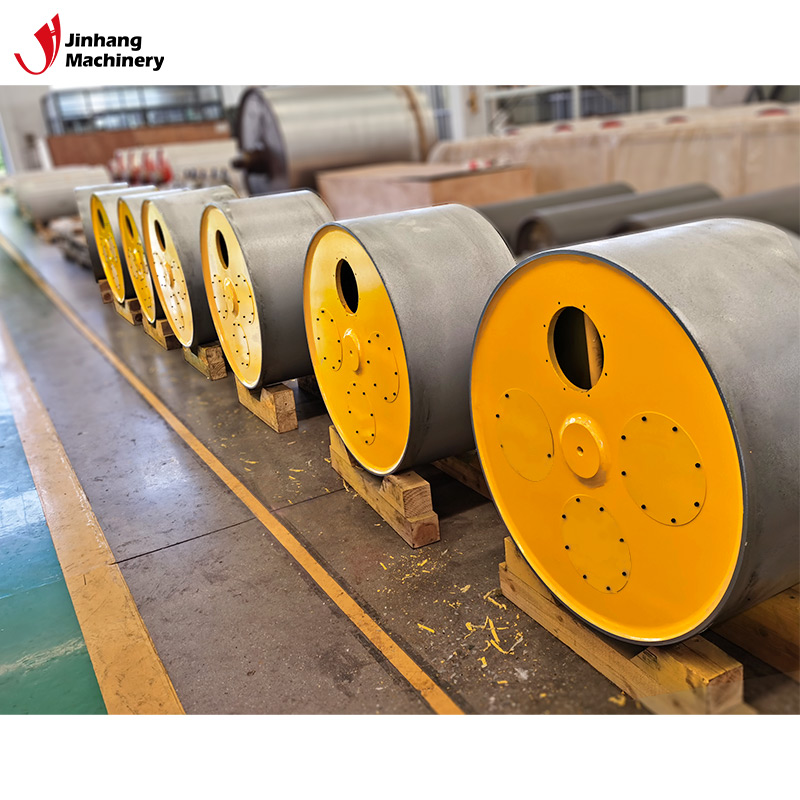
FAQ: Common Questions About Industrial Chrome-Plated Rollers
1. What is the typical service life of an industrial chrome-plated roller?
The service life depends on operating conditions, load, running speed, and maintenance standards. Generally, a high-quality industrial chrome-plated roller lasts 3 to 8 times longer than a standard steel roll; it is not uncommon for them to remain in service for several years under normal operating conditions.
2. What is the difference between industrial chrome-plated rolls and stainless steel rollers?
Stainless steel rollers rely on the material itself for rust resistance, whereas industrial chrome-plated rollers utilize a hard chrome layer to enhance hardness, wear resistance, and surface precision. In terms of overall performance, industrial chrome-plated rolls typically outperform standard stainless steel rollers regarding wear resistance and mirror-like surface quality.
3. Can industrial chrome-plated rollers be refurbished?
Yes. Many worn industrial chrome-plated rollers can be restored through a process involving stripping the old chrome, repair welding, regrinding, and re-plating. This restores their original dimensions and performance, thereby reducing equipment replacement costs.
4. Are industrial chrome-plated rollers suitable for high-speed production lines?
Yes, they are highly suitable. Thanks to their high hardness, low coefficient of friction, and excellent dimensional stability, industrial chrome-plated rollers are widely used in high-speed printing presses, high-speed film production lines, and equipment for new energy materials.
5. What parameters should be prioritized when selecting industrial chrome-plated rollers?
It is recommended to focus on the chrome layer thickness, surface hardness, surface roughness, circular runout accuracy, coating bond strength, and the manufacturer's process capabilities. For high-end applications, factors such as mirror finish grade and dynamic balance accuracy should also be considered.