Product News

  • What is an Industrial Mirror-Surface Water-Cooled Roller?
    20
    2026-03
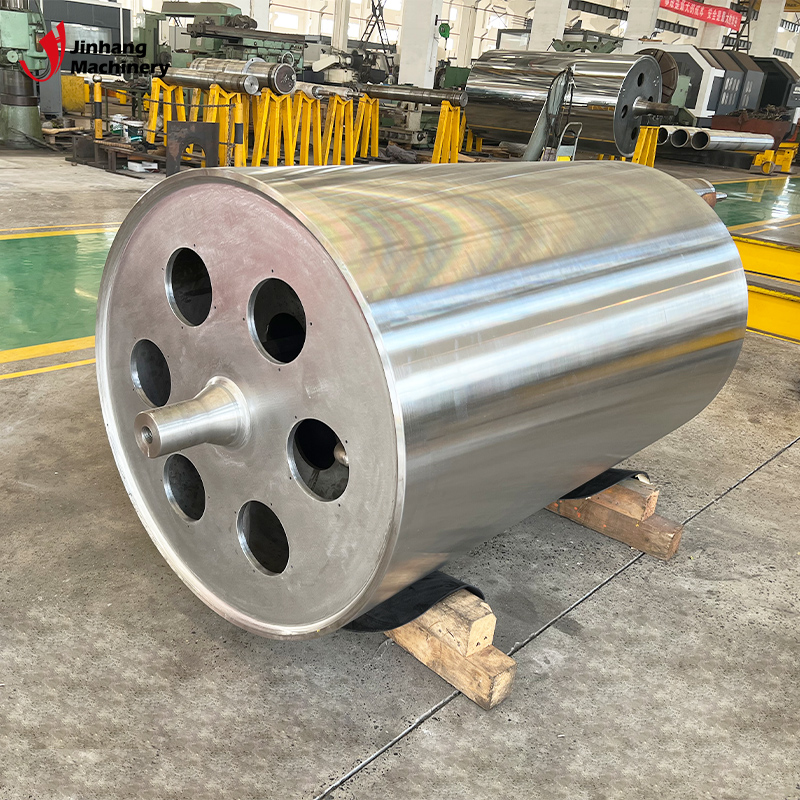
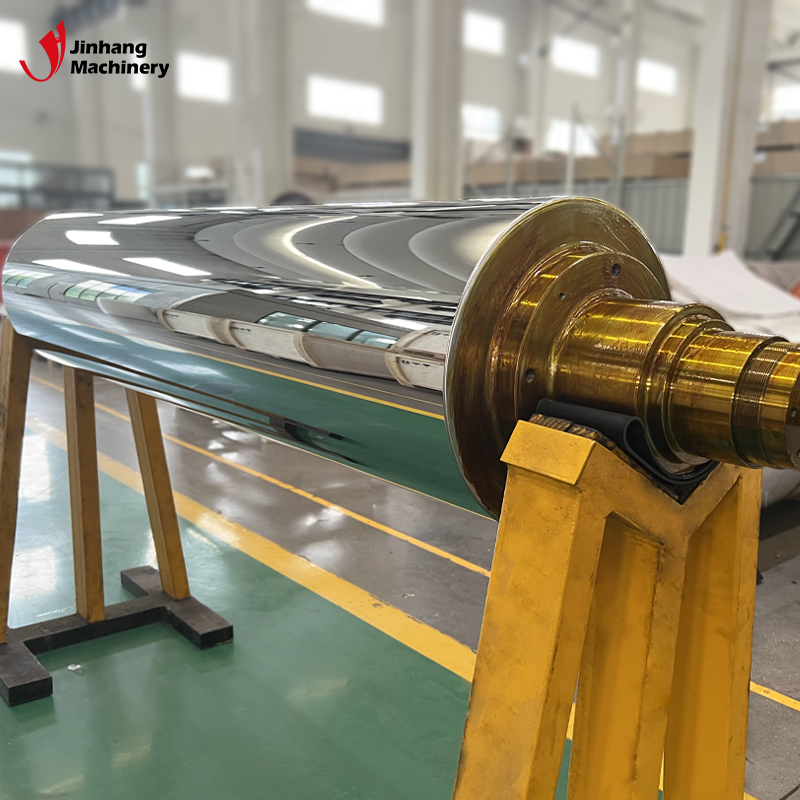
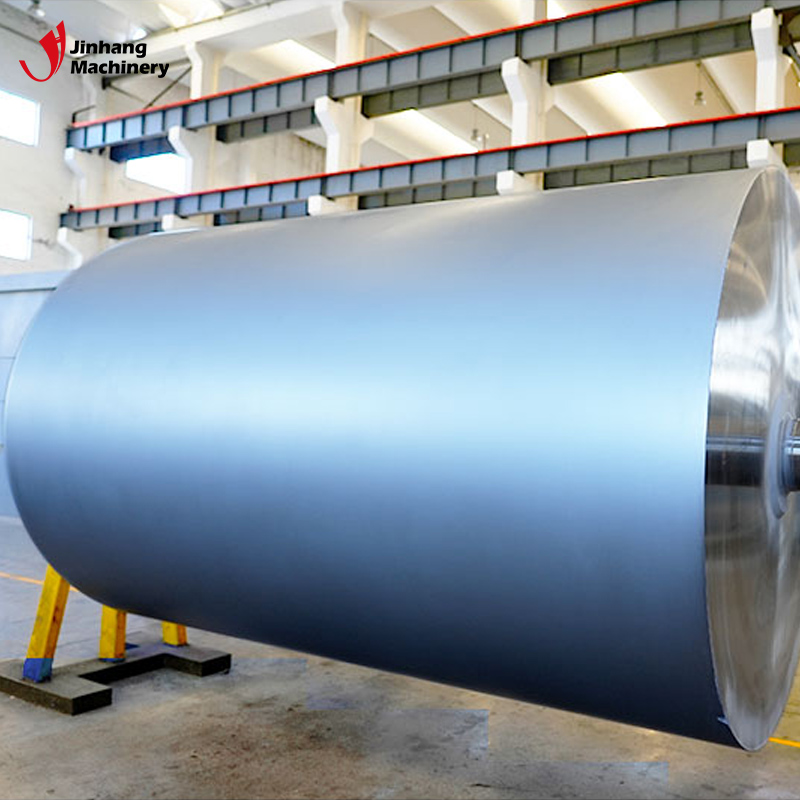
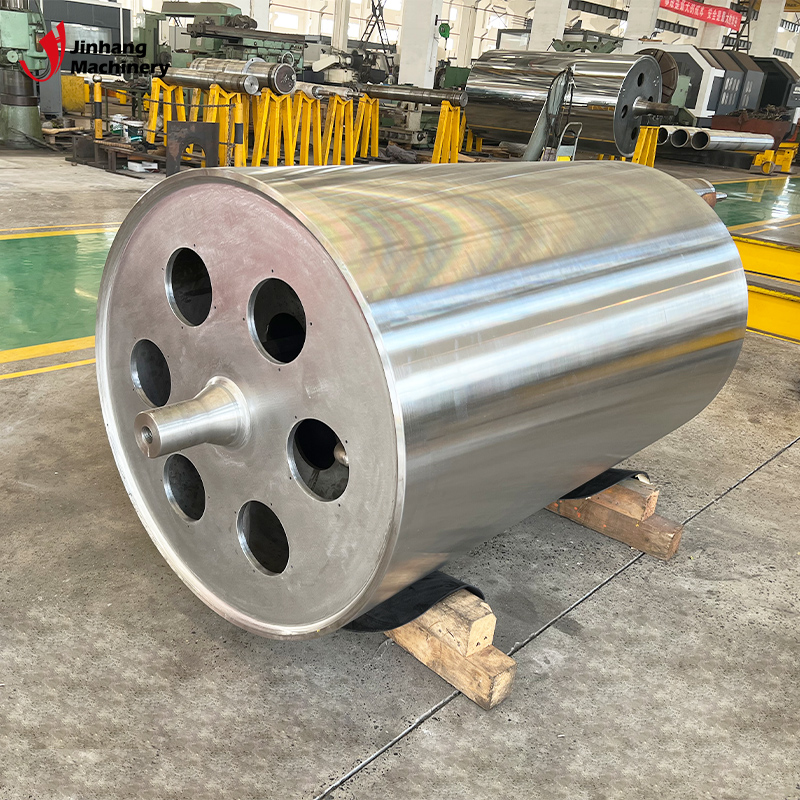
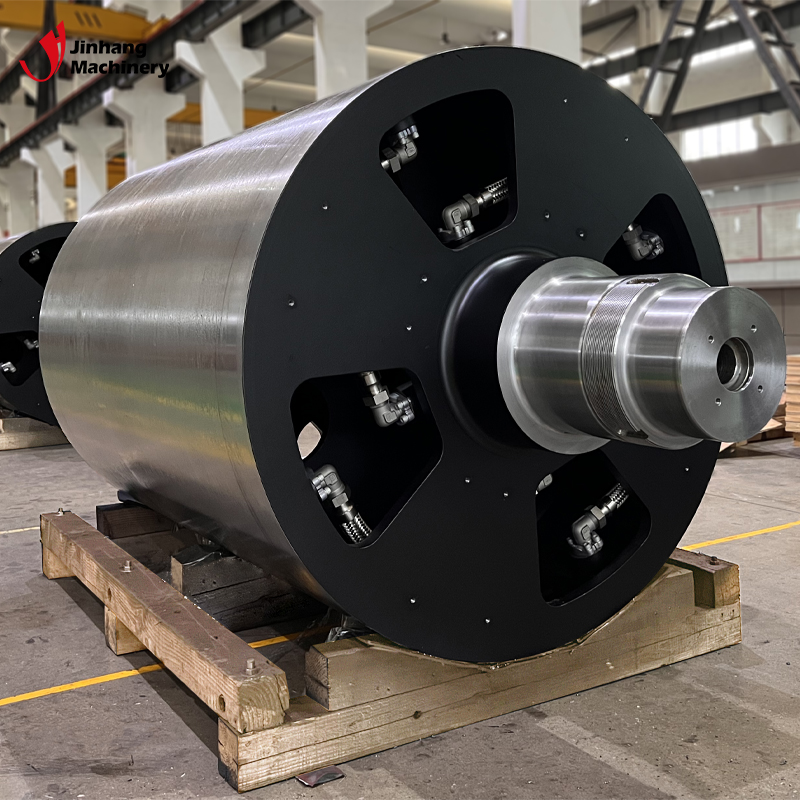
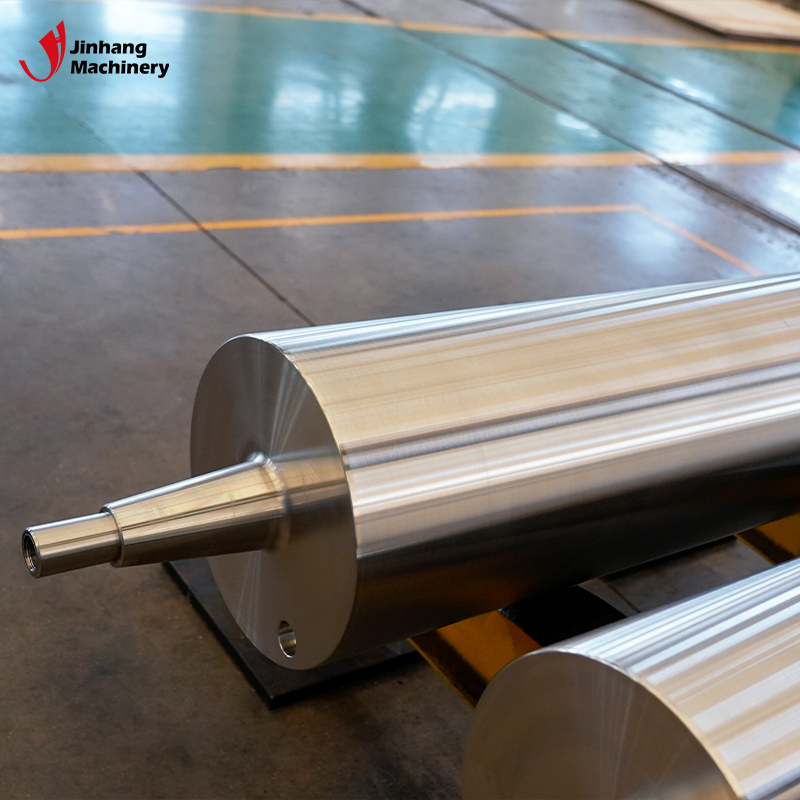
    An industrial mirror-surface water-cooled roller is a high-precision roller device specifically designed for material cooling, shaping, flattening, and surface treatment.
  • What Are the Uses of Industrial Tungsten Carbide Rollers?
    28
    2026-01
    Tungsten carbide coated rollers are used in a wide range of applications, including: • Plastic films • Metal foils • Functional materials • Coating processes • Paper processing • High-precision calendering • High-wear environments
  • Industrial Mirror Roller: What is Rough Polishing and Fine Polishing?
    22
    2026-01
    Rough polishing is used to quickly remove residual defects from the manufacturing process. After rough polishing, the surface of the mirror roller is relatively uniform, but it is still far from a truly mirror-like finish. Fine polishing is necessary at this stage to achieve the final surface quality.
  • Why Does Manufacturing Need Industrial Rollers?
    20
    2026-01
    Manufacturing emphasizes stable, continuous, and efficient production methods. A core value of industrial rollers lies in their ability to convert intermittent power into smooth, controllable continuous motion.
  • Are Heated Thin-Wall Rollers Suitable for Continuous or Intermittent Production?
    16
    2026-01
    For intermittent production, heated thin-walled rollers can shorten waiting time and improve single-cycle efficiency; however, in continuous production, if the control system is unstable, temperature fluctuations may be amplified.
  • Is Water Cooling or Oil Cooling Better for Thin-Walled Rollers?
    14
    2026-01
    There is no absolutely "better" cooling method for thin-walled rollers. Water cooling and oil cooling each have their strengths, and the key is whether they match the specific working conditions, structural design, and operational requirements.
  • Which Is Better, NBR or EPDM Rubber Rollers?
    13
    2026-01
    • If your equipment is in high-temperature, steam, outdoor, chemical, weather-sensitive, or ozone-laden environments → ✔ EPDM rubber rollers are better • If your equipment must be in prolonged contact with oils, greases, fuels, or high-friction conditions → ✔ NBR rubber rollers are better
  • What Causes Vibration in Industrial Cooling Thin-Walled Rollers?
    09
    2026-01
    The reason cooling thin-walled rollers are more prone to vibration is mainly due to their three structural characteristics: 1. Thinner wall thickness and relatively lower structural rigidity 2. Internal cooling medium flow 3. Significant temperature gradient during operation
  • Are Industrial Heating Thin-Walled Rollers Faster?
    08
    2026-01
    Due to the smaller roller wall thickness, heating thin-walled rollers result in: • Shorter heat transfer distance • Reduced thermal resistance • The roller surface reaches the target temperature faster In contrast, traditional thick-walled heated rollers require a longer time to evenly transfer internal heat to the roller surface.
  • Which Company Produces the Best Ceramic Corona Rollers?
    02
    2026-01
    Jinhang Machinery is considered one of the leading Chinese manufacturers of high-performance ceramic corona rollers. If your production line requires a highly stable ceramic corona roller that can operate continuously in extreme environments and has a longer lifespan, then Jinhang is your choice.

40px

80px

80px

80px

Get the latest price? We will reply as soon as possible (within 12 hours)

40px

40px

40px

40px