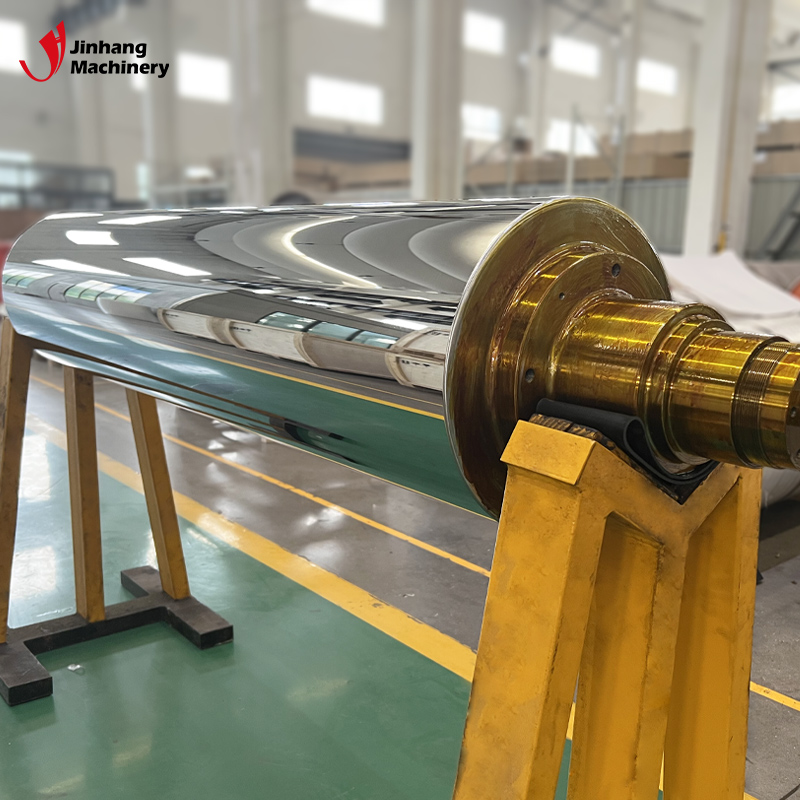
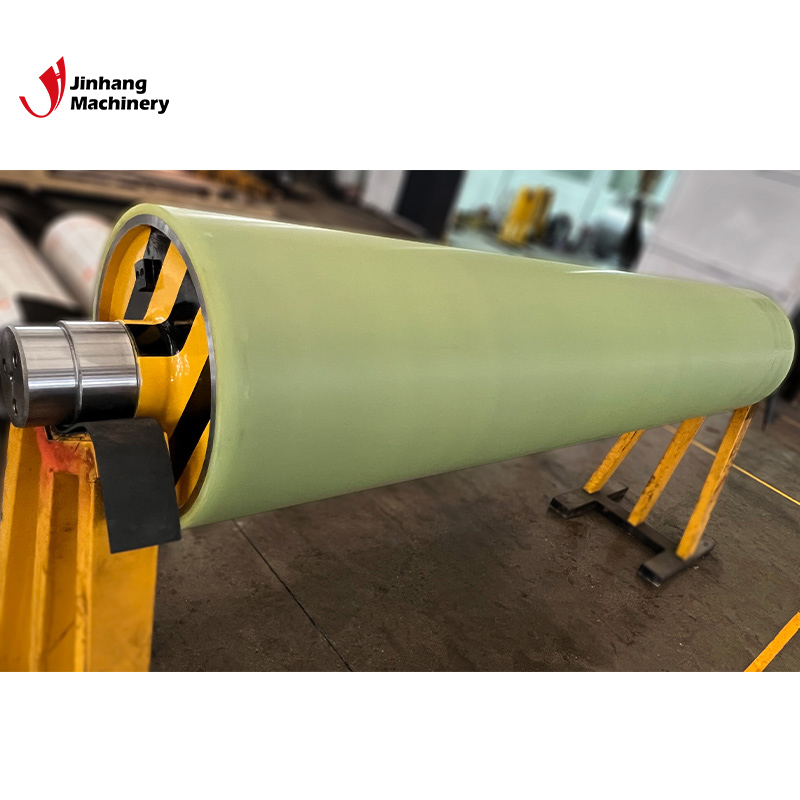
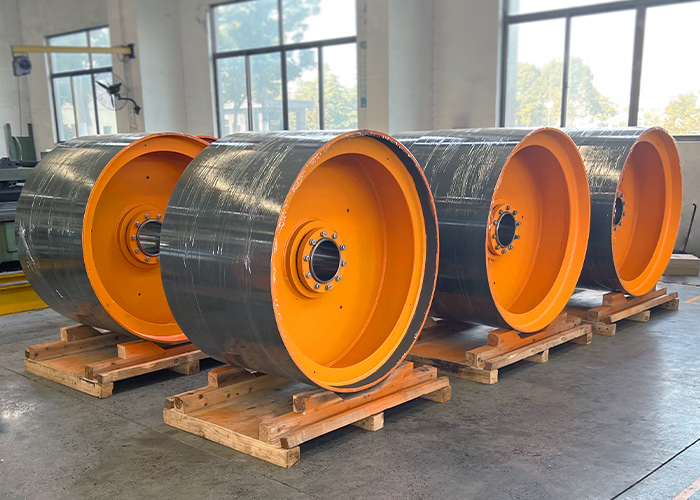
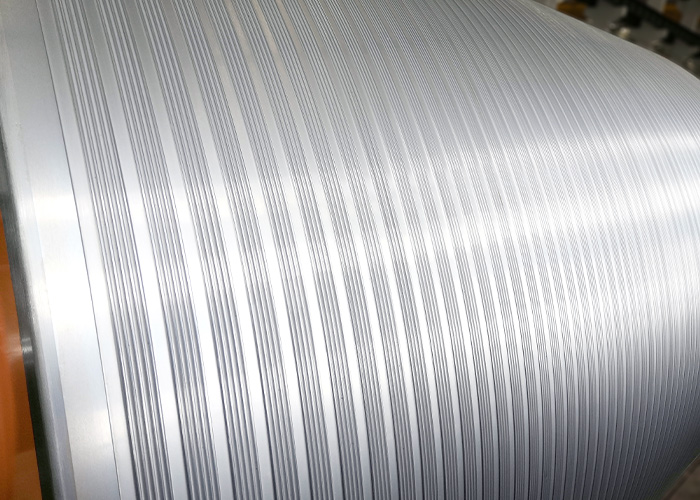
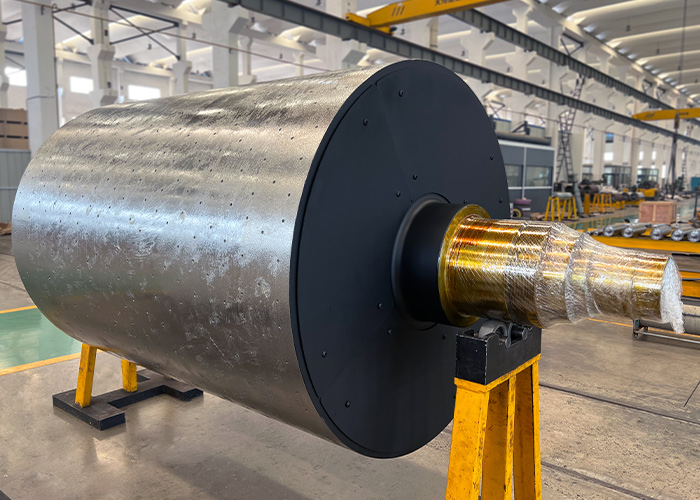
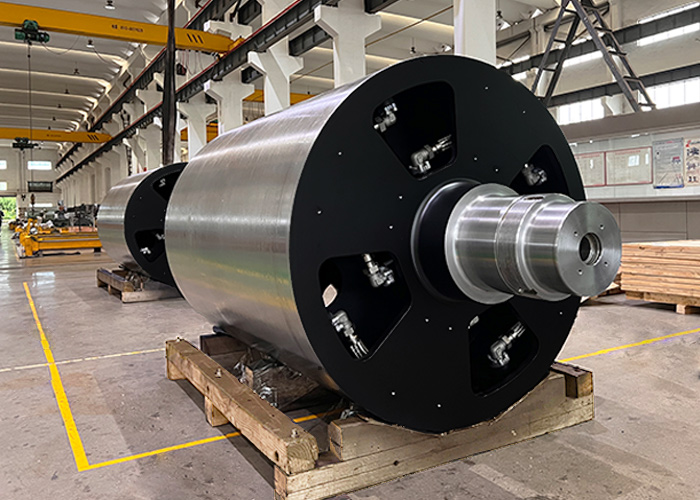
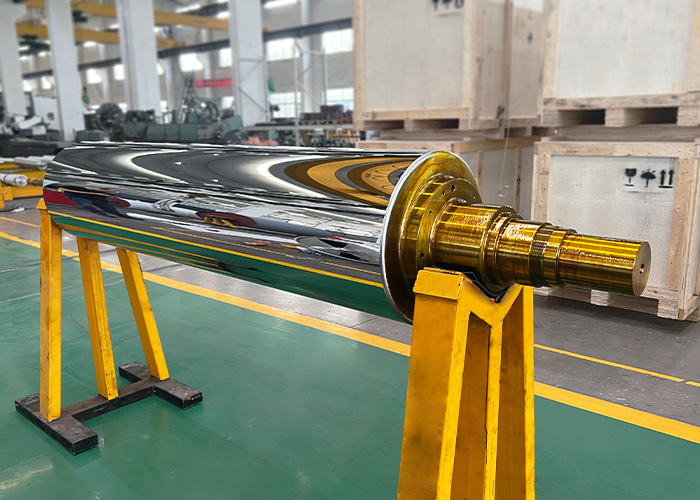
In industrial processing, the ideal state of "completely frictionless" contact between the mirror roller and the material is not ideal. On the contrary, moderate and controllable friction is often a prerequisite for stable process operation.
According to data from Jinhang Machinery, the dielectric strengths of different coatings are approximately as follows:
• Silicone corona roller: Approximately 400 inches/kW
• Epoxy-coated corona roller: Approximately 500 inches/kW
• Ceramic corona roller: Approximately 300 inches/kW
Machining is a crucial stage in mirror roller manufacturing, mainly involving rough machining, semi-finishing, and finishing.
For high-precision mirror rollers, the permissible error is typically within the range of 0.01–0.03 mm.
NBR rollers can withstand temperatures of approximately 120°C in air and approximately 150°C in oil.
This is determined by the combined characteristics of NBR's molecular structure, heat resistance, and oil resistance.