
Cooling Rollers: What Problems Can Improper Temperature Control Cause?
In continuous, large-scale modern manufacturing systems, temperature control has become one of the most important process parameters affecting product quality. Especially in production processes involving heat treatment, melt molding, surface shaping, or composite processing, industrial cooling rollers play a crucial role in cooling, shaping, and stabilization.
Improper temperature control of industrial cooling rollers often triggers a series of chain reactions, directly or indirectly leading to product defects.
Understanding the product defects caused by improper temperature control of industrial cooling rollers not only helps improve quality control awareness but also helps to fundamentally understand the core role of industrial cooling rollers in manufacturing systems.
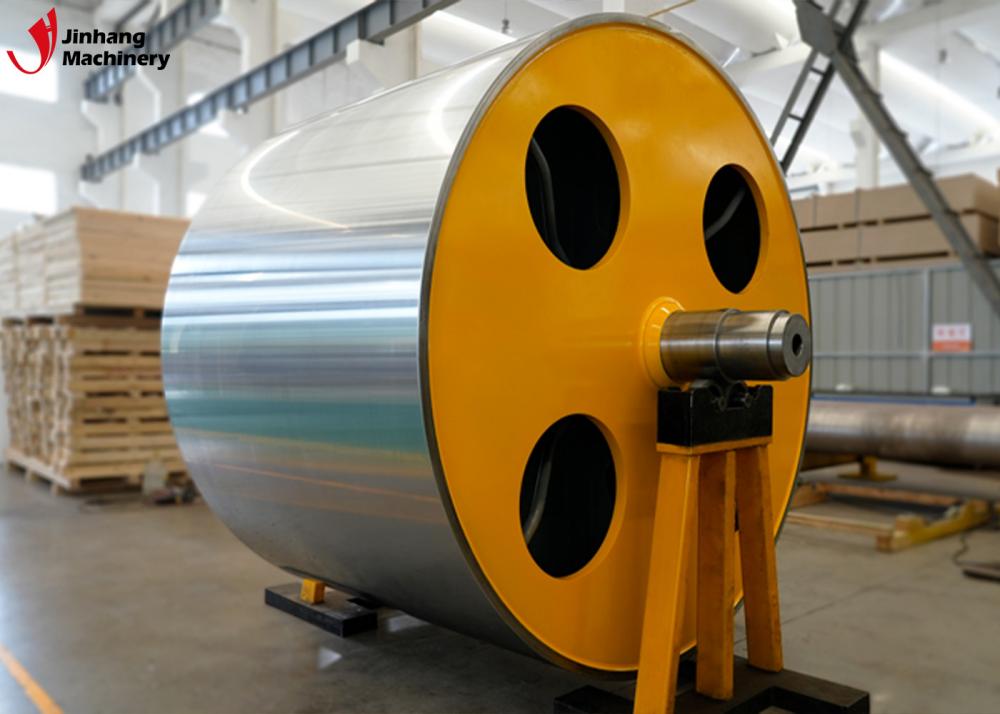
What temperature control functions do industrial cooling rollers perform in the manufacturing process?
Industrial cooling rollers are not simply cooling components but important functional units integrating temperature regulation, shape shaping, dimensional stabilization, and surface control. Its core functions include:
• Rapidly removing excess heat from the material surface
• Controlling the transition speed of the material from a high-temperature state to a stable state
• Maintaining the material's geometry during critical stages
• Reducing the probability of thermal and internal stress generation
Because industrial cooling rollers bear so many temperature control responsibilities during the production process, improper temperature control often leads to a concentration of product defects.
What product defects can be caused by excessively high temperatures in industrial cooling rollers?
When the operating temperature of an industrial cooling roller exceeds the reasonable range, its cooling capacity decreases significantly. The material cannot be cooled and shaped in time as it passes through the industrial cooling roller, resulting in various quality problems.
Common defects include:
• Softening of the product surface, making it difficult to stabilize its shape
• Inaccurate dimensional control, with fluctuations in thickness or width
• Surface stretching marks or slight deformation
Excessively high temperatures in industrial cooling rollers actually weaken their core "cooling roller" attribute, causing the material to lose necessary physical constraints during critical stages, thus creating potential quality hazards.
Why are excessively low temperatures in industrial cooling rollers equally dangerous?
Compared to excessively high temperatures, excessively low temperatures in industrial cooling rollers can also negatively impact product quality. Too low a temperature means the material is forced to cool rapidly, leading to internal structural imbalances.
Industrial cooling rollers with excessively low temperature control can cause the following problems:
• Stress concentration within the material
• Asynchronous cooling between the surface and interior
• Warping or deformation of the product in subsequent processes
Therefore, the temperature control of industrial cooling rollers is not "the colder the better," but rather needs to achieve a balance within a reasonable range.
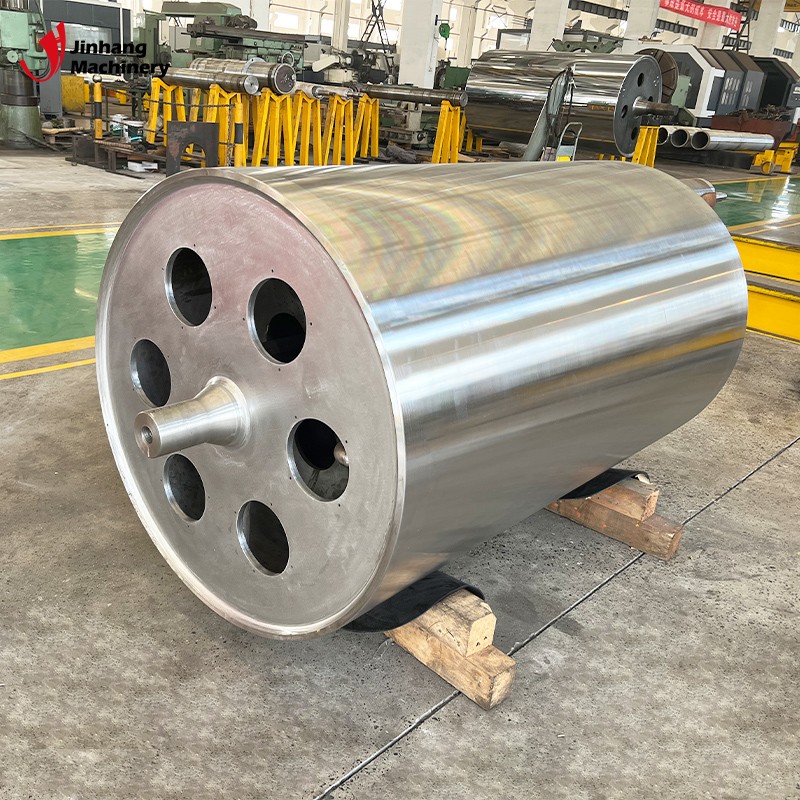
Why does uneven temperature control in industrial cooling rollers lead to surface defects in products?
Another common problem with industrial cooling rollers is not overall temperature being too high or too low, but rather uneven temperature distribution. When there are temperature differences in different areas of the industrial cooling roller, the material experiences inconsistent cooling upon contact with the roller surface.
Uneven temperature control typically leads to:
• Inconsistent surface finish
• Localized hardening or softening
• Abnormal changes in surface texture
Because industrial cooling rollers typically have linear or surface contact with materials, uneven temperature distribution on the roller surface often results in defects being completely "replicated" onto the product surface.
Why do temperature fluctuations in industrial cooling rollers affect dimensional stability?
In continuous production, industrial cooling rollers need to maintain a relatively stable operating temperature for extended periods. If the temperature control system fluctuates, the actual surface temperature of the industrial cooling roller will change over time.
This temperature fluctuation leads to:
• Changes in material shrinkage rate
• Differences in product dimensions at different times
• A significant decrease in finished product consistency
From a quality management perspective, dimensional stability is a crucial indicator of product yield, and temperature fluctuations in industrial cooling rollers are a common factor that disrupts this stability.
How do abnormal temperature control in industrial cooling rollers induce internal structural defects?
Product defects are not always apparent on the surface. Improper temperature control of industrial cooling rollers can also have a profound impact on the internal structure of the material.
When the cooling process goes out of control, the following may occur:
• Uneven internal stress distribution
• Disordered microstructure arrangement
• Latent differences in material properties
These internal defects caused by abnormal temperature control of industrial cooling rollers are often not easily detected in the short term, but may gradually emerge during subsequent use or processing.
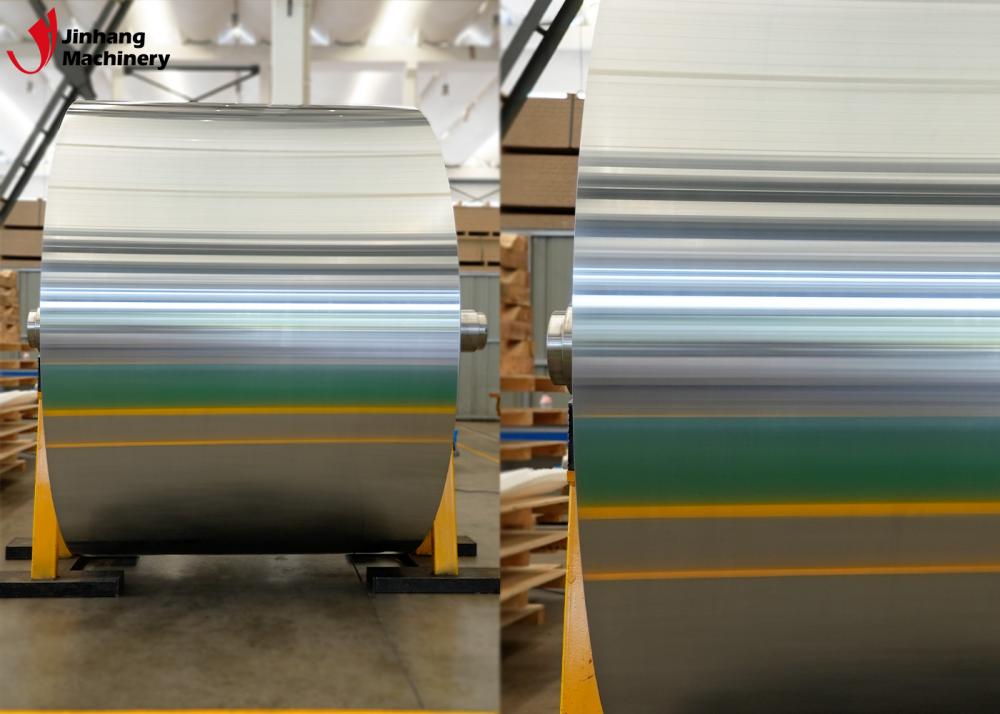
Why does improper temperature control of industrial cooling rollers lead to warping and deformation?
Warping and deformation are common and challenging quality problems in manufacturing, and improper temperature control of industrial cooling rollers is one of the important contributing factors.
When materials are cooled on industrial cooling rollers, if:
• The cooling rates of the upper and lower surfaces are different
• The cooling intensity of the left and right areas is inconsistent
Uneven thermal shrinkage will occur, leading to warping or overall deformation. These defects are often difficult to completely repair through subsequent processes.
Why do temperature control problems on industrial cooling rollers easily cause surface adhesion or peeling abnormalities?
The surface temperature of industrial cooling rollers directly affects the contact state between the material and the roller surface. When temperature control is inadequate, adhesion or peeling abnormalities are likely to occur.
Specific manifestations include:
• Abnormal adhesion between the material and the surface of the industrial cooling roller
• Difficult peeling process, resulting in scratches
• Surface residue affecting subsequent processing
These problems not only affect the product's appearance but may also cause additional wear to the industrial cooling roller itself.
How does temperature control imbalance in industrial cooling rollers affect surface smoothness?
Surface smoothness is a crucial quality indicator for many industrial products, and industrial cooling rollers are one of the key pieces of equipment affecting smoothness.
When the temperature control of an industrial cooling roller is unbalanced:
• Inconsistent cooling shrinkage in different areas of the material
• Changes in surface tension distribution
• Gradual formation of localized bulges or depressions
Even if these unevennesses are not obvious initially, they can be amplified into significant defects through cumulative effects.
Why does improper temperature control of industrial cooling rollers increase batch-to-batch variation?
In mass production, stability is more important than individual piece quality. Improper temperature control of industrial cooling rollers directly amplifies differences between different production stages.
The main impacts are:
• Inconsistent performance between different batches of products
• Systematic deviations in appearance and dimensional parameters
• Significantly increased difficulty in quality control
From this perspective, the temperature control capability of industrial cooling rollers not only affects individual products but also the overall quality management level.
What are the chain reactions of abnormal temperature control in industrial cooling rollers to subsequent processes?
Manufacturing emphasizes the seamless integration between processes. Industrial cooling rollers are located between several critical processes, and their temperature control status has a profound impact on subsequent processing.
Insufficient or uneven cooling may lead to:
• Increased difficulty in subsequent cutting, lamination, or molding
• Frequent adjustments to process parameters
• Disruption of the overall production rhythm
Therefore, the problems caused by improper temperature control of industrial cooling rollers are often not limited to a single process.
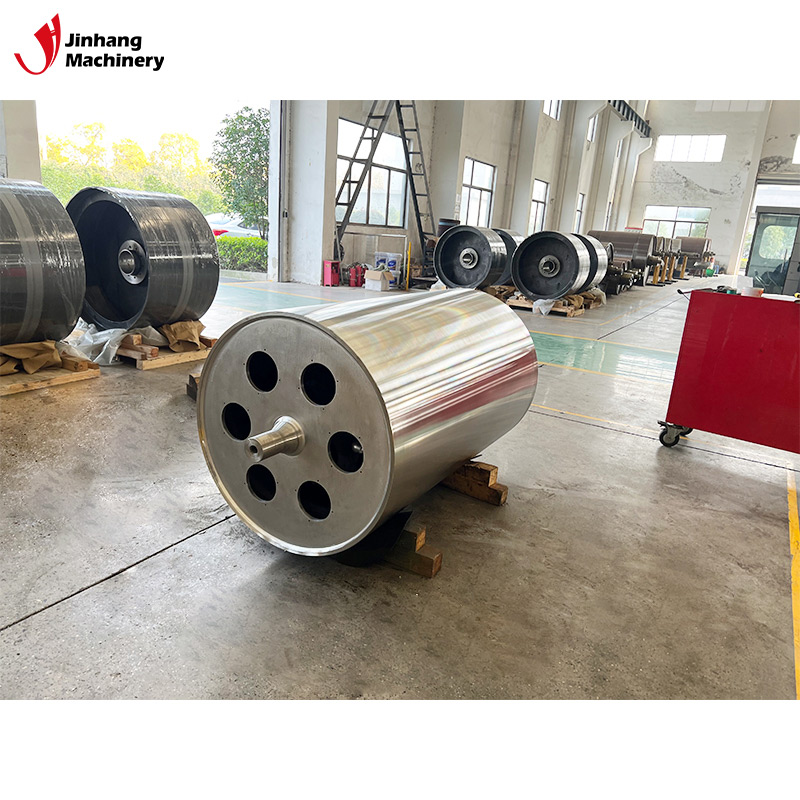
From a manufacturing logic perspective, why does a temperature control defect in industrial cooling rollers have a magnification effect?
Industrial cooling rollers are usually located at critical nodes in continuous production lines, and their effect has a significant amplification characteristic. Once a deviation in temperature control occurs, this deviation will be continuously replicated and accumulated throughout the production process.
This amplification effect manifests as:
• Defects persist in consecutive products
• Minor deviations evolve into systemic problems
• Rework and adjustment costs rise rapidly
For this reason, temperature control of industrial cooling rollers is considered a high-risk factor in manufacturing.
What coating and surface options are available?
We supply a range of surface finishes and protective coatings: chrome plating, tungsten carbide overlays, ceramic anilox, polyurethane coverings, and specialized rubber compounds. Each finish addresses specific operational needs—anti-wear, anti-adhesion, heat resistance, or mirror-quality printing. As a factory in China offering both standard and customized solutions, we provide pricing tiers and purchasing suggestions to match budget and performance goals.