
Do industrial mirror surface rollers have a heating structure?
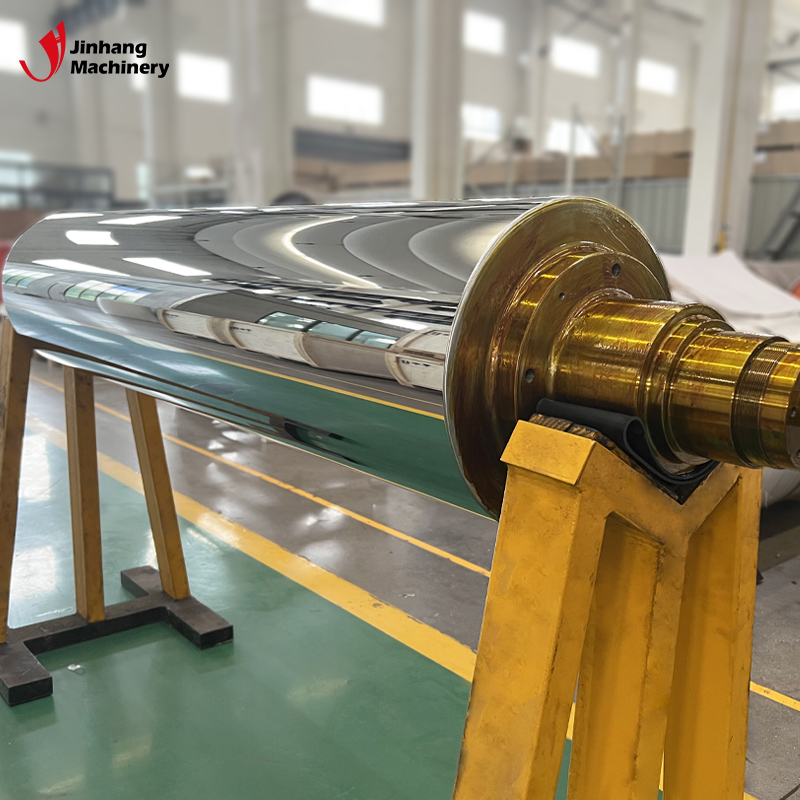
In industrial production, mirror surface rollers are crucial equipment. They are used not only for material leveling, thickness setting, cooling, and surface replication, but also play a core role in improving product quality.
In the production of plastic films, metal foils, paper, coating materials, and optical films, the performance of mirror surface rollers directly determines the appearance, thickness uniformity, and optical quality of the final product.
Among various performance requirements, a heating structure is a key option for mirror surface rollers. Many people ask the following crucial questions: Do industrial mirror surface rollers have a heating structure? Why is heating necessary? What practical effects does a heating structure bring to mirror surface rollers? What problems arise if heating is not used?
This article will comprehensively analyze the necessity of a heating structure for mirror surface rollers from a professional perspective and systematically explain the performance advantages after heating.
Why do industrial mirror surface rollers need a heating structure?
Industrial mirror surface rollers often influence material properties through surface temperature control, such as in plastic film shaping, metal foil correction, and coating liquid flow control. Therefore, heating systems are frequently incorporated into the design of mirror surface roller cylinders, including heat transfer oil heating, steam heating, and electric heating.
The main reasons for the need for a heating structure in mirror surface rollers include:
• Improving material flowability
• Enhancing surface flattening ability
• Strengthening heat setting effect
• Enhancing mirror replication ability
• Making it easier for metal films to achieve specific gloss or color
• Optimizing surface tension performance
• Improving high-precision correction capabilities
Heated mirror surface rollers not only have a stronger load-bearing capacity but also exhibit more stable performance in processes such as material calendering, high-temperature setting, and brightening.
Why is a special internal heating structure designed for the mirror surface roller cylinder?
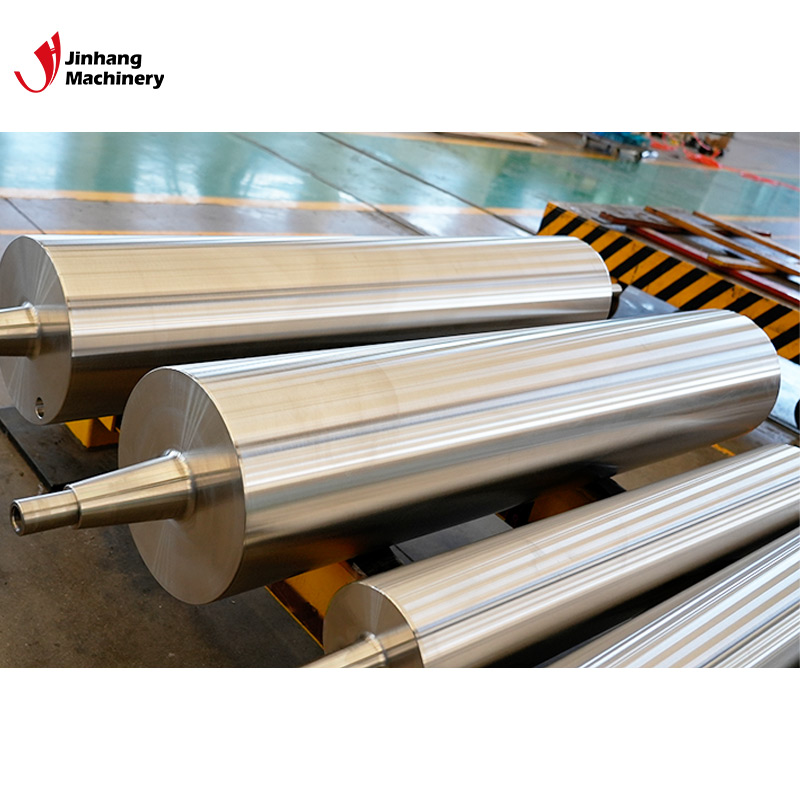
The heating system of a mirror surface roller is not simply about increasing the temperature; it is a highly precise thermal control system. Industrial mirror rollers typically use hollow cylinders with internal fluid channels or electric heating systems to maintain a uniform temperature across the roller surface.
The reasons for the existence of internal heating structures include:
1. Controlling the uniform distribution of heat
Uneven surface temperature of the mirror roller can lead to:
• Unstable material thickness distribution
• Abnormal surface tension changes
• Localized gloss differences
• Ripples or stretch marks
The heating structure ensures stable and consistent circumferential and axial temperature across the entire mirror roller.
2. Improving processing stability
Temperature is a decisive factor in processes such as heat setting, calendering, and coating. Heated mirror rollers provide higher control precision, enabling reliable processing of complex materials.
3. Achieving specific physical and optical effects
For example, colored metallic films or special reflective effects rely on the constant temperature environment provided by the mirror roller heating structure to form stable film layers on the surface.
What are the significant effects of the mirror roller heating structure?
To make this article more systematic, the role of the heating structure will be analyzed in depth below.
Can a heating structure improve the correction performance of a mirror surface roller?
The answer is yes, and the effect is very significant. The correction performance of a mirror surface roller includes:
• Adjusting material flatness
• Eliminating wrinkles
• Correcting minor thickness errors
• Controlling the thermal shrinkage behavior of materials
When a mirror surface roller has a heating structure, the material is subjected to uniform heat energy upon contact with the roller surface. Material molecules are more likely to rearrange at specific temperatures, thus achieving a higher level of correction effect. This is especially important for plastic films and metal sheets.
Can a heated structure on a mirror surface roller improve its mirror replication capability?
Yes. One of the core functions of a mirror surface roller is to replicate its own mirror texture, gloss, and optical properties onto the surface of the material being processed. When the mirror roller surface is at a constant temperature:
• The material adheres more tightly to the roller surface.
• High temperature further improves the material's ductility.
• Enhanced micro-texture replication capability.
• A more stable gloss level is achieved on the material surface.
Therefore, heating structures are crucial for processing glossy films, reflective films, and high-gloss plastic films.
Does a heating structure help form colored metallic films?
Your direction is absolutely correct:
A heated mirror roller more easily helps form colored metallic films.
The reasons are:
• Specific metals or coating materials produce different optical interference effects at different temperatures.
• Mirror rollers ensure uniform heating of the film, resulting in stable colors.
• Good temperature control leads to more consistent film thickness and more accurate optical effects.
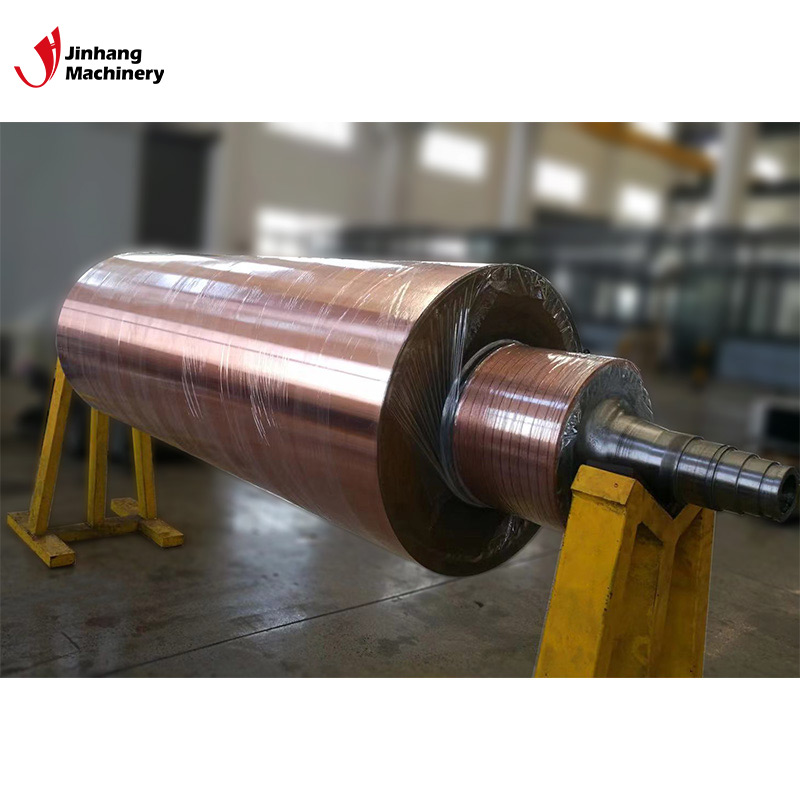
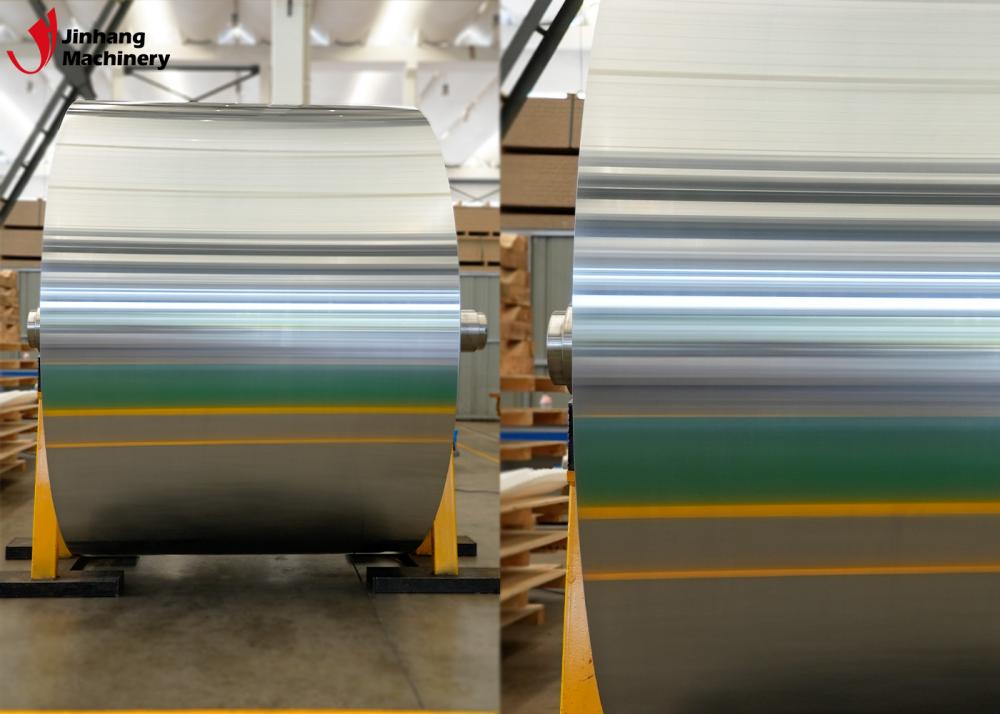
This processing method is particularly prominent in the manufacture of metal foil, aluminum foil decorative materials, and colored functional films.
Does a heated mirror roller structure improve the material's flattening ability?
Mirror rollers play a decisive role in the material flattening effect, and heating structures further amplify this ability.
When materials are heated:
• Molecular chain movement is enhanced
• Internal stress is released more easily
• The surface tends to be smoother
• Thickness is more stable
Mirror roll heating structures are particularly suitable for:
• Extruded films
• Calendered films
• Metal coils
• Paper coating
• Thermosetting materials
In these fields, heating structures are almost essential.
How do mirror roll heating structures affect heat conduction and production efficiency?
Mirror rolls are essentially heat conduction media. Heating structures enable them to provide:
• Higher heat conduction efficiency
• More stable temperature control range
• Faster temperature response speed
• Faster heat setting effect
This allows materials to reach processing conditions in a shorter time, thereby improving efficiency.
Does a heating structure improve the stability of surface tension control on mirror rolls?
Mirror rollers are commonly used in film production to control surface tension, for example:
• Adjusting the wetting properties of the film
• Determining surface energy
• Affecting ink adhesion
• Controlling the diffusion range of coating solutions
Temperature is one of the decisive factors. Heating structures can:
• Prevent sudden changes in tension
• Improve the uniformity of surface energy
• Ensure more consistent chemical behavior of materials when in contact with the roller surface
This is another important function of the heating structure of mirror rollers.
What are the heating methods for mirror rollers? Why choose them?
Common heating methods include:
1. Thermal oil heating
• Wide temperature range
• Strong thermal stability
• Suitable for large-diameter mirror rollers
2. Electric heating
• Simple structure
• Fast response speed
• High precision
3. Steam heating
• Suitable for medium and low temperature processing
• Natural and stable heat transfer
Different heating methods have different effects on the performance of mirror rollers, but the common goal is to maintain a stable, uniform, and controllable roller surface temperature.
What would happen if mirror rollers did not use a heating structure?
Mirror rollers without heating structures face limitations in many applications, including:
• Unstable material gloss
• Difficulty achieving high-standard mirror finish replication
• Material prone to waviness or shrinkage
• Inability to achieve ideal colors in colored film materials
• Difficulty controlling the thickness of calendered materials
• Reduced correction capability
• Inaccurate surface tension control
Therefore, heating structures are almost indispensable in industries requiring high-precision optical processing or temperature-sensitive materials.
Does a heating structure affect the stability and lifespan of mirror rollers?
High-quality mirror rollers are designed with:
• Thermal expansion
• Thermal stress
• Temperature distribution
• Material mechanical strength
Therefore, heating structures do not reduce the lifespan of mirror rollers; on the contrary, they can:
• Reduce surface damage
• Reduce material adhesion
• Prevent micro-cracks caused by localized overcooling
• Extend overall service life
With proper design, a heating structure is an important component for improving stability.
Heated Structures For Mirror Surface Rollers Are Crucial For Achieving High-Quality Processing
Industrial mirror surface rollers typically incorporate heated structures within their cylinders, which play a critical role in material handling. Heated mirror surface rollers can:
• Enhance correction performance
• Improve mirror replication effects
• Facilitate the formation of colored metallic films
• Improve material flattening ability
• Stabilize surface tension
• Improve heat transfer efficiency
• Provide higher processing accuracy
• Prevent material defects
Therefore, heated structures are not optional but essential for ensuring product quality and stability in most industrial applications.